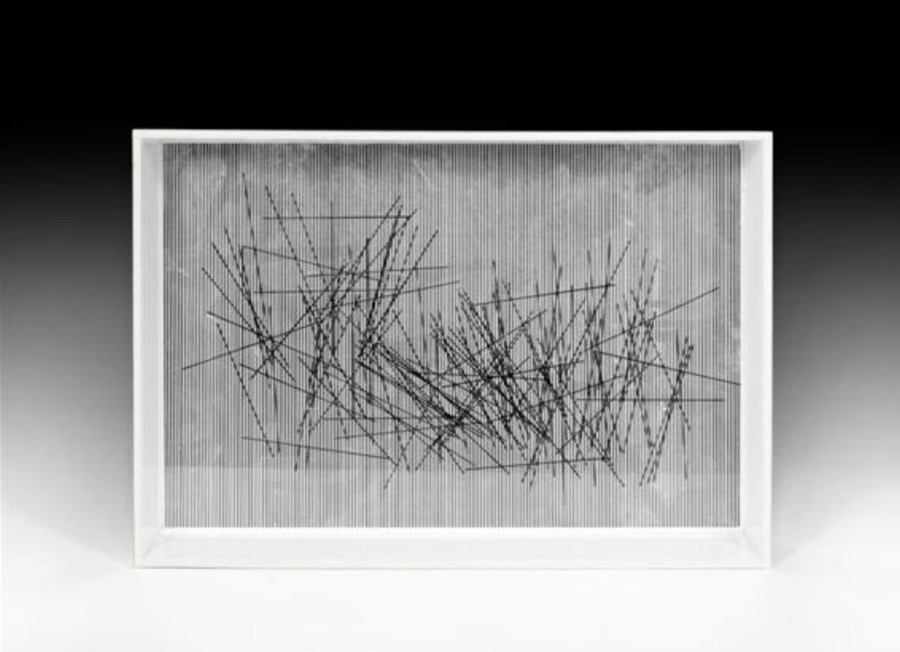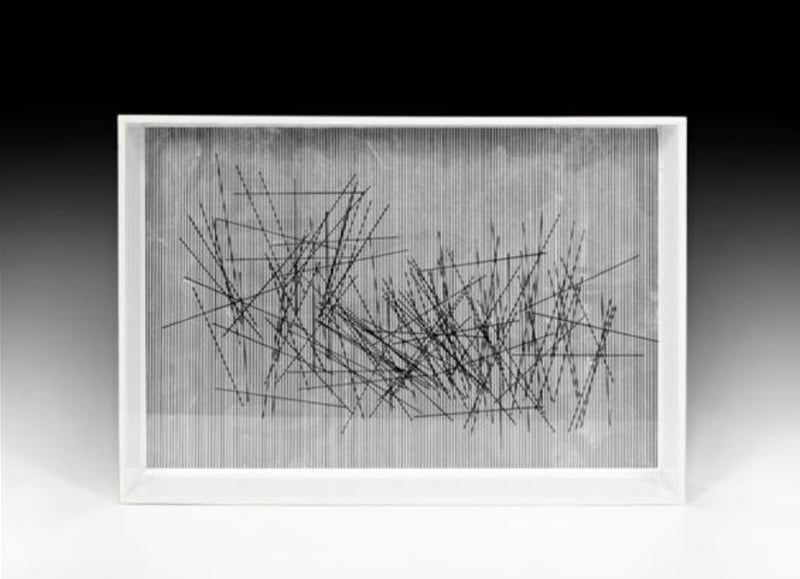
Vibrations, 1967
Form
Medium
Size
- Inches
- Centimeters
Edition
Price
- USD
- EUR
- GBP
- CHF
- Authenticity Guaranteed
- Insured Shipping
- Online Since 2005
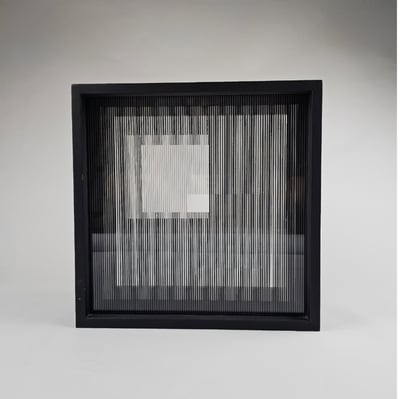
Rafael Jesus Soto
Kinetic Box, 1964
Sculpture / Object
Screen-print
USD 22,000
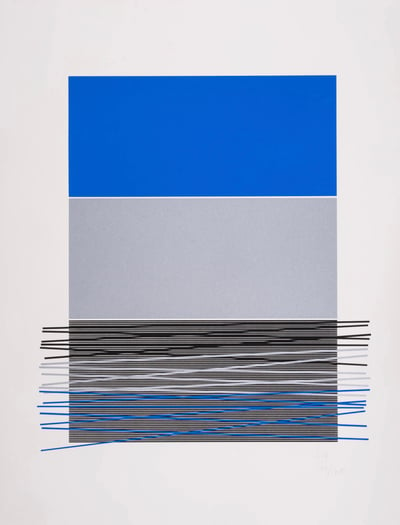
Rafael Jesus Soto
Untitled (Blue Horizon Lines), 1976
Limited Edition Print
Screen-print
USD 1,875
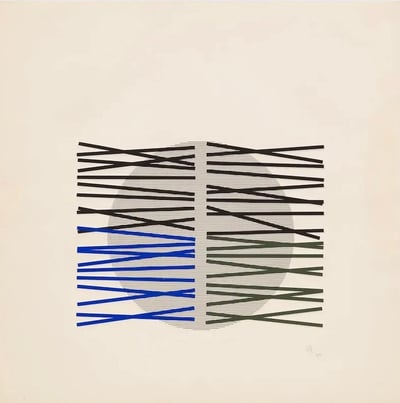
Rafael Jesus Soto
Untitled (circles and lines), 1970
Limited Edition Print
Screen-print
EUR 3,750
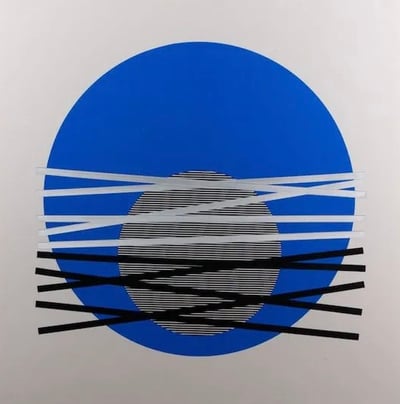
Rafael Jesus Soto
Composición, 1971
Limited Edition Print
Silkscreen
EUR 3,125
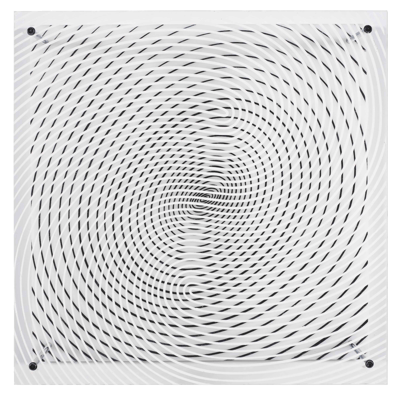
Rafael Jesus Soto
Espiral Doble, 1979
Sculpture / Object
Mixed Media
USD 8,950
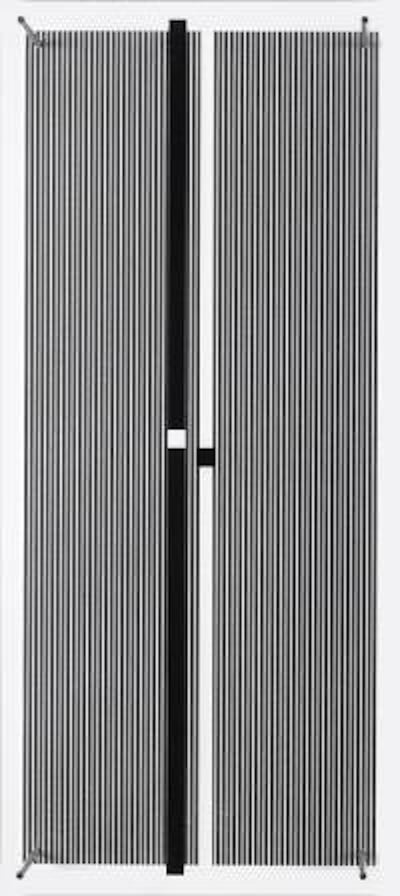
Rafael Jesus Soto
Permutacion, 1979
Sculpture / Object
Mixed Media
USD 8,950
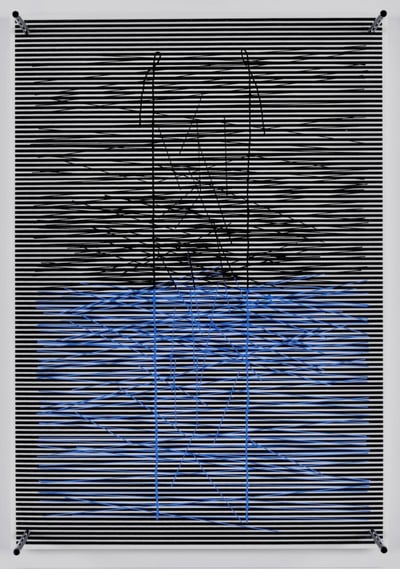
Rafael Jesus Soto
La Escalera Azul , 1979
Sculpture / Object
Mixed Media
USD 8,950
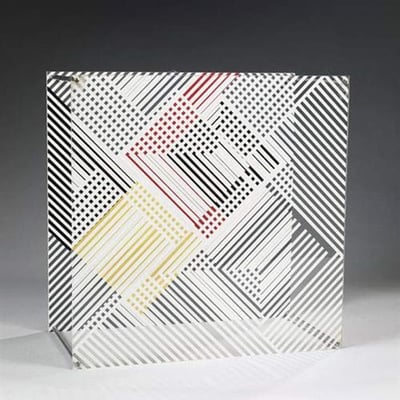
Rafael Jesus Soto
Sotomagie II, 1967
Sculpture / Object
Mixed Media
USD 8,950
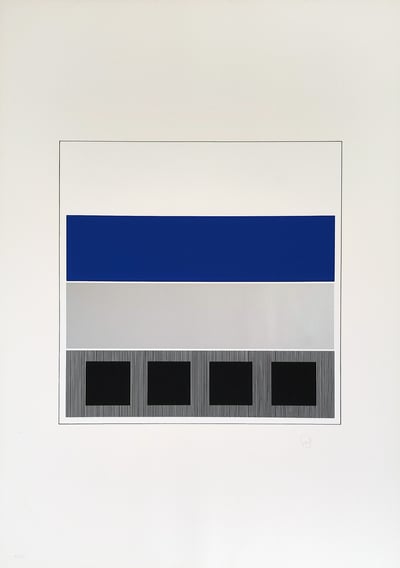
Rafael Jesus Soto
Caroni, 1971
Limited Edition Print
Silkscreen
EUR 1,270
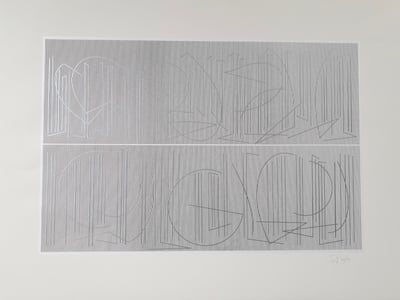
Rafael Jesus Soto
Untitled (Silver Lines)
Limited Edition Print
Screen-print
GBP 2,800
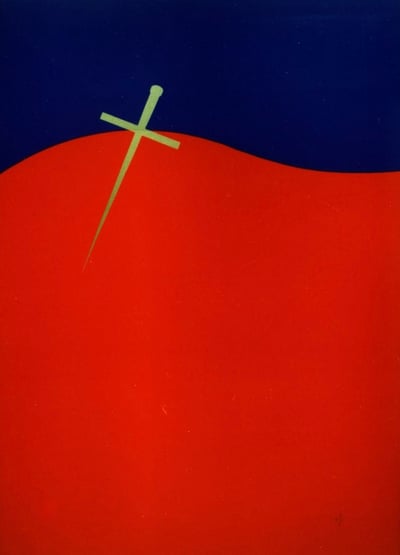
Rafael Jesus Soto
Homage to Federico Garcia Lorca, 1999
Limited Edition Print
Silkscreen
EUR 800
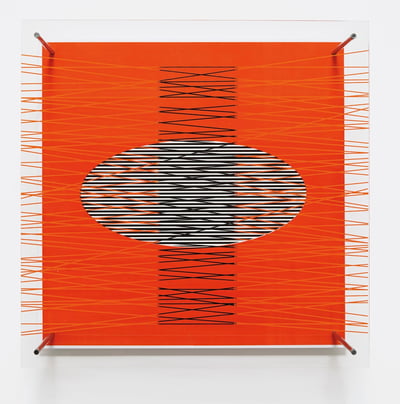
Rafael Jesus Soto
Óvalo en el rojo, 1979
Sculpture / Object
Mixed Media
USD 8,950
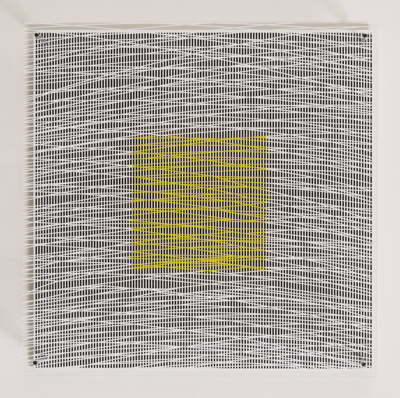
Rafael Jesus Soto
Cuadrado y Curvas Virtuales, 1979
Sculpture / Object
Mixed Media
USD 8,950
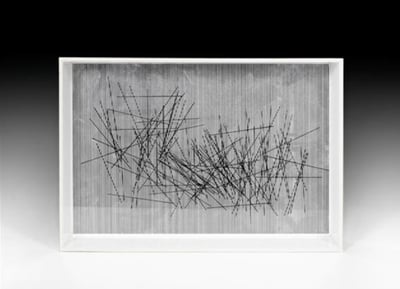
Rafael Jesus Soto
Vibrations, 1967
Sculpture / Object
Acrylic sculpture
EUR 9,200
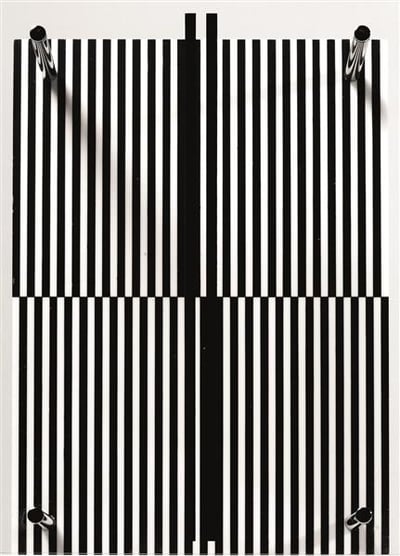
Rafael Jesus Soto
Permutation, 1955-1978
Sculpture / Object
Object
EUR 5,500
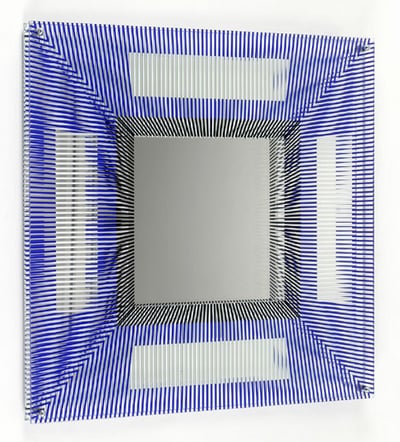
Rafael Jesus Soto
Mirroire, 2005
Sculpture / Object
Glass
EUR 10,000
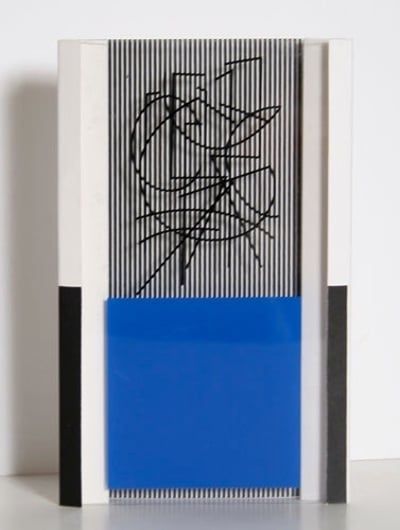
Rafael Jesus Soto
Sans Titre, 2001
Sculpture / Object
Acrylic sculpture
EUR 2,800
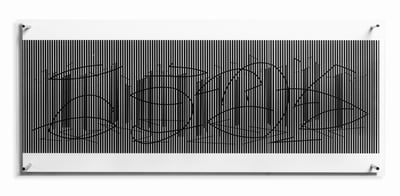
Rafael Jesus Soto
Escritura, 1979
Sculpture / Object
Mixed Media
Currently Not Available
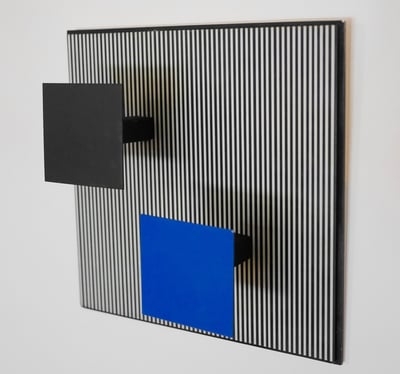
Rafael Jesus Soto
Dos Cuadraditos, 1972
Sculpture / Object
Object
Currently Not Available
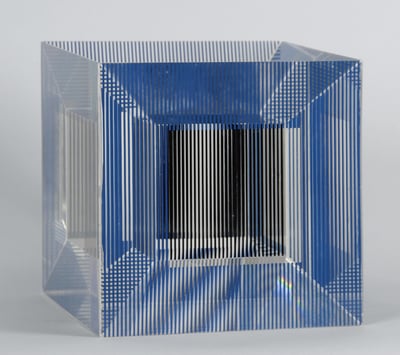
Rafael Jesus Soto
Cube with Ambiguous Space , 1981
Sculpture / Object
Object
Currently Not Available
Related Artists
Related Articles
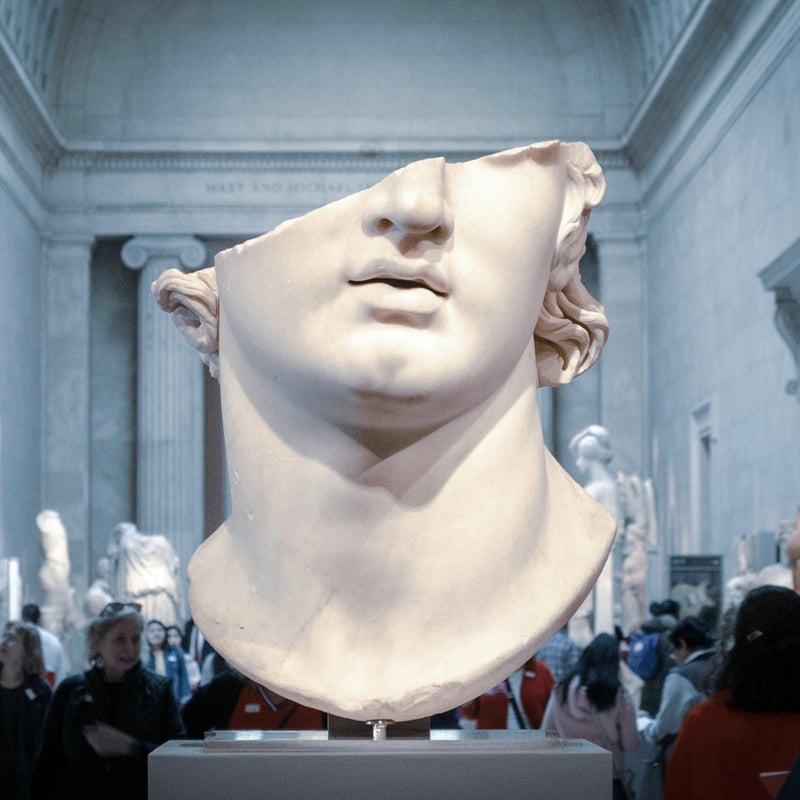
Popular, Collecting - July 23, 2025
Sculpture Care and Display: From Plinths to Pedestals in Your Home
Learn how to display and care for sculpture at home—from lighting tips to material care—so your art can truly shine in any space.Read More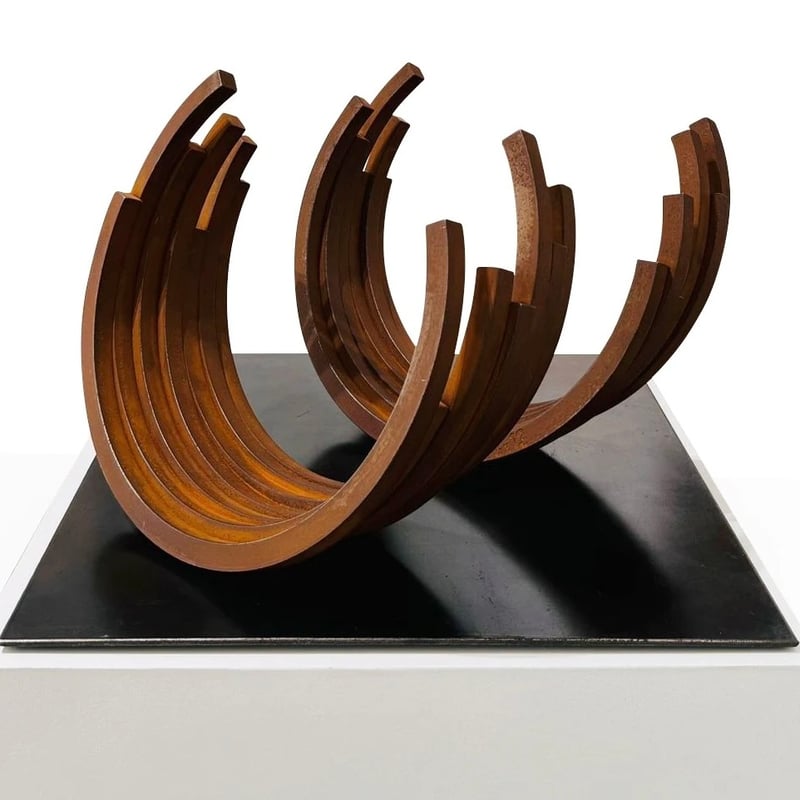
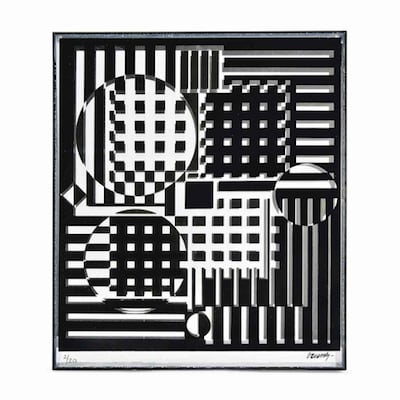
What is Op Art?
Op Art is a visual art style that uses optical illusions to create the impression of movement, vibrating patterns, flashing, or hidden images. The works are typically abstract, with many well-known pieces in black and white. The roots of Op Art can be traced back to earlier movements like Futurism, Constructivism, Dada, and Neo-Impressionism, particularly in their use of color effects and graphic design.