Venezuela
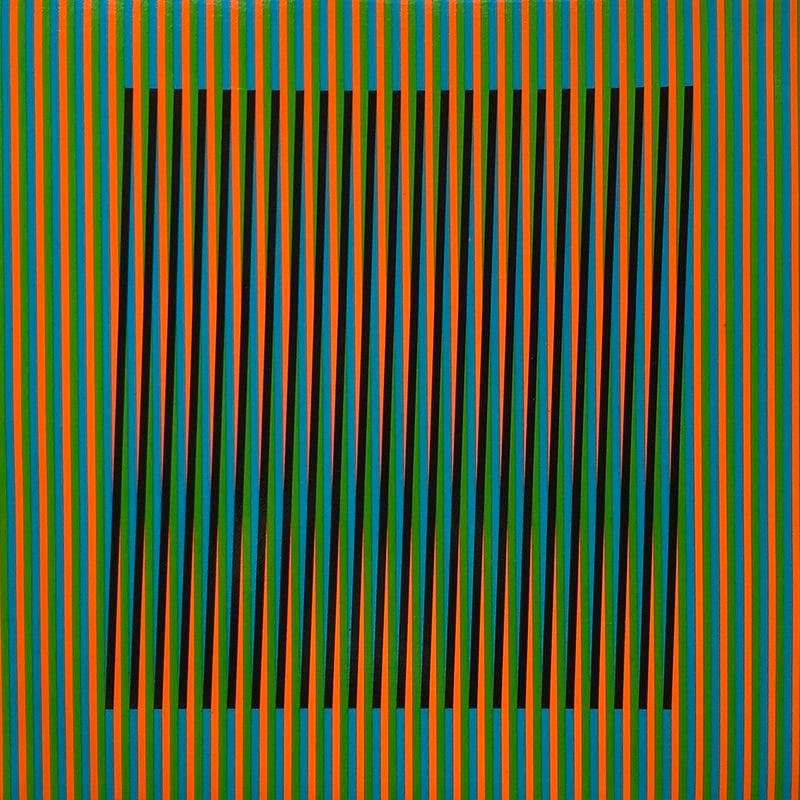
Venezuela's contemporary art is a vibrant testament to the country's resilience and creativity amidst a backdrop of social and political turbulence. Artists like Carlos Cruz-Diez and Jesús Rafael Soto powerfully channel their experiences into works that traverse physical and digital realms. The Museo de Arte Contemporáneo in Caracas and the Centro de Arte Los Galpones showcase this dynamic art scene, hosting exhibitions that reflect the nation's diverse artistic voices. Engage more deeply with Venezuelan contemporary art through Composition Gallery's curated collections, found on our website.
Notable Artists from venezuela
From Caracas to Paris and back
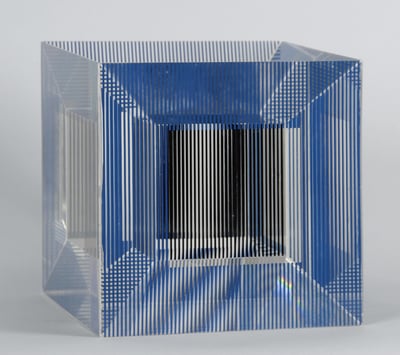
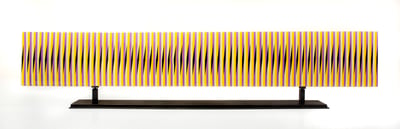
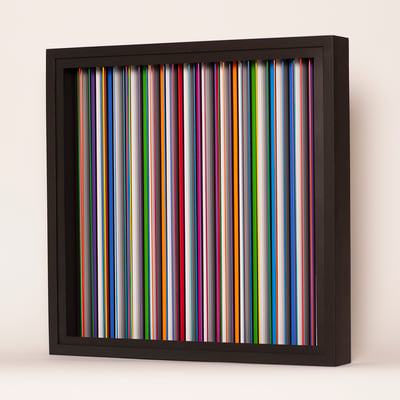
Venezuela occupies an outsized place in twentieth-century art history for one reason above all: kinetic and optical abstraction. In the years after the Second World War, a generation of Venezuelan artists — among them Jesús Rafael Soto, Carlos Cruz-Diez and Alejandro Otero — left for Paris, rejecting the figurative and landscape traditions then dominant at home. The group known as Los Disidentes, formed in Paris in 1950, argued that a modernizing, oil-rich Venezuela deserved an art of equal ambition: geometric, experimental and international.
What followed reshaped both continents. Soto's vibrating wire constructions and moiré screens, Cruz-Diez's Physichromies and colour-saturated environments, and Otero's rhythmic Colorritmos made Venezuelans central figures in European kineticism. Crucially, this art also returned home at monumental scale. Architect Carlos Raúl Villanueva's Ciudad Universitaria de Caracas, now a UNESCO World Heritage Site, integrated works by Otero, Fernand Léger, Alexander Calder and others into everyday public space — one of the most complete syntheses of art and architecture anywhere.
"Art is the sensible knowledge of the immaterial."
Jesús Rafael Soto
Beyond the kinetic canon
Venezuelan art is broader than its optical icons. Gego (Gertrud Goldschmidt), the German-born Caracas artist, built an entirely distinct body of work — her Reticuláreas, delicate hand-knotted wire nets suspended in space — that has been the subject of major retrospectives, including at the Guggenheim in New York. Armando Reverón, working decades earlier in near-white coastal light at Macuto, is increasingly recognized as one of Latin America's great modern painters.
Contemporary Venezuelan artists, many working from the diaspora, continue this experimental lineage while addressing the country's recent social and economic upheaval. For collectors, the key point is continuity: from Reverón's light to Soto's vibration to today's installation and video practices, Venezuelan art has consistently treated perception itself — how we see, and under what conditions — as its central subject. That conceptual coherence is part of what makes the field rewarding to collect in depth rather than piecemeal.
Editions, multiples and what to verify
The Venezuelan kinetic masters were prolific makers of editions, which makes this one of the more accessible entry points into blue-chip Latin American art. Cruz-Diez produced silkscreens and editioned Physichromie-type works alongside unique pieces; Soto made screenprints, embossed works and three-dimensional multiples, including the Jai-alai related series. Because optical effects can be imitated superficially, documentation matters more than usual. For Cruz-Diez, the artist's estate and foundation maintain records of authentic works; for Soto, provenance tracing back to recognized galleries or the artist's studio is the standard reassurance. Always confirm edition size, numbering and whether a work is signed in plate or by hand — the price difference can be substantial.
Condition is the other decisive factor. Kinetic and optical works often rely on precise physical elements: painted lamellae, plexiglass sheets, suspended rods, silkscreened line patterns on transparent supports. Warped plexiglass, yellowed acrylic, bent wires or misaligned layers directly destroy the effect the work exists to produce. Restoration is possible but should be handled by specialists familiar with the artist's materials, and any replaced elements should be disclosed in writing.
Market context and living with the work
Prices for the major Venezuelan names strengthened considerably through the 2000s and 2010s as institutions — from Tate to MoMA and the Museum of Fine Arts, Houston, with its dedicated Latin American programme — deepened their holdings of kinetic and geometric abstraction. Gego's market and scholarly standing have risen sharply following her recent international retrospectives. Works with exhibition history or literature references command clear premiums.
Practically, these are works that reward careful placement. Many Sotos and Cruz-Diez pieces change as the viewer moves, so they need room to walk past, and consistent, glare-free lighting; direct sunlight will fade silkscreen inks and degrade acrylic over time. Frame optical prints with UV-filtering glazing and a spacer so nothing touches the printed surface. Handled well, these are stable, durable works — precise objects from artists who treated precision as a form of poetry.
Artworks Related to Venezuela
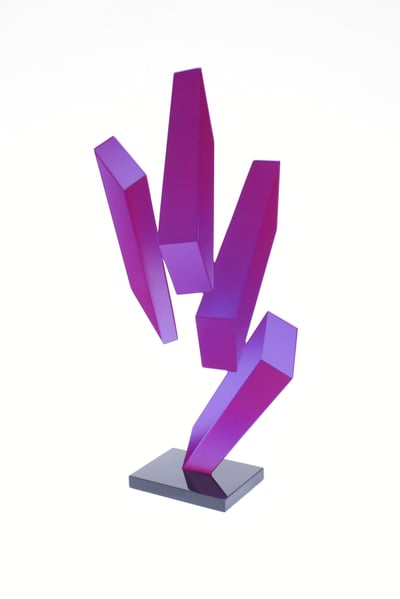
Rafael Barrios
Levitation 2, 2019
Sculpture / Object
Metal
EUR 5,000

Carlos Cruz-Diez
Couleur additive perseus 3, 2017
Limited Edition Print
Screen-print
EUR 5,000

Carlos Cruz-Diez
Couleur additive perseus 2, 2017
Limited Edition Print
Screen-print
EUR 5,000
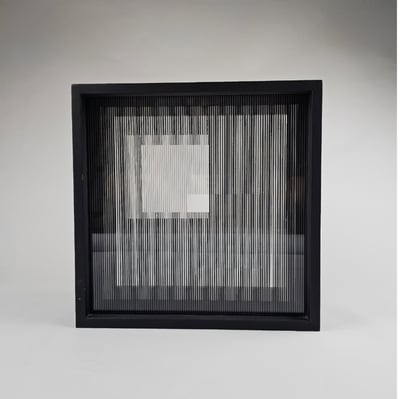
Rafael Jesus Soto
Kinetic Box, 1964
Sculpture / Object
Screen-print
USD 22,000

Carlos Cruz-Diez
Composition '5 E'. Induction Chromatique, 1974
Limited Edition Print
Screen-print
USD 9,750

Carlos Cruz-Diez
Composition '4 D'. Couleur Additive, 1970
Limited Edition Print
Screen-print
USD 9,750
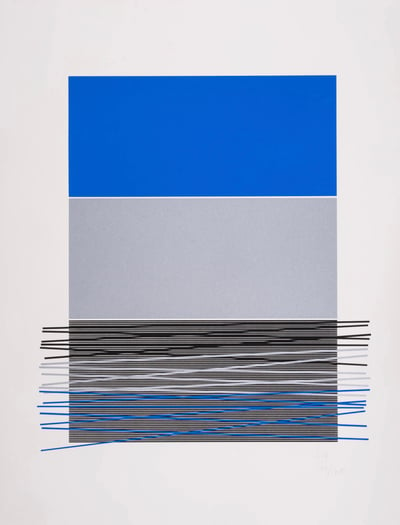
Rafael Jesus Soto
Untitled (Blue Horizon Lines), 1976
Limited Edition Print
Screen-print
USD 1,875
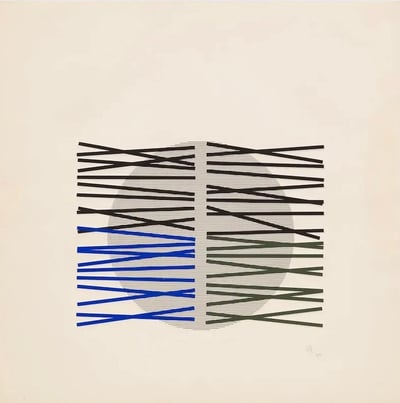
Rafael Jesus Soto
Untitled (circles and lines), 1970
Limited Edition Print
Screen-print
EUR 3,750
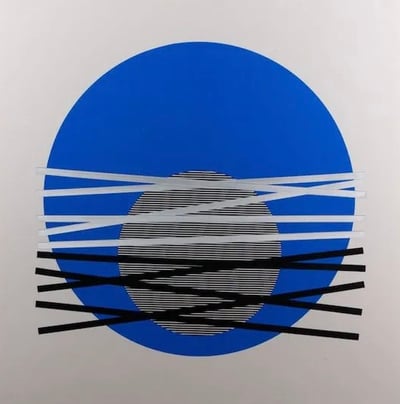
Rafael Jesus Soto
Composición, 1971
Limited Edition Print
Silkscreen
EUR 3,125
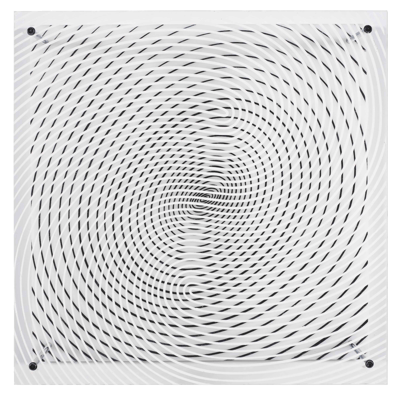
Rafael Jesus Soto
Espiral Doble, 1979
Sculpture / Object
Mixed Media
USD 8,950
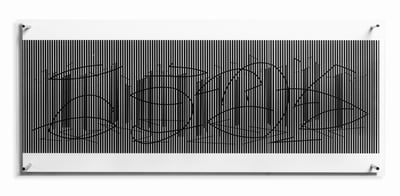
Rafael Jesus Soto
Escritura, 1979
Sculpture / Object
Mixed Media
Currently Not Available
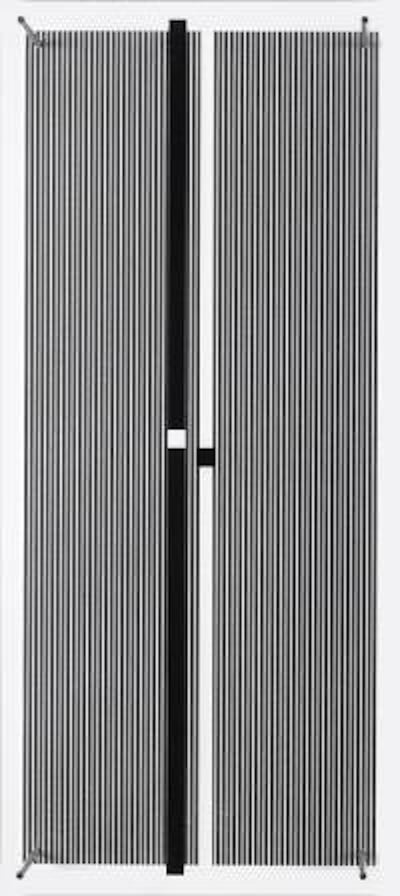
Rafael Jesus Soto
Permutacion, 1979
Sculpture / Object
Mixed Media
USD 8,950
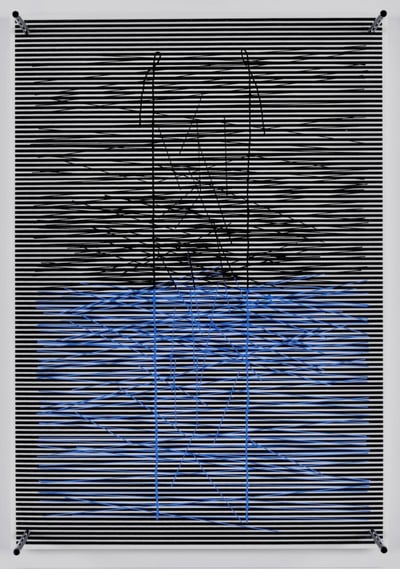
Rafael Jesus Soto
La Escalera Azul , 1979
Sculpture / Object
Mixed Media
USD 8,950
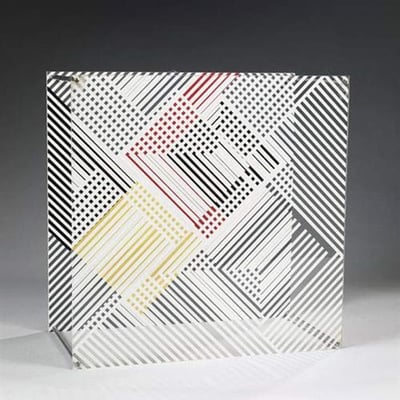
Rafael Jesus Soto
Sotomagie II, 1967
Sculpture / Object
Mixed Media
USD 8,950
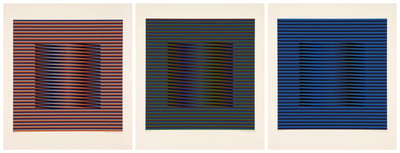
Carlos Cruz-Diez
ORANGE, VERTE y BLEU, 1977
Limited Edition Print
Screen-print
USD 17,250

Carlos Cruz-Diez
Chromointerference La Difference signed card, 2011
Limited Edition Print
Mixed Media
EUR 1,500
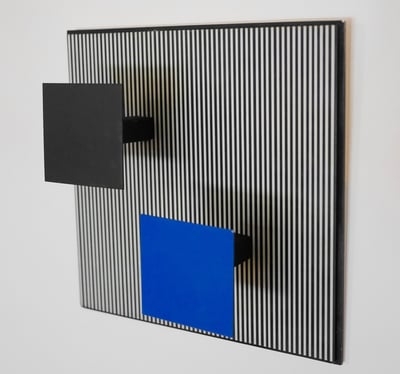
Rafael Jesus Soto
Dos Cuadraditos, 1972
Sculpture / Object
Object
Currently Not Available
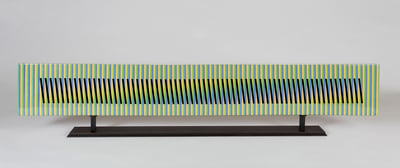
Carlos Cruz-Diez
Stèle horizontale 9, 2008
Ceramics
Ceramic
EUR 12,000
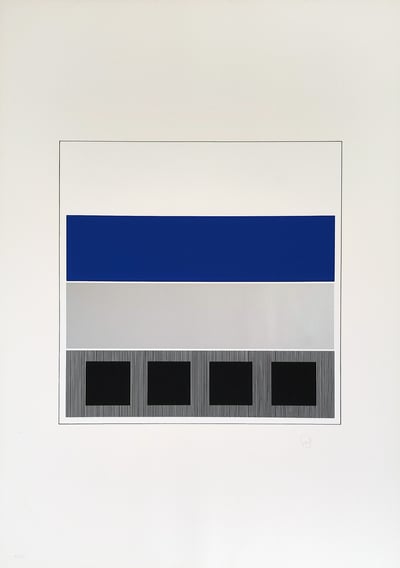
Rafael Jesus Soto
Caroni, 1971
Limited Edition Print
Silkscreen
EUR 1,270
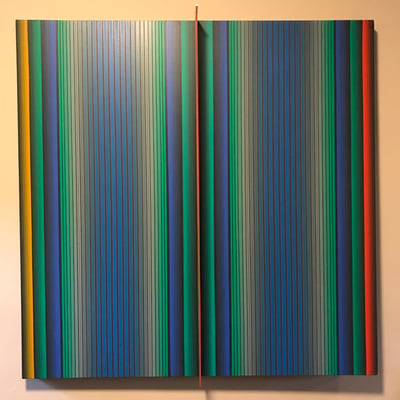
Dario Perez-Flores
Prochromatique 1241, 2020
Painting
Mixed Media
EUR 27,000
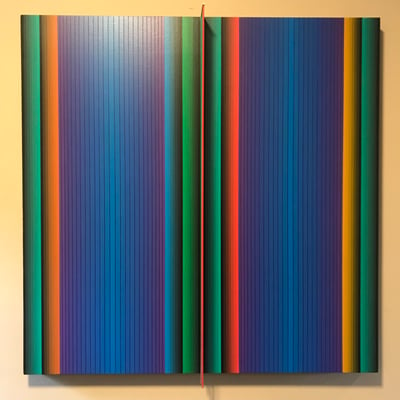
Dario Perez-Flores
Prochromatique 1240, 2022
Painting
Mixed Media
EUR 27,000
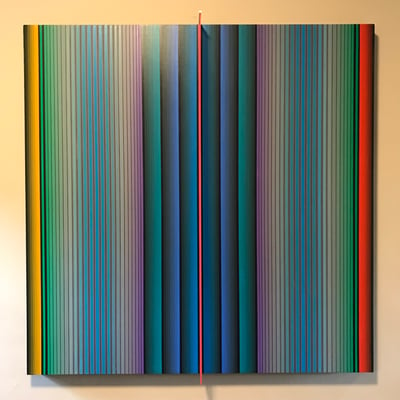
Dario Perez-Flores
Prochromatique 1138, 2020
Painting
Mixed Media
EUR 27,000
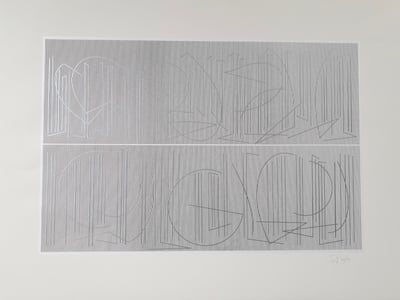
Rafael Jesus Soto
Untitled (Silver Lines)
Limited Edition Print
Screen-print
GBP 2,800
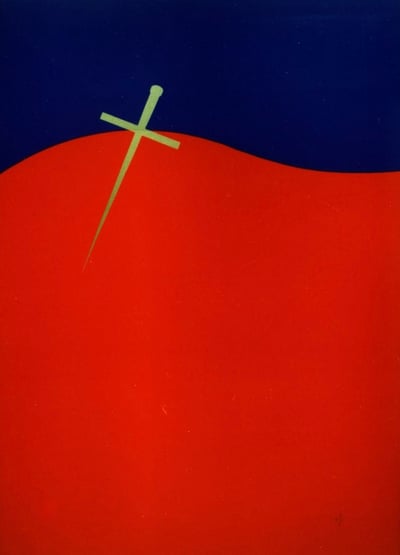
Rafael Jesus Soto
Homage to Federico Garcia Lorca, 1999
Limited Edition Print
Silkscreen
EUR 800
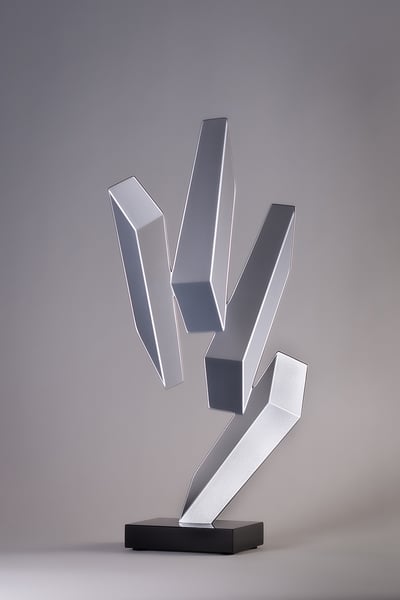
Rafael Barrios
Levitation III, 2019
Sculpture / Object
Metal
Currently Not Available
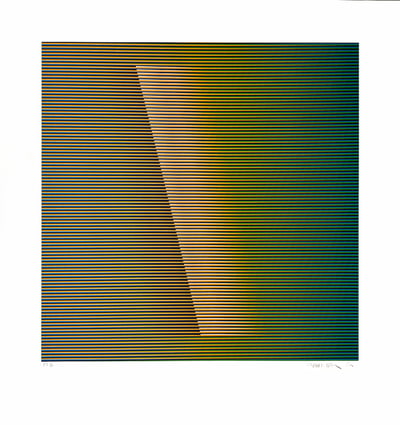
Carlos Cruz-Diez
Medellín 2, 2013
Limited Edition Print
Serigraph
EUR 5,990
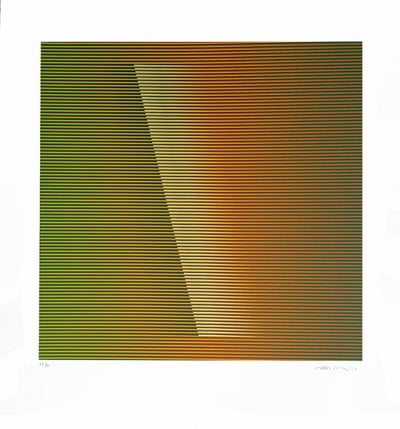
Carlos Cruz-Diez
Medellín 3, 2013
Limited Edition Print
Serigraph
EUR 5,990
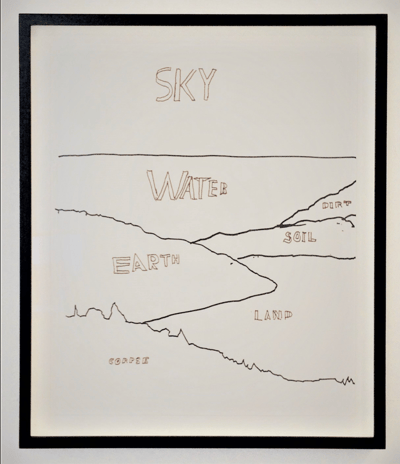
Luchita Hurtado
Untitled, 2019
Limited Edition Print
Aquatint
Currently Not Available
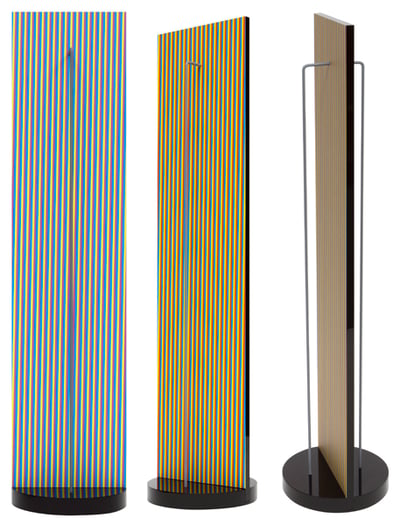
Carlos Cruz-Diez
Couleur à l’espace nova, 2012
Sculpture / Object
Object
EUR 9,000
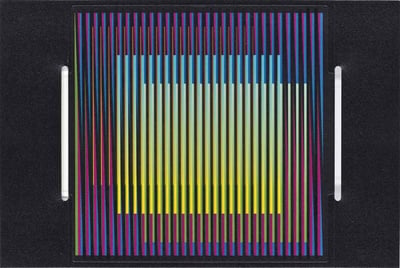
Carlos Cruz-Diez
Cromointerferencia manipulable feria estampa, 2011
Limited Edition Print
Object
EUR 5,000
Related Articles
Can't find your Answer?
Thank you! Your question has been sent — we'll get back to you shortly.
