

20 Terms Every Art Enthusiast Should Know

By Emilia Novak
Stepping into the art world can be exciting—yet the language can sometimes feel like a private club’s code. To help you feel more confident navigating galleries, auctions, or artist talks, here’s a glossary of 20 essential art terms every enthusiast should know.
1. Medium
The material used to create an artwork. Examples include oil on canvas, bronze, charcoal, digital video, or mixed media. Knowing the medium helps you understand the artist’s technique and the work’s physical nature.
2. Mixed Media
A work that incorporates more than one material or technique. For instance, a painting that also includes collage or found objects. It reflects the artist’s experimentation and often results in textured, layered works.
3. Original Artwork
A unique, one-of-a-kind work made by the artist’s own hand. Originals are distinguished from reproductions or copies and typically hold higher value.
4. Limited Edition
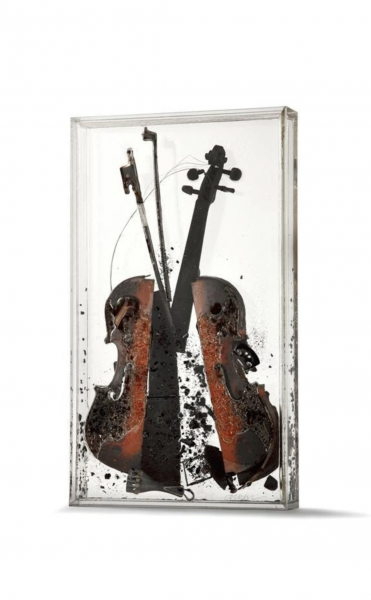
A fixed number of identical prints or sculptures produced by or under the supervision of the artist. Each piece is usually numbered (e.g., 12/100) and often signed. Once the edition is sold out, no more are made.
5. Artist’s Proof (Épreuve d’Artiste)
Marked “A.P.” or “E.A.”, these are prints made in addition to the regular edition, traditionally for the artist’s personal use. Though identical in quality to the standard edition, they are scarcer and often more valuable.
6. Giclée
A high-resolution inkjet print using archival pigment inks and fine art paper. It is a high-quality reproduction often used by contemporary artists for limited editions or open editions.

7. Serigraph (Silkscreen Print)
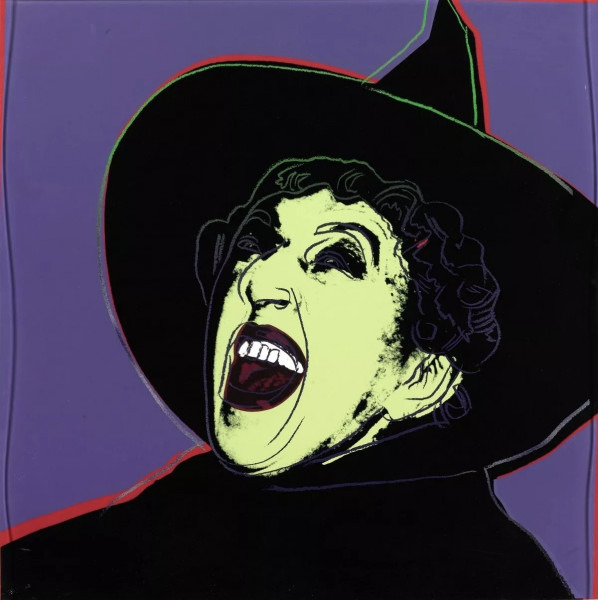
A type of print made by pressing ink through a screen onto a surface, using stencils to block certain areas. Known for vibrant, solid colors, and often associated with pop art and artists like Warhol.
8. Etching
A printmaking technique where lines are scratched into a metal plate, which is then treated with acid. The inked plate is pressed onto paper to produce a print with delicate, detailed lines.
9. Lithograph
A print made from a flat surface (typically stone or metal) treated so that ink adheres only to the drawn image areas. Artists like Picasso and Matisse used this method to create expressive prints.
10. Monotype
A one-of-a-kind print made by painting or inking directly onto a smooth surface, then transferring the image to paper. No two are alike; each monotype is essentially an original.
11. Plate Signed
A signature that appears within the image itself, as part of the original printing plate. It is printed on every copy rather than hand-signed and is common in older prints or mass-produced editions.
12. Monogram
A stylized motif formed from the artist’s initials, used as a signature or identifying mark. Famous historical artists often used monograms as a subtle signature.
13. Certificate of Authenticity (COA)
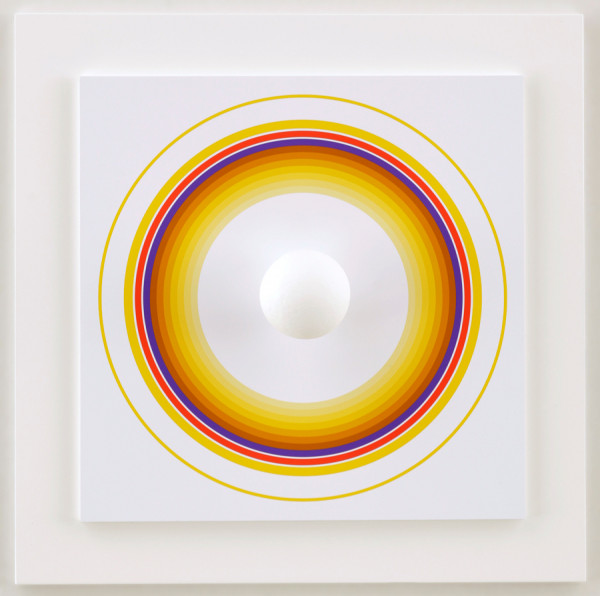
A document that confirms an artwork’s authenticity. It includes key information such as the artist, title, medium, dimensions, and edition number if applicable. Important for verifying provenance and value.
14. Provenance
The ownership history of an artwork. A well-documented provenance can enhance value and authenticity, especially for historical or high-value pieces.
15. Catalogue Raisonné
A comprehensive, scholarly listing of all known works by an artist. It’s an authoritative reference used to confirm authenticity and track an artwork’s place in the artist’s oeuvre.
 16. Diptych / Triptych
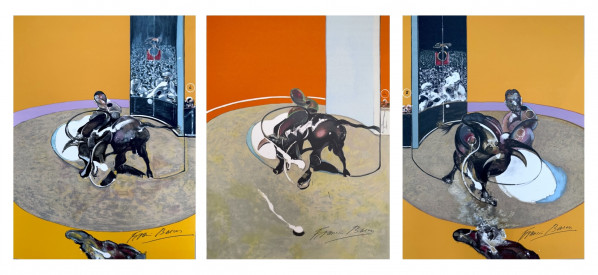
A diptych is an artwork consisting of two panels, while a triptych has three. The panels are related visually or thematically and are intended to be displayed together.
17. Recto / Verso
Recto refers to the front of a work on paper; verso is the back. This is useful when both sides of a drawing or print are of interest or contain content.
 18. Primary Market
The first sale of an artwork, typically directly from the artist or their gallery. The price is set by the artist, and it’s considered the work’s official market debut.
19. Secondary Market
All subsequent sales of an artwork after its initial purchase. Includes auctions, galleries, and private resales. Values in the secondary market reflect current demand and artist reputation.
20. Blue Chip (Art)
Describes artworks or artists with a strong market history, museum presence, and high value retention. Blue chip works are seen as reliable investments, though not without risk.
By understanding these essential terms, you can approach the art world with more clarity, whether you're collecting, browsing galleries, or simply enjoying the creative process behind each work.
By Emilia Novak
Stepping into the art world can be exciting—yet the language can sometimes feel like a private club’s code. To help you feel more confident navigating galleries, auctions, or artist talks, here’s a glossary of 20 essential art terms every enthusiast should know.
1. Medium
The material used to create an artwork. Examples include oil on canvas, bronze, charcoal, digital video, or mixed media. Knowing the medium helps you understand the artist’s technique and the work’s physical nature.
2. Mixed Media
A work that incorporates more than one material or technique. For instance, a painting that also includes collage or found objects. It reflects the artist’s experimentation and often results in textured, layered works.
3. Original Artwork
A unique, one-of-a-kind work made by the artist’s own hand. Originals are distinguished from reproductions or copies and typically hold higher value.
4. Limited Edition
A fixed number of identical prints or sculptures produced by or under the supervision of the artist. Each piece is usually numbered (e.g., 12/100) and often signed. Once the edition is sold out, no more are made.
5. Artist’s Proof (Épreuve d’Artiste)
Marked “A.P.” or “E.A.”, these are prints made in addition to the regular edition, traditionally for the artist’s personal use. Though identical in quality to the standard edition, they are scarcer and often more valuable.
6. Giclée
A high-resolution inkjet print using archival pigment inks and fine art paper. It is a high-quality reproduction often used by contemporary artists for limited editions or open editions.
7. Serigraph (Silkscreen Print)
A type of print made by pressing ink through a screen onto a surface, using stencils to block certain areas. Known for vibrant, solid colors, and often associated with pop art and artists like Warhol.
8. Etching
A printmaking technique where lines are scratched into a metal plate, which is then treated with acid. The inked plate is pressed onto paper to produce a print with delicate, detailed lines.
9. Lithograph
A print made from a flat surface (typically stone or metal) treated so that ink adheres only to the drawn image areas. Artists like Picasso and Matisse used this method to create expressive prints.
10. Monotype
A one-of-a-kind print made by painting or inking directly onto a smooth surface, then transferring the image to paper. No two are alike; each monotype is essentially an original.
11. Plate Signed
A signature that appears within the image itself, as part of the original printing plate. It is printed on every copy rather than hand-signed and is common in older prints or mass-produced editions.
12. Monogram
A stylized motif formed from the artist’s initials, used as a signature or identifying mark. Famous historical artists often used monograms as a subtle signature.
13. Certificate of Authenticity (COA)
A document that confirms an artwork’s authenticity. It includes key information such as the artist, title, medium, dimensions, and edition number if applicable. Important for verifying provenance and value.
14. Provenance
The ownership history of an artwork. A well-documented provenance can enhance value and authenticity, especially for historical or high-value pieces.
15. Catalogue Raisonné
A comprehensive, scholarly listing of all known works by an artist. It’s an authoritative reference used to confirm authenticity and track an artwork’s place in the artist’s oeuvre.
A diptych is an artwork consisting of two panels, while a triptych has three. The panels are related visually or thematically and are intended to be displayed together.
17. Recto / Verso
Recto refers to the front of a work on paper; verso is the back. This is useful when both sides of a drawing or print are of interest or contain content.
The first sale of an artwork, typically directly from the artist or their gallery. The price is set by the artist, and it’s considered the work’s official market debut.
19. Secondary Market
All subsequent sales of an artwork after its initial purchase. Includes auctions, galleries, and private resales. Values in the secondary market reflect current demand and artist reputation.
20. Blue Chip (Art)
Describes artworks or artists with a strong market history, museum presence, and high value retention. Blue chip works are seen as reliable investments, though not without risk.
By understanding these essential terms, you can approach the art world with more clarity, whether you're collecting, browsing galleries, or simply enjoying the creative process behind each work.


Related Articles

Collecting - October 11, 2023
Edition Numbers Unveiled: Is Lower Really Better?
Uncover the truth about edition numbers in print art. Learn how modern techniques ensure quality and why the myth of lower numbers holds less weight today. Read More

Related Artworks You Might Like

James Rosenquist
Where The Water Goes (from The Welcome To The Water Planet), 1989
Limited Edition Print
Collage
Inquire For Price

Eduardo Chillida
Against Torture , 1993
Limited Edition Print
Etching
EUR 4,500

Alberto Giacometti
La Mère De L'artiste Lisant Sous La Lampe à Stampa III, 1963
Limited Edition Print
Lithograph
USD 6,700