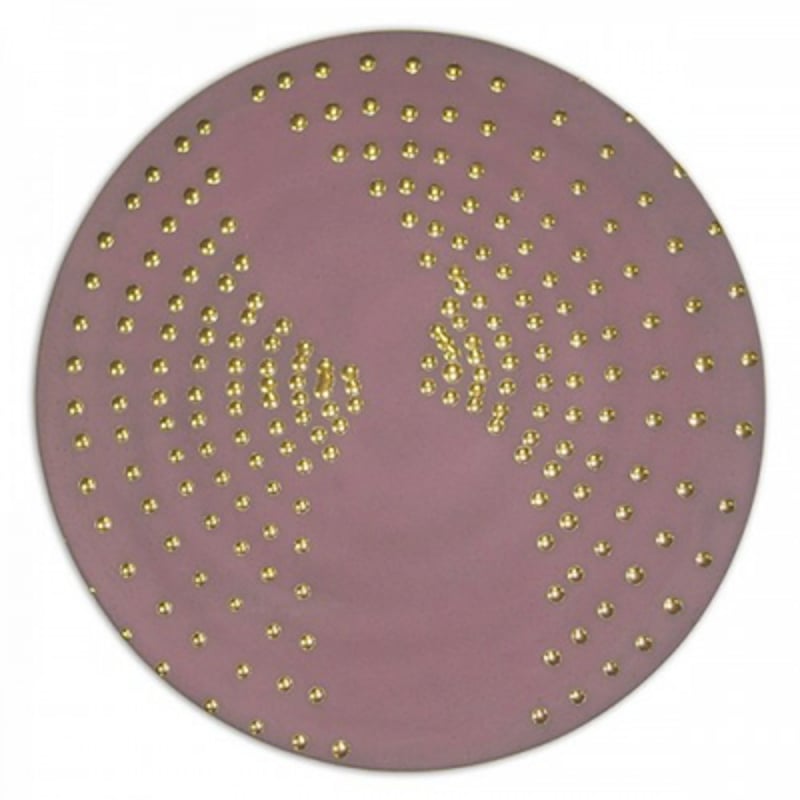
What is the Zero Movement?
ZERO was an art movement founded by Otto Piene and Heinz Mack, aiming to develop into a large international and cross-border movement. The name ZERO originated from a magazine founded by Heinz Mack in 1957, which became a platform for the group's ideas. The magazine was published for several years before ceasing in 1967. The ZERO movement sought to create a new beginning in art, emphasizing light, space, and movement, and became influential in post-war European art.
- Show All
- Established
- Discoveries
- Show All
Artworks Related to Zero Movement
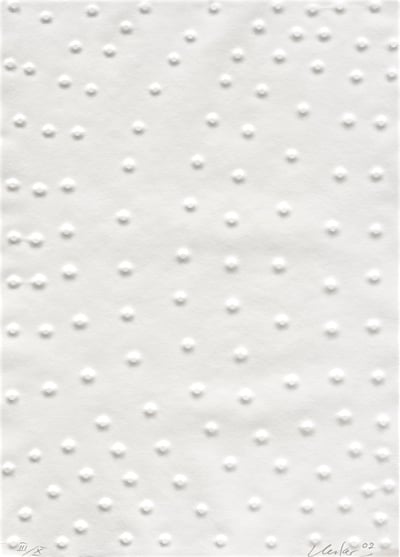
Gunther Uecker
Graphein III, Ahirom von Byblos, 2002
Limited Edition Print
Embossing
EUR 12,000
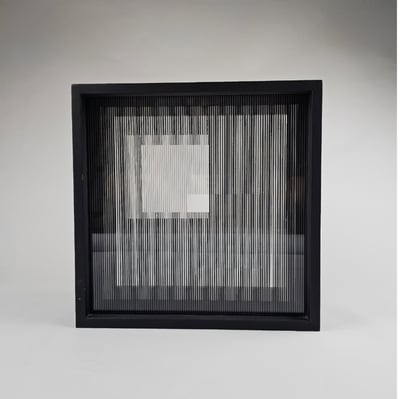
Rafael Jesus Soto
Kinetic Box, 1964
Sculpture / Object
Screen-print
USD 22,000
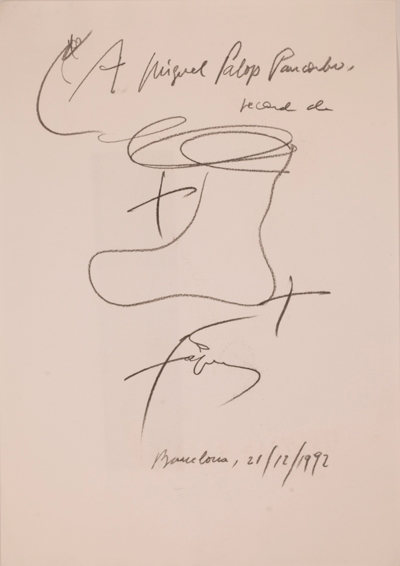
Antoni Tapies
Untitled (Calligraphic Loop Form), 1992
Drawing / Watercolor
Graphite
EUR 4,950
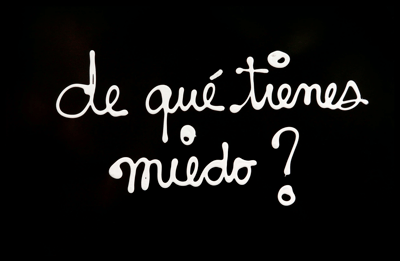
Ben Vautier
De qué tienes miedo?, 2006
Limited Edition Print
Screen-print
EUR 2,500
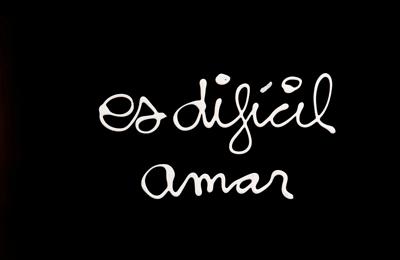
Ben Vautier
Es difícil amar, 2006
Limited Edition Print
Screen-print
EUR 2,500
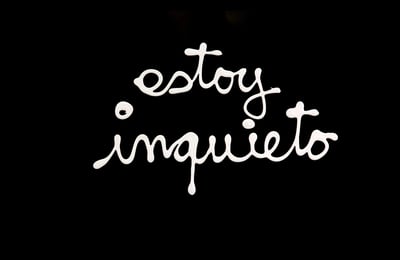
Ben Vautier
Estoy inquieto, 2006
Limited Edition Print
Screen-print
EUR 2,500
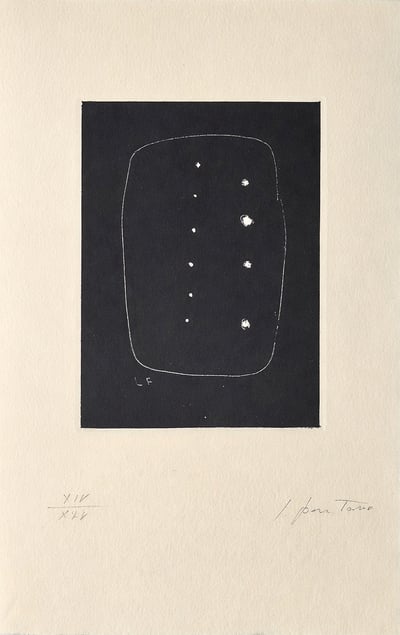
Lucio Fontana
Untitled from The International Avant-Garde (volume I), 1962
Limited Edition Print
Mixed Media
USD 8,150
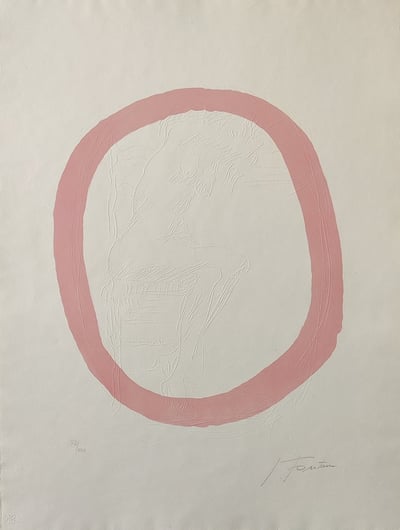
Lucio Fontana
Nudo rosa, 1967
Limited Edition Print
Mixed Media
USD 10,500
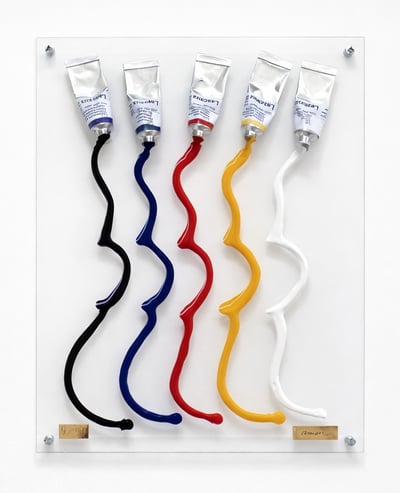
Fernandez Arman
Concerto de peinture, 1991
Sculpture / Object
Acrylic sculpture
EUR 5,000
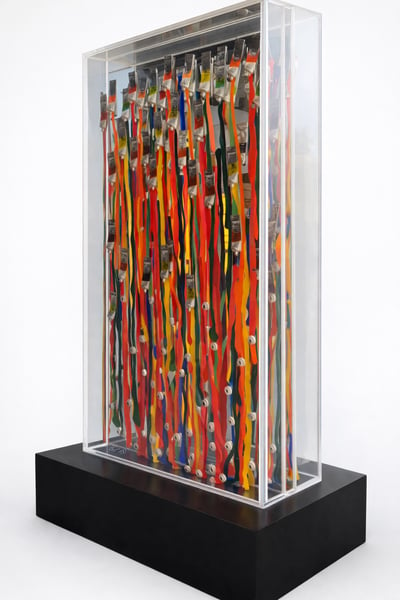
Fernandez Arman
Accumulation de tubes de peinture, 1975
Sculpture / Object
Mixed Media
EUR 12,900
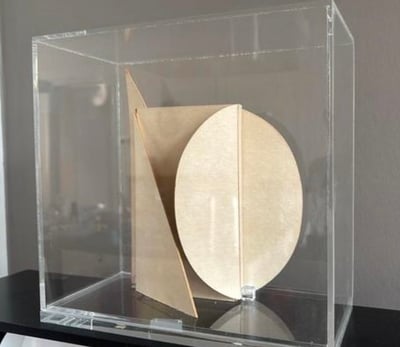
Walter Leblanc
Archetypes, 1985
Sculpture / Object
Mixed Media
EUR 15,000
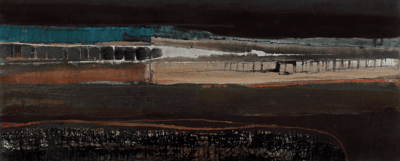
Walter Leblanc
Antwerp, 1958
Painting
Mixed Media
Inquire For Price
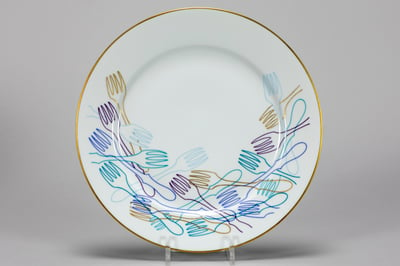
Fernandez Arman
Plate, 1992
Sculpture / Object
Plate
EUR 570
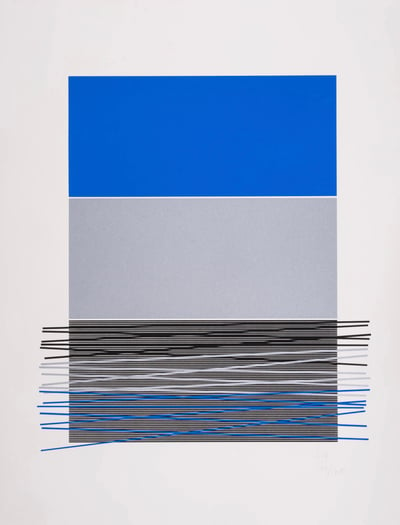
Rafael Jesus Soto
Untitled (Blue Horizon Lines), 1976
Limited Edition Print
Screen-print
USD 1,875
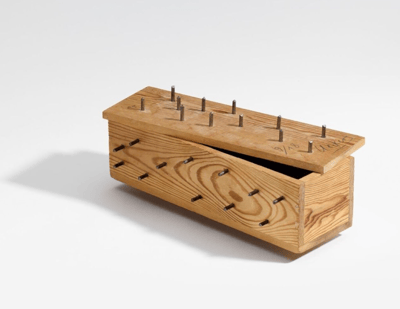
Gunther Uecker
Souvenir for Verheyen, 1989
Sculpture / Object
Mixed Media
GBP 15,000 - 20,000
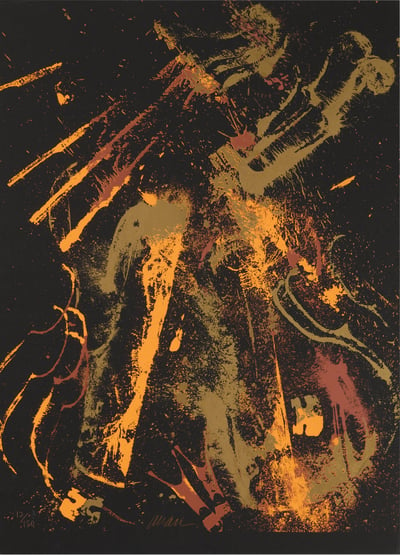
Fernandez Arman
Romanticism in Gold, 1978
Limited Edition Print
Screen-print
Inquire For Price
Related Articles

Colour Field Painting is an abstract style characterized by large areas of a single color or simple, solid colors. The term was first used in the 1950s to describe the work of three American Abstract Expressionist painters—Barnett Newman, Mark Rothko, and Clyfford Still. Their work emphasized the emotional power of color and the creation of vast, meditative spaces through expansive color fields.
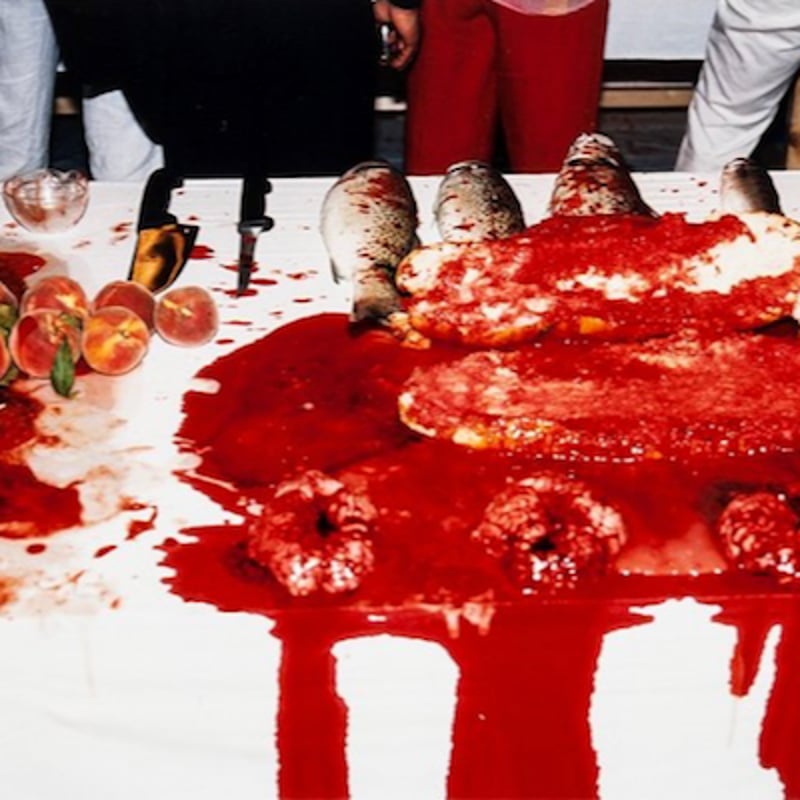
Viennese Actionism was a short-lived but intense art movement in the 20th century, emerging as part of the broader action art efforts of the 1960s. Known for its violent and provocative performances, the movement sought to break traditional art boundaries. Key figures in this movement included Arnulf Rainer and Hermann Nitsch.

Crayon is a French word that means pencil. In art, a crayon is a stick made of colored wax, chalk, charcoal, or clay used for drawing and coloring. Crayons are typically made from paraffin wax, which is derived from petroleum, coal, or wood. Types of crayons include wax crayons, pastel crayons, and oil pastels.
Can't find your Answer?
Thank you! Your question has been sent — we'll get back to you shortly.
