The ZERO Movement: Collecting Günther Uecker and the Art of a New Beginning
By Emilia Novak
In 1957, while Düsseldorf was still rebuilding after the destruction of the Second World War, Heinz Mack and Otto Piene began organizing one-evening exhibitions in their studio. The name ZERO emerged the following year with the first issue of their journal.
ZERO did not represent nihilism or an empty endpoint. Mack and Piene used the idea of zero as a new beginning: the silent moment before a launch, when the past has been cleared away and new possibilities can emerge.
Günther Uecker joined the group in 1961. Together, Mack, Piene and Uecker formed the Düsseldorf core of what became one of postwar Europe’s most extensive international artist networks.
The group ended its activities in 1966. Its art-historical importance and international visibility have continued to grow.
What was ZERO?
ZERO’s proposition was radical in its apparent simplicity: begin again.
In the aftermath of the war, the emotional gestures and individual subjectivity associated with Art Informel and other dominant forms of abstraction felt inadequate to these artists. ZERO explored a different visual language built around light, movement, repetition, seriality and elemental materials.
Piene experimented with smoke, fire and projected light, eventually developing his celebrated light ballets. Mack created reflective reliefs and sculptures that transformed light into a material, later taking his work beyond the traditional gallery setting and into desert landscapes. Uecker used nails, cloth, wood and everyday objects to create surfaces that change continuously according to the position of the viewer and the direction of the light.
The movement was never confined to three artists in Düsseldorf. ZERO developed through exhibitions, publications, correspondence and personal relationships connecting artists across Europe.
Its wider network included figures such as Yves Klein in Paris, Lucio Fontana and Piero Manzoni in Milan, as well as artists and affiliated groups in the Netherlands, Belgium, Italy and elsewhere. Rather than a tightly controlled movement with fixed membership, ZERO functioned as an open international exchange of related ideas.
This networked character is central to its importance. ZERO helped move European art away from the isolated studio gesture and toward light, space, participation, technology and the physical environment.
Its legacy has been reinforced through museum exhibitions and scholarship, including the Guggenheim Museum’s major survey ZERO: Countdown to Tomorrow, 1950s–60s. The ZERO foundation, established in Düsseldorf in 2008, preserves the archives of Mack, Piene and Uecker while supporting continued research into the wider network.
Why ZERO matters to collectors
ZERO combines firmly established institutional recognition with an unusually broad range of collecting possibilities.
Important paintings, reliefs and sculptures by its leading artists can command substantial prices. Prints, multiples and smaller objects, however, provide more accessible entry points into the movement.
These editions are not merely substitutes for unique works. At their best, they preserve ZERO’s fundamental concerns—light, movement, repetition and material transformation—in formats designed to exist in multiples.
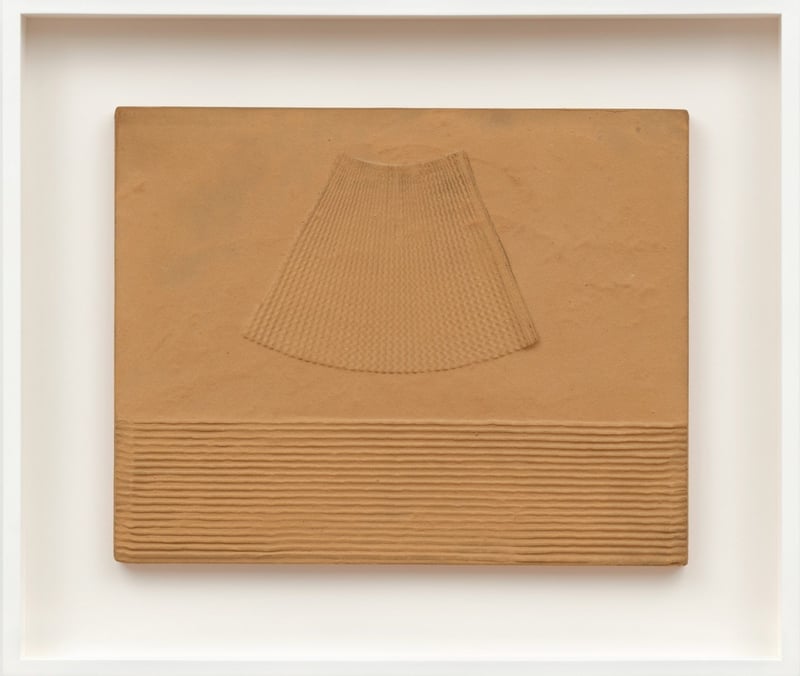
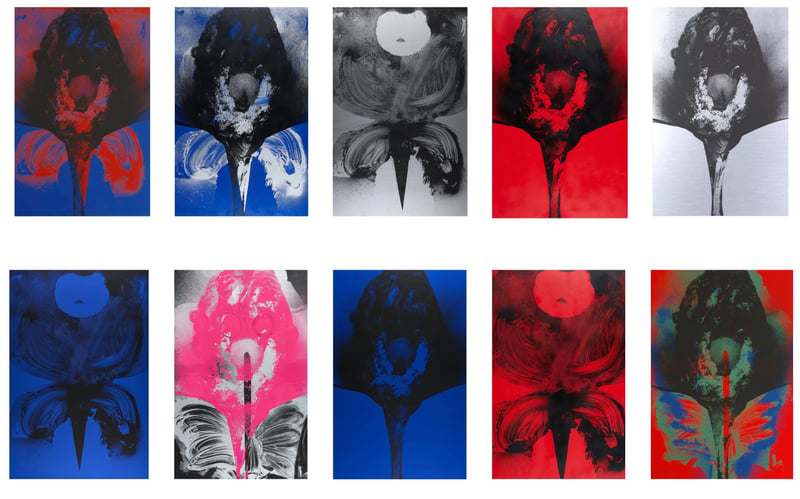
Uecker’s embossed prints translate the physical presence of his nail reliefs into paper. Mack’s graphic works explore reflective structures and rhythm. Piene’s editions carry the traces of light, smoke and fire central to his wider practice.
For collectors interested in European postwar art, ZERO therefore offers the possibility of building a coherent collection around a movement rather than pursuing isolated recognizable names.
Günther Uecker: the nail as a visual language
Of ZERO’s three Düsseldorf core figures, Günther Uecker developed the most immediately recognizable visual vocabulary.
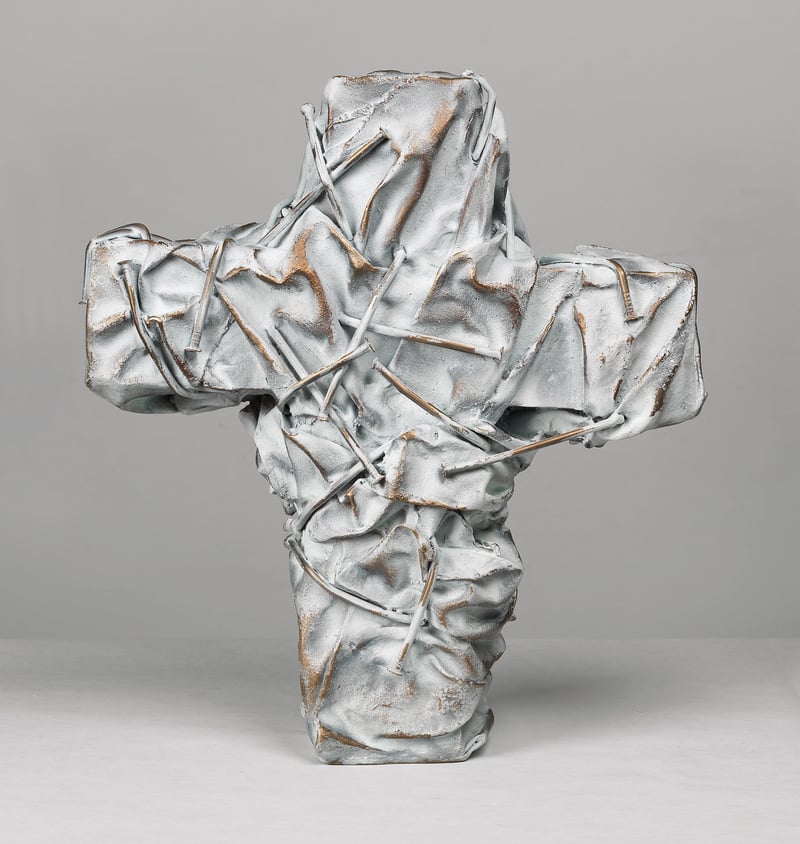
By the late 1950s, the nail had become central to his work. Uecker hammered nails into canvases, wooden panels, furniture, musical instruments and everyday objects. Arranged in fields, spirals, waves and irregular clusters, the nails transformed potentially aggressive materials into surfaces of rhythm and contemplation.
Each nail casts its own shadow. As the viewer moves, or as daylight changes, the work appears to shift. Solidity becomes movement; an industrial object becomes a carrier of light.
Uecker expanded this language through kinetic objects, installations, actions, stage designs, prints and books. His later work increasingly addressed injury, violence, memory, spiritual reflection and the possibility of healing.
He died on 10 June 2025 at the age of 95, bringing one of the major careers of European postwar art to a close. His completed oeuvre is now being considered in full through exhibitions, scholarship, cataloguing and estate work.
An artist’s death is not, by itself, a guarantee of market appreciation. Within Uecker’s market, artistic quality, rarity, condition, provenance and documentation remain more important than short-term speculation.
Collecting Uecker: where editions fit
Uecker was a serious and prolific maker of prints, portfolios, books and multiples. His editioned work carries many of the physical and conceptual qualities found in his unique reliefs.
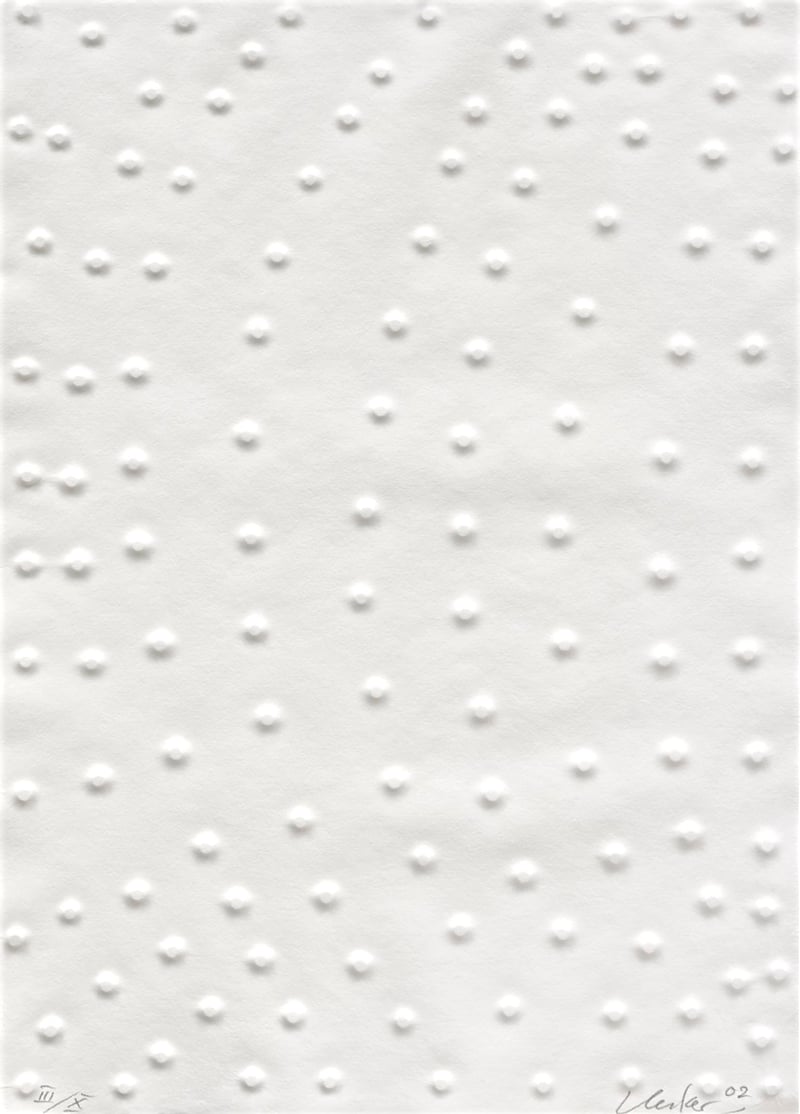
Embossing raises the surface of handmade paper, creating relief without the need for applied objects and allowing light and shadow to become active parts of the image. In other works, Uecker incorporated sand, nails, perforations and other tactile materials, extending the physical vocabulary of his sculptures into editioned form. For collectors, these works can offer a direct connection to the central ideas of his practice while remaining more accessible than his unique nail reliefs and sculptural objects.
Related Articles
Popular, Artists, Art Movements - February 29, 2024
The World's 10 Most Influential Street Artists: Urban Canvases
Explore the world’s most influential street artists who transformed urban landscapes. Discover their iconic works and lasting impact on contemporary art.Read More
Related Artworks You Might Like
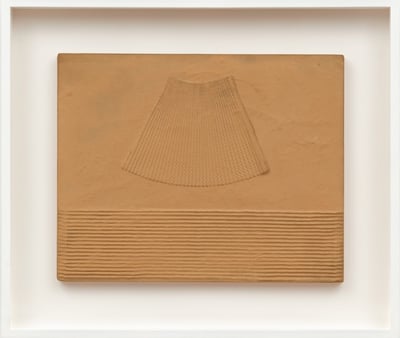
Heinz Mack
Sandflügel, 1976
Sculpture / Object
Mixed Media
Inquire For Price
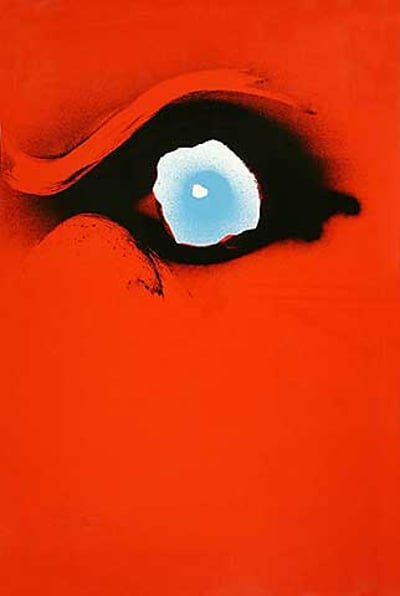
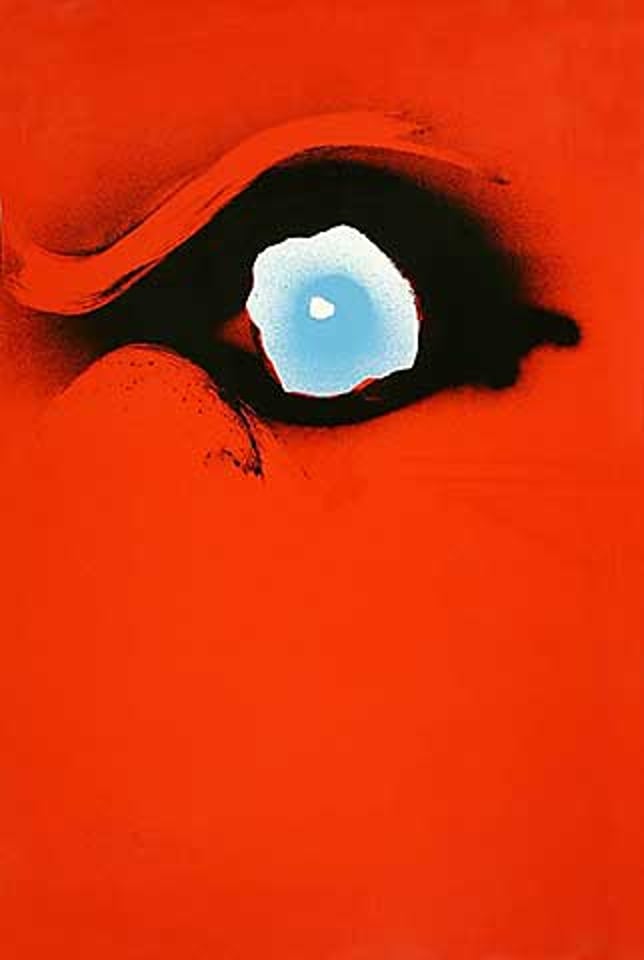
Otto Piene
Seuloeil (red), 1991
Limited Edition Print
Screen-print
EUR 2,600
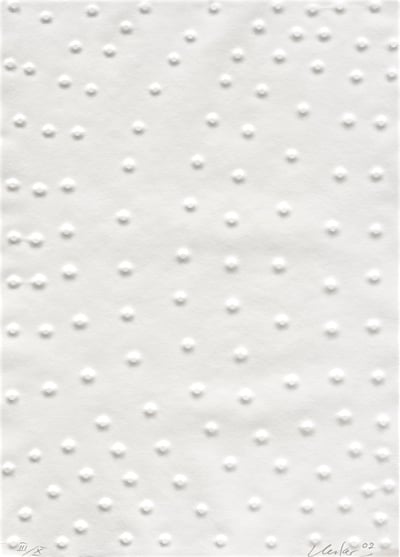
Gunther Uecker
Graphein III, Ahirom von Byblos, 2002
Limited Edition Print
Embossing
EUR 12,000
