
What is site specific art?
- Show All
- Established
- Discoveries
- Show All
Artworks Related to Site Specific Art
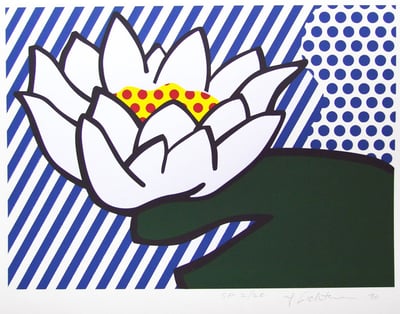
Roy Lichtenstein
Water Lily, 1993
Limited Edition Print
Screen-print
Currently Not Available

Dan Perjovschi
Calendar 2007, 2007
Limited Edition Print
Mixed Media
EUR 1,200
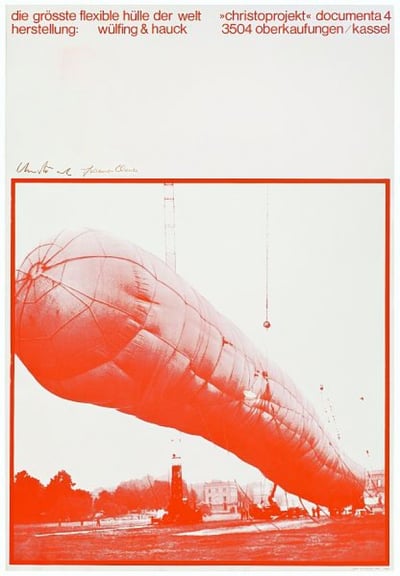
Javacheff Christo
5600 m3, Kassel, 1968
Limited Edition Print
Silkscreen
EUR 3,900
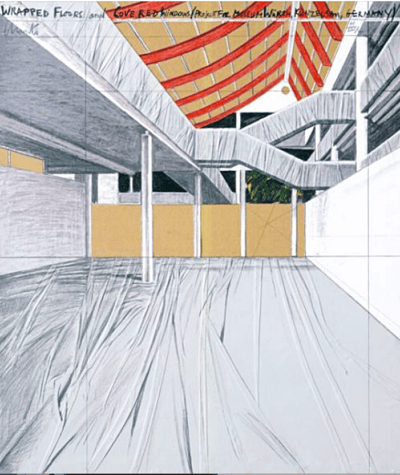
Javacheff Christo
Wrapped Floors and Covered Windows, Museum Würth, 1994
Limited Edition Print
Collage
EUR 9,800

Javacheff Christo
Toronto Edition, The Umbrellas, Japan, 1991 / 2006
Photography
Photograph
Currently Not Available
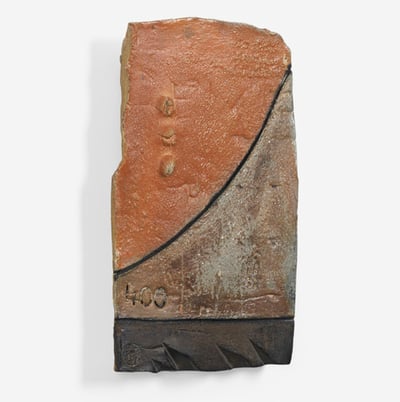
Theaster Gates
South Side Wall Sculpture
Ceramics
Ceramic
Currently Not Available

Karin Sander
Dieter Roth, Kinderbuch (1957), 2016
Drawing / Watercolor
Mixed Media
EUR 1,300
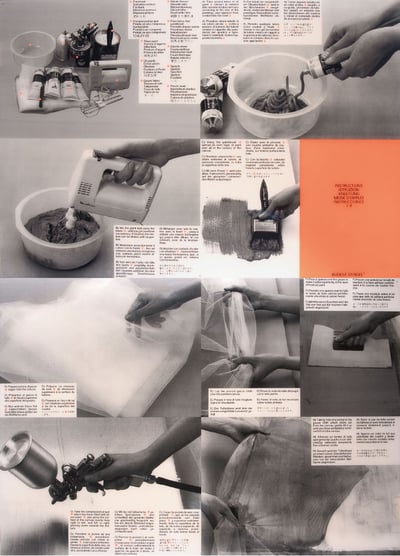
Rudolf Stingel
Instructions, 1989
Limited Edition Print
Silkscreen
Currently Not Available
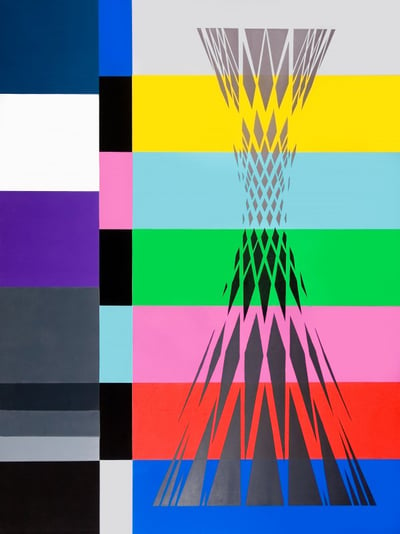
Rita McBride
Mae West, 2010
Limited Edition Print
Woodcut
EUR 15,000
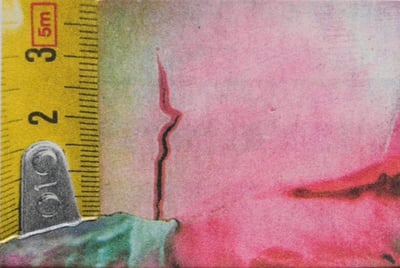
Rita McBride
Untitled (Rulers II), 2011
Photography
Photogravure
EUR 900
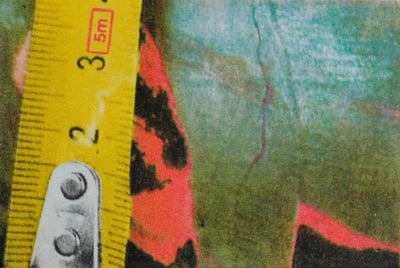
Rita McBride
Untitled (Rulers III), 2011
Photography
Photogravure
EUR 900
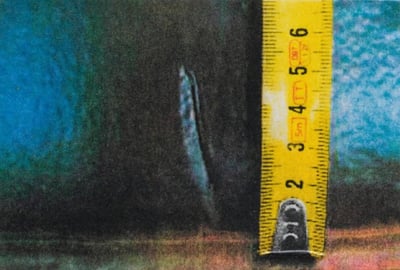
Rita McBride
Untitled (Rulers IV), 2011
Photography
Photogravure
EUR 900

Rita McBride
Blueprint, 2011
Limited Edition Print
Woodcut
Currently Not Available

Rita McBride
BINGO, 2014
Limited Edition Print
Offset Print
EUR 7,000
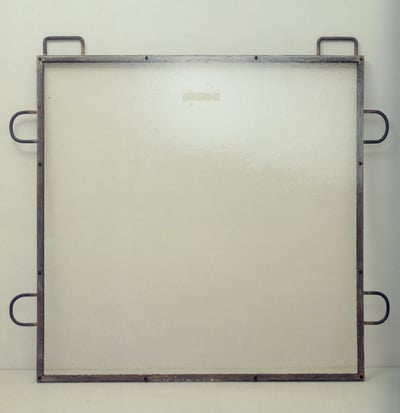
Jaume Plensa
Mondrian-21, 1995
Sculpture / Object
Metal
Inquire For Price
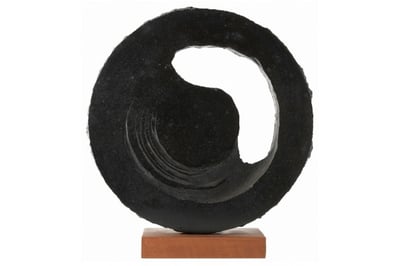
Nobuo Sekine
One Stroke Circle, 1974
Sculpture / Object
Acrylic sculpture
Currently Not Available
Related Articles



Graffiti art refers to drawings and writings that are painted, scratched, or scribbled on walls or other surfaces, typically in public spaces. This art form ranges from small tags to elaborate wall paintings. Graffiti has been in existence since ancient times, with examples dating back to the Roman Empire, Ancient Greece, and Ancient Egypt.
Digital print on canvas is a technology used to create fine art prints by reproducing digital photographs or artwork on canvas. The digital images are sent to professional printers that accurately capture variations in color and detail, resulting in high-quality canvas prints.
Dau Al Set was an artistic movement that sought to express both the conscious and unconscious mind through art. Initially an offshoot of Surrealism, it evolved into a distinct movement over time. Founded in Catalonia post-World War II, Dau Al Set was the first artistic movement in the region after the war. The name Dau Al Set translates to the seventh face of the dice in Catalan, symbolizing the movement's unique and unconventional character.
Can't find your Answer?
Thank you! Your question has been sent — we'll get back to you shortly.
