
What is site specific art?
- Show All
- Established
- Discoveries
- Show All
Artworks Related to Site Specific Art
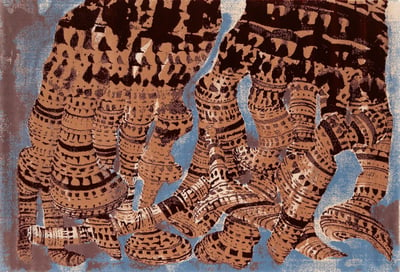
Tony Cragg
Form Code (III), 2006
Tapestry
Tapestry
EUR 4,800
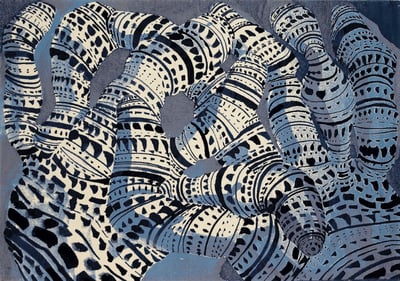
Tony Cragg
Form Code (Blue), 2006
Tapestry
Tapestry
EUR 10,000
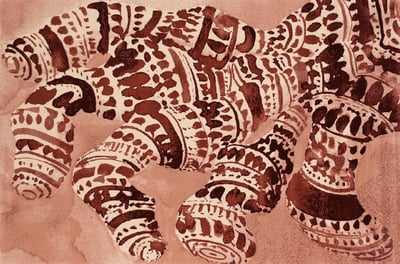
Tony Cragg
From Code (Red), 2006
Tapestry
Tapestry
EUR 7,500
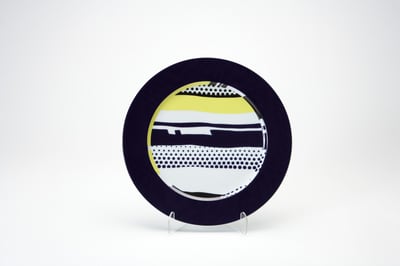
Roy Lichtenstein
Rosenthal plate 1, 2000
Sculpture / Object
Plate
EUR 700
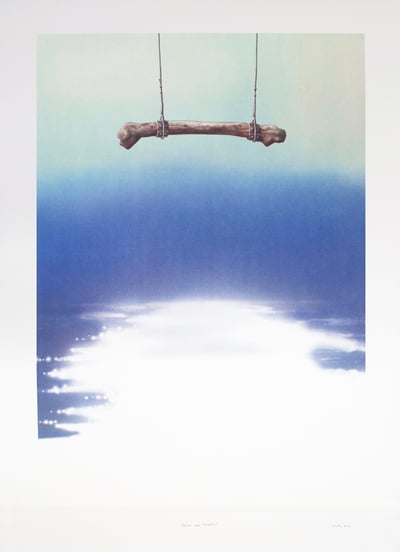
Adrián Villar Rojas
Poemas para terrestres, 2012
Limited Edition Print
Lithograph
EUR 900
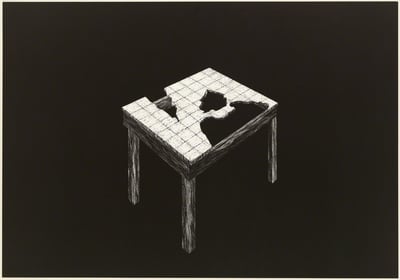
André Komatsu
Desapropriaçâo 2 , 2011
Limited Edition Print
Lithograph
EUR 700
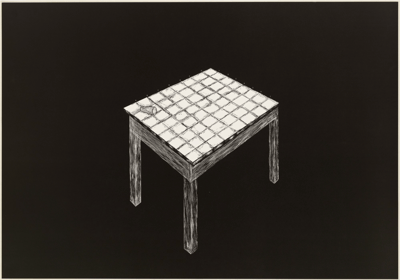
André Komatsu
Desapropriaçâo 3 , 2011
Limited Edition Print
Lithograph
EUR 700
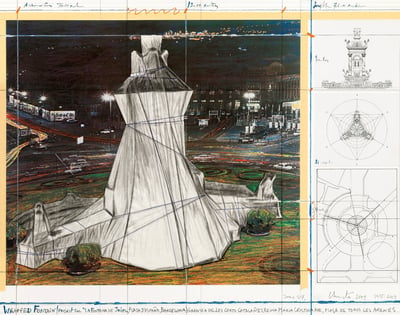
Javacheff Christo
Wrapped Fountain, 2009
Limited Edition Print
Collage
EUR 8,000
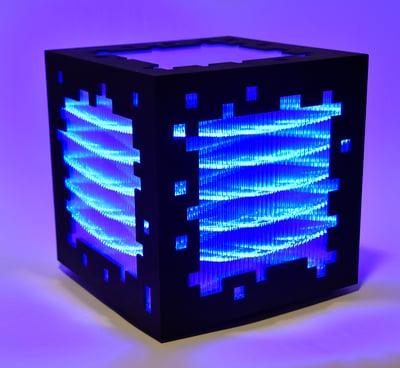
Miguel Chevalier
mini voxels light blue, 2015
Sculpture / Object
Mixed Media
EUR 4,500
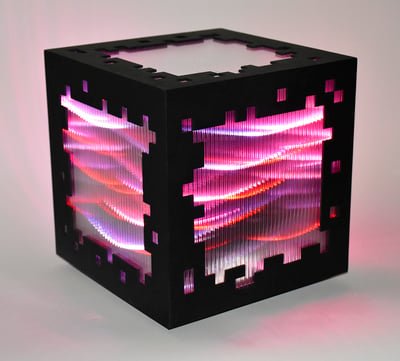
Miguel Chevalier
Mini voxels light red, 2015
Sculpture / Object
Mixed Media
EUR 4,500
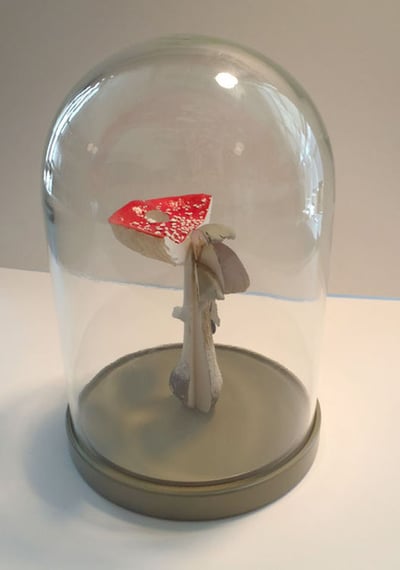
Carsten Holler
Multiple Mushroom Dome , 2012
Sculpture / Object
Mixed Media
Currently Not Available
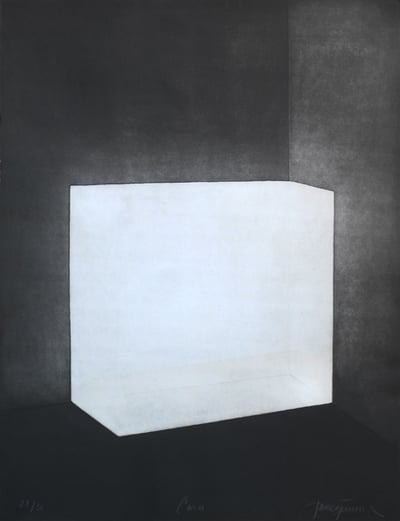
James Turrell
Carn, 1988
Limited Edition Print
Etching
Currently Not Available

Anish Kapoor
Moiré 1, 2015
Limited Edition Print
Etching
EUR 6,500

Anish Kapoor
Moiré 2, 2015
Limited Edition Print
Etching
EUR 6,500

Anish Kapoor
Moire 3, 2015
Limited Edition Print
Etching
Currently Not Available

Anish Kapoor
Moiré 4, 2015
Limited Edition Print
Etching
EUR 6,500
Related Articles
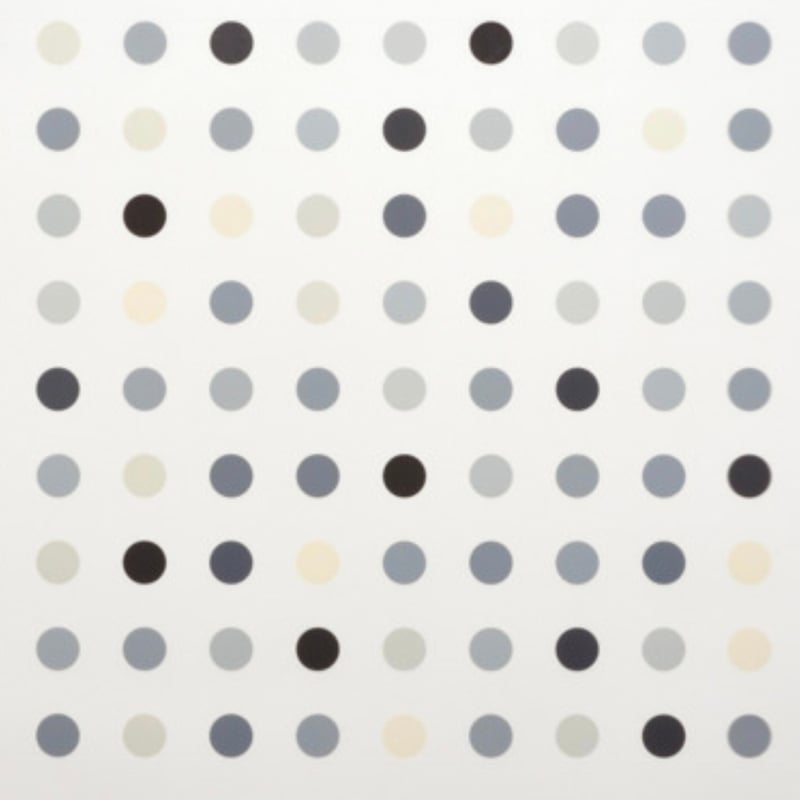
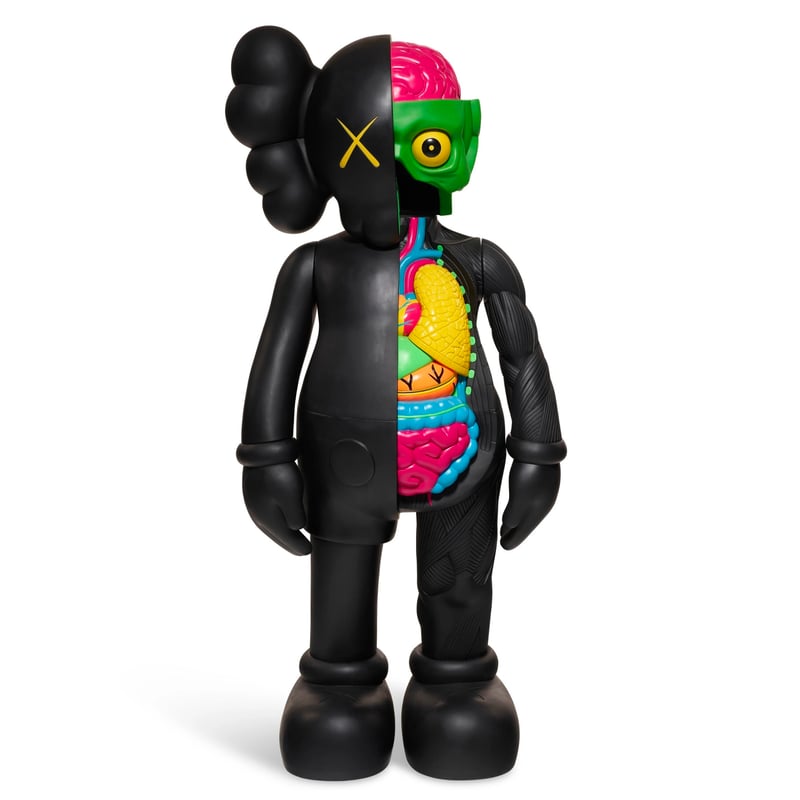

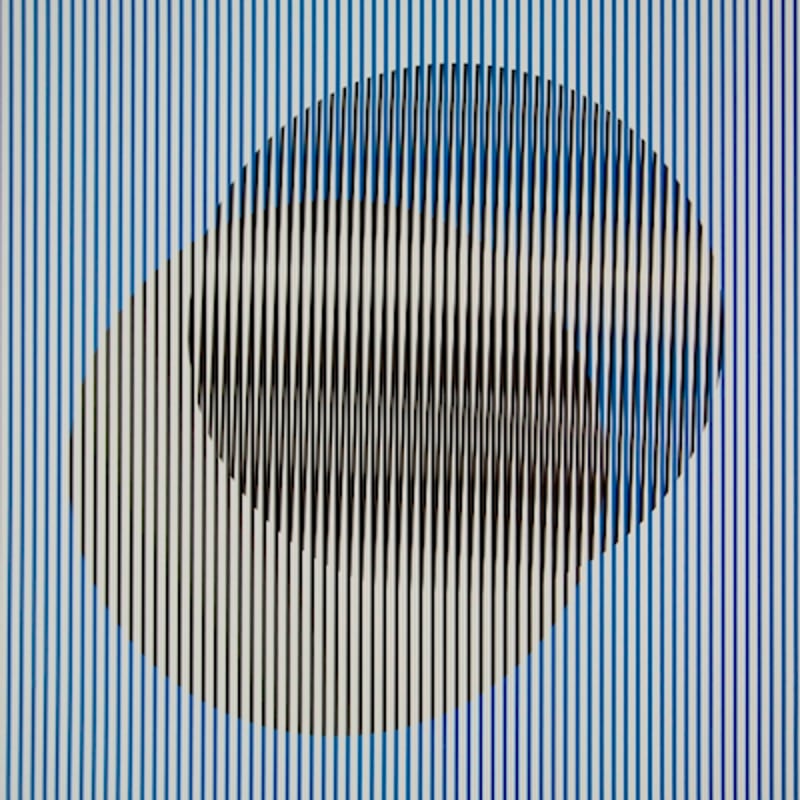
Latin American Art is a style which takes inspiration from its culture, society, politics, native traditions, religions and landscape. Op-Art and Kinetic Art figure prominently in Latin artworks. Colors in Latin American compositions are often bold. Latin American artists work in all media and movements.
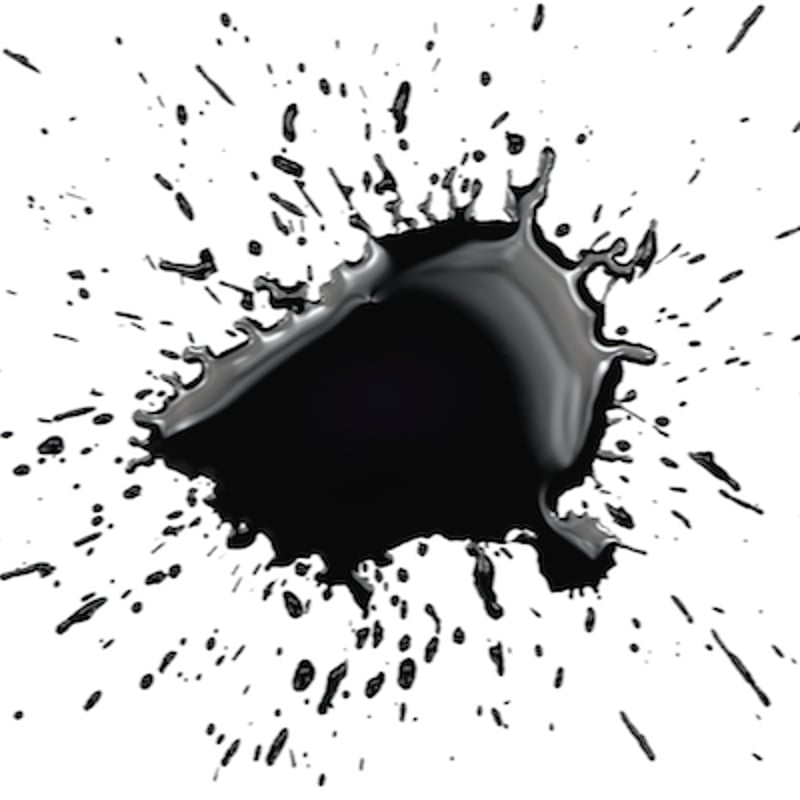
India ink is a medium made from fine soot, known as lampblack, combined with water and a binder, usually shellac, to create a black, waterproof ink. It has been used in India since the 4th century BC. Artists use India ink for writing, drawing, and painting due to its deep black color and permanence.
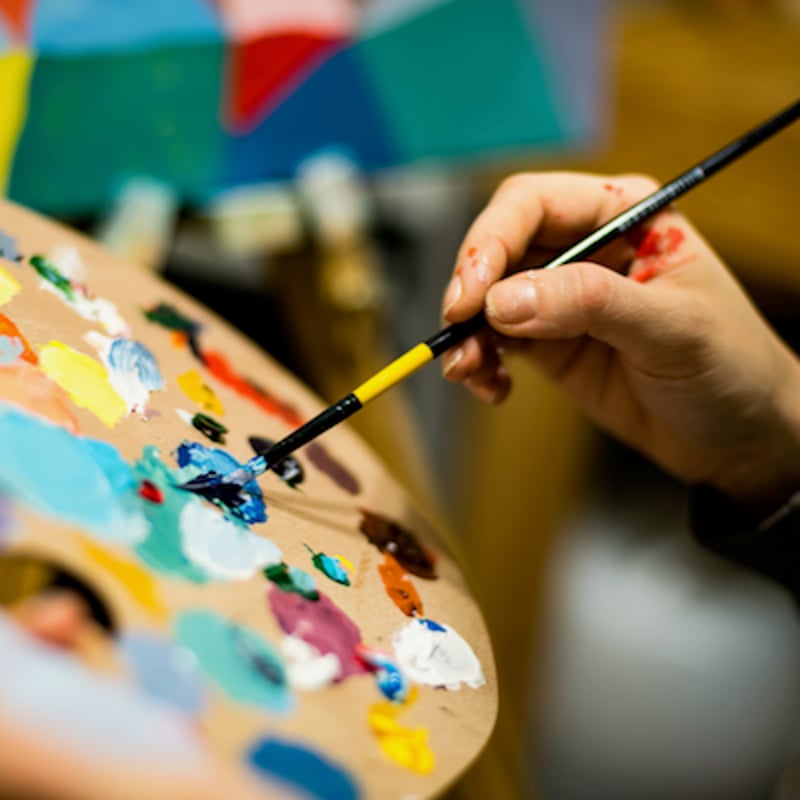
Acrylic paint is a fast-drying paint made from pigment suspended in an acrylic polymer emulsion. It is water-soluble when wet but becomes water-resistant once dry. Acrylic paints offer unique characteristics that are not easily achieved with other media, allowing for effects similar to both oil and watercolor paintings while providing their own distinct qualities.
Can't find your Answer?
Thank you! Your question has been sent — we'll get back to you shortly.
