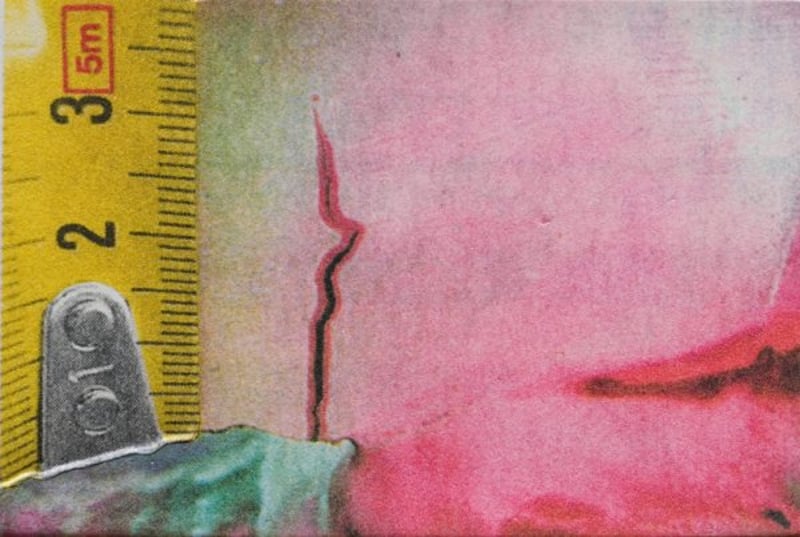
Photo gravure and emboss - 4 plates of 9,5 x 14 cm. - Printed on Zerkall-Butten, 450 gr. of 27 x 40 cm.
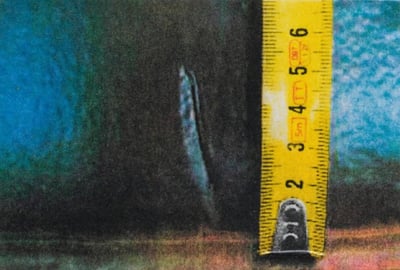
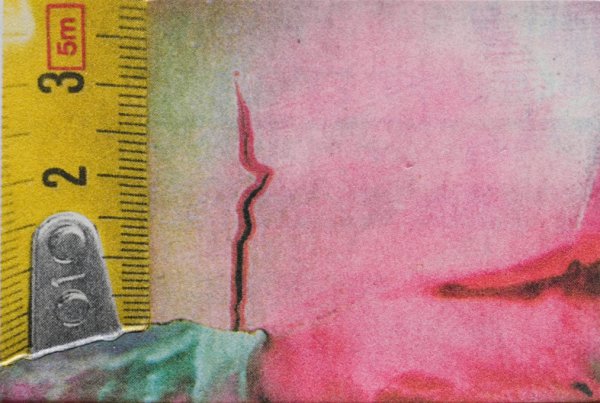
Untitled (Rulers II) by Rita McBride is a photogravure from 2011 that explores themes of measurement and perception. This work features a close-up of a ruler against a colorful, textured background, likely intended to juxtapose precision with abstraction. The ruler, marked with detailed measurements, is prominently positioned on the left side, creating a visual anchor in contrast to the organic forms and blurred hues on the right. McBride’s use of embossing on high-quality Zerkall-Butten paper emphasizes the tactile and material aspects of the image, blending technical elements with artistic abstraction. Limited to an edition of 11, this piece invites reflection on the relationship between exactitude and artistic expression.
Artwork Copyright © Rita McBrideRita McBride (USA, 1960) is a contemporary artist known for her large-scale architectural sculptures and public installations. Her works explore the intersection of art, design, and urban spaces, often using industrial materials like steel and fiberglass. McBride’s projects challenge conventional notions of functionality and aesthetics in modern environments.
Artwork Copyright © Rita McBrideUntitled (Rulers II), 2011
Form
Medium
Size
- Inches
- Centimeters
Edition
Price
- USD
- EUR
- GBP
- CHF
- Authenticity Guaranteed
- Insured Shipping
- Online Since 2005
●Inventory 3724
●Signed
●Comes with gallery invoice and certificate
●Sell Us a Similar Artwork. Learn more.
Photo gravure and emboss - 4 plates of 9,5 x 14 cm. - Printed on Zerkall-Butten, 450 gr. of 27 x 40 cm.
Untitled (Rulers II) by Rita McBride is a photogravure from 2011 that explores themes of measurement and perception. This work features a close-up of a ruler against a colorful, textured background, likely intended to juxtapose precision with abstraction. The ruler, marked with detailed measurements, is prominently positioned on the left side, creating a visual anchor in contrast to the organic forms and blurred hues on the right. McBride’s use of embossing on high-quality Zerkall-Butten paper emphasizes the tactile and material aspects of the image, blending technical elements with artistic abstraction. Limited to an edition of 11, this piece invites reflection on the relationship between exactitude and artistic expression.
Artwork Copyright © Rita McBrideRita McBride (USA, 1960) is a contemporary artist known for her large-scale architectural sculptures and public installations. Her works explore the intersection of art, design, and urban spaces, often using industrial materials like steel and fiberglass. McBride’s projects challenge conventional notions of functionality and aesthetics in modern environments.
Artwork Copyright © Rita McBrideAvailability
Size
Form
Medium
SORT BY
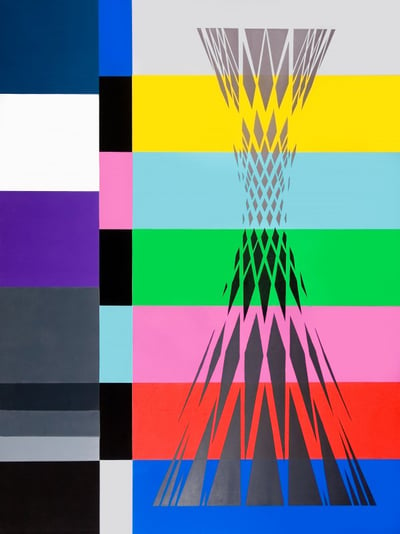
Rita McBride
Mae West, 2010
Limited Edition Print
Woodcut
EUR 15,000
Rita McBride
Untitled (Rulers II), 2011
Photography
Photogravure
EUR 900
Rita McBride
Untitled (Rulers III), 2011
Photography
Photogravure
EUR 900
Rita McBride
Untitled (Rulers IV), 2011
Photography
Photogravure
EUR 900
Rita McBride
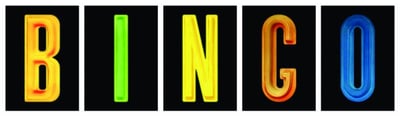
BINGO, 2014
Limited Edition Print
Offset Print
EUR 7,000
Rita McBride
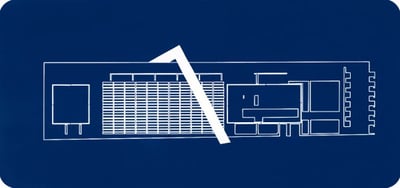
Blueprint, 2011
Limited Edition Print
Woodcut
Currently Not Available
Related Artists

Related Articles
Collecting - March 27, 2025
Collecting Photography: A Beginner’s Guide to Fine Art Photos
Learn how to collect fine art photography—from print types and editioning to care tips and top photographers like Adams, Sherman, and Gursky.Read More
Artwork by Laure Prouvost
What is Lettrism?
Lettrism is an art form that uses letters, words, and symbols to create artwork. The movement was established in Paris in the 1940s and later gained popularity in the 1950s in America. Lettrisme is the French spelling of the movement's name, derived from the French word for letter.
Rita McBride
Untitled (Rulers II), 2011
27 x 40 cm


