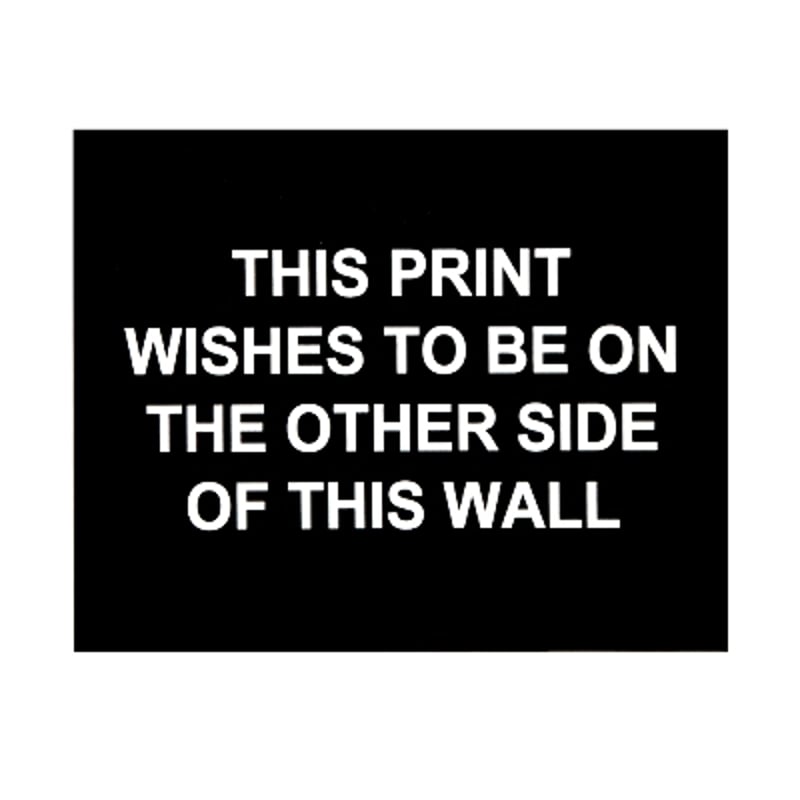
What is Lettrism?
- Show All
- Established
- Discoveries
- Show All
Artworks Related to Lettrism

Christopher Wool
Portraits (B&W) 4, 2014
Limited Edition Print
Lithograph
USD 6,000

Christopher Wool
Portraits (B&W) 5, 2014
Limited Edition Print
Lithograph
USD 6,000
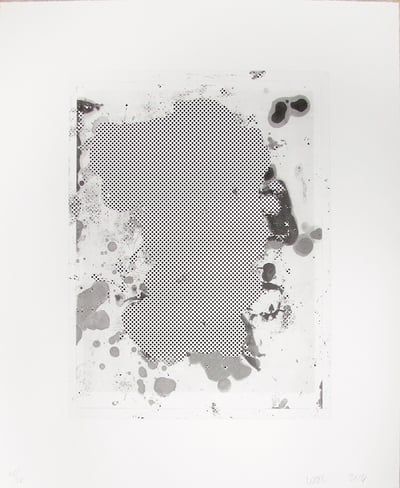
Christopher Wool
Portraits (B&W) 6, 2014
Limited Edition Print
Lithograph
USD 6,000
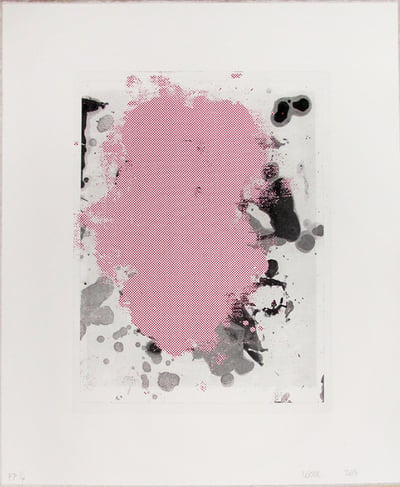
Christopher Wool
Portraits (Red) 1, 2014
Limited Edition Print
Lithograph
USD 9,500
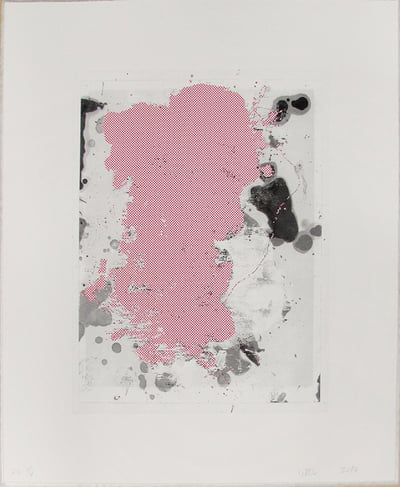
Christopher Wool
Portraits (Red) 2, 2014
Limited Edition Print
Lithograph
USD 9,500
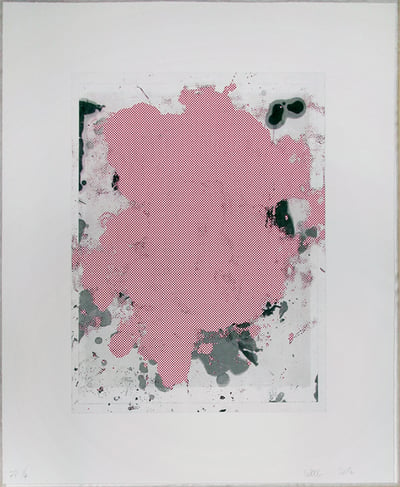
Christopher Wool
Portraits (Red) 3, 2014
Limited Edition Print
Lithograph
USD 9,500

Christopher Wool
Portraits (Red) 4, 2014
Limited Edition Print
Lithograph
USD 9,500

Christopher Wool
Portraits (Red) 5, 2014
Limited Edition Print
Lithograph
USD 9,500

Christopher Wool
Portraits (Red) 6, 2014
Limited Edition Print
Lithograph
USD 9,500
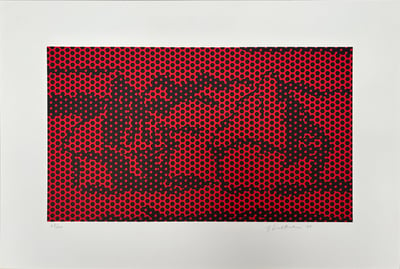
Roy Lichtenstein
Haystack #6, 1969
Limited Edition Print
Lithograph
USD 19,500

Yoshitomo Nara
Bow Wow Wow, 2015
Limited Edition Print
Woodcut
Currently Not Available
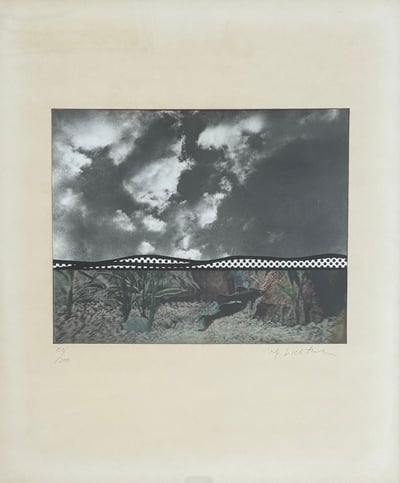
Roy Lichtenstein
Fish and Sky, 1967
Limited Edition Print
Mixed Media
EUR 10,200
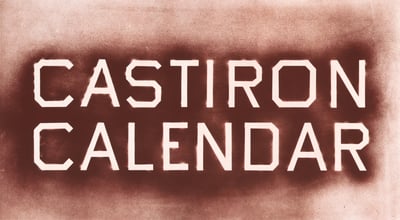
Ed Ruscha
Castiron Calendar, 2023
Limited Edition Print
Mixed Media
Inquire For Price
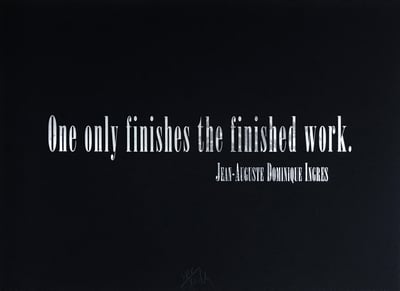
Joseph Kosuth
Titled Quotation (for L.C.) from the portfolio of Leo Castelli's 90th Birthday, 1997
Limited Edition Print
Screen-print
USD 1,650
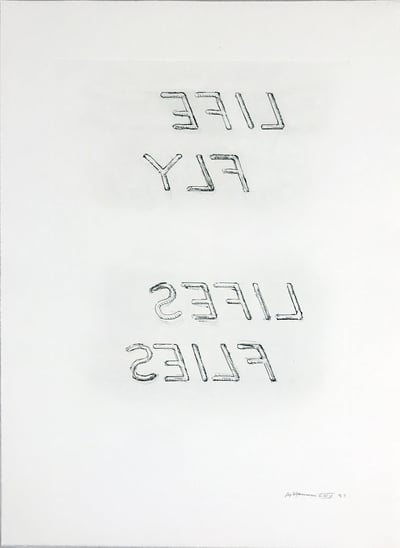
Bruce Nauman
Life fly Lifes Flies from the portfolio of Leo Castelli's 90th Birthday, 1997
Limited Edition Print
Etching
USD 3,750
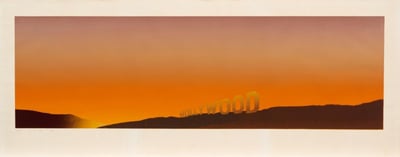
Ed Ruscha
Hollywood, 1968
Limited Edition Print
Screen-print
Currently Not Available
Related Articles
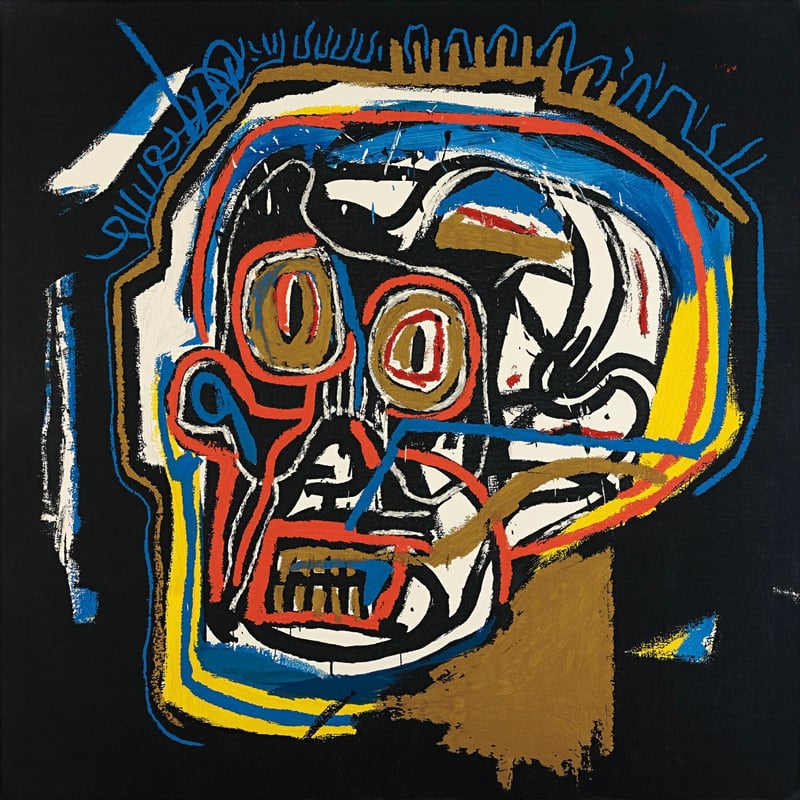
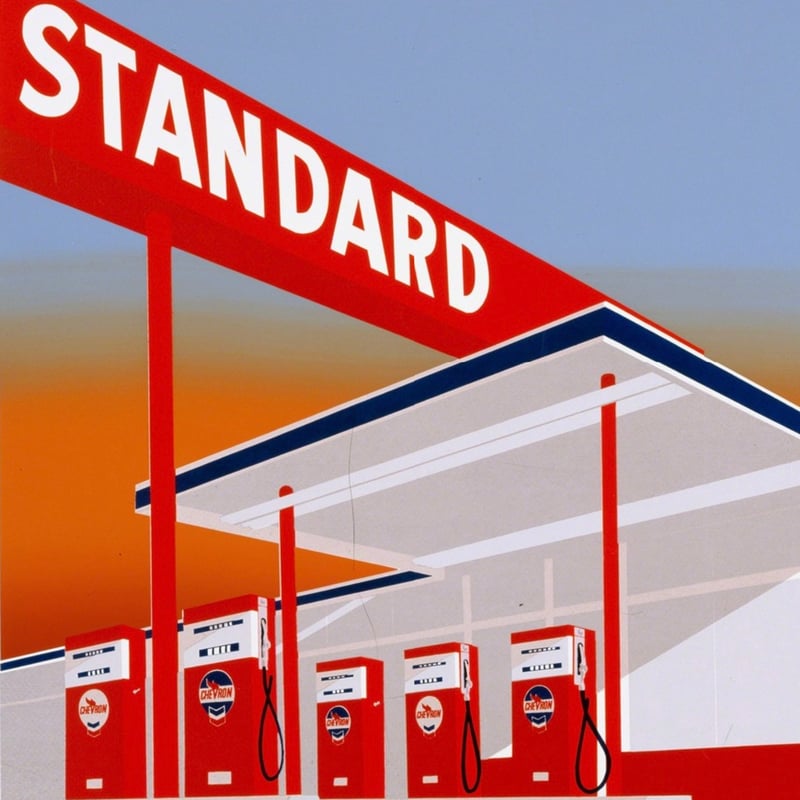

A watermark is an image or pattern embedded into a sheet of paper during the papermaking process. Each papermaker includes a faint trademark, which becomes visible when the paper is held up to a light source. Watermarks serve as a mark of authenticity and are used for identification, often carrying historical significance in determining the origin and age of the paper.

A print proof refers to any test impressions made from a printing plate or block to check the image quality before the final print is completed. These proofs are used as quality checks to ensure that the details and alignment are correct. Different types of proofs, such as artist's proofs or trial proofs, serve specific purposes during the printmaking process.
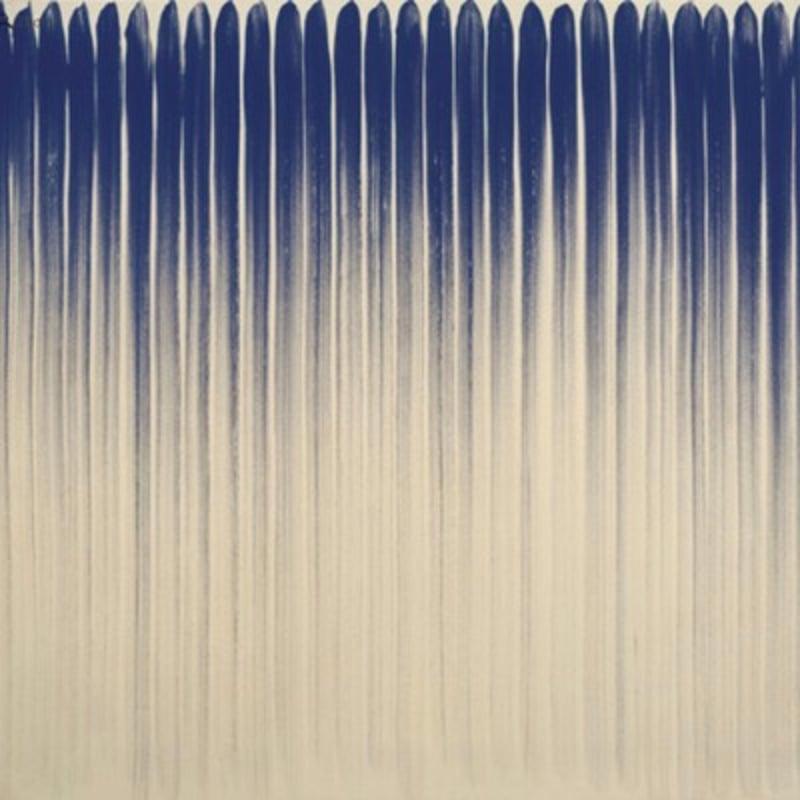
Meaning School of Things, Mono-ha originated in Tokyo in the mid-1960s. Instead of creating traditional artwork, the artists of Mono-ha used different materials and their natural properties to express dismay at the industrialization taking place in Japan at the time. The movement gained international attention and is now a widely respected form of art, known for its emphasis on the relationship between materials and their environment.
Can't find your Answer?
Thank you! Your question has been sent — we'll get back to you shortly.
