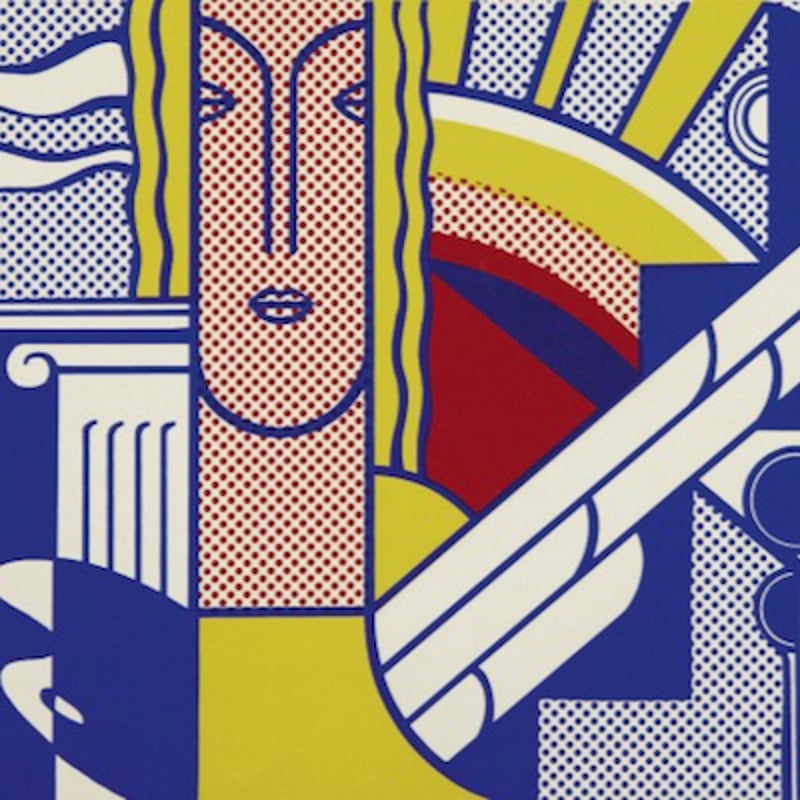
What is late modernism?
- Show All
- Established
- Discoveries
- Show All
Artworks Related to Late modernism
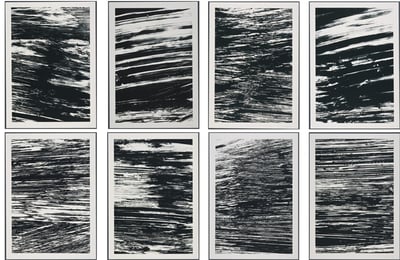
Ellsworth Kelly
States of the River (portfolio of 8), 2005
Limited Edition Print
Lithograph
USD 160,000 - 190,000
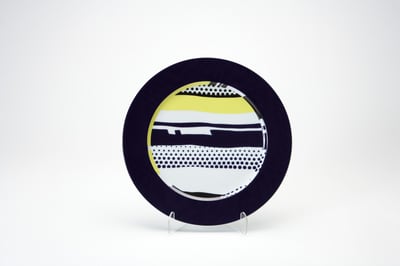
Roy Lichtenstein
Rosenthal plate 1, 2000
Sculpture / Object
Plate
EUR 700
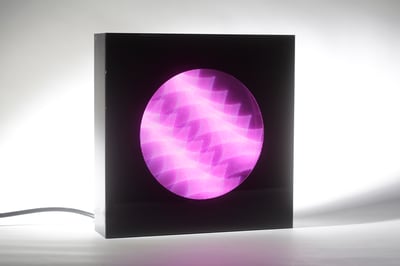
Horacio García Rossi
Boite à lumières, 2012
Sculpture / Object
Mixed Media
EUR 3,000
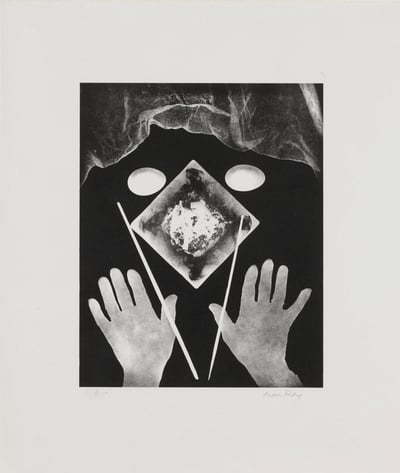
Man Ray
Untitled - (MR66-1194), 1966
Limited Edition Print
Lithograph
USD 19,500
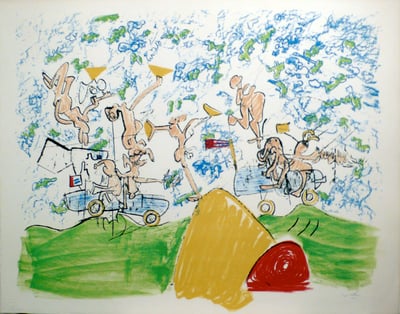
Roberto Matta
Fog Gog Magog (2), 1971
Limited Edition Print
Lithograph
USD 1,500
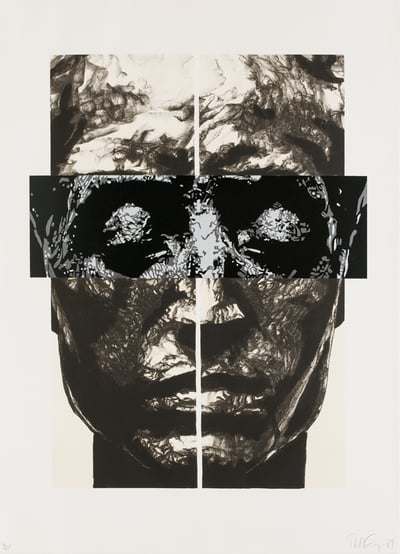
Robert Longo
Solid Vision, 1989
Limited Edition Print
Lithograph
USD 8,500
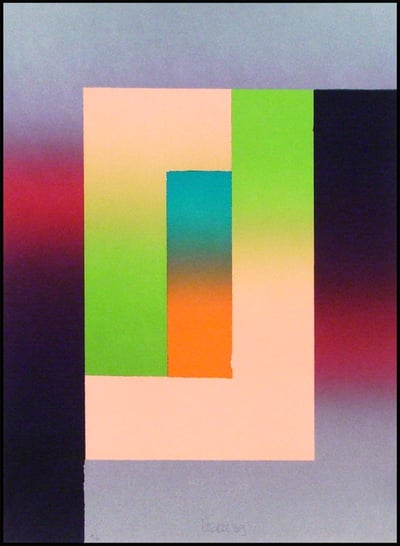
Larry Bell
Barcelona #5, 1988
Limited Edition Print
Lithograph
Currently Not Available
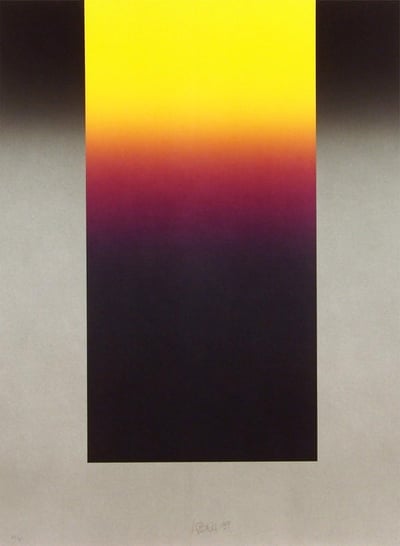
Larry Bell
Barcelona #10, 1988
Limited Edition Print
Lithograph
Currently Not Available
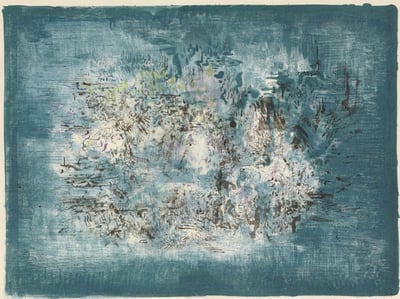
Zao Wou-Ki
Petit Jardin, 1956
Limited Edition Print
Lithograph
EUR 10,000
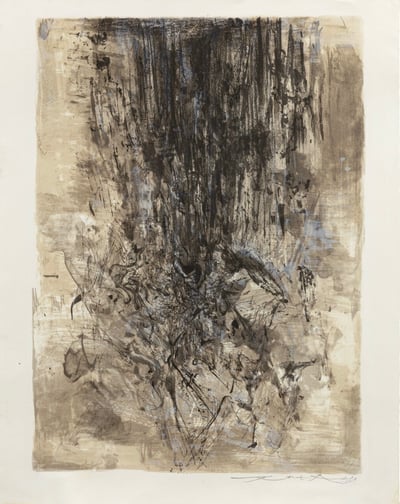
Zao Wou-Ki
Untitled (A. 127), 1960
Limited Edition Print
Lithograph
EUR 5,000
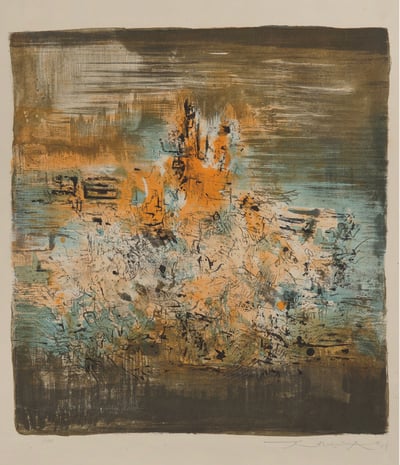
Zao Wou-Ki
Untitled (A.121), 1959
Limited Edition Print
Lithograph
EUR 10,000
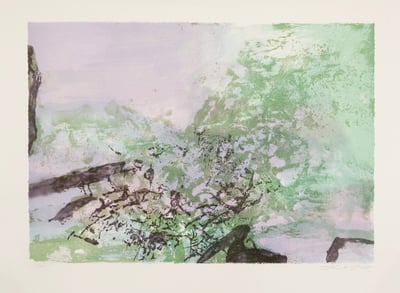
Zao Wou-Ki
Untitled (A. 394), 1998
Limited Edition Print
Lithograph
EUR 6,000
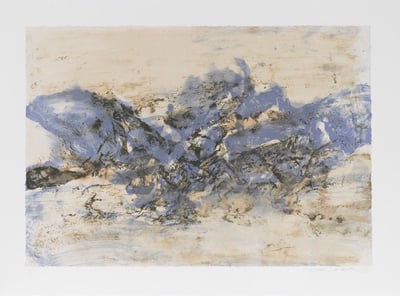
Zao Wou-Ki
Untitled (A. 390), 1998
Limited Edition Print
Lithograph
EUR 6,000
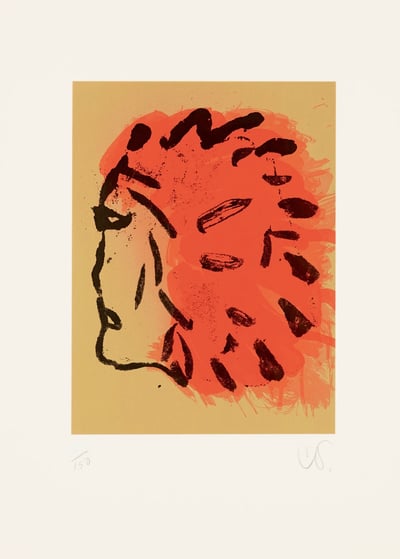
Claes Oldenburg
Injun Foster, 1973
Limited Edition Print
Silkscreen
EUR 2,800

Huai-Qing Wang
Peace , 2012
Limited Edition Print
Etching
EUR 3,800

Huai-Qing Wang
The Families 2, 2012
Limited Edition Print
Etching
EUR 3,300
Related Articles
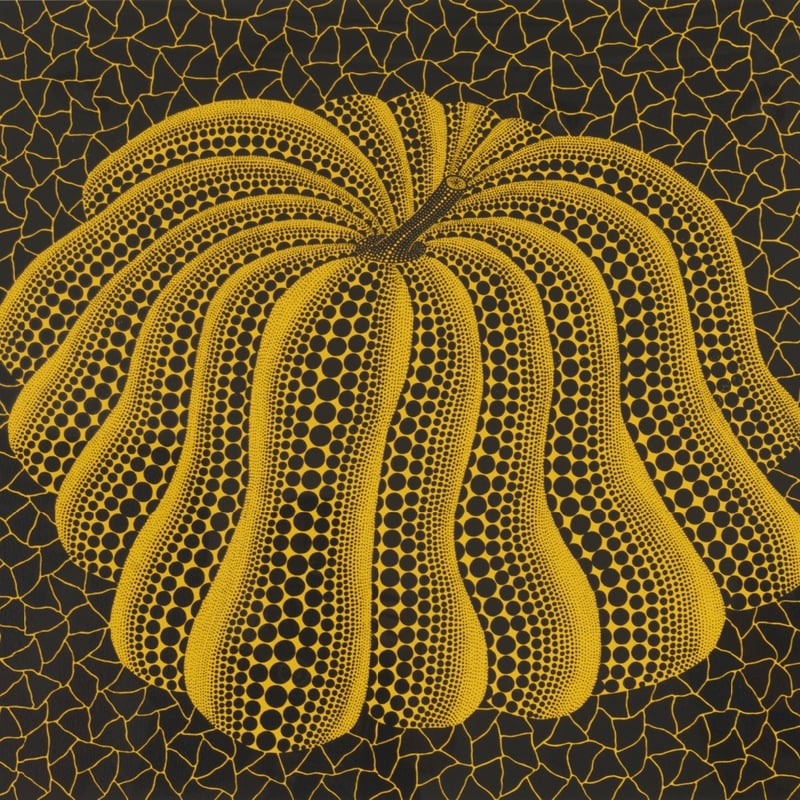
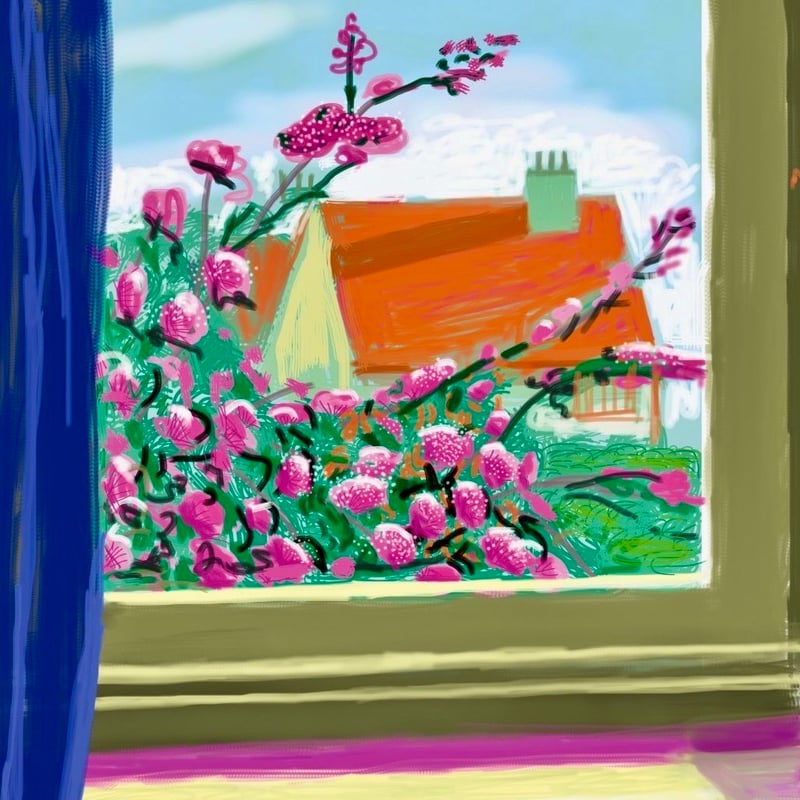
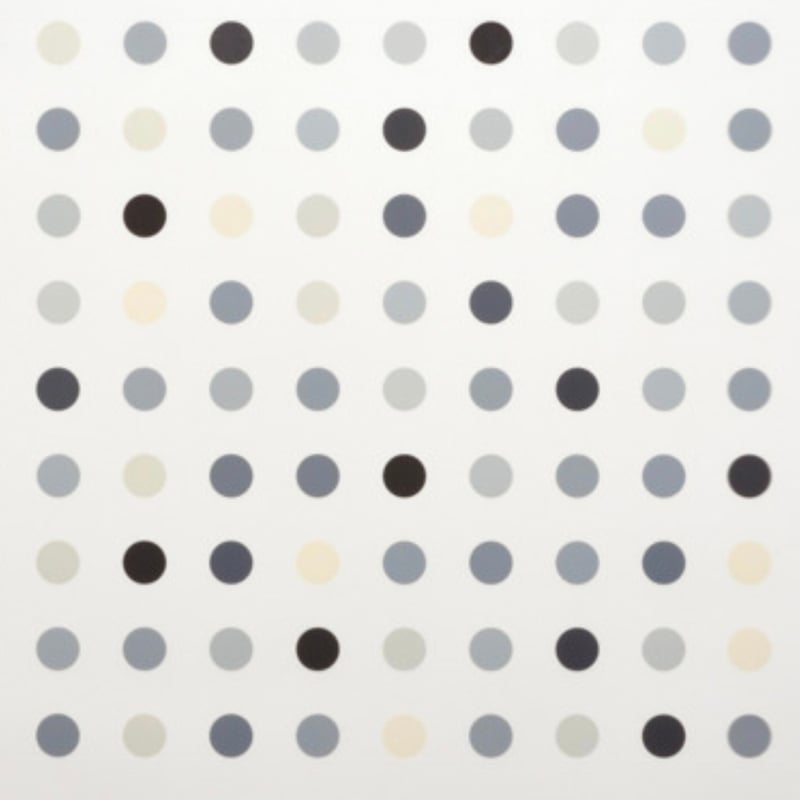
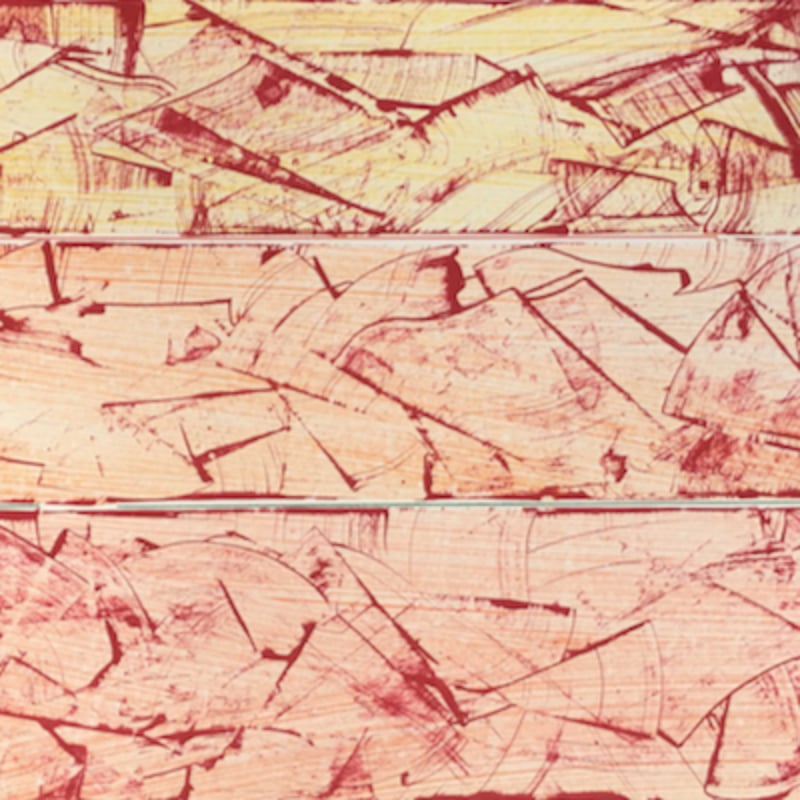
Systems Art refers to a group of artists who, during the late 1960s and early 1970s, used the frameworks of conceptualism and minimalism to create art that was responsive to its environment. Rejecting traditional art themes, they embraced aesthetic systems and experimented with diverse media. Systems Art often connected with contemporary political movements of the time, emphasizing the interrelationship between the artwork, its context, and the broader social and political environment.
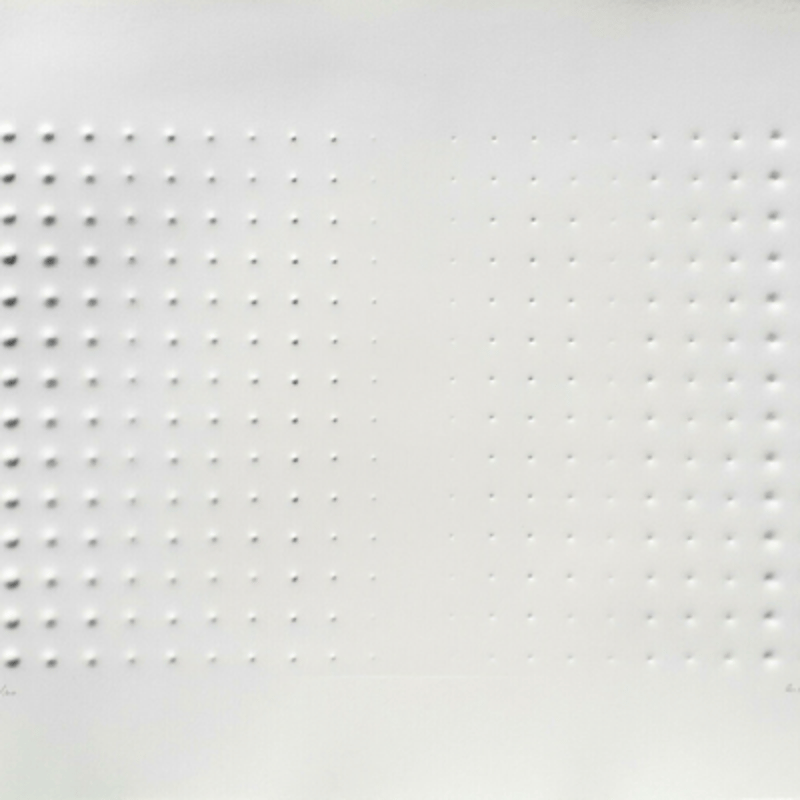
Relief printing is a printmaking process where the design to be printed is etched or cut into a surface, leaving only the raised areas to transfer ink. The non-printing areas are removed, so only the design is inked and printed. Common relief printing techniques include woodcut, linocut, and wood engraving.
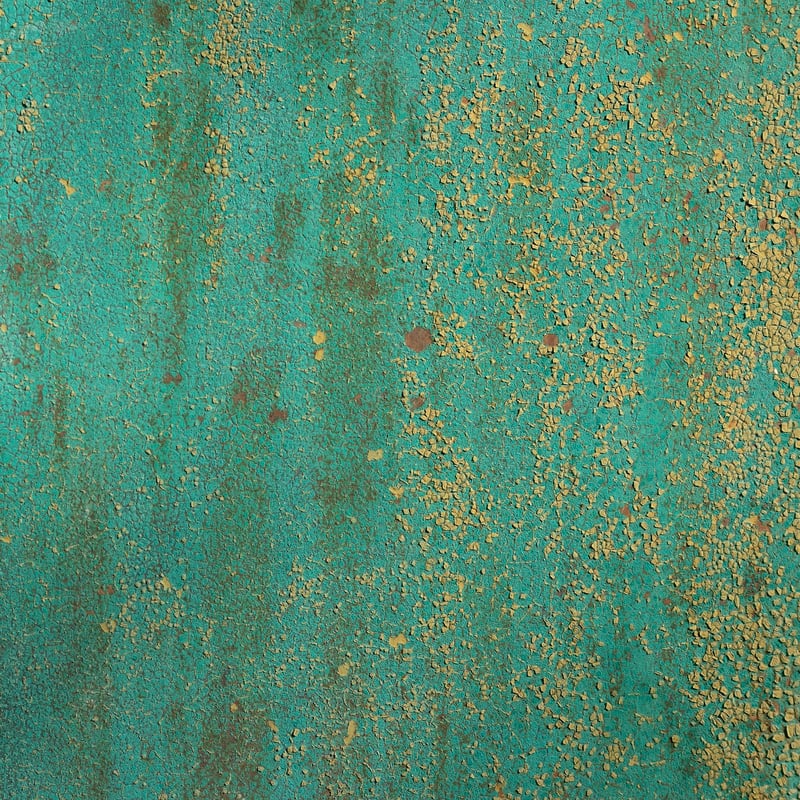
Patina is the distinctive greenish surface that bronze develops over time due to exposure to air and humidity. Artists can also apply chemicals to bronze to artificially create patina. Alternatively, bronze can be polished to reveal its natural rich gold color. Patina is not exclusive to bronze; it can also occur on other metals like copper and even on wood and stone, enhancing the material's character over time.
Can't find your Answer?
Thank you! Your question has been sent — we'll get back to you shortly.
