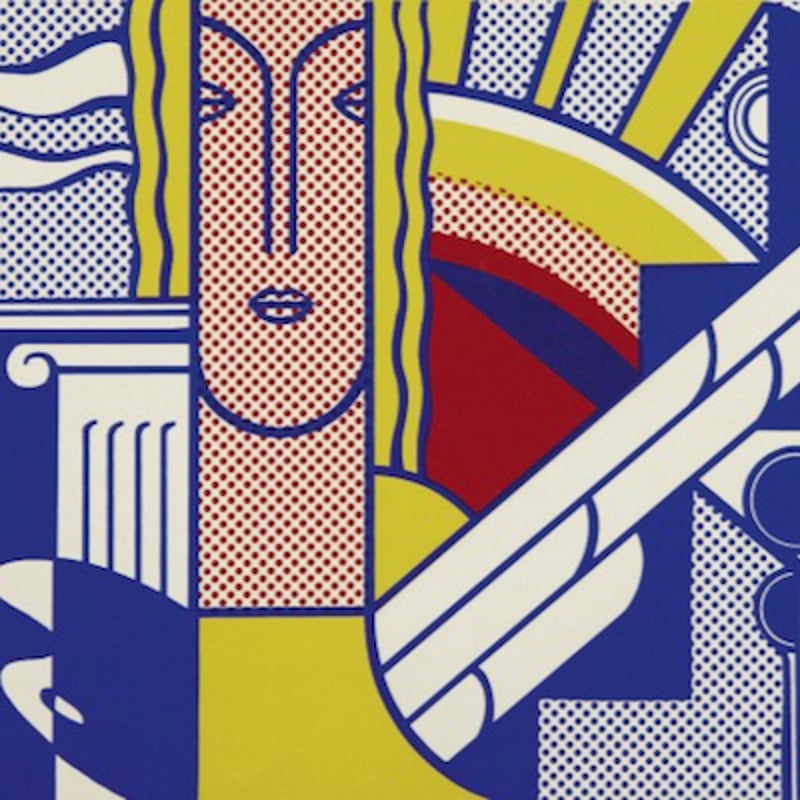
What is late modernism?
- Show All
- Established
- Discoveries
- Show All
Artworks Related to Late modernism
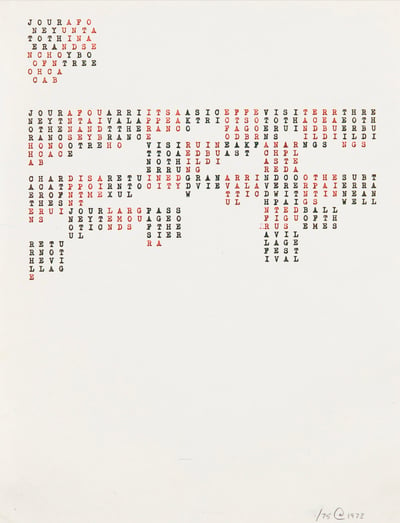
Carl Andre
Untitled (Text Grid), 1973
Limited Edition Print
Screen-print
USD 6,500
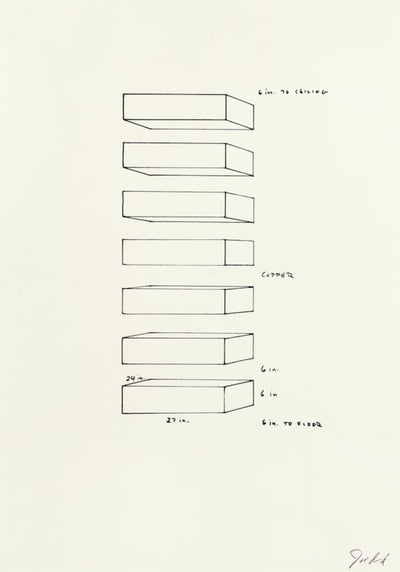
Donald Judd
Untitled (from Kunstmarkt Köln), 1969
Limited Edition Print
Offset Print
Currently Not Available
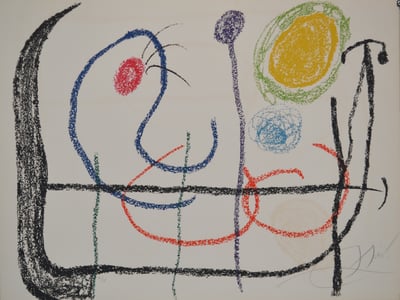
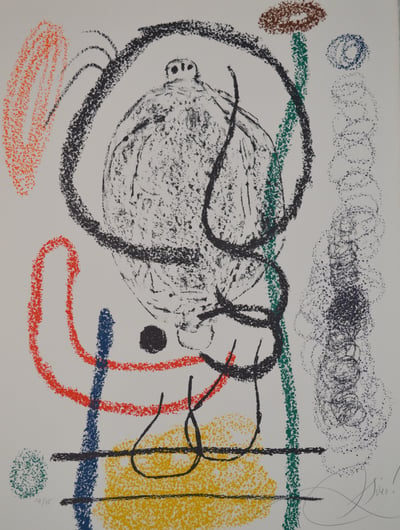
Joan Miró
Untitled, from Album 21 portfolio - M1136, 1978
Limited Edition Print
Lithograph
USD 6,250
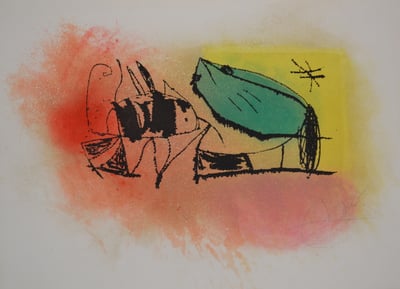
Joan Miró
Untitled, from Album 21 portfolio - M1130, 1978
Limited Edition Print
Lithograph
USD 6,250
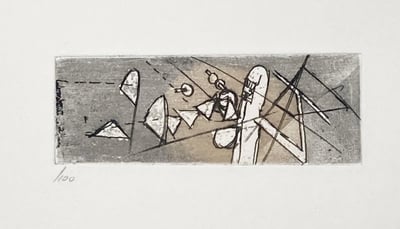
Joan Miró
Les Scarabees - D1018, 1978
Limited Edition Print
Mixed Media
USD 6,250
Roberto Matta
Untitled X, 1962
Limited Edition Print
Lithograph
Inquire For Price
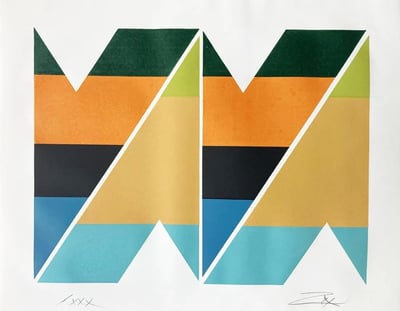
Larry Zox
Scissors, 1980
Limited Edition Print
Mixed Media
Inquire For Price
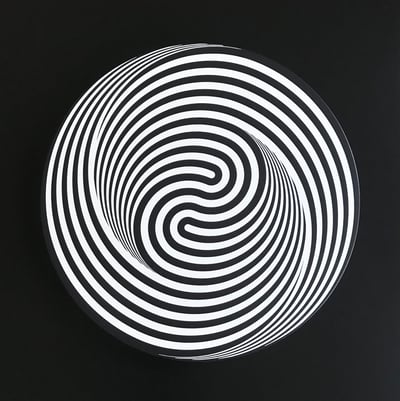
Marina Apollonio
Dinamica Circolare 6Z+R, 1965-2021
Sculpture / Object
Mixed Media
EUR 3,000
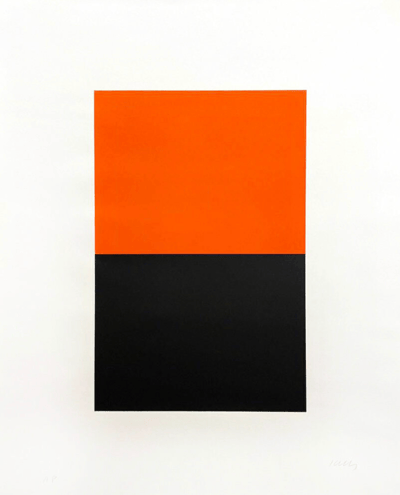
Ellsworth Kelly
Untitled (Orange/Black), 1972
Limited Edition Print
Lithograph
USD 17,750
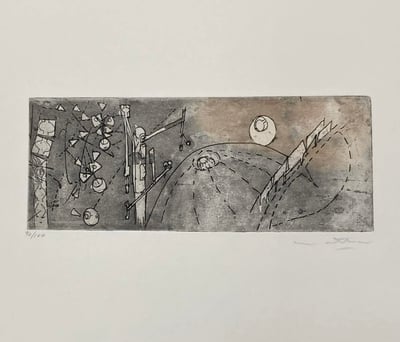
Roberto Matta
Untitled XIV, 1962
Limited Edition Print
Lithograph
USD 1,250
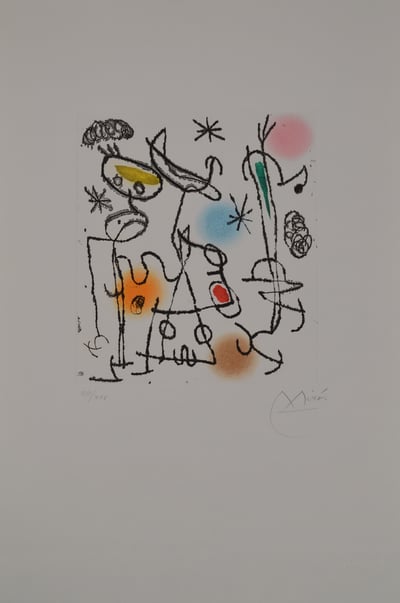
Joan Miró
Paroles Peintres III - D446, 1967
Limited Edition Print
Etching and Aquatint
USD 5,000
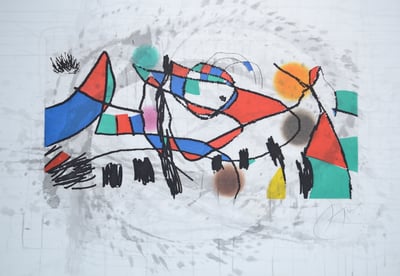
Joan Miró
Gravure Pour Un Exposition - D606, 1973
Limited Edition Print
Etching
USD 6,200
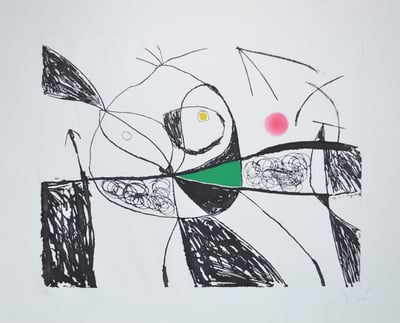
Joan Miró
Serie Mallorca - D618, 1973
Limited Edition Print
Etching and Aquatint
USD 6,200
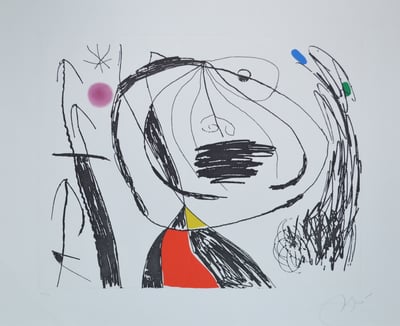
Joan Miró
Série Mallorca 5 - D615, 1973
Limited Edition Print
Etching and Aquatint
USD 6,500
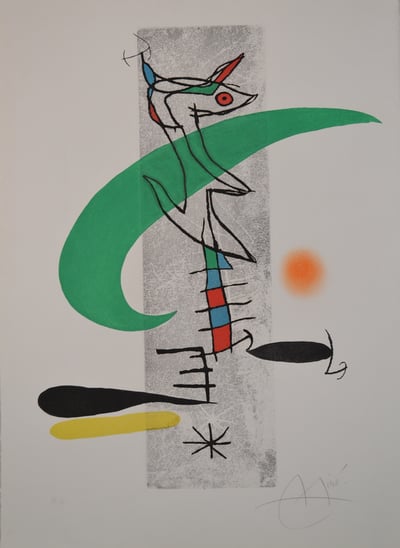
Joan Miró
Translunaire - D659, 1974
Limited Edition Print
Etching and Aquatint
USD 7,200
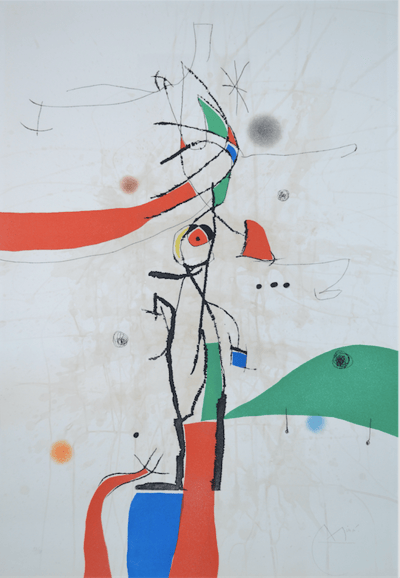
Joan Miró
Demi Mondaine A Sa Fenetre - D742, 1975
Limited Edition Print
Etching and Aquatint
USD 7,200
Related Articles
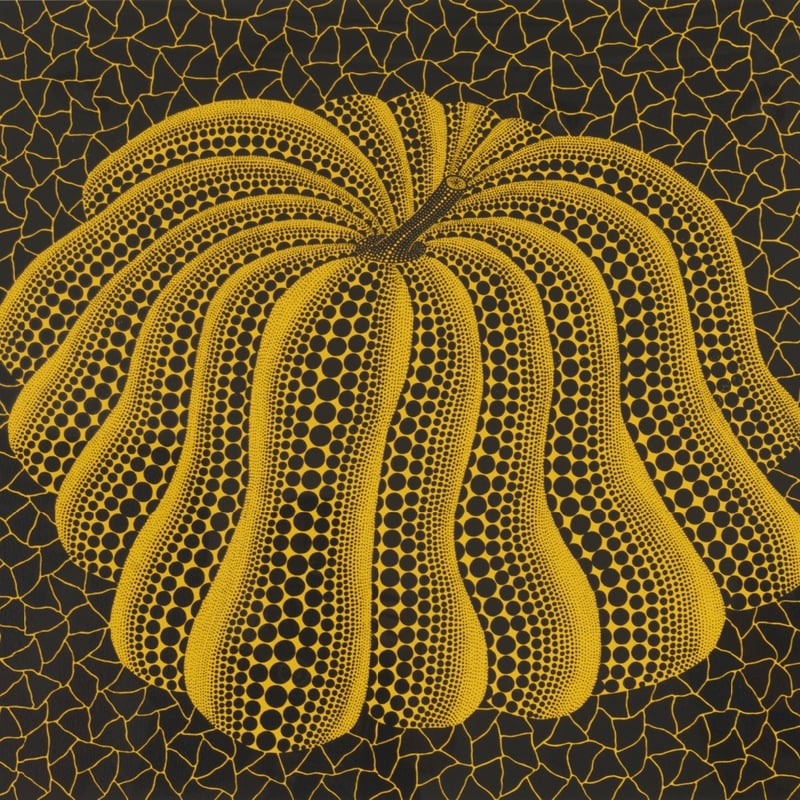



Queer Aesthetics refers to an art movement that emerged in the 1980s, focusing on themes of homosexuality, lesbianism, and broader issues of identity and gender. This movement gained momentum in the context of the AIDS crisis and the feminist movement, challenging traditional representations of sexuality and gender. Queer Aesthetics often explores the fluidity of gender and identity, as seen in the works of artists like Nan Goldin, who is known for her photography of individuals with ambiguous or non-conforming gender presentations.
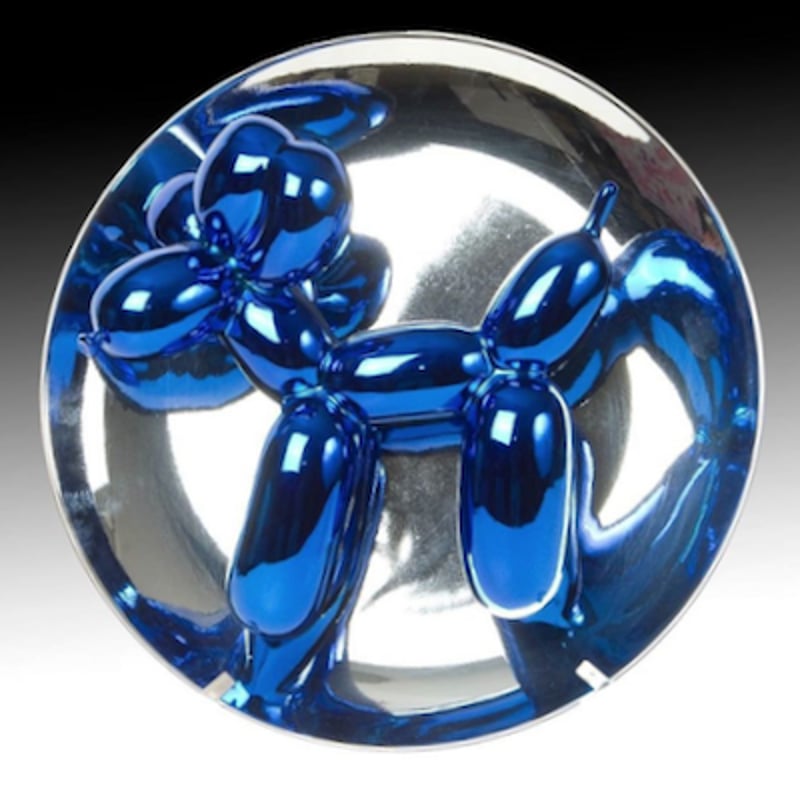
Multiples refer to a series of identical art objects produced in limited editions according to the artist's concept. These works are specifically created for sale and are often considered the most affordable and accessible form of contemporary art. What sets multiples apart is their lack of uniqueness, which is typically seen as essential in traditional artworks. Instead, they offer value and enjoyment while making contemporary art more widely available.

Bronze is a metal alloy made primarily of copper and tin, with a typical modern composition of 88% copper and 12% tin. Over time, bronze develops a patina, a surface color that often turns deep green due to oxidation. Large bronze objects, such as sculptures, are typically made in foundries. Bronze is valued for its durability and has been widely used throughout history for art, tools, and weapons.
Can't find your Answer?
Thank you! Your question has been sent — we'll get back to you shortly.
