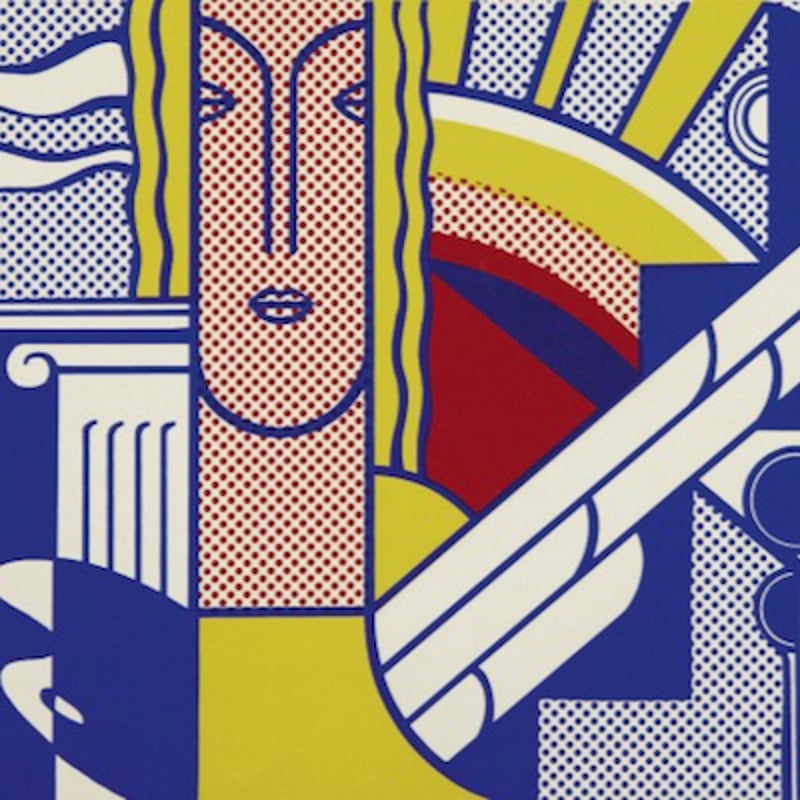
What is late modernism?
- Show All
- Established
- Discoveries
- Show All
Artworks Related to Late modernism
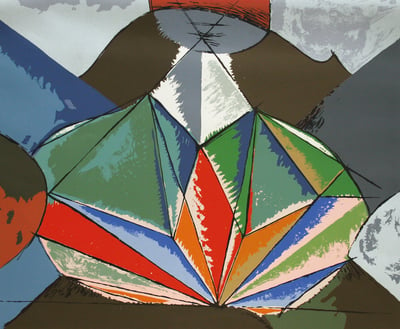
Man Ray
Cactus Diamond , 1969
Limited Edition Print
Silkscreen
EUR 4,850

Man Ray
Rue Férou, 1974
Limited Edition Print
Lithograph
EUR 2,500

Man Ray
La Fortune II, 1973
Limited Edition Print
Lithograph
EUR 4,250

Man Ray
Incompris, 1962
Limited Edition Print
Lithograph
EUR 3,660

Man Ray
Tre Figure, 1968
Limited Edition Print
Lithograph
EUR 3,450

Piero Dorazio
Blue Lines, 1988
Limited Edition Print
Silkscreen
EUR 4,250
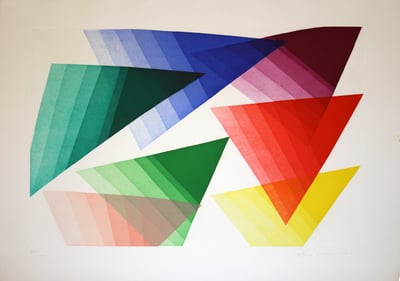
Piero Dorazio
Color fax 4, 1990
Limited Edition Print
Aquatint
EUR 2,250
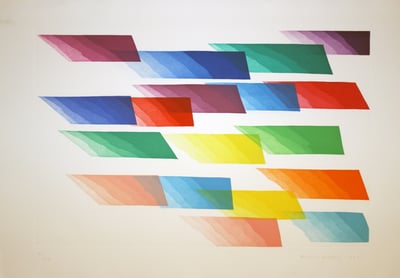
Piero Dorazio
Color fax 3, 1990
Limited Edition Print
Aquatint
EUR 2,250
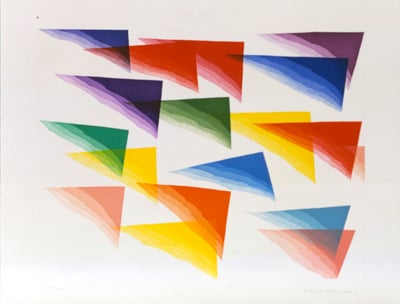
Piero Dorazio
Color fax 2, 1990
Limited Edition Print
Aquatint
EUR 2,250
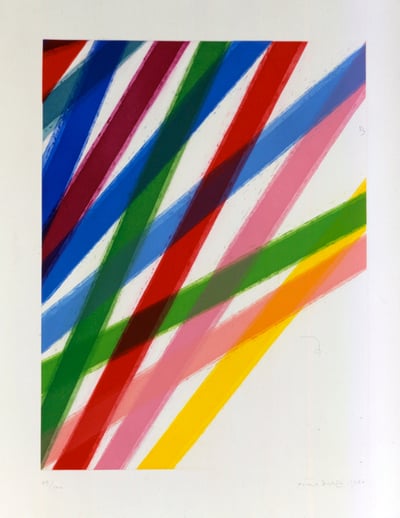
Piero Dorazio
Color fax 1, 1990
Limited Edition Print
Aquatint
EUR 2,250
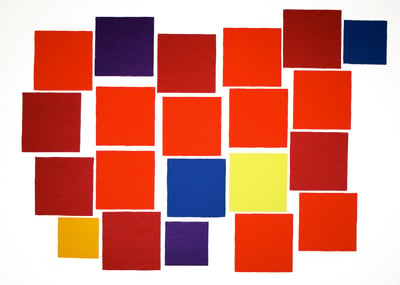
Piero Dorazio
Red Squares, 1967
Limited Edition Print
Lithograph
EUR 1,375
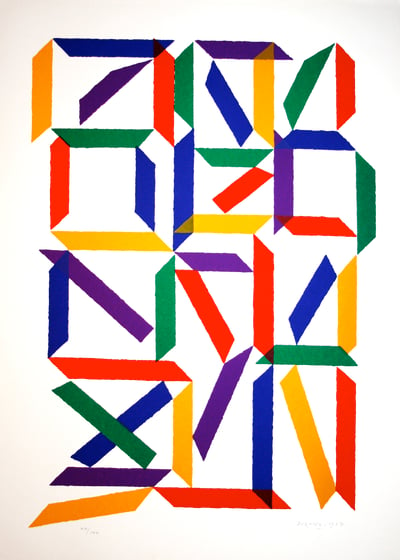
Piero Dorazio
Untitled Composition, 1967
Limited Edition Print
Lithograph
EUR 1,375
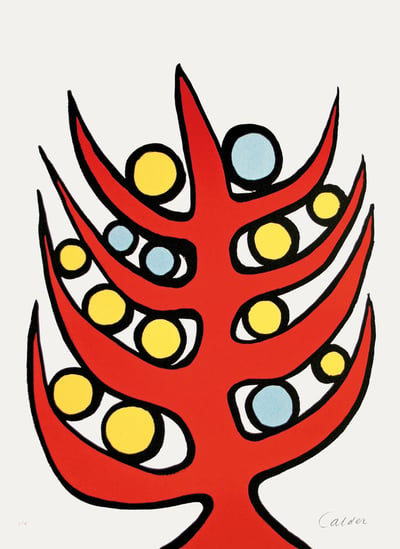
Alexander Calder
L’albero del bene e del male, 1975
Limited Edition Print
Lithograph
EUR 4,600
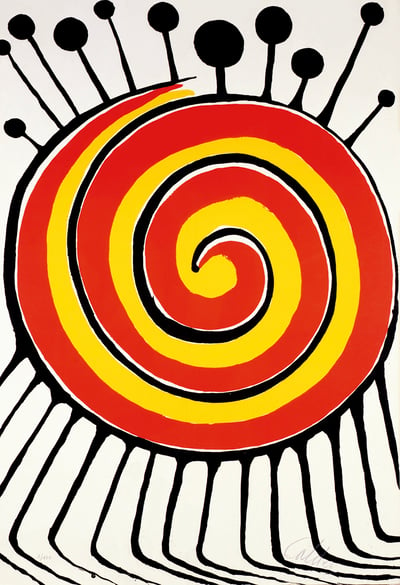
Alexander Calder
Spirale millepiedi, 1972
Limited Edition Print
Lithograph
EUR 4,850
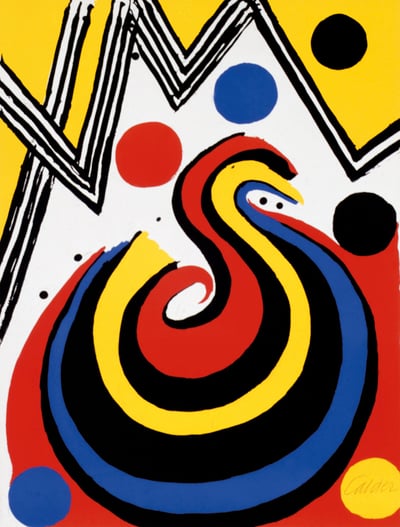
Alexander Calder
Girandola, 1972
Limited Edition Print
Lithograph
EUR 5,400
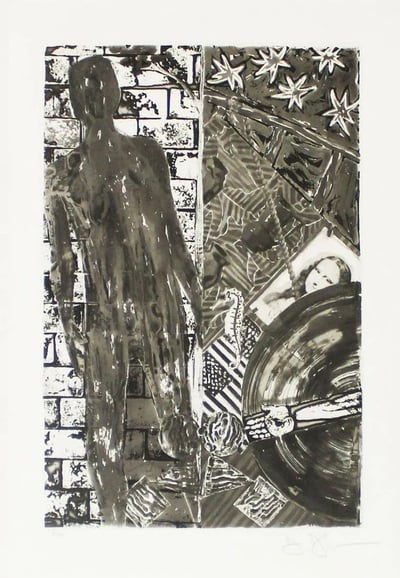
Jasper Johns
Summer, 1985
Limited Edition Print
Etching and Aquatint
USD 5,250
Related Articles
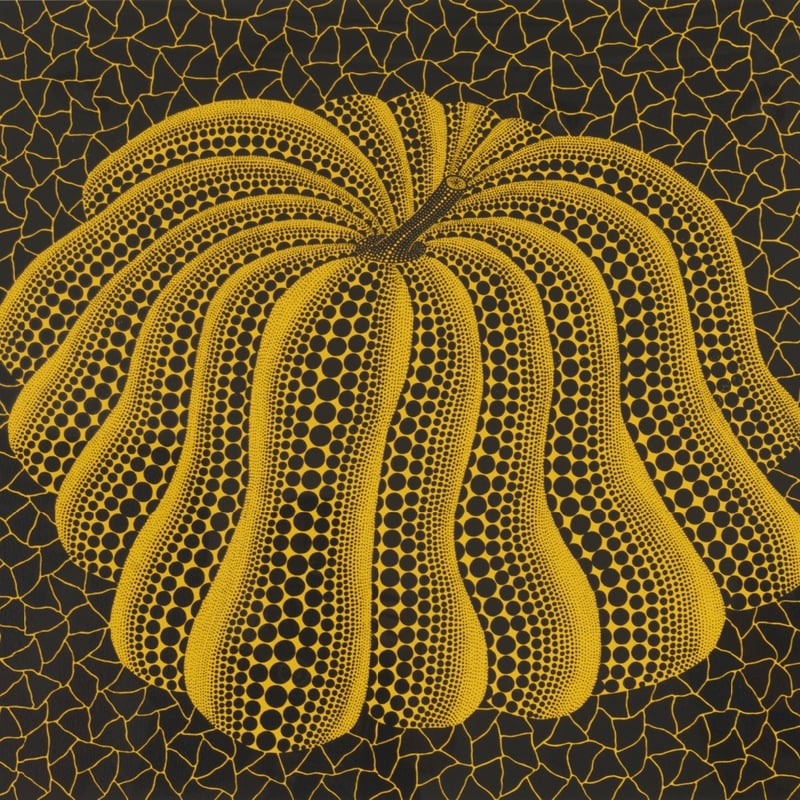


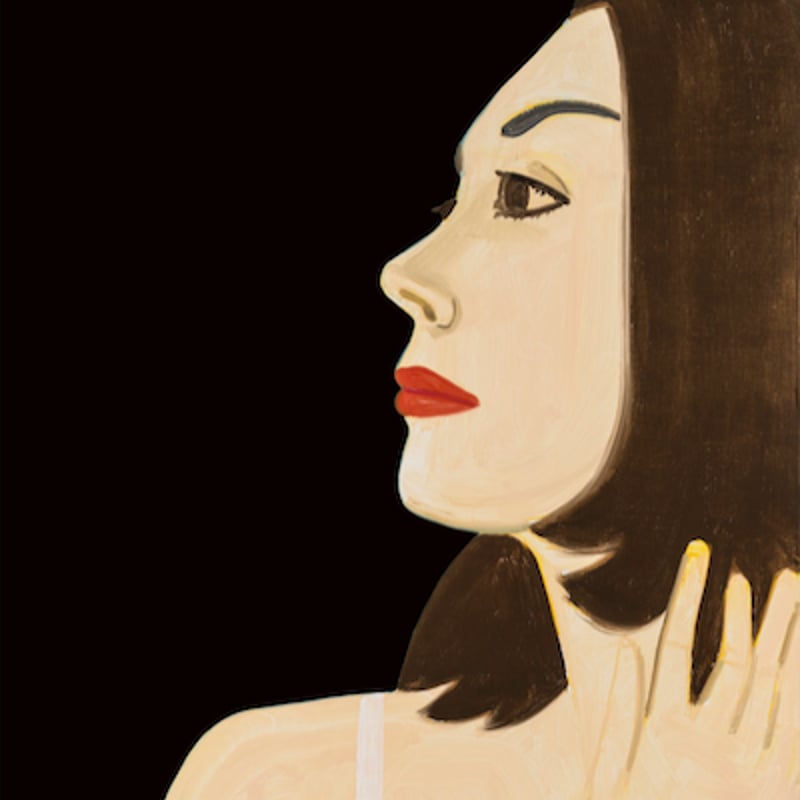
Sometimes known as Figurativism, figurative art refers to sculptures and paintings that are clearly or specifically derived from real objects, making them representational. The term figurative art is often used in contrast to abstract art. However, since the emergence of abstract art, figurative art has come to describe any form of modern art that has strong references to the real world or actual situations.
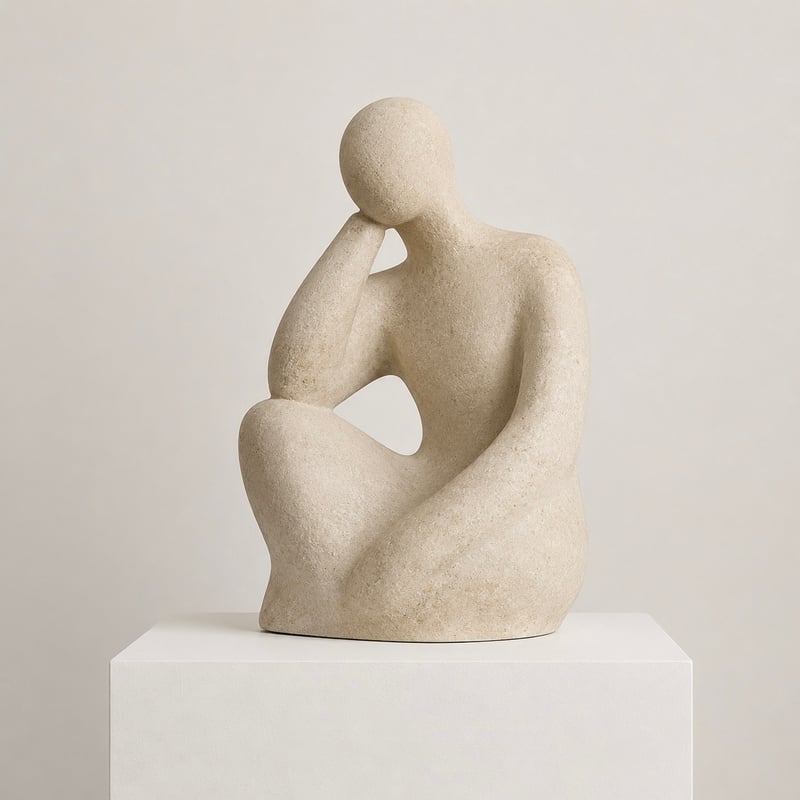
A sculpture is a three-dimension object made using any one of the basic sculpting processes. These include carving, casting, constructing or modeling. Carving materials may be bone, ivory, stone or wood. Modeling and casting use clay or wax, while constructions glue materials together.

Video art is an art form that uses video and audio data, primarily featuring moving images. It emerged in the late 1960s and early 1970s with the advent of new technology and consumer video equipment that became accessible beyond corporate broadcasting. Video art can take many forms, including broadcast recordings, installations in museums or galleries, online streamed works, videotapes, and performances incorporating video monitors, television sets, or projections that display live or recorded sounds and images.
Can't find your Answer?
Thank you! Your question has been sent — we'll get back to you shortly.
