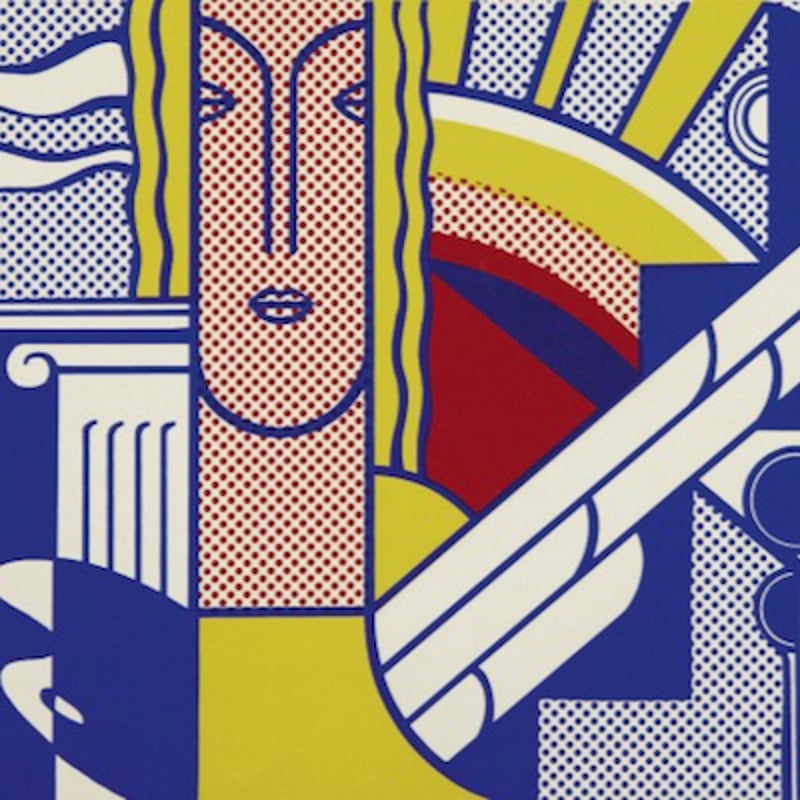
What is late modernism?
- Show All
- Established
- Discoveries
- Show All
Artworks Related to Late modernism
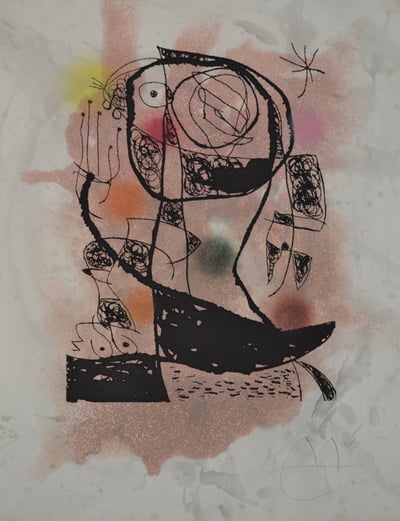
Joan Miró
Vega - D1006, 1978
Limited Edition Print
Etching
USD 6,200
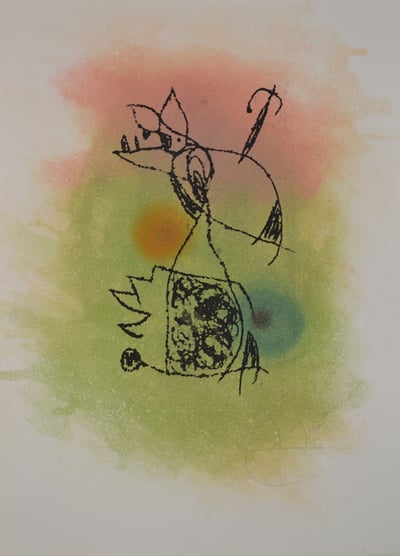
Joan Miró
Le Criquet - D1021, 1978
Limited Edition Print
Etching and Aquatint
USD 6,500
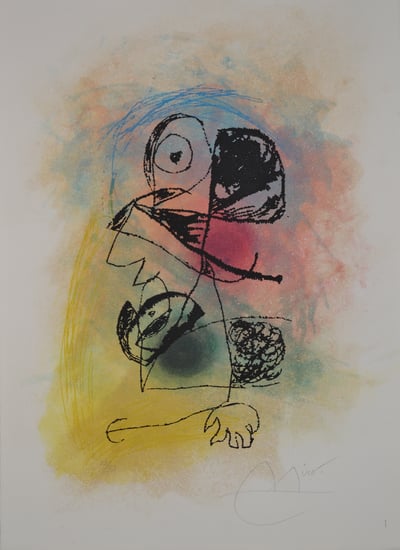
Joan Miró
Le Souriceau - D1026, 1978
Limited Edition Print
Etching
USD 6,300
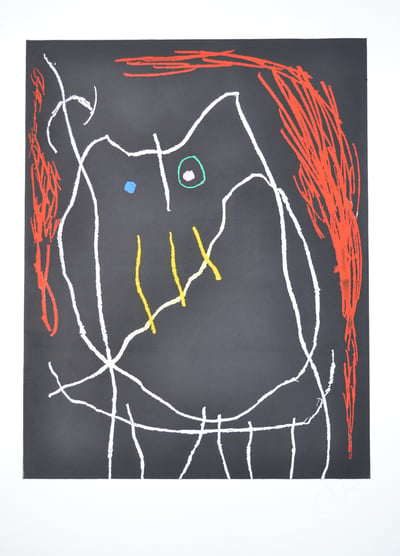
Joan Miró
Grand Duc II (Grand Duke II) - D395, 1965
Limited Edition Print
Etching
USD 6,250
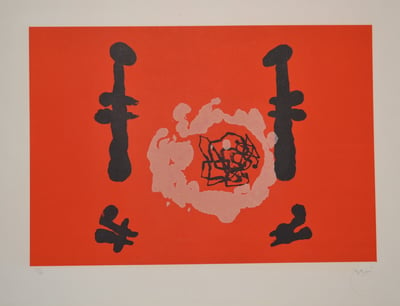
Joan Miró
L'Invention Du Feu - D284, 1960
Limited Edition Print
Aquatint
USD 5,250
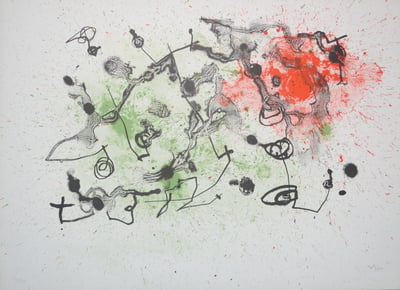
Joan Miró
Series II - Rouge et Vert - M288, 1961
Limited Edition Print
Lithograph
USD 4,375
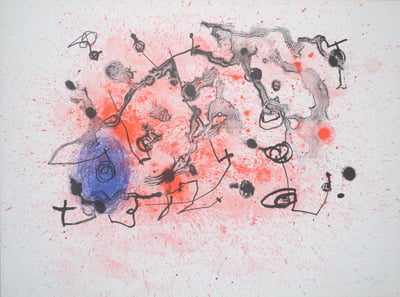
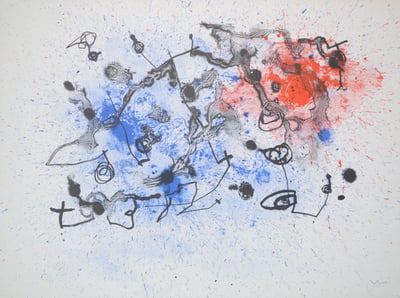
Joan Miró
Series II, Blue and Red - M291, 1961
Limited Edition Print
Lithograph
USD 4,375
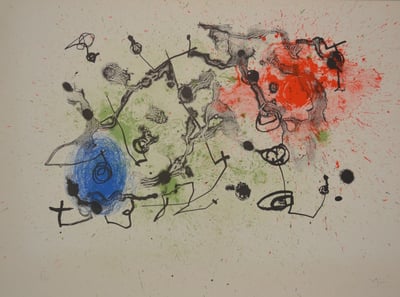
Joan Miró
Series II - Blue And Red - M290, 1961
Limited Edition Print
Lithograph
USD 4,375
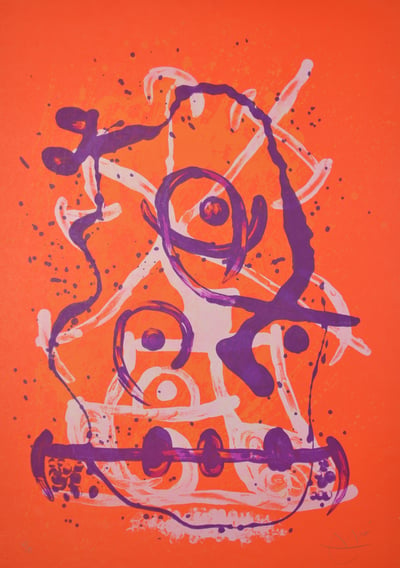
Joan Miró
Series II Blue Red And Green - M294, 1961
Limited Edition Print
Lithograph
USD 4,375
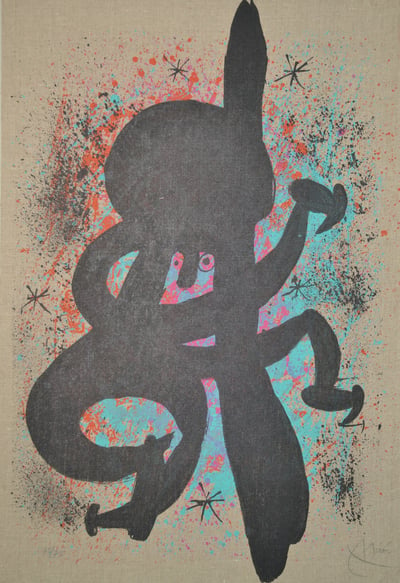
Joan Miró
Chevauchee Rouge Et Violet - M610, 1969
Limited Edition Print
Lithograph
USD 6,500
Joan Miró
The Feverish Eskimo - M637, 1969
Limited Edition Print
Lithograph
USD 6,500
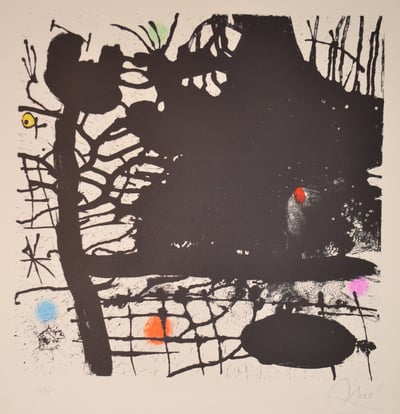
Joan Miró
La Nuit Tentaculaire - M639, 1969
Limited Edition Print
Lithograph
USD 6,200
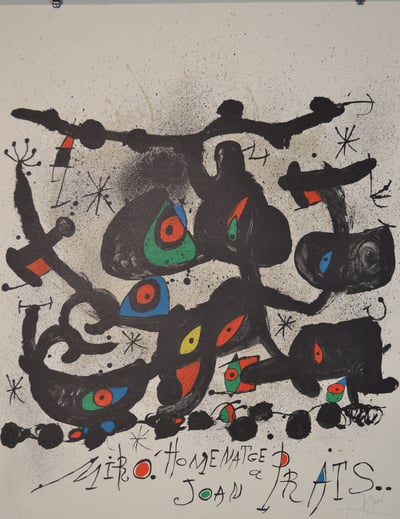
Joan Miró
Homentage A Joan Prats - M735, 1971
Limited Edition Print
Lithograph
USD 6,200

Joan Miró
Hommage A Miro - M868, 1972
Limited Edition Print
Lithograph
USD 5,300
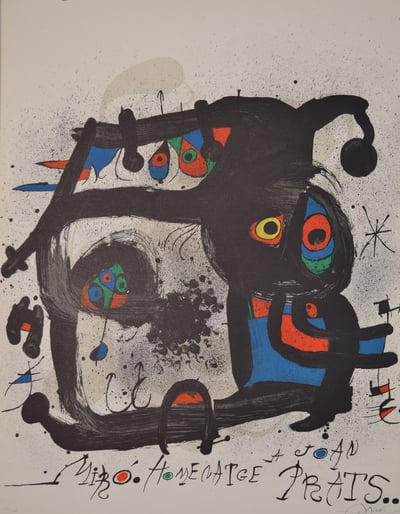
Joan Miró
Homentage A Joan Prats - M852, 1972
Limited Edition Print
Lithograph
USD 5,300
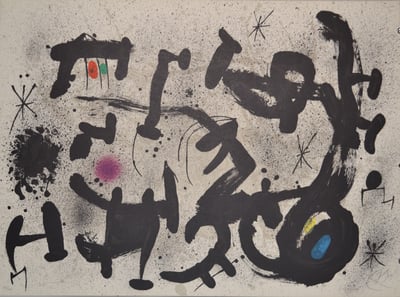
Joan Miró
Hommage A Joan Prats - M1034, 1975
Limited Edition Print
Lithograph
USD 5,200
Related Articles
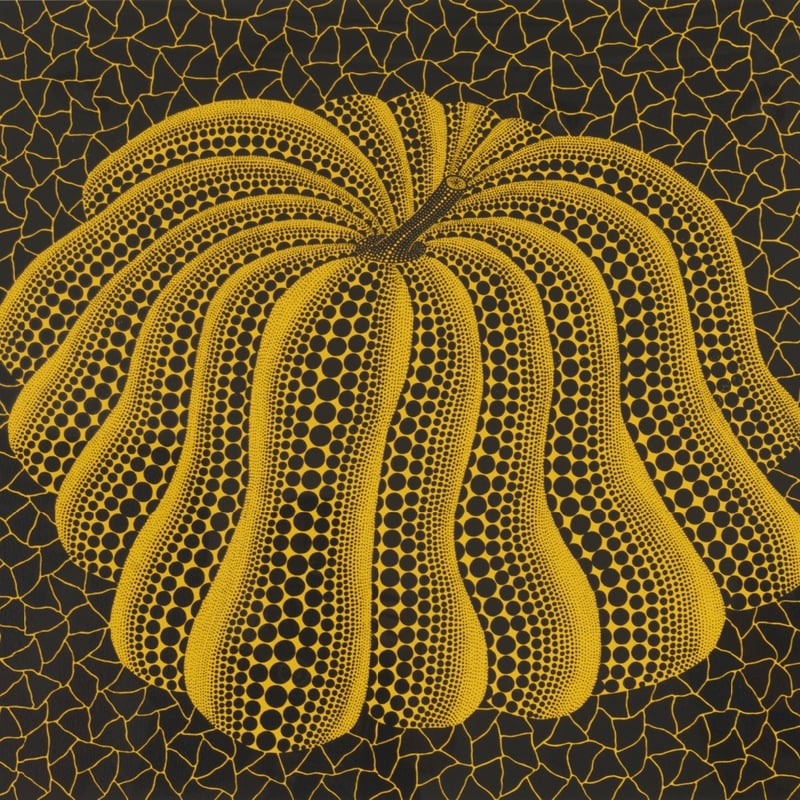
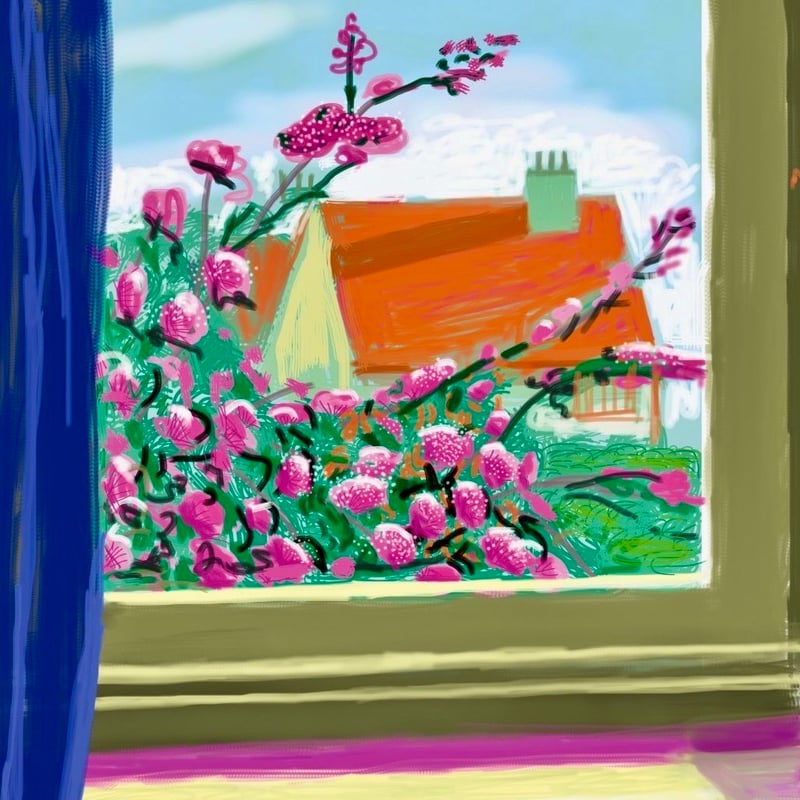

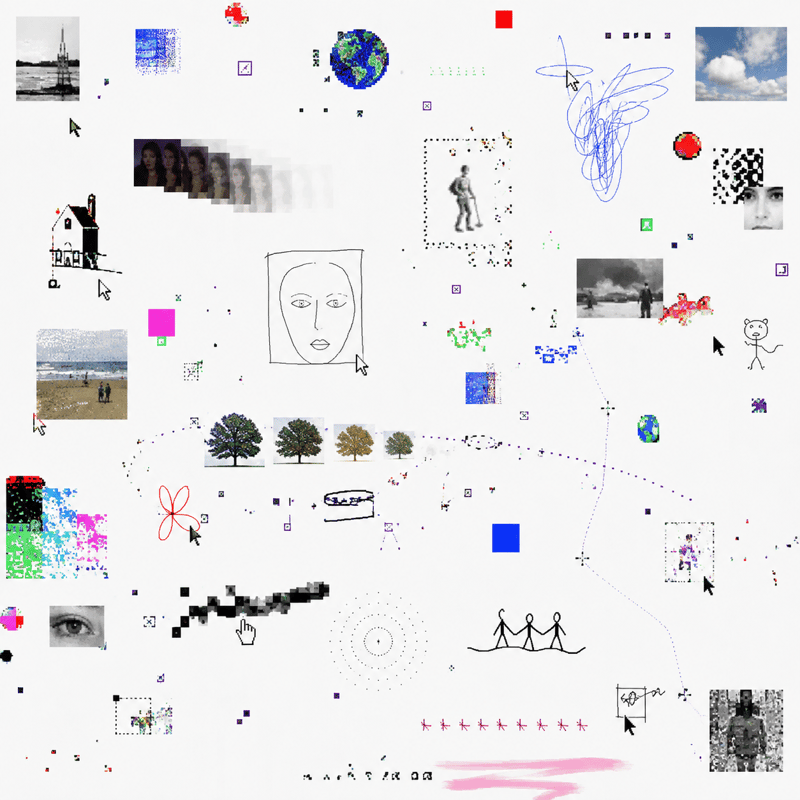
Net Art is art created on the internet, specifically for the internet. Artists who create it use computers to generate imagery, exhibit art online, or build programs that produce unique artworks. Since the 1990s, the movement has been considered subversive because it transcends geographic boundaries and defies traditional art norms, challenging conventional ideas of where and how art should be experienced.
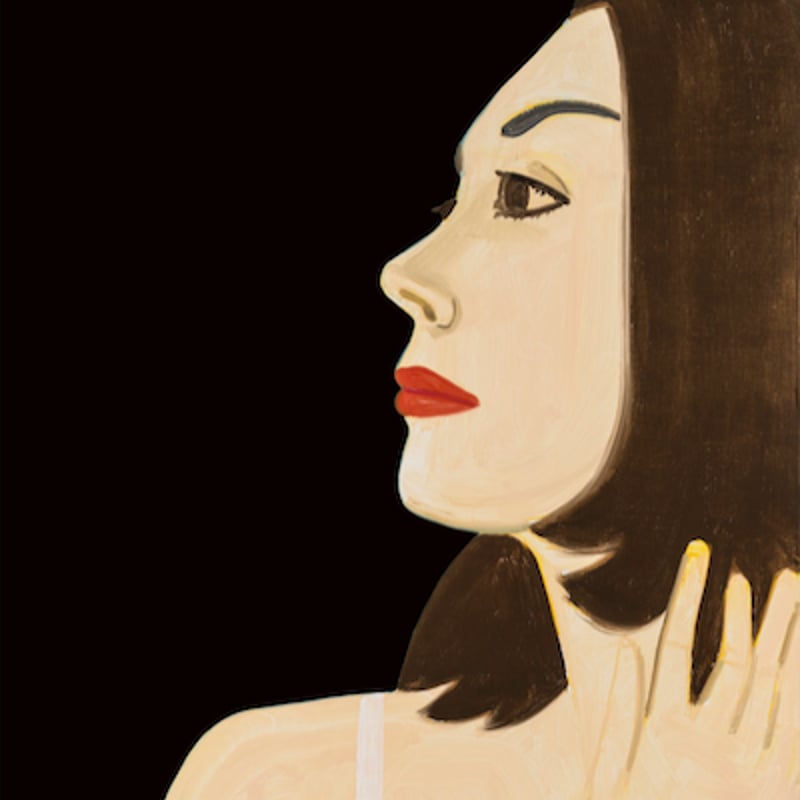
Sometimes known as Figurativism, figurative art refers to sculptures and paintings that are clearly or specifically derived from real objects, making them representational. The term figurative art is often used in contrast to abstract art. However, since the emergence of abstract art, figurative art has come to describe any form of modern art that has strong references to the real world or actual situations.

Magnum Photos is a photographic cooperative founded in 1947 by four photographers: Robert Capa, Henri Cartier-Bresson, George Rodger, and David Chim Seymour. Based in New York, the organization was created to give photographers the freedom to document the human condition with compassion and integrity. Magnum Photos has an extensive historical image library, capturing world events and offering a unique perspective on global history.
Can't find your Answer?
Thank you! Your question has been sent — we'll get back to you shortly.
