What is late modernism?
- Show All
- Established
- Discoveries
- Show All
Artworks Related to Late modernism

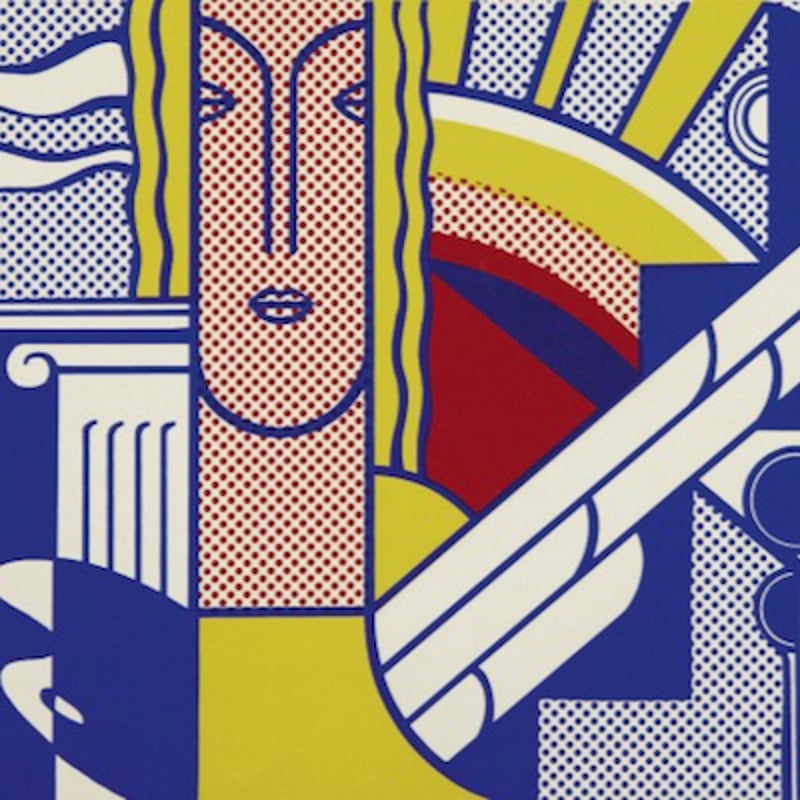
Claes Oldenburg
Study for Steel and Lead Ashtray, 1976
Limited Edition Print
Etching and Aquatint
EUR 3,750
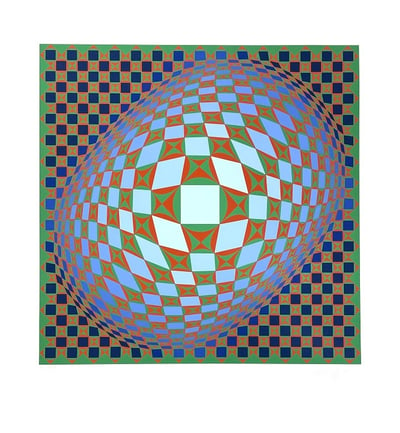
Victor Vasarely
Vilag
Limited Edition Print
Screen-print
EUR 2,300

Roy Lichtenstein
Sweet dreams, Baby!, 1965
Limited Edition Print
Screen-print
Currently Not Available

Andy Warhol
Kachina Dolls, 1986
Limited Edition Print
Screen-print
USD 45,200
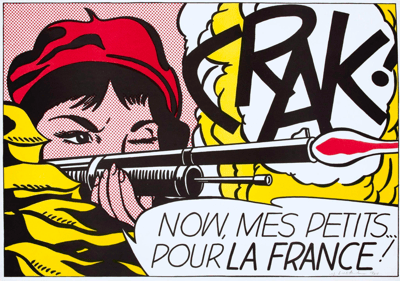
Roy Lichtenstein
CRAK!, 1963-1965
Limited Edition Print
Lithograph
Currently Not Available
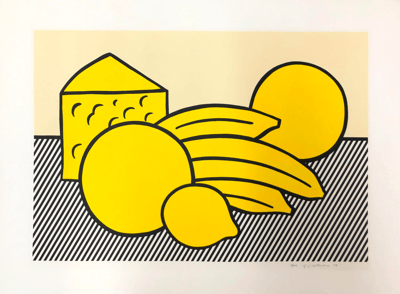
Roy Lichtenstein
Yellow Still Life, 1974
Limited Edition Print
Mixed Media
USD 39,500
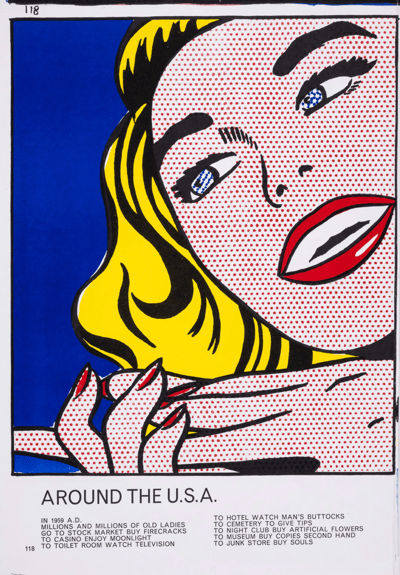
Roy Lichtenstein
Girl, 1964
Limited Edition Print
Lithograph
USD 3,000
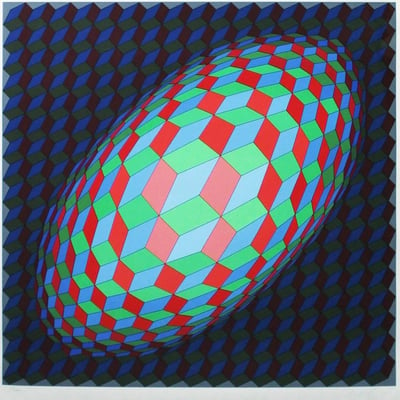
Victor Vasarely
Omega V, 1979
Limited Edition Print
Serigraph
Inquire For Price

Robert Mangold
Semi Circle III, 1995
Limited Edition Print
Lithograph
Currently Not Available
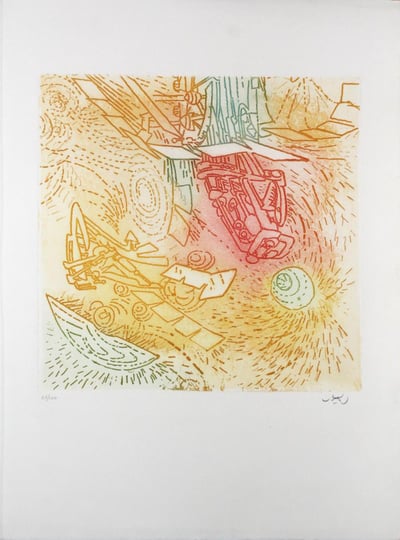
Roberto Matta
Coigitum, 1975
Limited Edition Print
Etching and Aquatint
USD 750
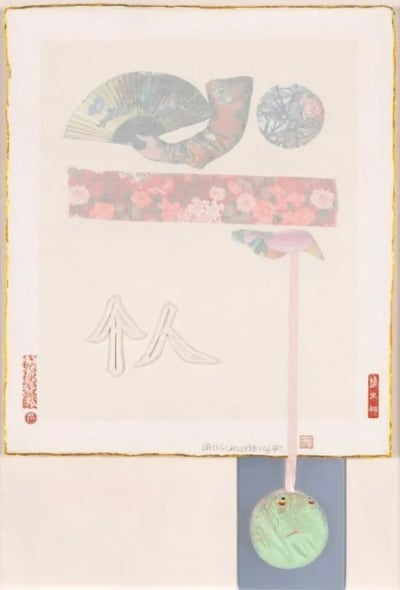
Robert Rauschenberg
Individual, 1982
Limited Edition Print
Collage
USD 8,500
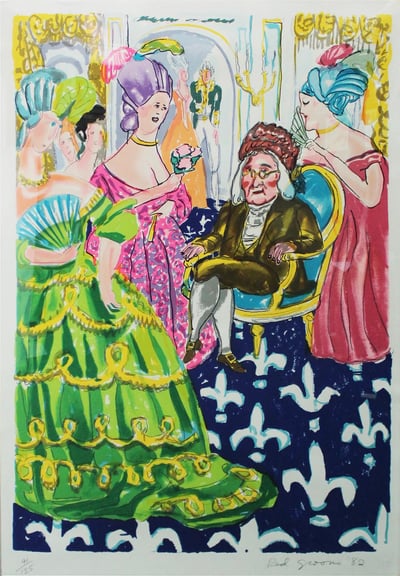
Red Grooms
Franklins Reception at the Court of France, 1982
Limited Edition Print
Lithograph
USD 1,990

Roy Lichtenstein
Litho/Litho, 1970
Limited Edition Print
Lithograph
USD 17,200

Andy Warhol
Shoe and Stocking, 1955
Limited Edition Print
Offset Print
USD 11,700

Claes Oldenburg
Untitled Rubber Stamp Print, 1967
Limited Edition Print
Mixed Media
USD 850
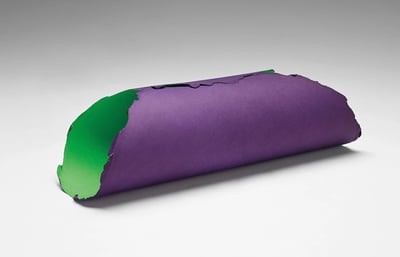
Dan Flavin
Guggenheim Tondo, 1992
Sculpture / Object
Mixed Media
EUR 7,500
Related Articles


Monotype is a printmaking technique where an image is painted or drawn on a nonabsorbent, smooth surface, traditionally an etching plate of copper, but now also acrylic, zinc, or glass. The image is then transferred to paper using a printing press, creating a unique print. The first pressing removes most of the ink, making it difficult to produce additional prints with the same richness, resulting in a one-of-a-kind artwork.

New Media Art is a genre that includes all artworks created using new technologies, such as computer graphics, digital art, virtual art, internet art, computer animation, video games, 3D printing, and robotics. This genre often explores themes related to mass media, telecommunications, and digital electronics. The methods for presenting New Media Art range from installations and performances to virtual and conceptual art
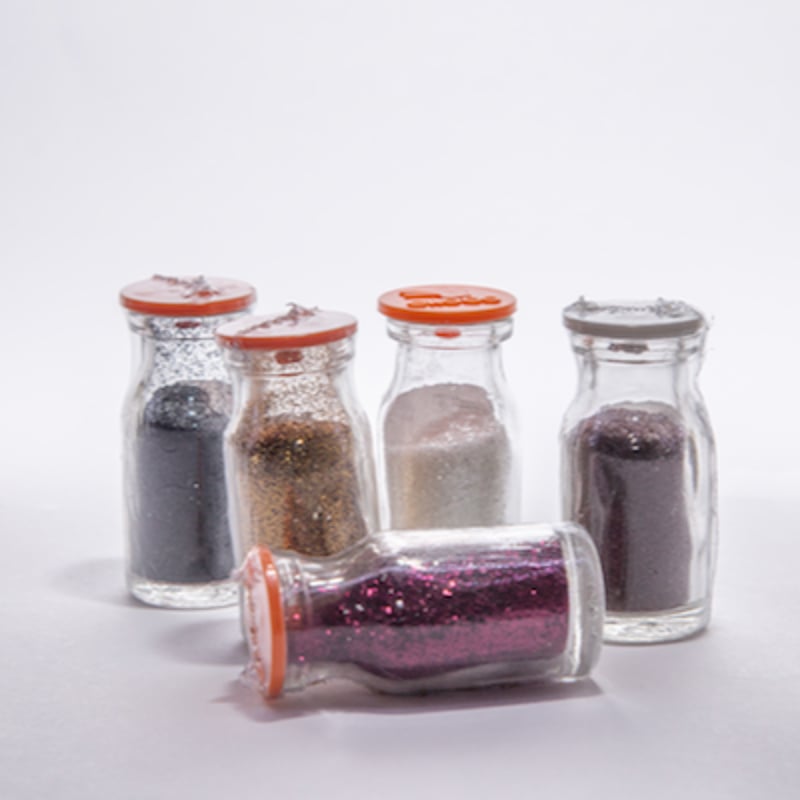
Carborundum is the trademark name for silicon carbide crystals, an abrasive material commonly used in sandpaper, cutting tools, and grinding wheels. Originally, artists used carborundum for grinding lithography stones. In collagraph printmaking, it is applied to plates to create texture and tone gradients, adding depth and contrast to the prints.
Can't find your Answer?
Thank you! Your question has been sent — we'll get back to you shortly.
