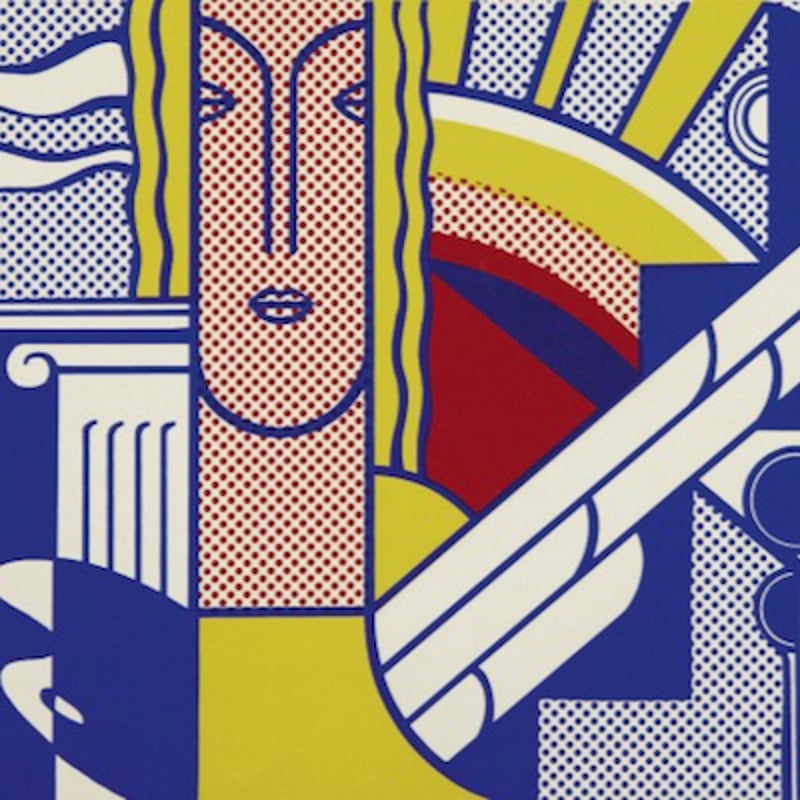
What is late modernism?
- Show All
- Established
- Discoveries
- Show All
Artworks Related to Late modernism
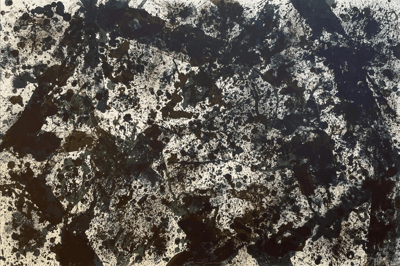
Sam Francis
Dark Cup (SF-141), 1973
Limited Edition Print
Lithograph
USD 6,700

Alexander Calder
Stone Age, ca. 1970
Limited Edition Print
Lithograph
USD 9,600

Alexander Calder
Taches de Rousser (from La Memoire Elementaire), 1976
Limited Edition Print
Lithograph
USD 9,600
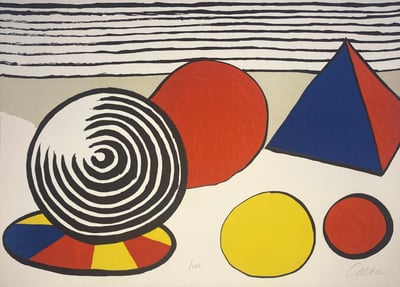
Alexander Calder
Le point de non retour (from La Memoire Elementaire), 1976
Limited Edition Print
Lithograph
USD 9,600
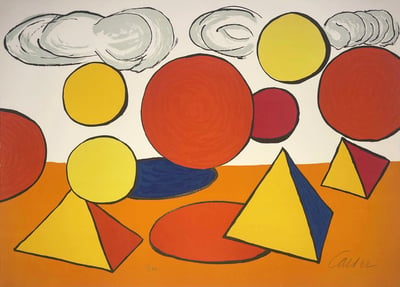
Alexander Calder
Le piège (from La Memoire Elementaire), 1976
Limited Edition Print
Lithograph
USD 9,600
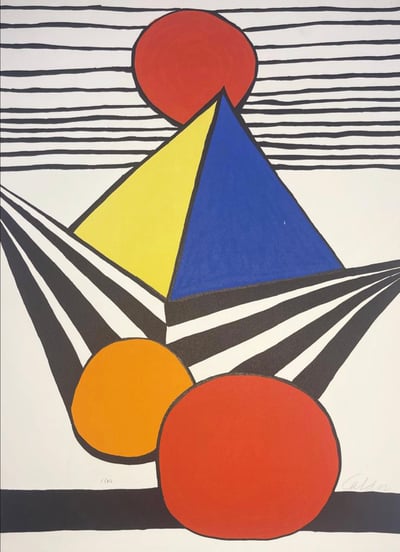
Alexander Calder
La pointe du progrès (from La Memoire Elementaire), 1976
Limited Edition Print
Lithograph
USD 9,600

Roy Lichtenstein
Haystack #1, 1969
Limited Edition Print
Lithograph
USD 19,300
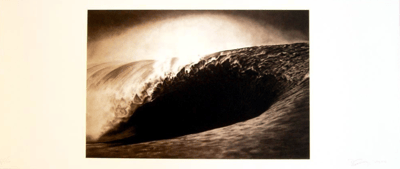
Robert Longo
Untitled #4 Wave, 2000
Limited Edition Print
Lithograph
USD 3,700

Thiebaud Wayne
Crown Tart, 2015
Limited Edition Print
Mixed Media
USD 11,900
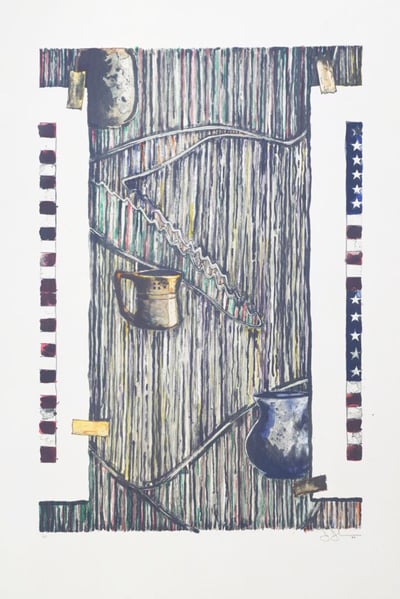
Jasper Johns
Ventriloquist, 1985
Limited Edition Print
Lithograph
USD 13,000

Alexander Calder
Our Unfinished Revolution: Octopus/Squid, 1975-1976
Limited Edition Print
Lithograph
USD 9,600
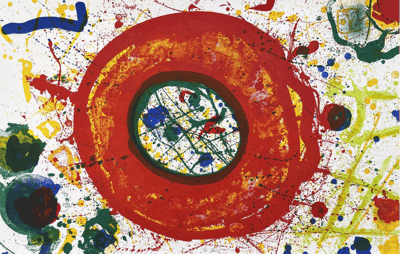
Sam Francis
Untitled (SF-356), 1992
Limited Edition Print
Lithograph
USD 14,400

Jasper Johns
Periscope, 1981
Limited Edition Print
Etching and Aquatint
USD 25,000 - 30,000

David Hockney
Celia in Wicker Chair (black state), 1974 (printed in 1981)
Limited Edition Print
Etching and Aquatint
Currently Not Available

David Hockney
Two Pembroke Studio Chairs from the Moving Focus series, 1984
Limited Edition Print
Lithograph
USD 38,000 - 45,000

Sam Francis
Untitled (SFE-073RC), 1973
Limited Edition Print
Etching and Aquatint
USD 7,800
Related Articles
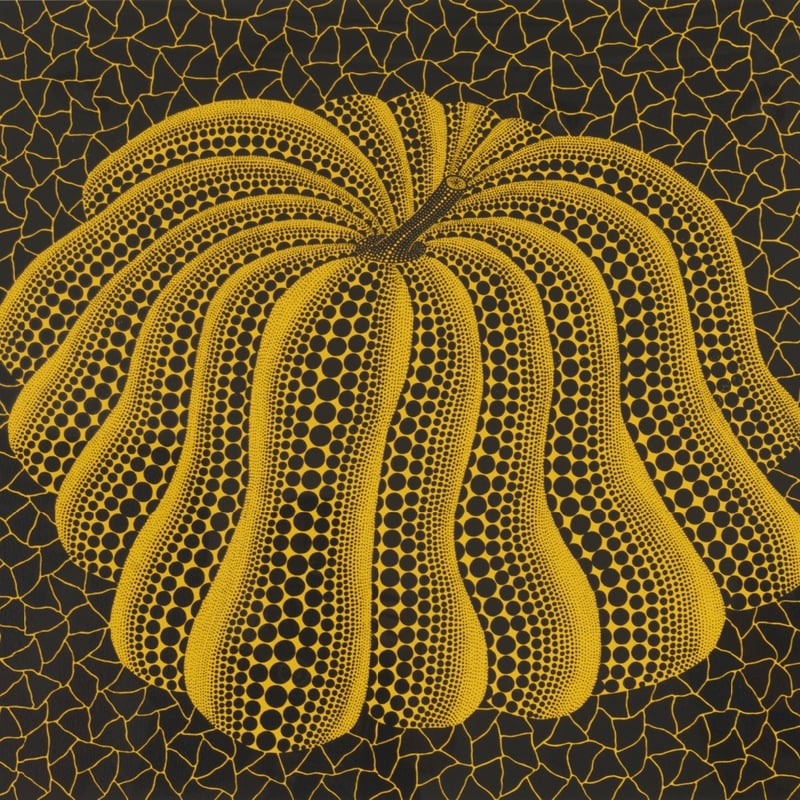
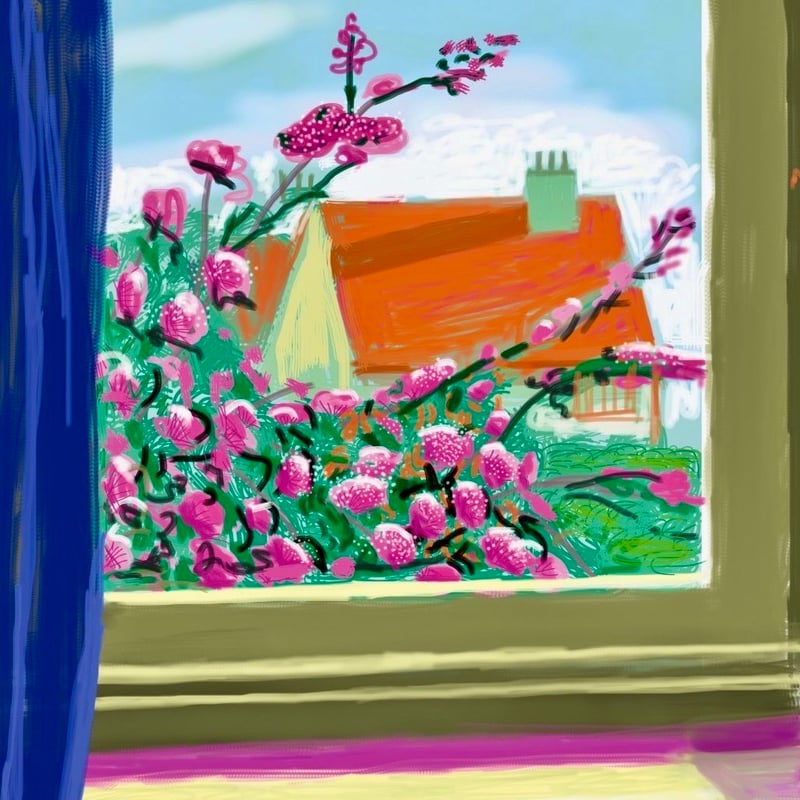
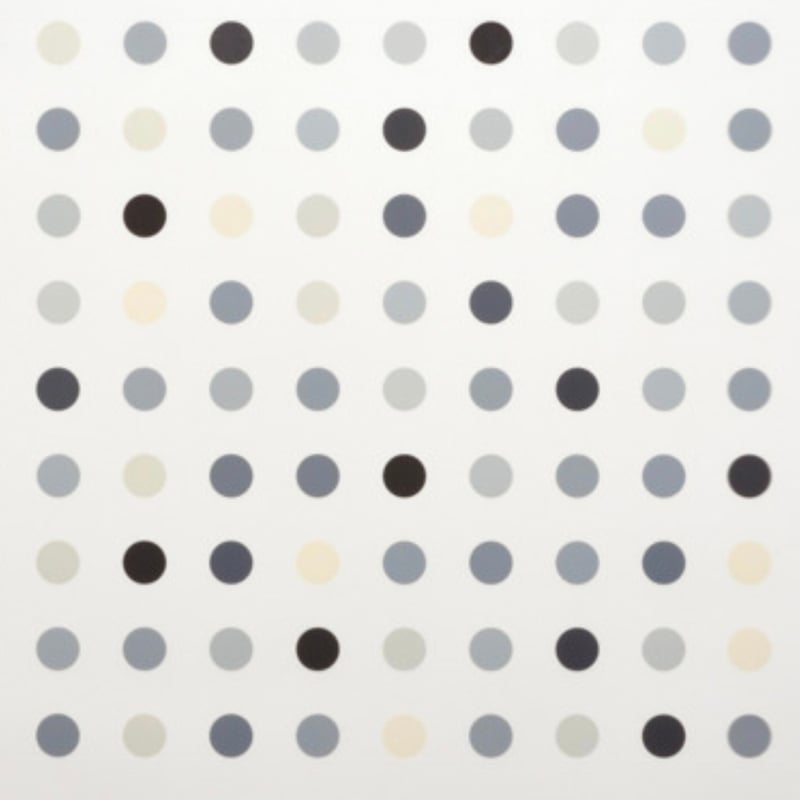
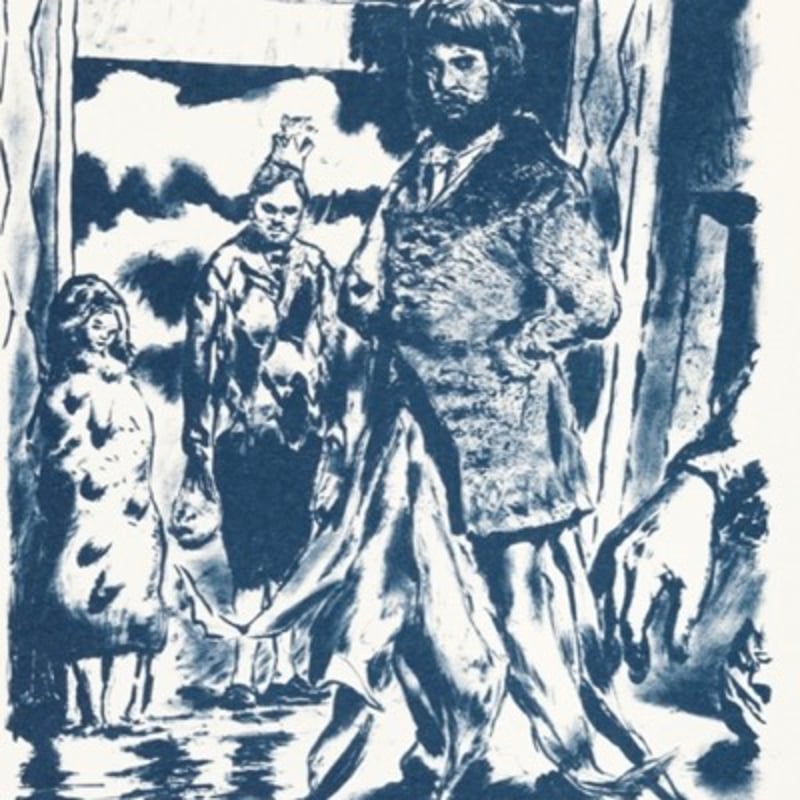
The New Leipzig School is a movement in modern German painting that represents the third generation of artists associated with the Hochschule für Grafik und Buchkunst Leipzig. This movement reflects the post-reunification landscape of Germany. Unlike the first generation of Leipzig painters, the third generation does not have clear, defined characteristics or messages. Instead, their work blends figurative and abstract elements, placing a strong emphasis on creativity and experimentation.

Live art is a form of performance that began in the 1960s and is generally exploratory and innovative. It involves a single artist or an artist group presenting the work before a live audience. The performances can include humans, animals, and living plants, often blurring the boundaries between art and life, and encouraging interaction with the audience.

Surrealism began in the 1920s as an art and literary movement with the goal of revealing the unconscious mind and unleashing the imagination by exploring unusual and dream-like imagery. Influenced by Sigmund Freud’s theories of psychoanalysis, Surrealist artists and writers sought to bring the unconscious into rational life, blurring the lines between reality and dreams. The movement aimed to challenge conventional perceptions and express the irrational aspects of the human experience.
Can't find your Answer?
Thank you! Your question has been sent — we'll get back to you shortly.
