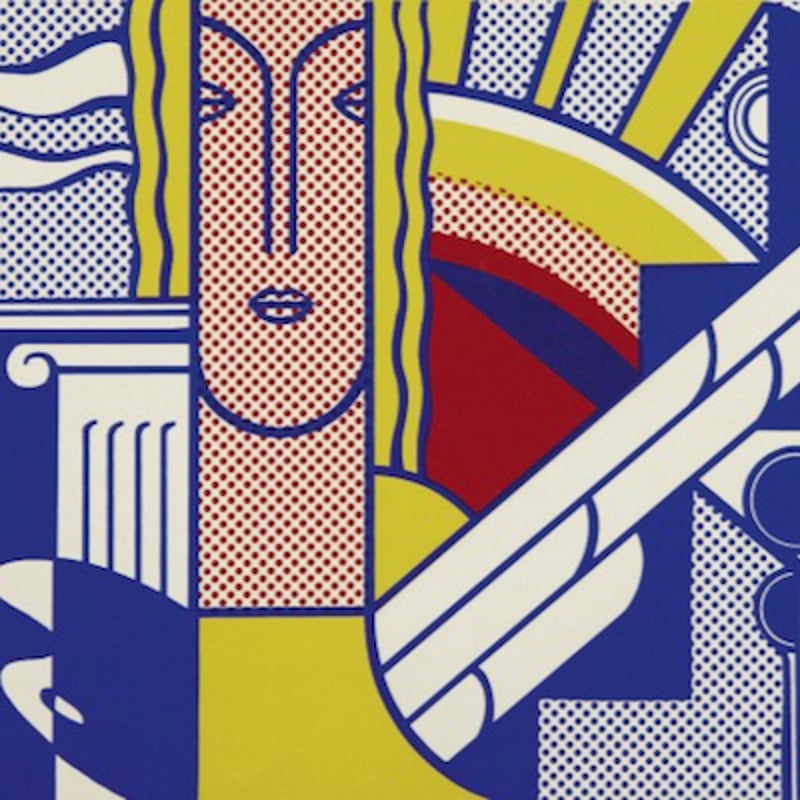
What is late modernism?
- Show All
- Established
- Discoveries
- Show All
Artworks Related to Late modernism
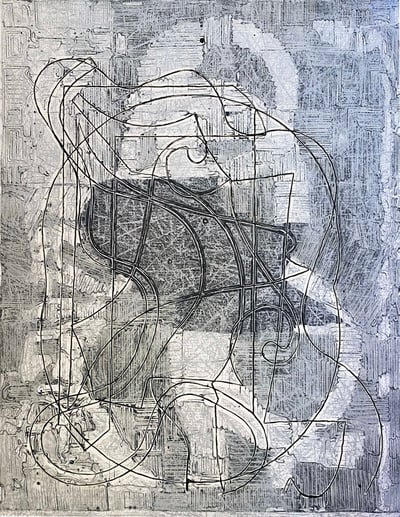
Frank Stella
Imola Three, I (from the Circuits Series), 1982
Limited Edition Print
Mixed Media
USD 43,000 - 50,000

Robert Longo
Joseph (from the Men in the Cities series), 2000
Limited Edition Print
Lithograph
Currently Not Available

Robert Longo
James, 1999
Limited Edition Print
Lithograph
USD 55,000 - 60,000
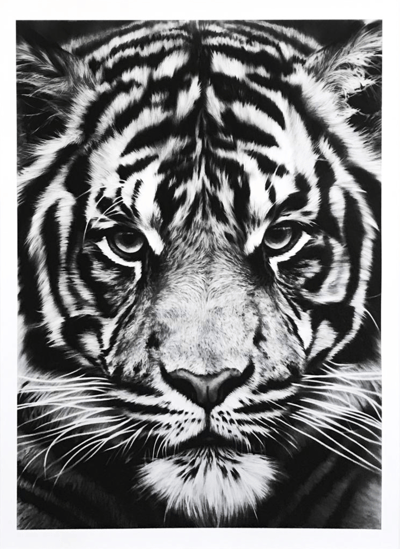
Robert Longo
Untitled (Tiger), 2012
Limited Edition Print
Pigment print
USD 45,000 - 50,000
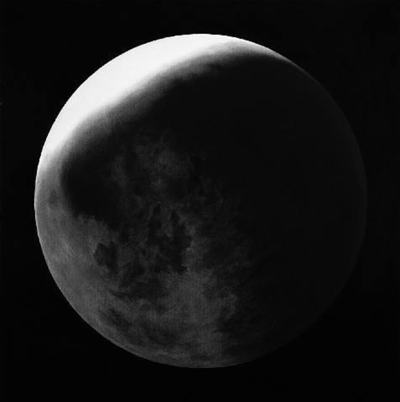
Robert Longo
Untitled (Moon in Shadow), 2006
Limited Edition Print
Pigment print
USD 6,000

Ellsworth Kelly
Mallarmé Suite: Blue, 1992
Limited Edition Print
Lithograph
USD 11,500

Ellsworth Kelly
Green Curve with Radius of 20', 1974
Limited Edition Print
Lithograph
USD 17,800

David Hockney
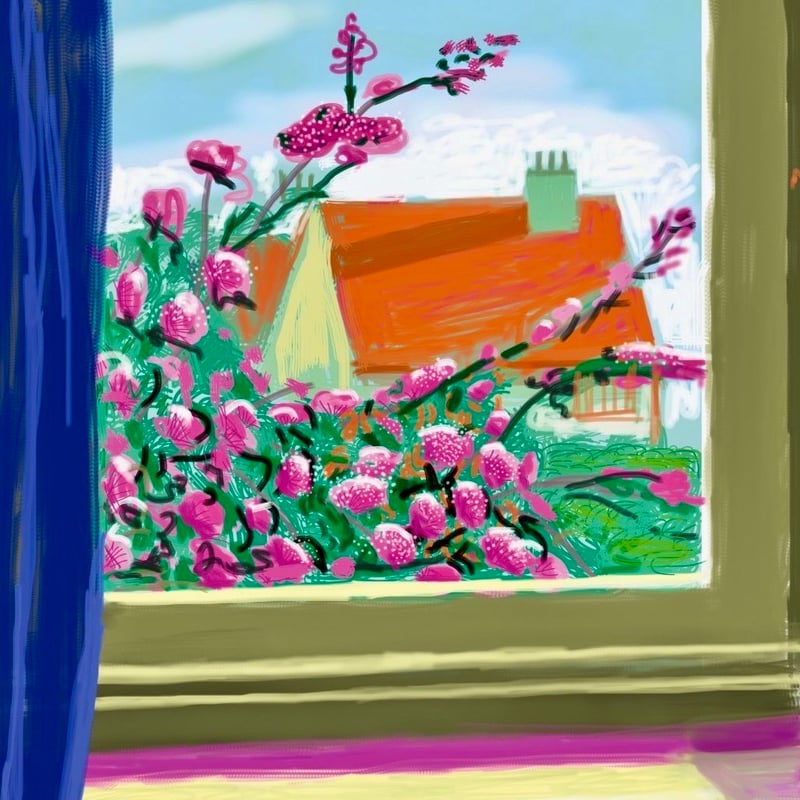
My Window - iPad drawing 'No. 535', 28th June 2009, 2019
Limited Edition Print
Inkjet print
EUR 45,000 - 60,000
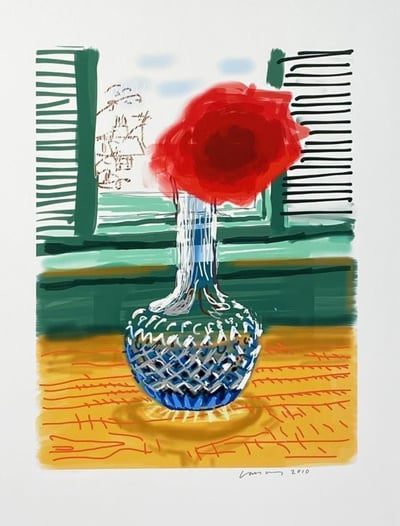
David Hockney
My Window - iPad drawing 'No. 281', 23rd July 2010, 2019
Limited Edition Print
Inkjet print
EUR 45,000 - 60,000

David Hockney
My Window - iPad drawing ‘No. 610', 23rd December 2010, 2019
Limited Edition Print
Inkjet print
EUR 45,000 - 60,000
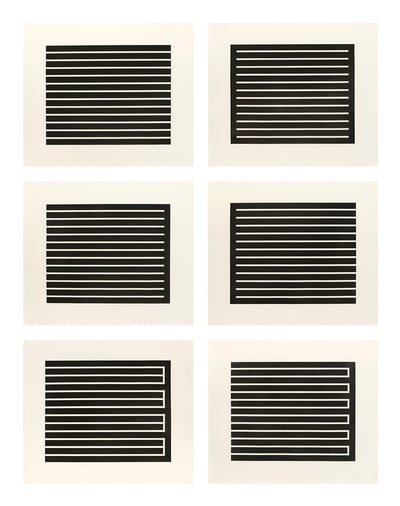
Donald Judd
Untitled (set of 6), 1980
Limited Edition Print
Aquatint
Currently Not Available

Al Held
Camerata XII, 1989
Drawing / Watercolor
Watercolor
USD 29,500
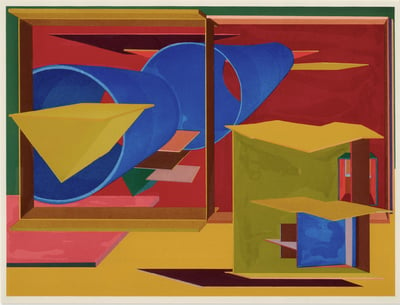
Al Held
Pachinko, 1989
Limited Edition Print
Woodcut
Currently Not Available
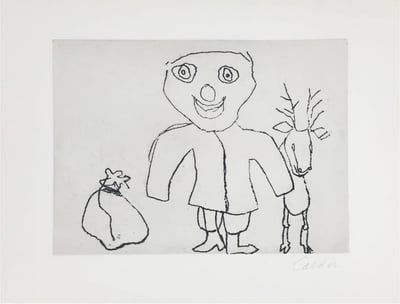
Alexander Calder
Santa Claus X, 1974
Limited Edition Print
Etching
USD 1,700
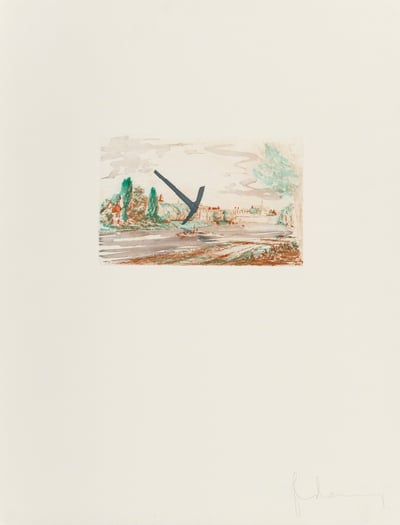
Claes Oldenburg
Pick-Axe Superimposed on a Drawing of Site by EL Grimm, 1982
Limited Edition Print
Etching
Currently Not Available

David Hockney
21st March 2021, Purple and Yellow Flowers in a Vase, 2021
Limited Edition Print
Mixed Media
USD 90,000 - 110,000
Related Articles
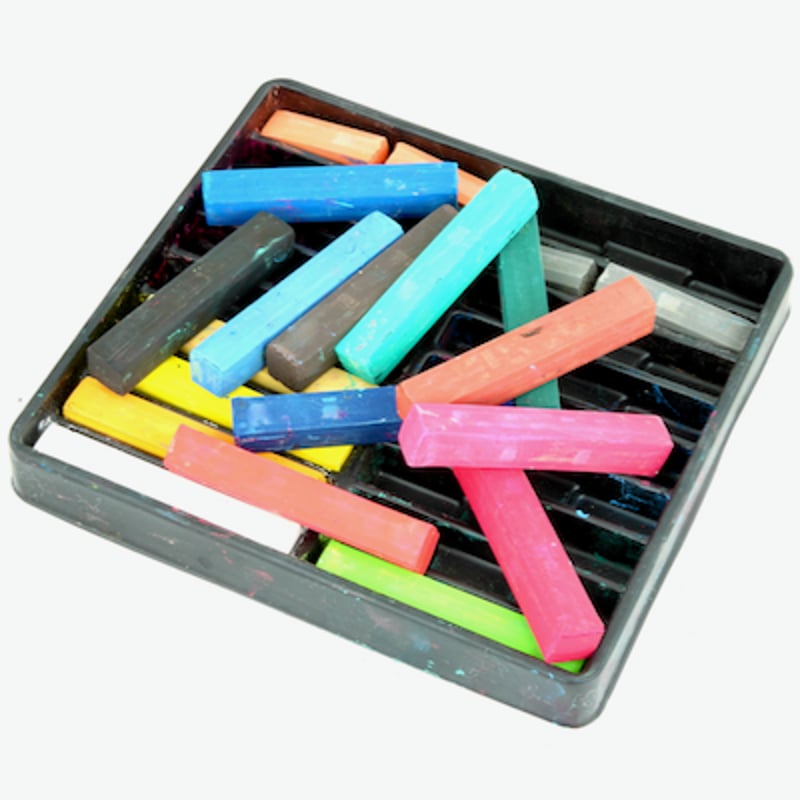
Conté is a vivid, waxy crayon invented by Nicolas-Jacques Conté in 1795. Artists use Conté crayons for detailed drawing, shading large areas, and blending colors. The tips can be sharpened with sanding pads for precision, or the sides can be dragged flat for broad shading.
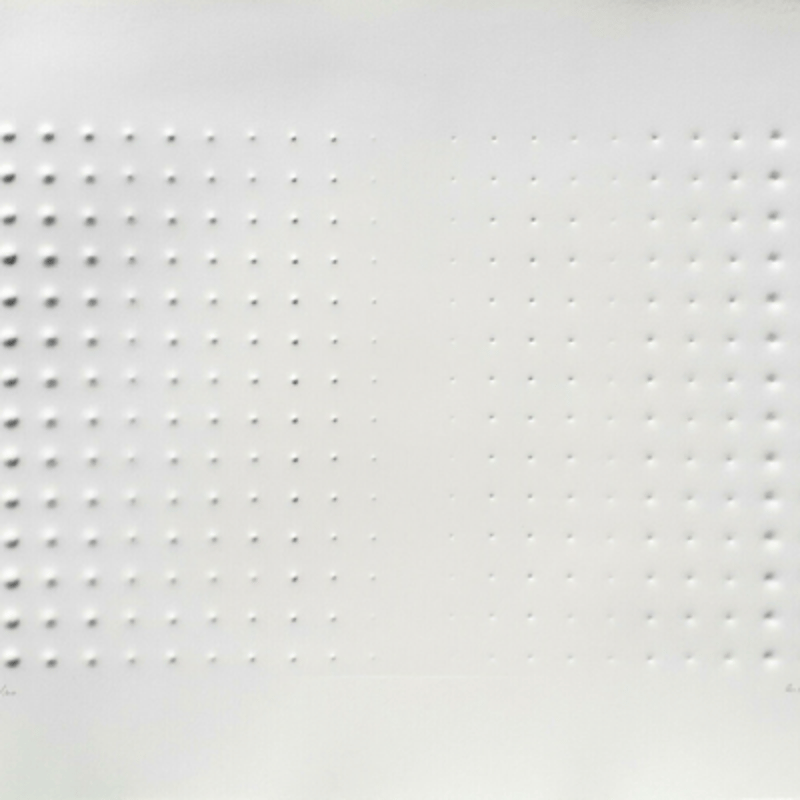
Relief printing is a printmaking process where the design to be printed is etched or cut into a surface, leaving only the raised areas to transfer ink. The non-printing areas are removed, so only the design is inked and printed. Common relief printing techniques include woodcut, linocut, and wood engraving.

Naïve art describes a style of artwork that is simple and unsophisticated, often created by artists without formal training in an academy or art school. The style is characterized by a lack of advanced techniques, giving it a childlike appearance. Naïve art often features bright colors, simple shapes, and a straightforward approach to subject matter, reflecting the artist's untrained perspective.
Can't find your Answer?
Thank you! Your question has been sent — we'll get back to you shortly.
