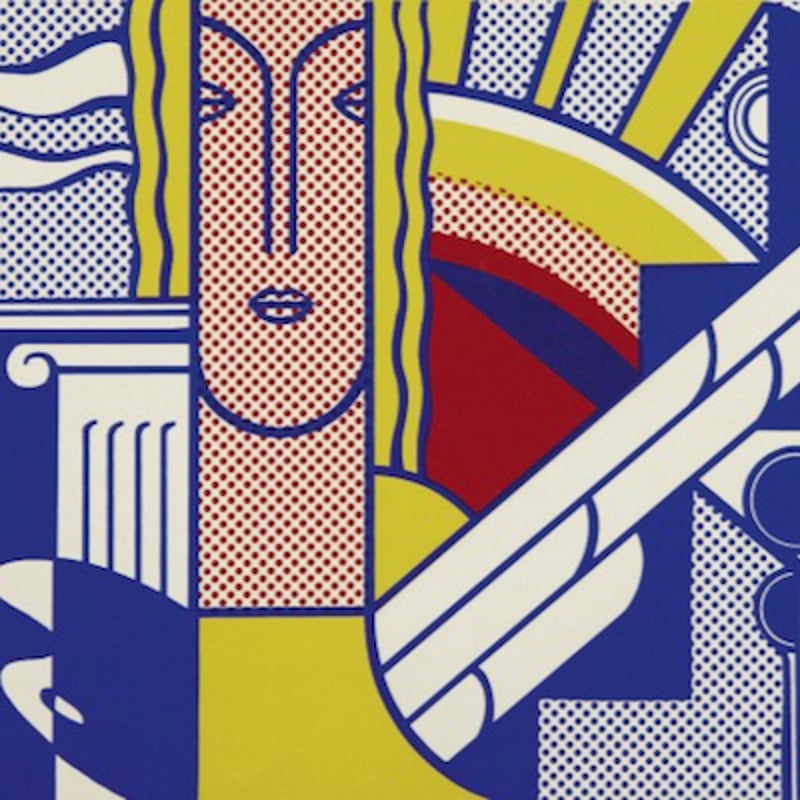
What is late modernism?
- Show All
- Established
- Discoveries
- Show All
Artworks Related to Late modernism
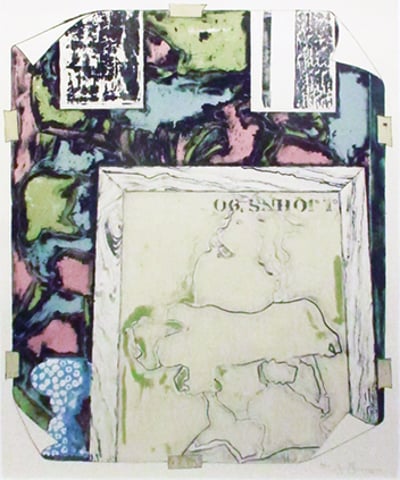
Jasper Johns
Untitled (Fragmented Frame), 1992
Limited Edition Print
Lithograph
USD 10,700
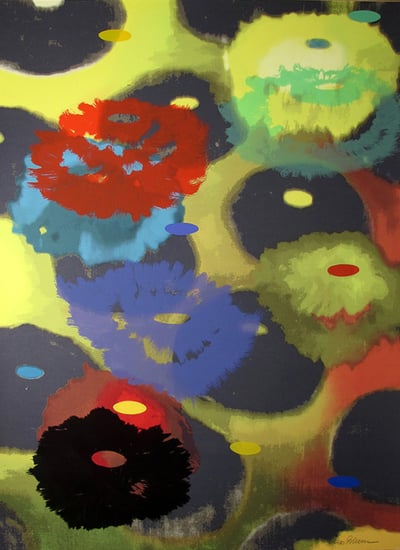
Ross Bleckner
PS III, 1997
Limited Edition Print
Screen-print
USD 3,575
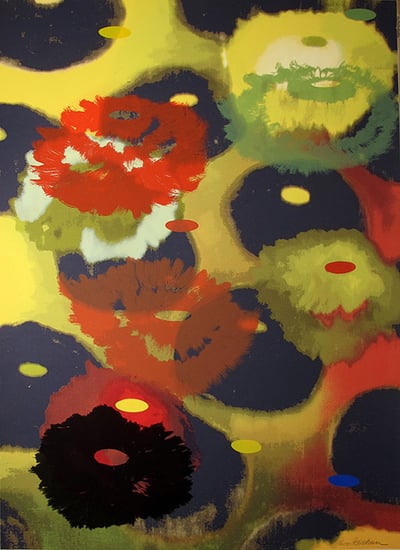
Ross Bleckner
PS I, 1997
Limited Edition Print
Screen-print
USD 3,575
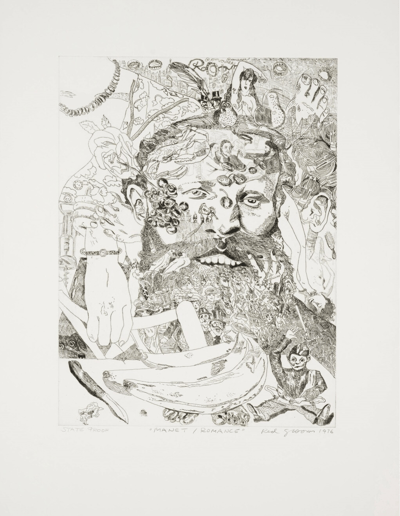
Red Grooms
Manet/Romance, 1980
Limited Edition Print
Etching and Aquatint
Inquire For Price
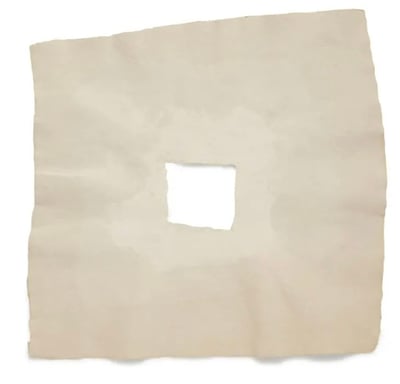
Robert Rauschenberg
Page III, 1974
Limited Edition Print
Mixed Media
Inquire For Price
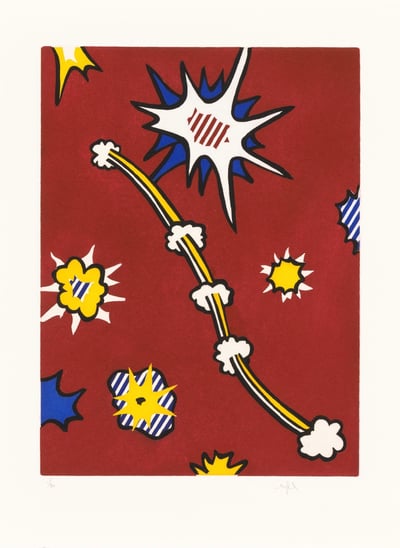
Roy Lichtenstein
De Denver au Montana, Départ 27 Mai 1972 (II), 1991
Limited Edition Print
Etching and Aquatint
USD 12,500
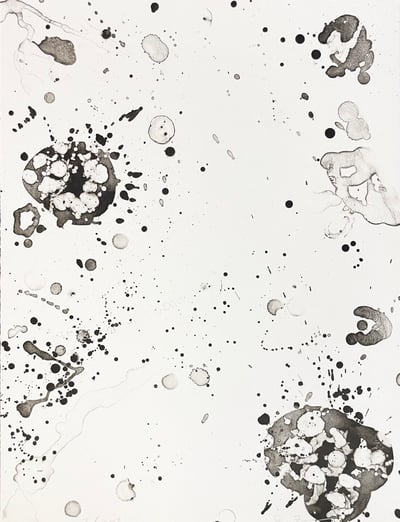
Sam Francis
Spring Solution, 1972
Limited Edition Print
Lithograph
Inquire For Price
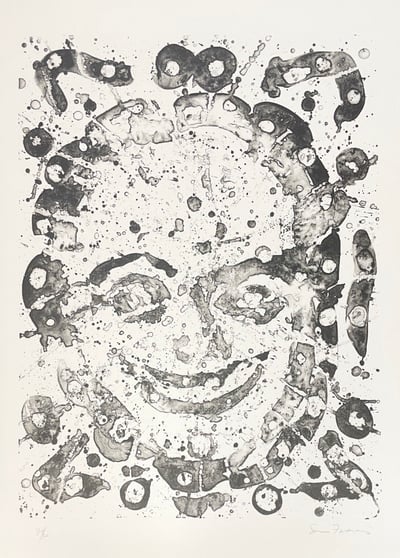
Sam Francis
Self Portrait (SF-051), 1976
Limited Edition Print
Lithograph
Inquire For Price
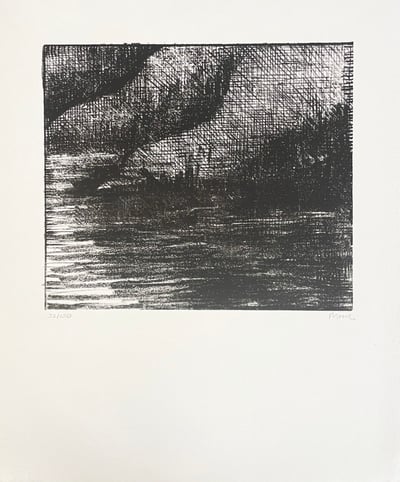
Henry Moore
Fjord, 1974
Limited Edition Print
Lithograph
Inquire For Price
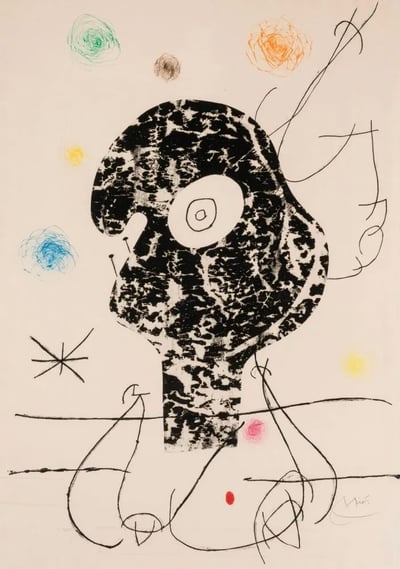
Joan Miró
Emehpylop, 1968
Limited Edition Print
Drypoint
USD 9,700
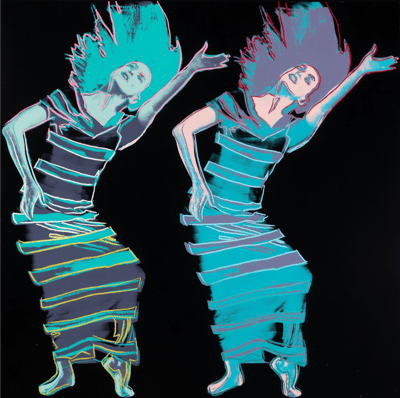
Andy Warhol
Satyric Festival Song, II.387, 1986
Limited Edition Print
Screen-print
USD 50,000 - 60,000
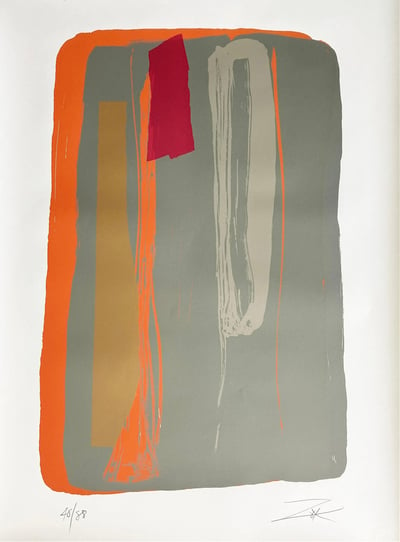
Larry Zox
Untitled 2 from Niagara Series, 1980
Limited Edition Print
Linocut
USD 850
Frank Stella
Private Listing
Sculpture / Object

Frank Stella
Union (from Eccentric Polygons), 1974
Limited Edition Print
Mixed Media
USD 9,500
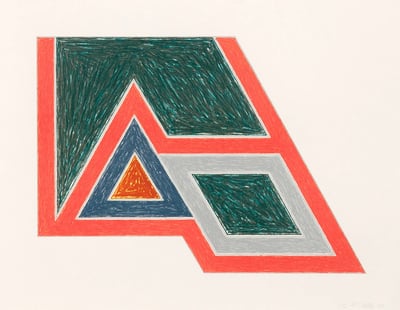
Frank Stella
Sanbornville, 1974
Limited Edition Print
Mixed Media
USD 9,500

Frank Stella
Quathlamba I, 1968
Limited Edition Print
Lithograph
Currently Not Available
Related Articles
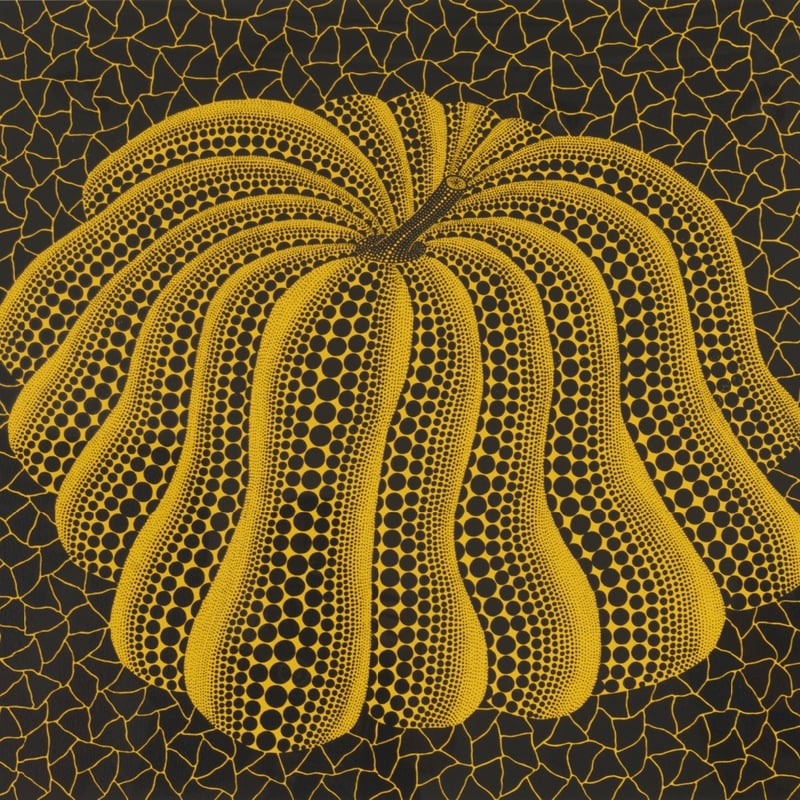
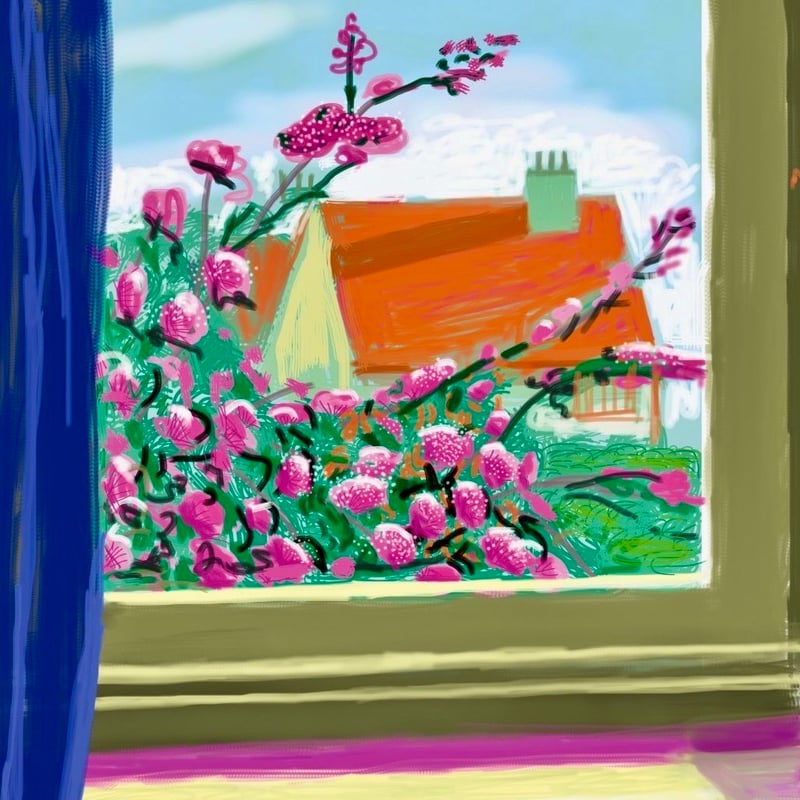
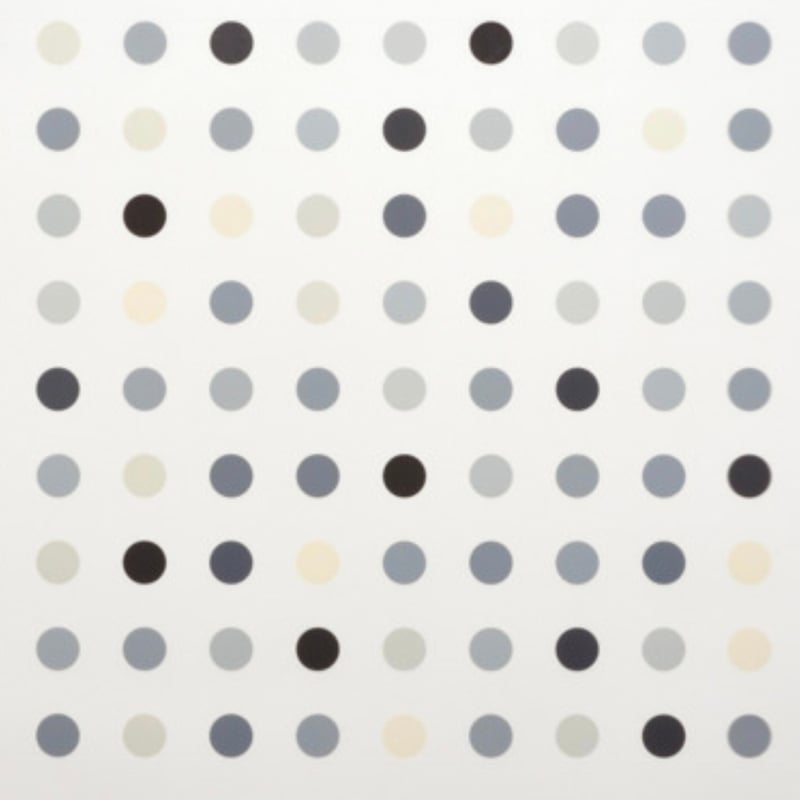
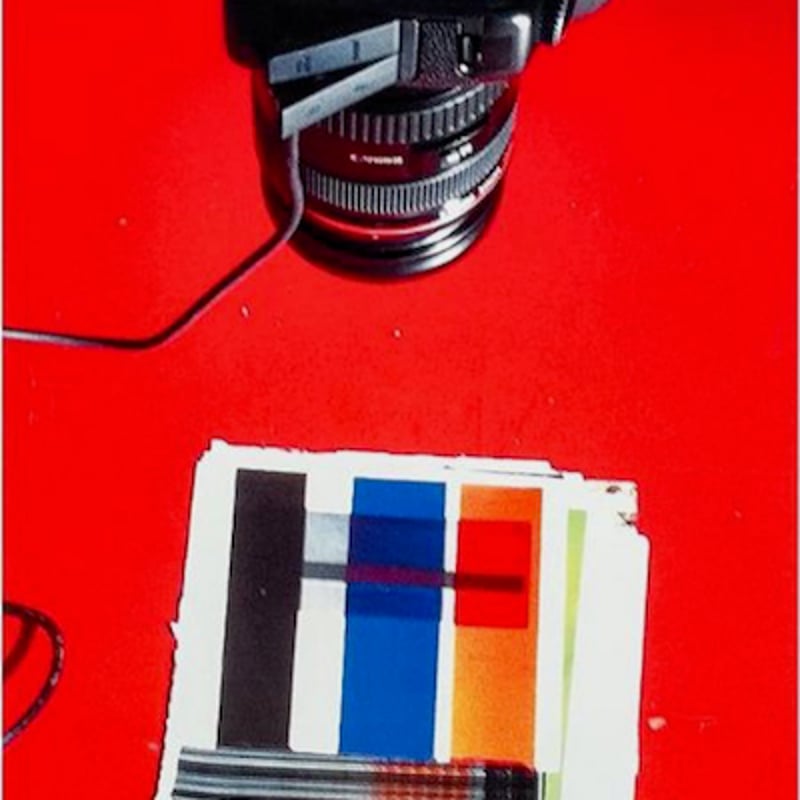
Digital art refers to artistic practices or works that utilize digital technology as an essential component of both the creation and presentation process. Since the 1970s, various terms like multimedia and computer art have been used to describe this practice. Digital art is a subset of the broader category known as new media art, which has brought significant changes to the art world. Technology has transformed traditional forms of painting, drawing, sound/music, and sculpture into new digital formats, expanding the possibilities of artistic expression.

Appropriation in art involves using pre-existing images or objects with little or no modification. This technique has played a significant role across various art forms, including visual arts, music, performance, and literature. In visual arts, appropriation refers to the practice of adopting, sampling, recycling, or borrowing elements—or even entire forms—of existing visual culture, integrating them into new works to create meaning or critique.
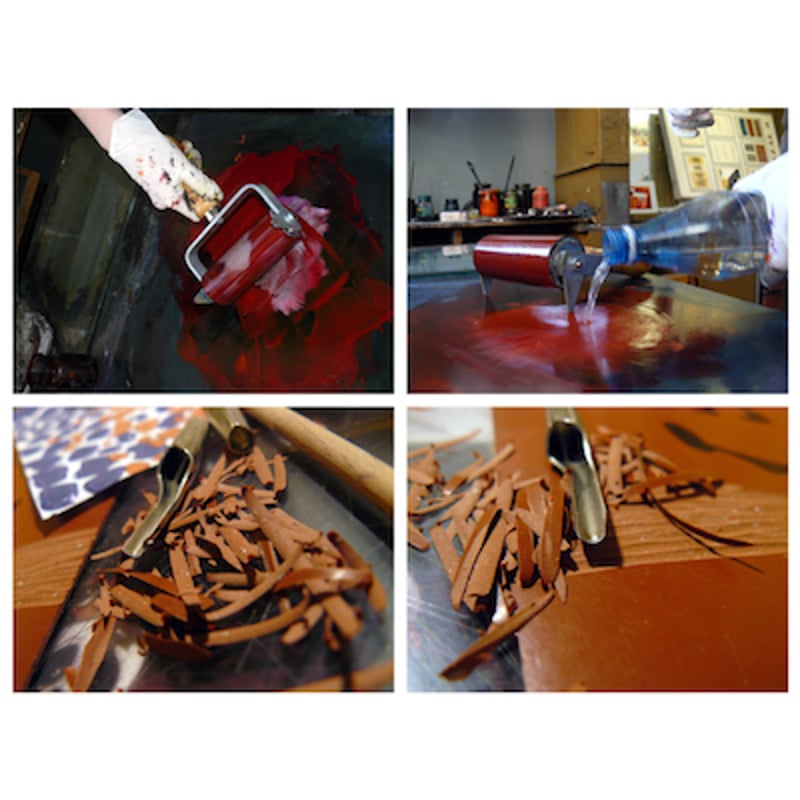
Linocut is a printmaking technique similar to woodcut, where a sheet of linoleum is used as the relief surface. The design is carved into the linoleum using a V-shaped gouge or chisel, creating raised areas that form a mirror image of the final print. Ink is applied to the raised areas with a roller, and the linoleum sheet is then pressed onto fabric or paper. The printing can be done by hand or with a press.
Can't find your Answer?
Thank you! Your question has been sent — we'll get back to you shortly.
