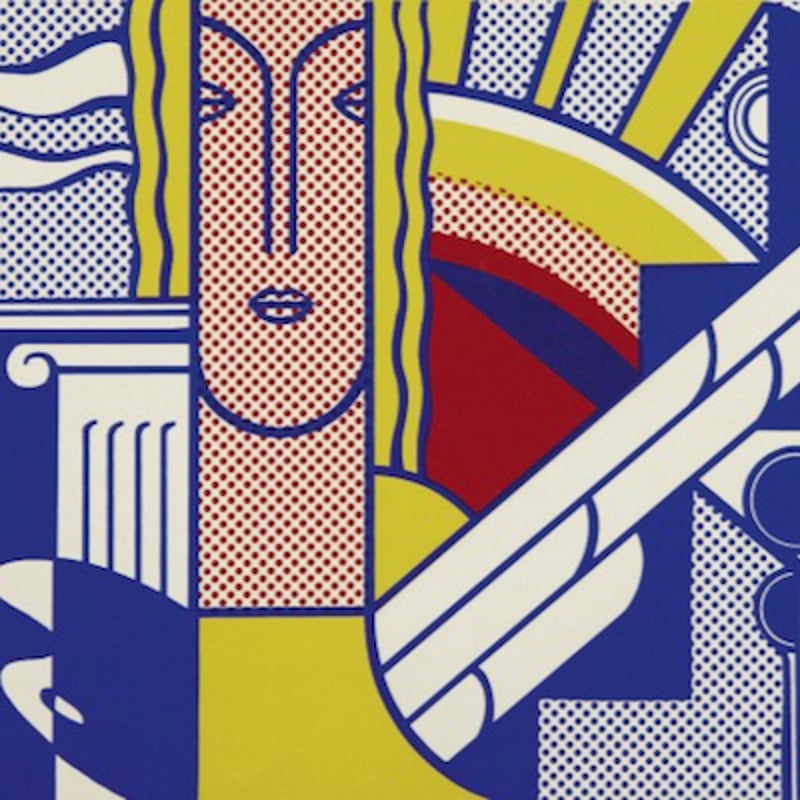
What is late modernism?
- Show All
- Established
- Discoveries
- Show All
Artworks Related to Late modernism
Andy Warhol
Private Listing
Limited Edition Print
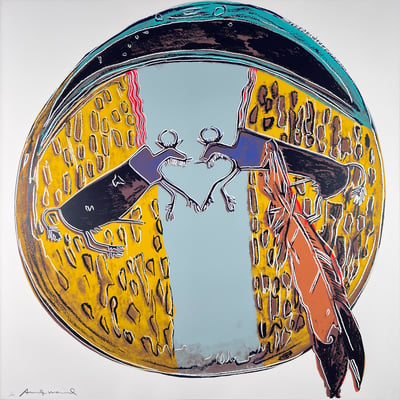
Andy Warhol
Cowboys and Indians: Plains Indian Shield II.382, 1986
Limited Edition Print
Screen-print
USD 30,000 - 42,000
Andy Warhol
Private Listing
Limited Edition Print
Andy Warhol
Private Listing
Limited Edition Print
Robert Longo
Private Listing
Drawing / Watercolor
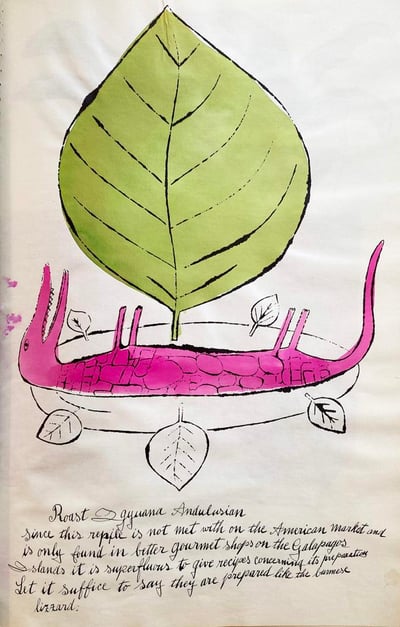
Andy Warhol
Wild Raspberries IV.136A (Roast Iguana), 1959
Limited Edition Print
Offset Print
USD 8,900
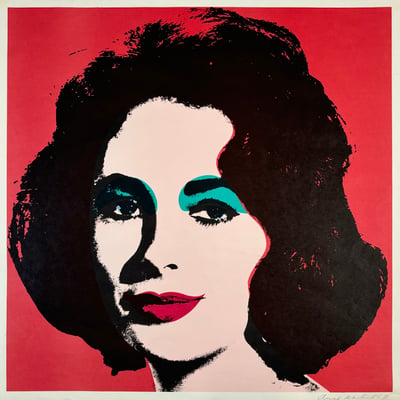
Andy Warhol
Liz, II.7, 1967
Limited Edition Print
Offset Print
Currently Not Available
Roy Lichtenstein
Private Listing
Limited Edition Print
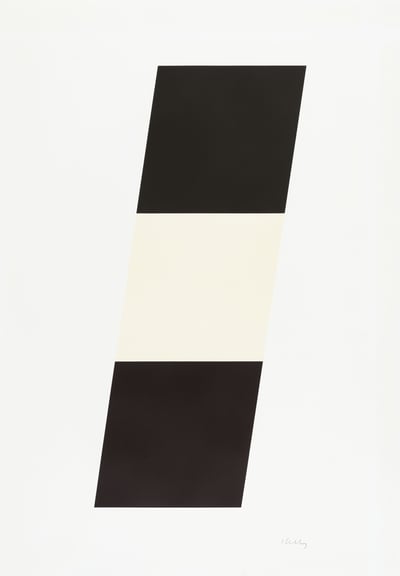
Ellsworth Kelly
Black/White/Black, 1970
Limited Edition Print
Lithograph
USD 10,350
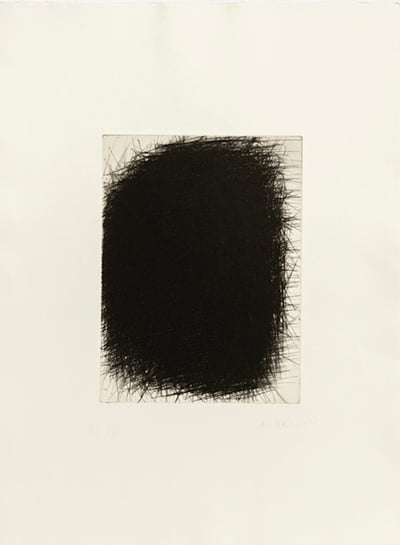
Arnulf Rainer
En Face (schwarz), 1971 - 1972
Limited Edition Print
Drypoint
Currently Not Available
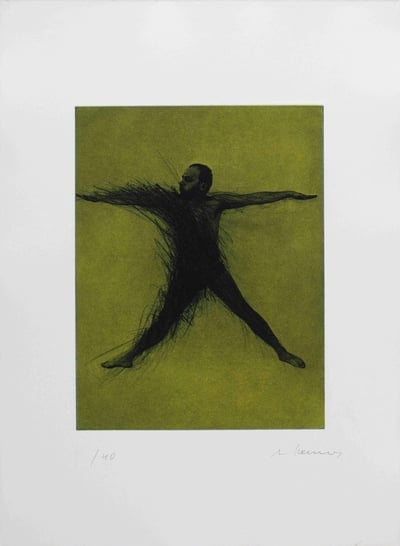
Arnulf Rainer
Body Pose III, 1971 - 1975
Limited Edition Print
Mixed Media
EUR 3,800
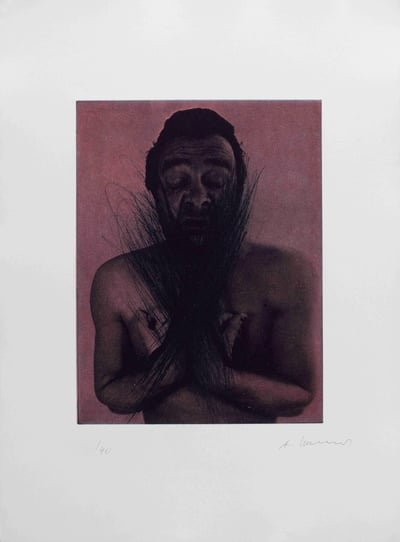
Arnulf Rainer
Body Pose II, 1971 - 1975
Limited Edition Print
Mixed Media
EUR 3,800
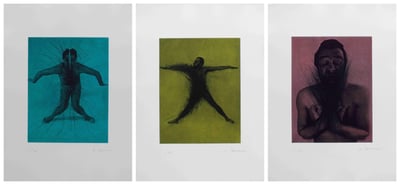
Arnulf Rainer
Body Poses, 1971/72, 1971 - 1975
Limited Edition Print
Mixed Media
EUR 12,000
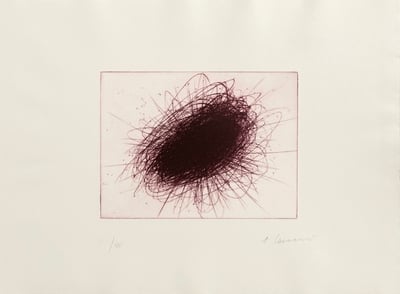
Arnulf Rainer
Kosmos II (violett), 2003
Limited Edition Print
Drypoint
Currently Not Available

Arnulf Rainer
lila Wald, 2001
Limited Edition Print
Drypoint
Currently Not Available
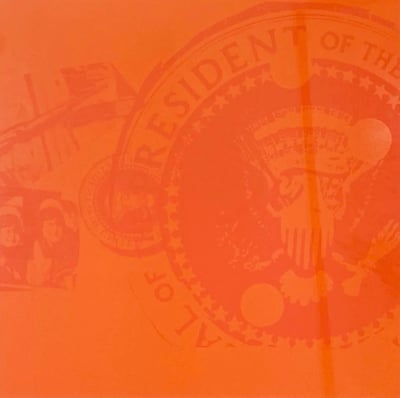
Andy Warhol
Flash - Orange Presidential Seal (T.P.), 1968
Limited Edition Print
Screen-print
USD 20,000 - 25,000
Related Articles
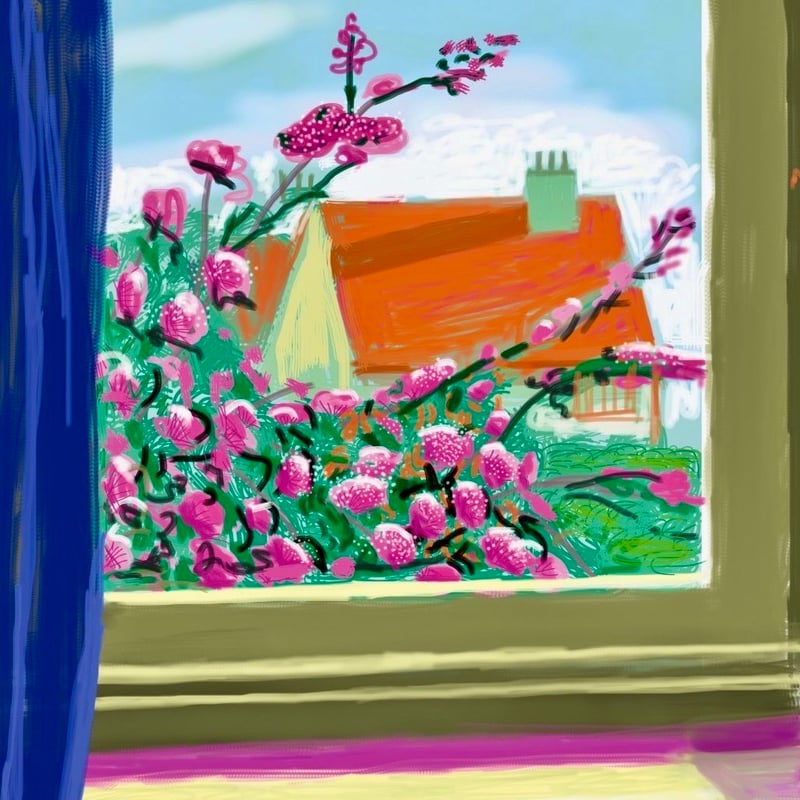
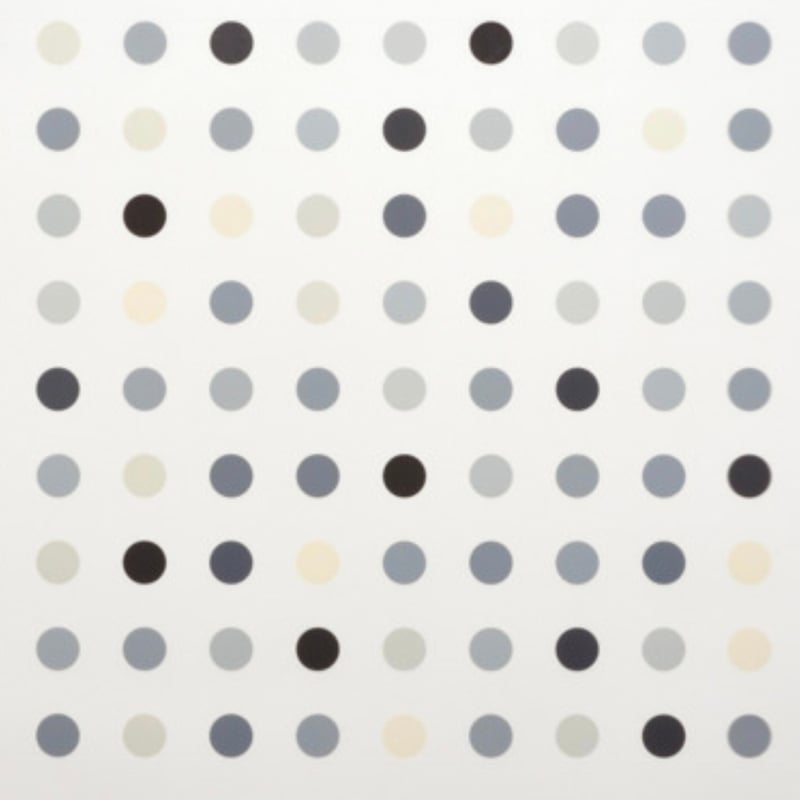
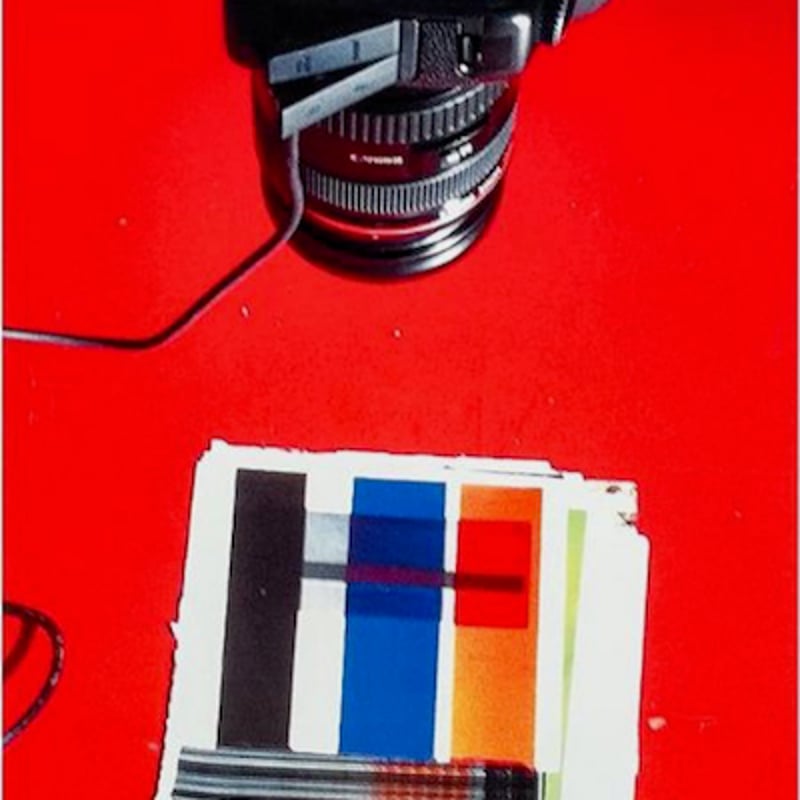
Digital art refers to artistic practices or works that utilize digital technology as an essential component of both the creation and presentation process. Since the 1970s, various terms like multimedia and computer art have been used to describe this practice. Digital art is a subset of the broader category known as new media art, which has brought significant changes to the art world. Technology has transformed traditional forms of painting, drawing, sound/music, and sculpture into new digital formats, expanding the possibilities of artistic expression.
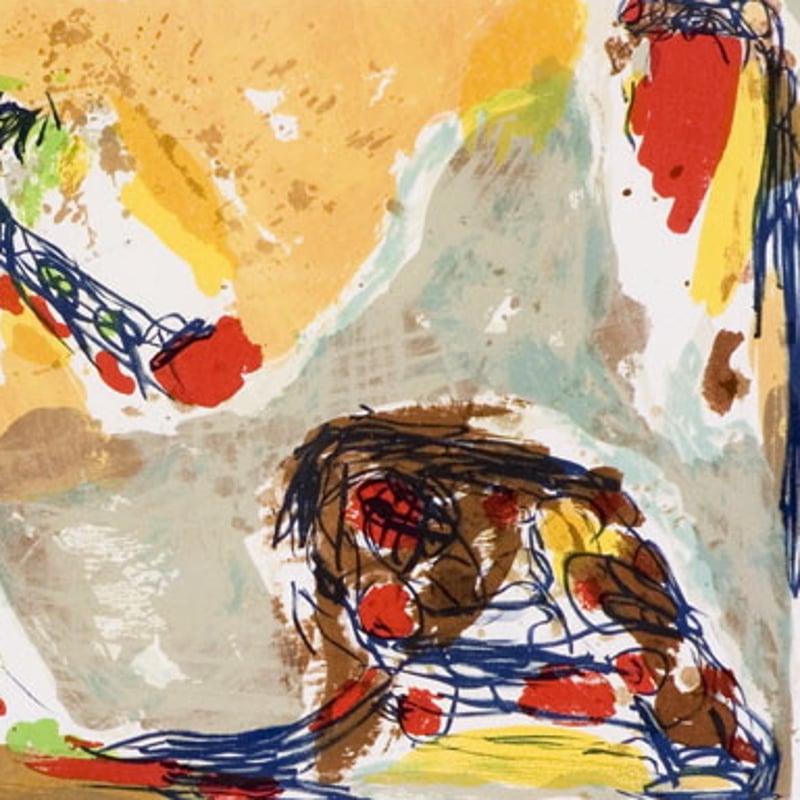
Situationism is a psychological theory that gained prominence in 1968, following the publication of a monograph by Walter Mischel that sparked the Person-situation debate. This theory argues that behavior is primarily influenced by external situational factors rather than internal traits or motivations, challenging the ideas of trait theorists like Raymond B. Cattell and Hans Eysenck, who emphasized stable personality traits. It is important not to confuse this with the Situationist International movement, an artistic and political movement founded by Asger Jorn, which focused on the critique of modern consumer society and the influence of environments on human behavior.
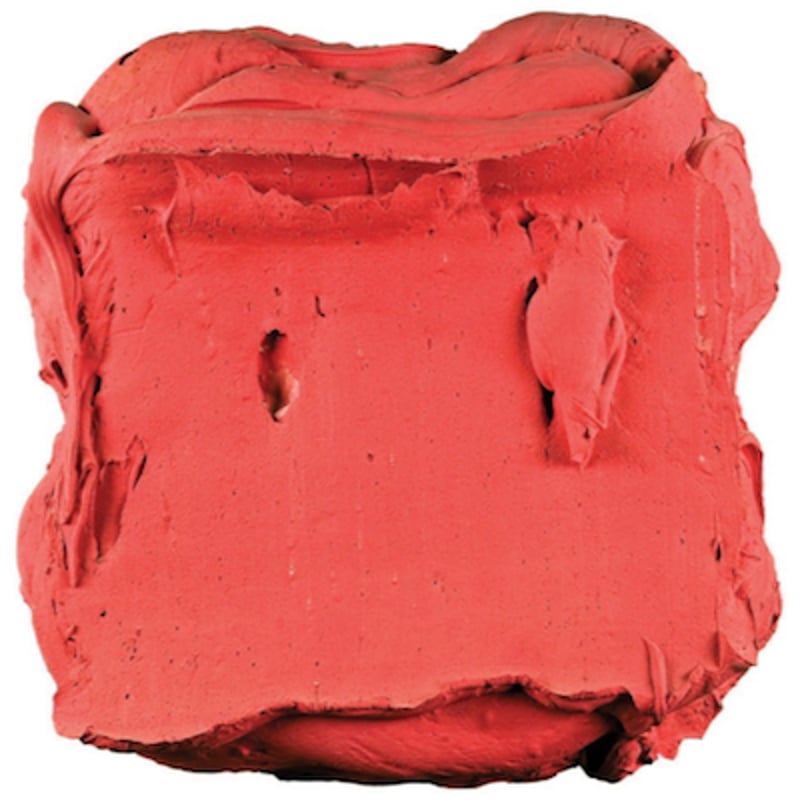
Matter painting is a technique that involves blending thick impasto paints with materials like cement, mud, sand, or shells. The term first emerged in the 1950s to describe the works of Belgian and Dutch painters who explored the physical properties of painting materials and the different ways paint could be manipulated. This approach emphasizes texture and the tactile qualities of the surface, creating a sculptural effect on the canvas.
Can't find your Answer?
Thank you! Your question has been sent — we'll get back to you shortly.
