What is late modernism?
- Show All
- Established
- Discoveries
- Show All
Artworks Related to Late modernism
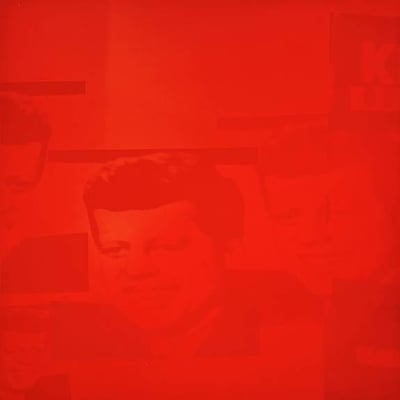
Andy Warhol
Flash - November 22, 1963 (F. S. II.35) (T.P.), 1968
Limited Edition Print
Screen-print
USD 13,900
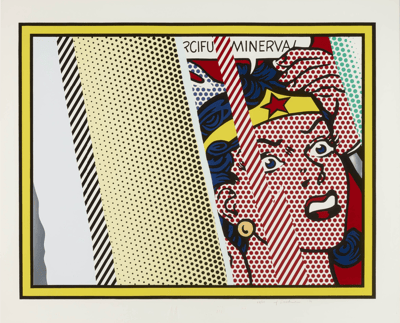
Roy Lichtenstein
Reflections on Minerva, 1990
Limited Edition Print
Mixed Media
Inquire For Price
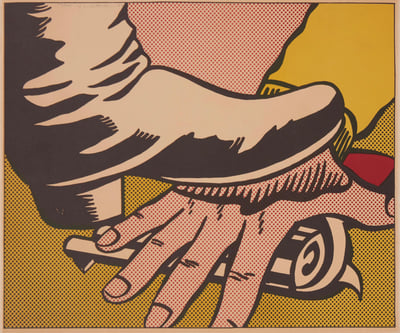
Roy Lichtenstein
Foot and Hand, 1964
Limited Edition Print
Offset Print
Inquire For Price
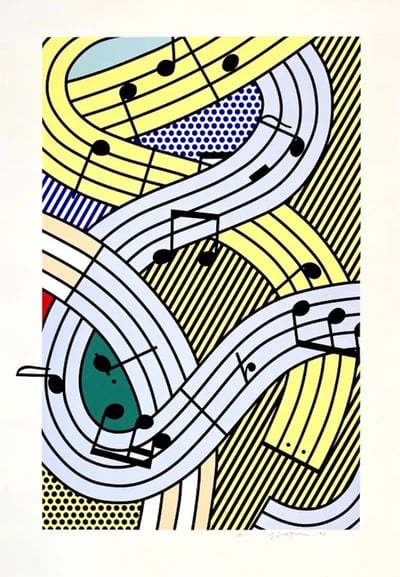
Roy Lichtenstein
Composition III, 1996
Limited Edition Print
Screen-print
Inquire For Price
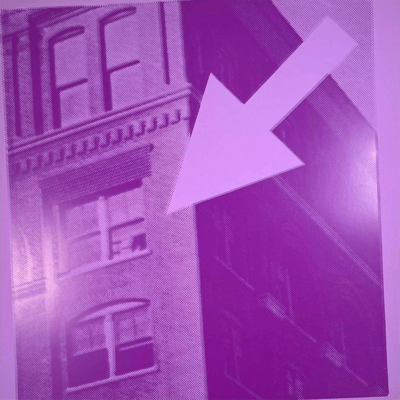
Andy Warhol
Flash - November 22, 1963, II.39, 1968
Limited Edition Print
Screen-print
USD 10,800

Andy Warhol
Flash - November 22, 1963, II.37, 1968
Limited Edition Print
Screen-print
USD 9,600
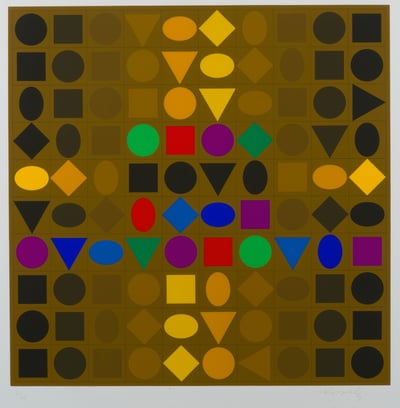
Victor Vasarely
Sorbonne, 1973
Limited Edition Print
Silkscreen
USD 1,350

Andy Warhol
The Witch (F. & S. II.261), 1981
Limited Edition Print
Screen-print
USD 50,000 - 60,000
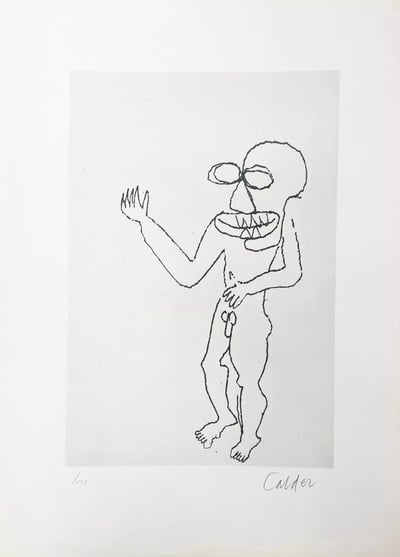
Alexander Calder
Santa Claus VIII, 1974
Limited Edition Print
Etching
USD 1,000

Alexander Calder
Santa Claus VII, 1974
Limited Edition Print
Etching
USD 1,150

Alexander Calder
Santa Claus VI, 1974
Limited Edition Print
Etching
USD 1,000
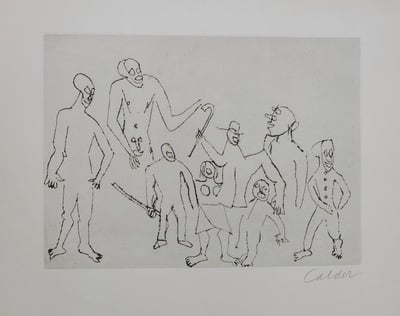
Alexander Calder
Santa Claus IV, 1974
Limited Edition Print
Etching
USD 1,000
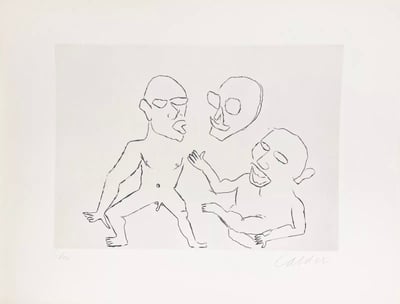
Alexander Calder
Santa Claus III, 1974
Limited Edition Print
Etching
Inquire For Price
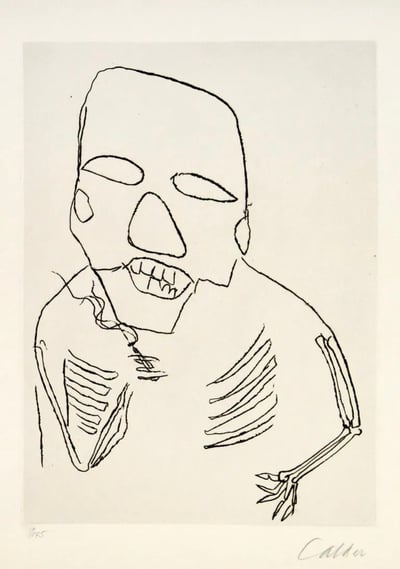
Alexander Calder
Santa Claus I, 1974
Limited Edition Print
Etching
USD 1,000

Alexander Calder
Papouse, 1969
Limited Edition Print
Lithograph
Currently Not Available

Alexander Calder
McGovern for McGovernment , 1972
Limited Edition Print
Screen-print
USD 1,850
Related Articles
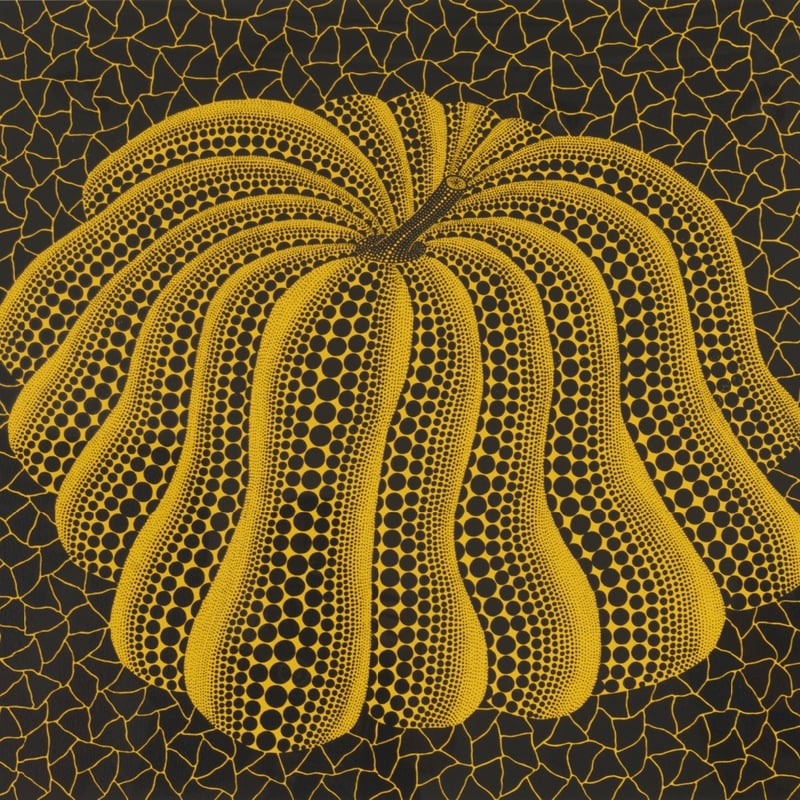


Woodcut is a printing technique where an image is carved into the surface of a woodblock using gouges, with the remaining flat surface holding the ink for printing. The areas cut away by the artist do not carry ink, while the uncut areas do, producing the desired print. The carving follows the wood's grain, unlike wood engraving, where the block is cut across the end-grain. Ink is applied to the surface with a roller, ensuring only the flat, uncarved areas receive ink, leaving the recessed, non-printing areas clean.

Appropriation in art involves using pre-existing images or objects with little or no modification. This technique has played a significant role across various art forms, including visual arts, music, performance, and literature. In visual arts, appropriation refers to the practice of adopting, sampling, recycling, or borrowing elements—or even entire forms—of existing visual culture, integrating them into new works to create meaning or critique.

Activist Art is a form of art created to address social and political issues. It often involves public engagement and works closely with communities to raise awareness or inspire change. While it can include elements of performance art, it is not limited to this form. Examples include creating and distributing social protest posters or organizing community-based art projects that highlight specific causes.
Can't find your Answer?
Thank you! Your question has been sent — we'll get back to you shortly.
