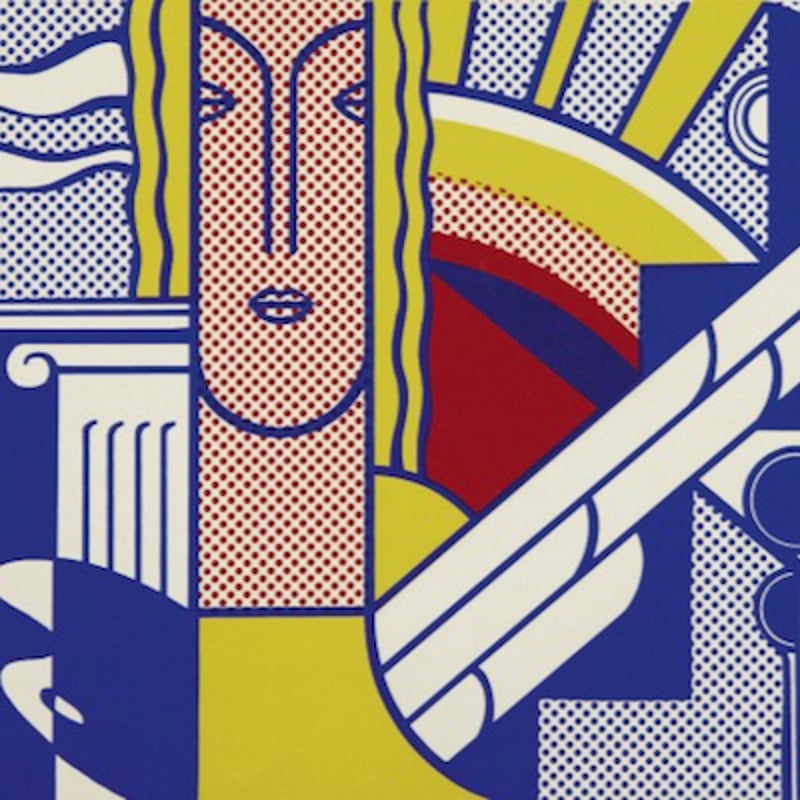
What is late modernism?
- Show All
- Established
- Discoveries
- Show All
Artworks Related to Late modernism
Andy Warhol
Private Listing
Limited Edition Print
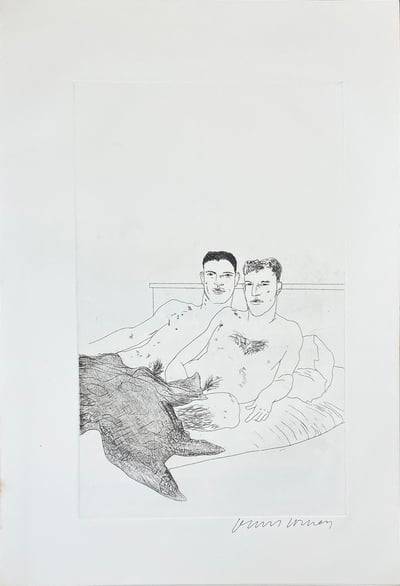
David Hockney
Illustrations for Fourteen Poems from C.P. Cavafy: The Beginning, 1966
Limited Edition Print
Etching and Aquatint
USD 5,800
Andy Warhol
Private Listing
Painting
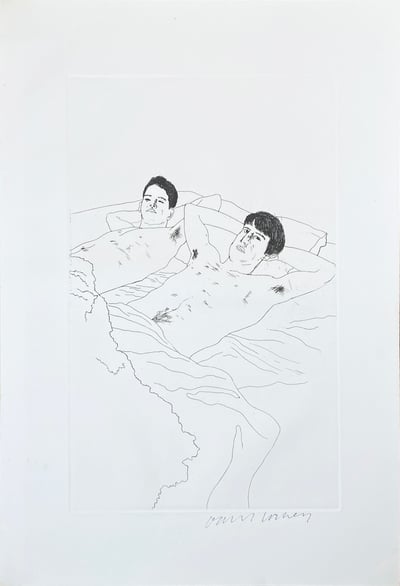
David Hockney
Illustrations for Fourteen Poems from C.P. Cavafy: In Despair, 1966
Limited Edition Print
Etching and Aquatint
USD 5,800
Andy Warhol
Private Listing
Limited Edition Print
Andy Warhol
Private Listing
Limited Edition Print
Andy Warhol
Private Listing
Limited Edition Print
Andy Warhol
Private Listing
Limited Edition Print
Robert Rauschenberg
Private Listing
Drawing / Watercolor
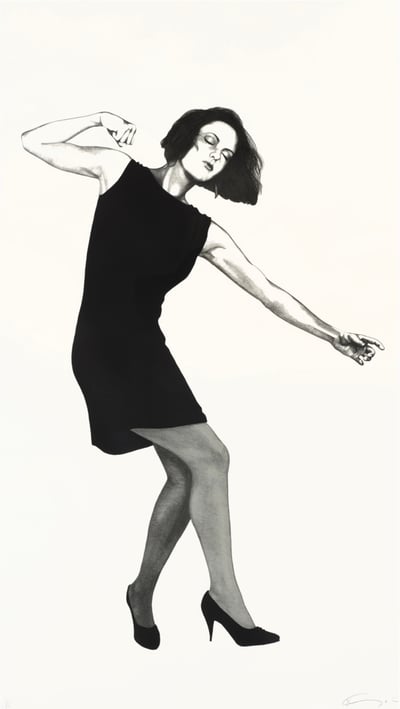
Robert Longo
Tillman, 2000
Limited Edition Print
Lithograph
USD 40,000 - 50,000
Andy Warhol
Private Listing
Limited Edition Print
Andy Warhol
Private Listing
Limited Edition Print
Sam Francis
Private Listing
Drawing / Watercolor
Andy Warhol
Private Listing
Drawing / Watercolor
Andy Warhol
Private Listing
Drawing / Watercolor
Andy Warhol
Private Listing
Drawing / Watercolor
Related Articles
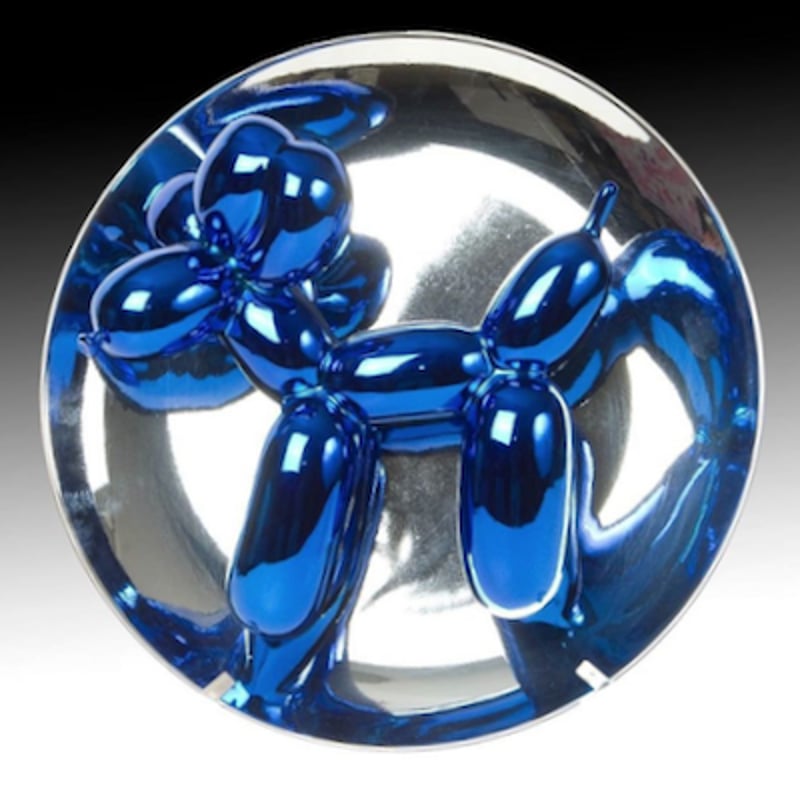
Multiples refer to a series of identical art objects produced in limited editions according to the artist's concept. These works are specifically created for sale and are often considered the most affordable and accessible form of contemporary art. What sets multiples apart is their lack of uniqueness, which is typically seen as essential in traditional artworks. Instead, they offer value and enjoyment while making contemporary art more widely available.
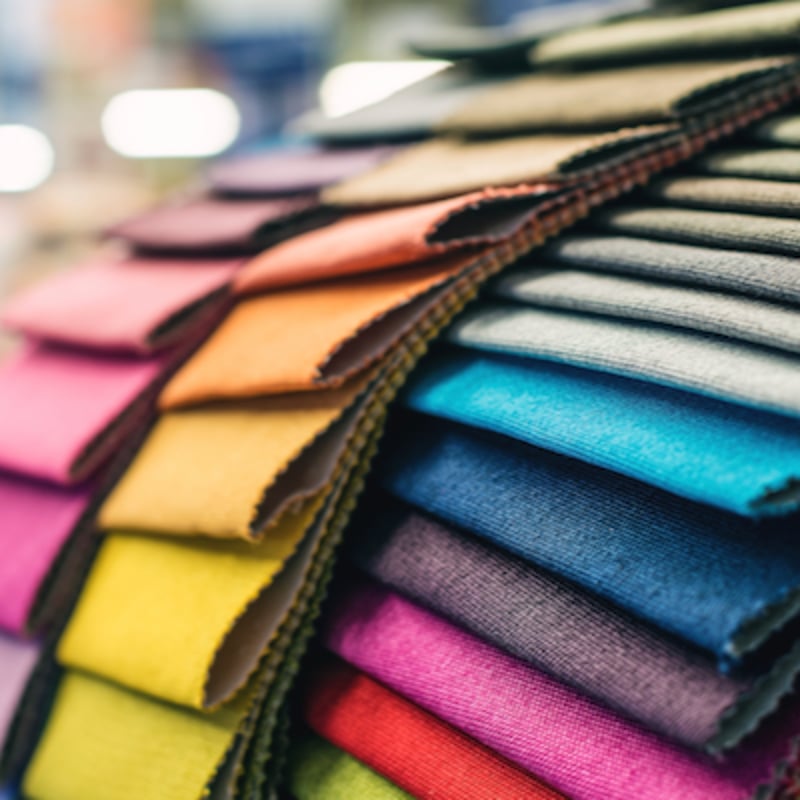
Textile refers to a flexible material made by weaving, felting, crocheting, knitting, or knotting long strands of natural or synthetic yarn or thread. Textile artists often create their own materials or use selected textiles in fabric art compositions, incorporating a wide range of textures and patterns.
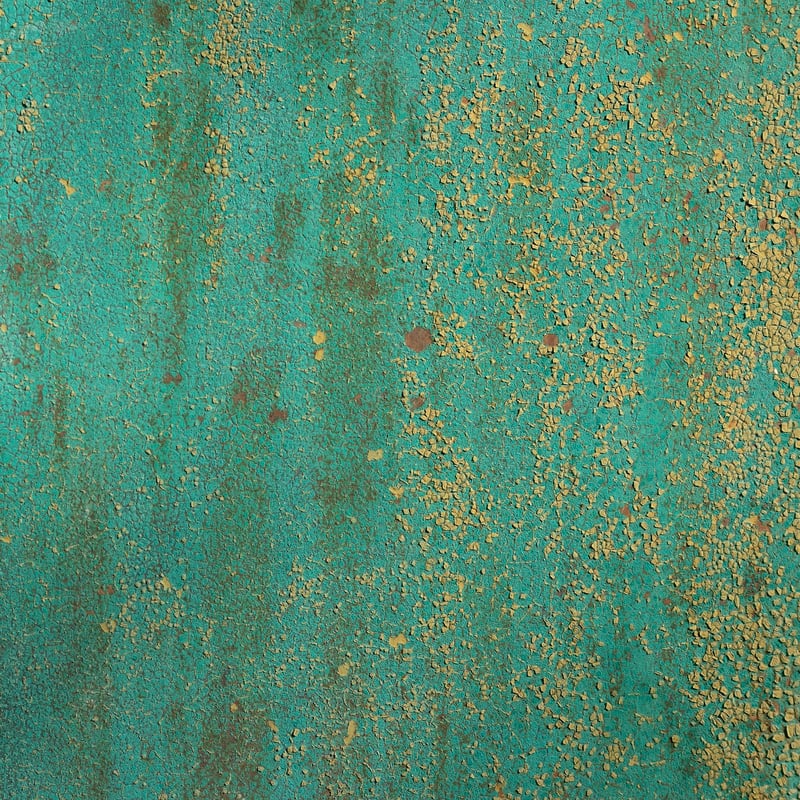
Patina is the distinctive greenish surface that bronze develops over time due to exposure to air and humidity. Artists can also apply chemicals to bronze to artificially create patina. Alternatively, bronze can be polished to reveal its natural rich gold color. Patina is not exclusive to bronze; it can also occur on other metals like copper and even on wood and stone, enhancing the material's character over time.
Can't find your Answer?
Thank you! Your question has been sent — we'll get back to you shortly.
