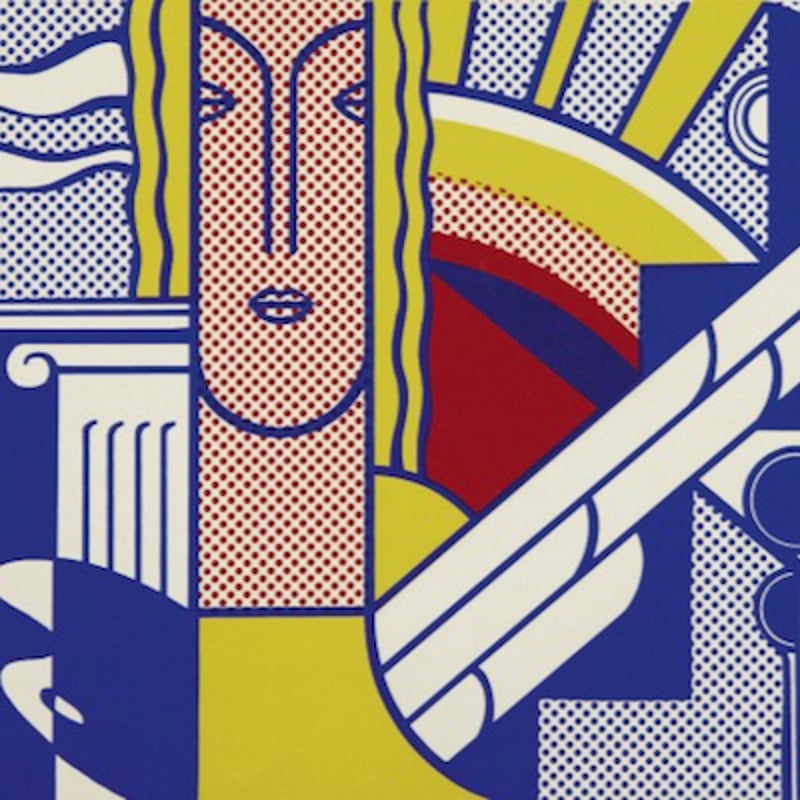
What is late modernism?
- Show All
- Established
- Discoveries
- Show All
Artworks Related to Late modernism
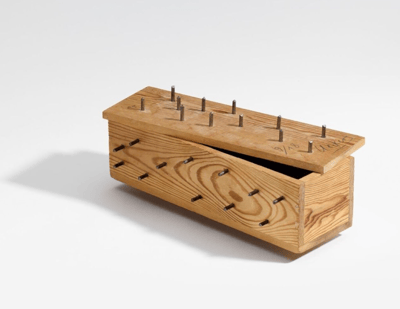
Gunther Uecker
Souvenir for Verheyen, 1989
Sculpture / Object
Mixed Media
GBP 15,000 - 20,000
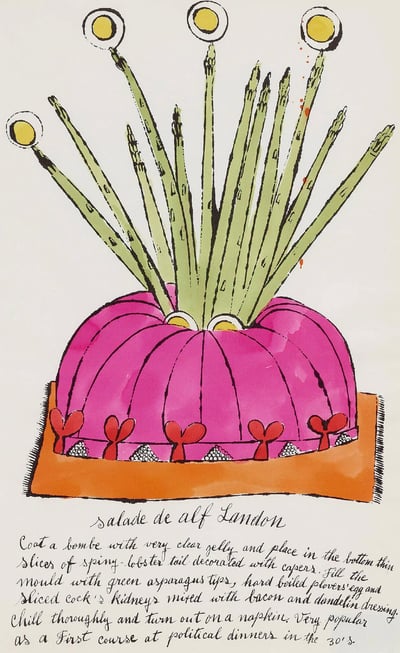
Andy Warhol
Salade de alf Landon (Wild Raspberries IV.128A), 1959
Limited Edition Print
Offset Print
Inquire For Price
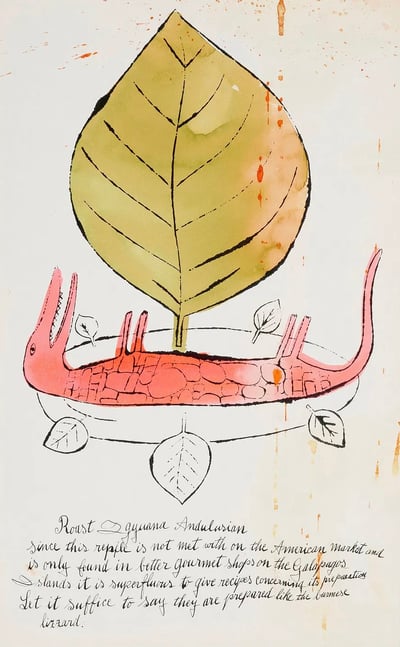
Andy Warhol
Wild Raspberries IV.136A (Roast Iguana), 1959
Limited Edition Print
Offset Print
Inquire For Price
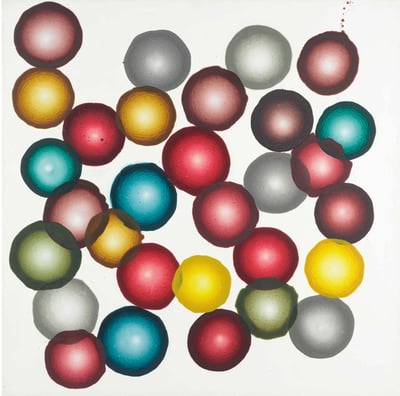
Ross Bleckner
Untitled, 2001
Painting
Mixed Media
Inquire For Price
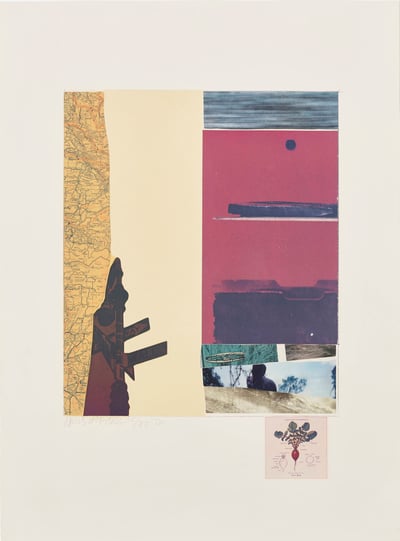
Robert Rauschenberg
XI (from Horsefeathers Thirteen), 1972
Limited Edition Print
Mixed Media
Inquire For Price
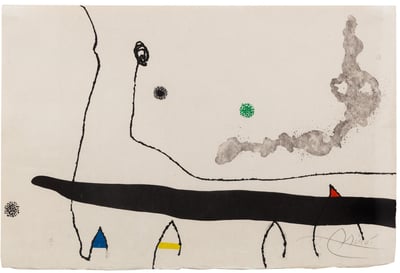
Joan Miró
Le Marteau sans maître: one plate, 1976
Limited Edition Print
Etching and Aquatint
USD 4,950
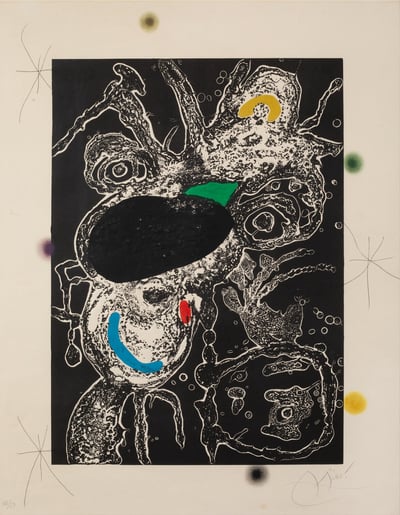
Joan Miró
Plate III from Espriu-Miró, 1975
Limited Edition Print
Etching and Aquatint
USD 8,350
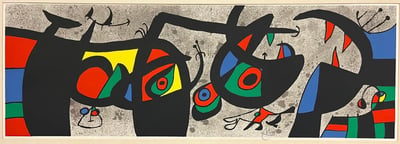
Joan Miró
Le lézard aux plumes d' or -II, 1971
Limited Edition Print
Lithograph
EUR 14,300
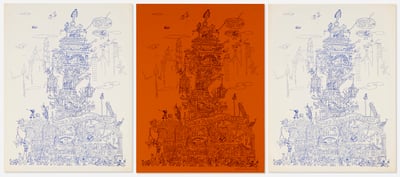
Red Grooms
City of Chicago exhibition poster, 1968
Limited Edition Print
Lithograph
Inquire For Price
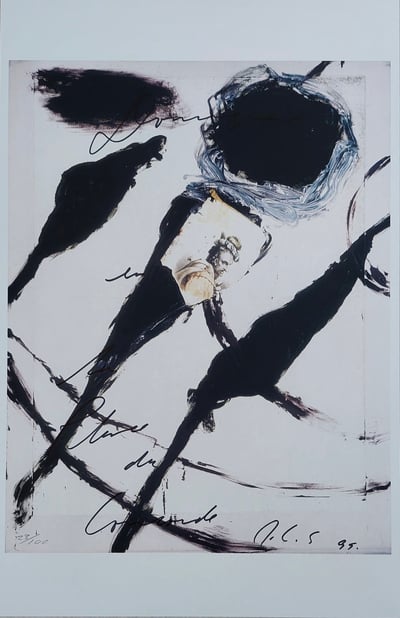
Julian Schnabel
Untitled, 1992-1999
Limited Edition Print
Inkjet print
EUR 1,100
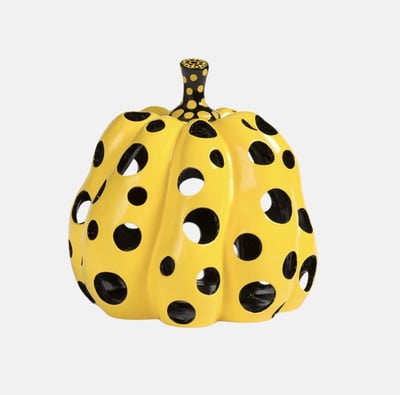
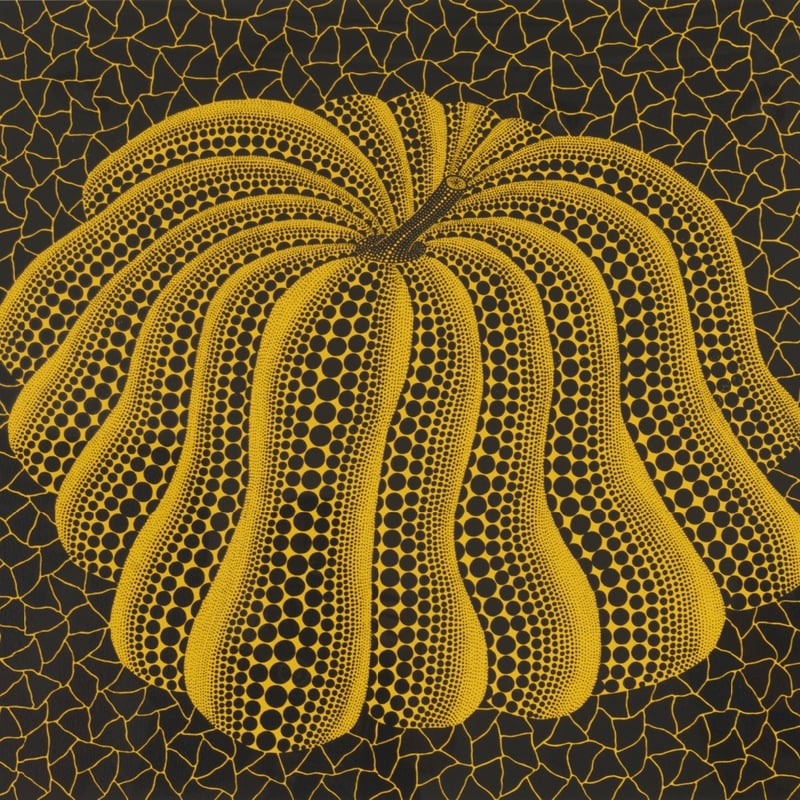
Yayoi Kusama
Pumpkin (NGV), 2025
Sculpture / Object
Mixed Media
GBP 15,000 - 20,000
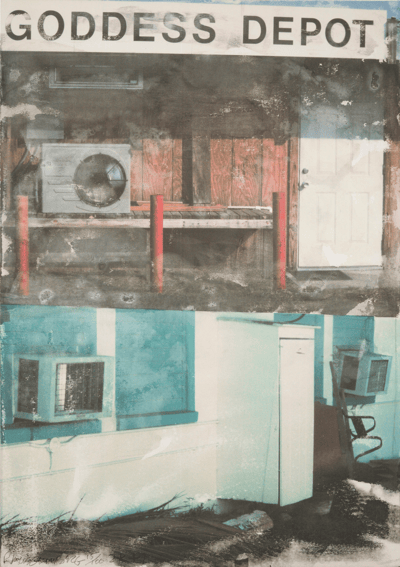
Robert Rauschenberg
In Transit (Goddess Depot), 2001
Limited Edition Print
Lithograph
USD 6,600

Andy Warhol
Mao, II.99, 1972
Limited Edition Print
Silkscreen
USD 90,000 - 110,000

Andy Warhol
Flash - November 22, 1963, II.41, 1968
Limited Edition Print
Screen-print
USD 13,200

Andy Warhol
After the Party, II.183, 1979
Limited Edition Print
Screen-print
USD 40,000 - 50,000

Roy Lichtenstein
Untitled Plate (Waterlily), 1990
Ceramics
Plate
USD 2,500
Related Articles

Woodcut is a printing technique where an image is carved into the surface of a woodblock using gouges, with the remaining flat surface holding the ink for printing. The areas cut away by the artist do not carry ink, while the uncut areas do, producing the desired print. The carving follows the wood's grain, unlike wood engraving, where the block is cut across the end-grain. Ink is applied to the surface with a roller, ensuring only the flat, uncarved areas receive ink, leaving the recessed, non-printing areas clean.
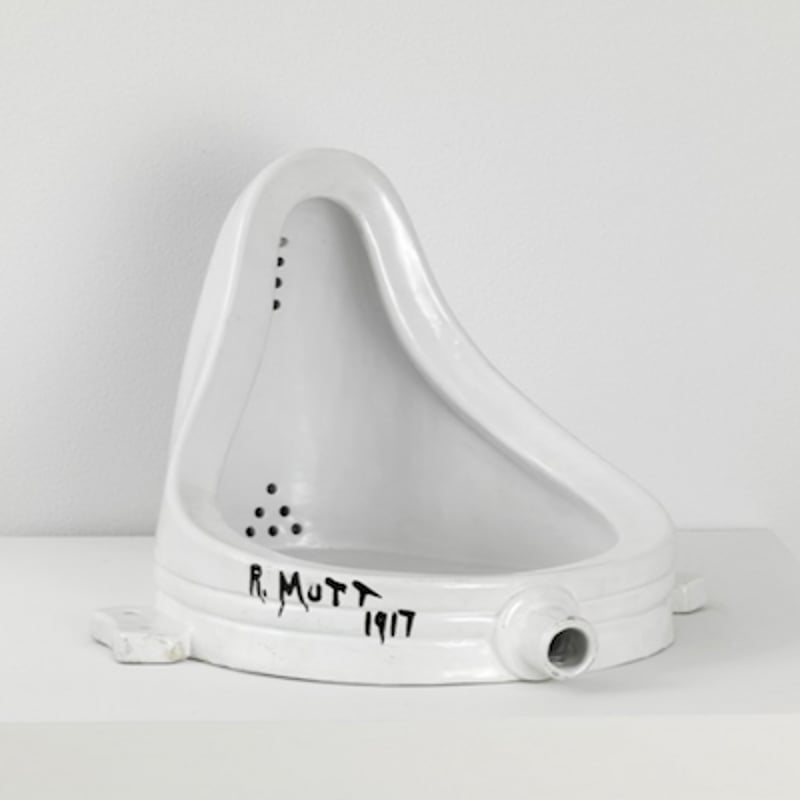
Anti-Art refers to artwork that challenges traditional definitions of art. The term is often attributed to artist Marcel Duchamp, who pioneered the use of readymades—everyday objects presented as art. These works defied conventional expectations that art should adhere to traditional or high art standards.
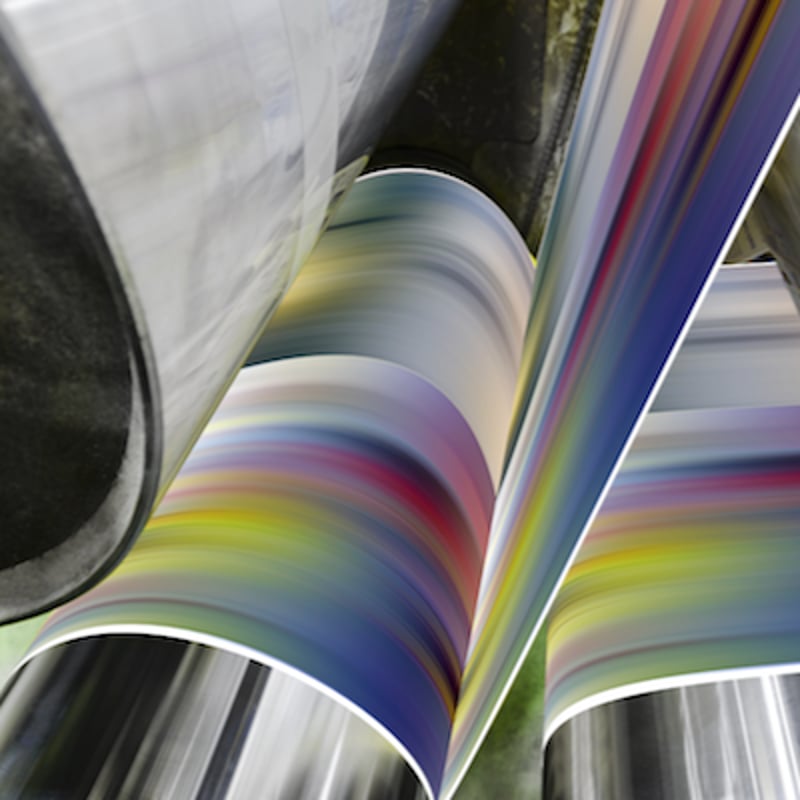
A print is an image or text reproduced using a template or master form. Prints are typically created by transferring ink from a prepared matrix to another material, often paper. Common matrices include copper or zinc plates for etching and engraving, aluminum or stone for lithography, wood blocks for woodcuts, and linoleum for linocuts. The term print can also refer to a single impression made from the matrix.
Can't find your Answer?
Thank you! Your question has been sent — we'll get back to you shortly.
