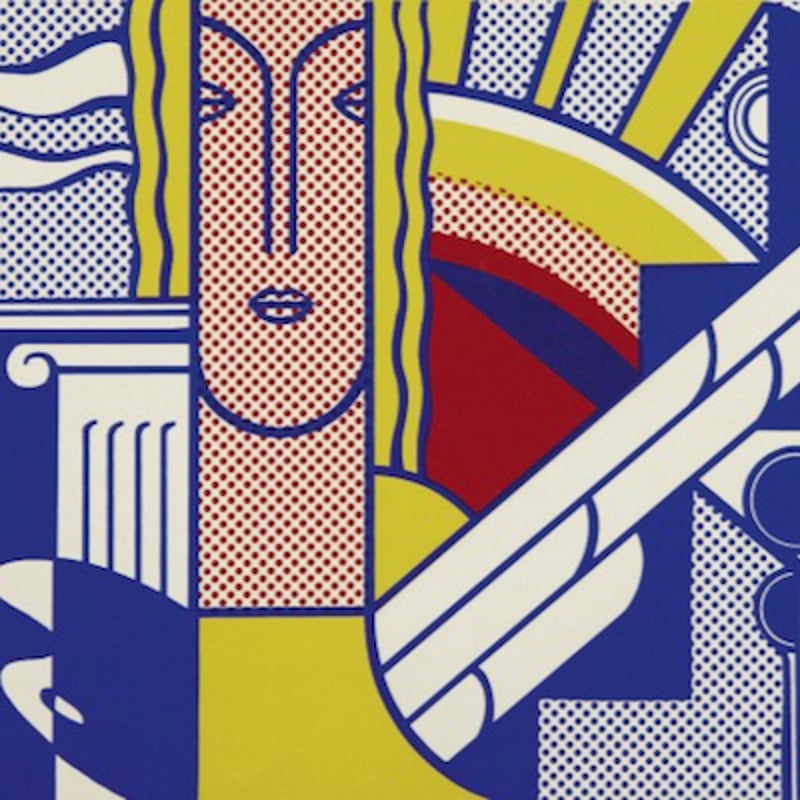
What is late modernism?
- Show All
- Established
- Discoveries
- Show All
Artworks Related to Late modernism
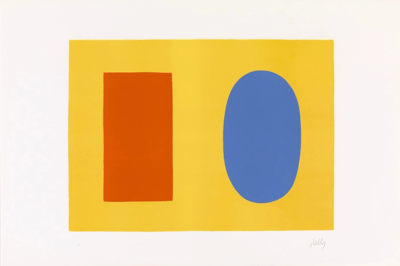
Ellsworth Kelly
Orange and Blue over Yellow, 1964-65
Limited Edition Print
Lithograph
USD 20,000 - 25,000
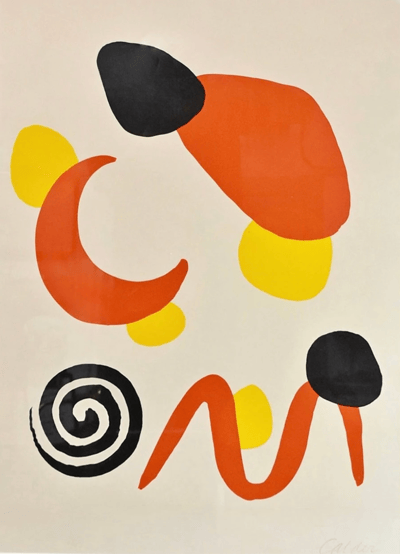
Alexander Calder
Red Moon and Swirl, 1965
Limited Edition Print
Lithograph
Currently Not Available
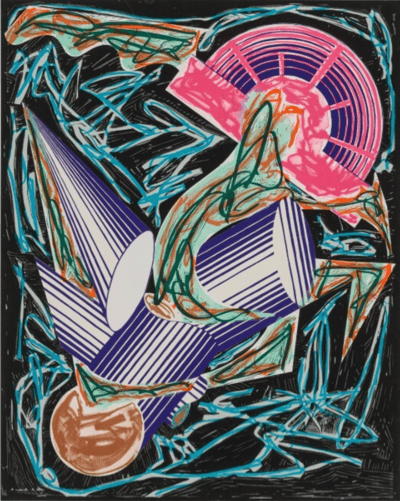
Frank Stella
Had Gadya: Front Cover, from Illustrations after El Lissitzky's Had Gadya, 1984
Limited Edition Print
Collage
USD 19,850
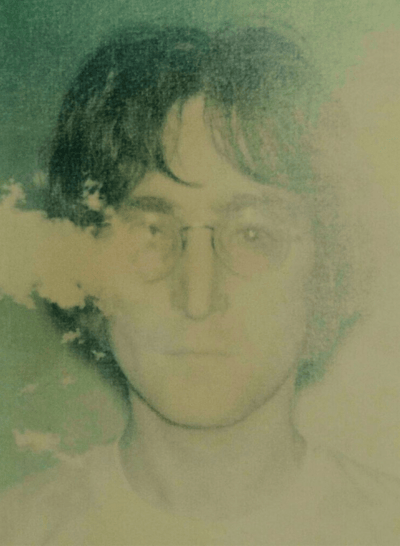
Yoko Ono
John Lennon - Imagine, 2018
Limited Edition Print
Giclée printing
GBP 1,980

Roy Lichtenstein
Industry and the Arts (II), 1969
Limited Edition Print
Screen-print
GBP 30,000 - 40,000
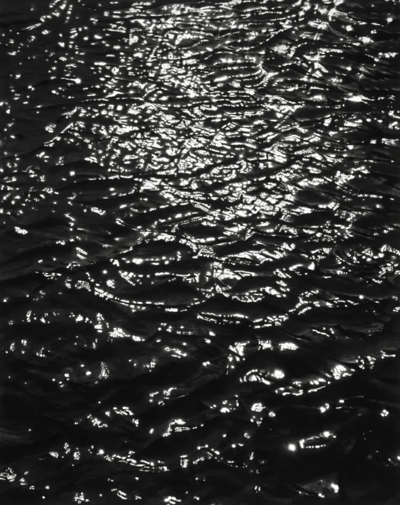
Robert Longo
Rippling Water, 2016
Limited Edition Print
Archival Print
EUR 10,000 - 12,000
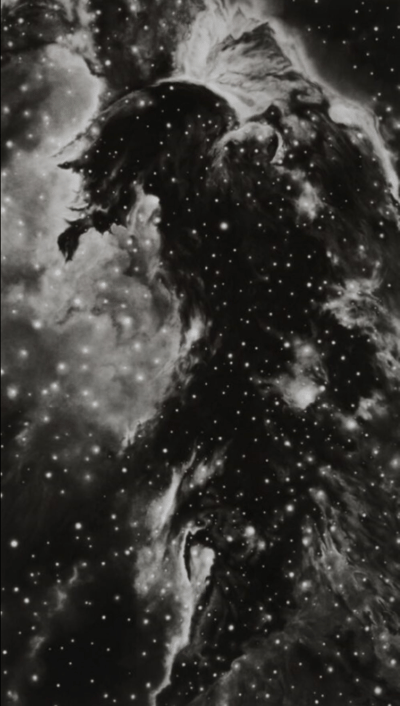
Robert Longo
Horsehead Nebula, 2008
Limited Edition Print
Pigment print
EUR 14,000 - 17,000
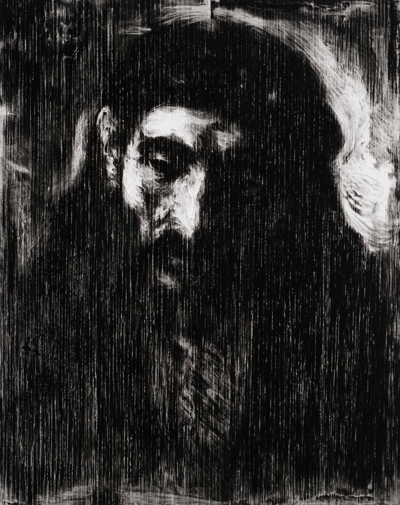
Robert Longo
Head of Christ, 2018
Limited Edition Print
Archival Print
EUR 9,000 - 12,000
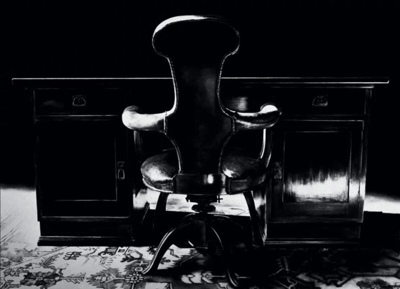
Robert Longo
Freud’s Desk and Chair, Study Room, 2004
Limited Edition Print
Pigment print
EUR 9,000 - 12,000
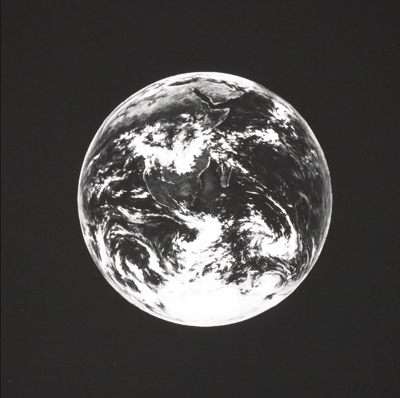
Robert Longo
Earth, 2017
Limited Edition Print
Archival Print
EUR 6,000 - 8,000

Julian Schnabel
Best Buddies, 1992
Limited Edition Print
Serigraph
USD 4,000 - 6,000
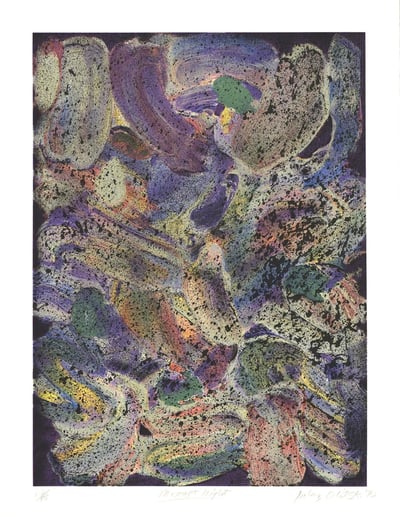
Jules Olitski
Mozart Night, 1992
Limited Edition Print
Silkscreen
USD 3,960

Jasper Johns
The Season, 1990
Limited Edition Print
Etching
USD 14,000 - 17,000
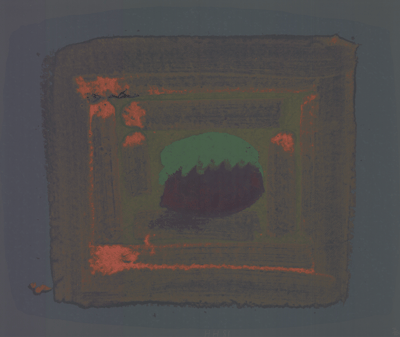
Howard Hodgkin
Tropical Fruit, 1981
Limited Edition Print
Serigraph
USD 5,000 - 7,000
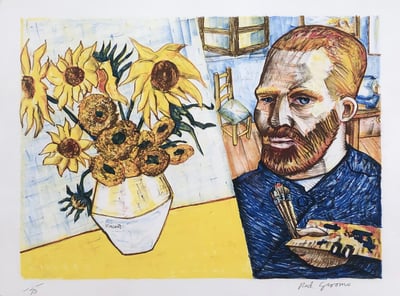
Red Grooms
Van Gogh with Sunflowers, 1988
Limited Edition Print
Lithograph
USD 5,000 - 7,000

Andy Warhol
Dollar Sign, 1982
Limited Edition Print
Screen-print
Inquire For Price
Related Articles

Surrealism began in the 1920s as an art and literary movement with the goal of revealing the unconscious mind and unleashing the imagination by exploring unusual and dream-like imagery. Influenced by Sigmund Freud’s theories of psychoanalysis, Surrealist artists and writers sought to bring the unconscious into rational life, blurring the lines between reality and dreams. The movement aimed to challenge conventional perceptions and express the irrational aspects of the human experience.

A silver gelatin print is a type of photographic print made using the silver process. In this process, photographic materials such as black and white films and printing papers are coated with a light-sensitive emulsion of silver salts suspended in gelatin. This emulsion is applied to a support, which could be flexible plastic, glass, resin-coated paper, or baryta paper. The materials are light-sensitive and remain stable under normal storage conditions, making them ideal for long-term preservation.

A term coined to describe artworks that are designed to be destroyed during their creation. Gustav Metzger, who developed this concept, outlined key principles: the artwork must disintegrate within 20 years, be self-completing, and involve public participation.
Can't find your Answer?
Thank you! Your question has been sent — we'll get back to you shortly.
