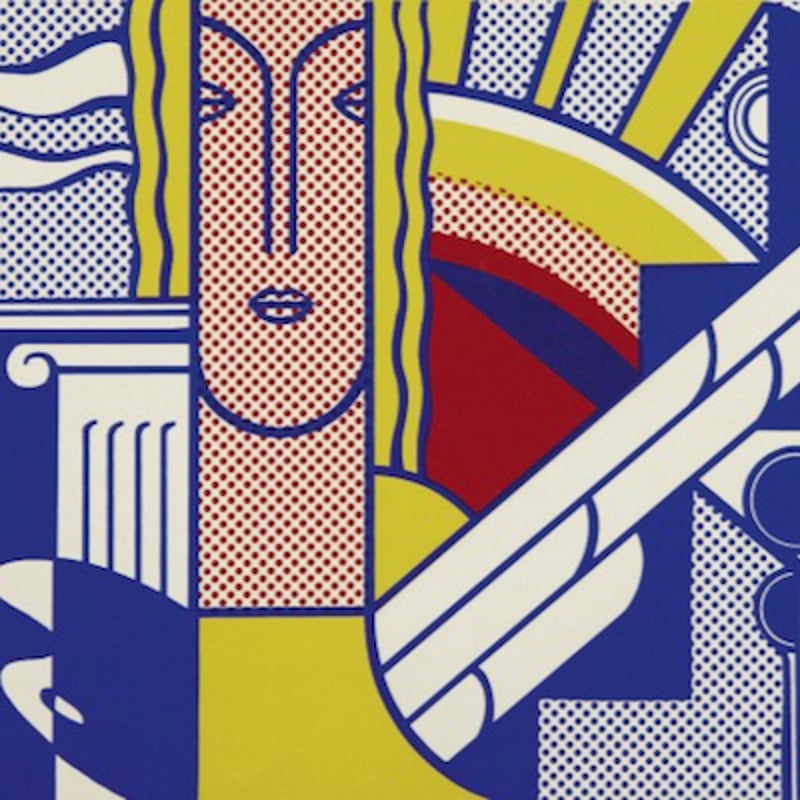
What is late modernism?
- Show All
- Established
- Discoveries
- Show All
Artworks Related to Late modernism
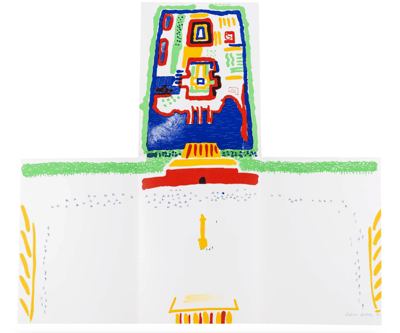
David Hockney
China Diary (MCA Tokyo 254), 1982
Limited Edition Print
Lithograph
USD 4,690
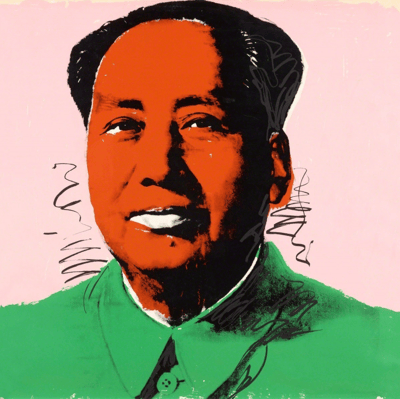
Andy Warhol
Mao (F & S II.94), 1972
Limited Edition Print
Screen-print
USD 45,000 - 55,000
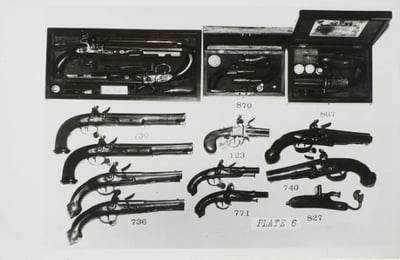
Andy Warhol
Gun Collection Photgraph
Limited Edition Print
Gelatin Silver Print
Inquire For Price
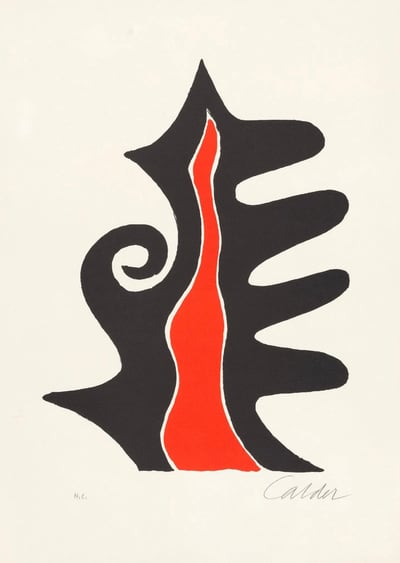
Alexander Calder
Untitled (Derriere le Miroir #201), c. 1970
Limited Edition Print
Lithograph
Inquire For Price
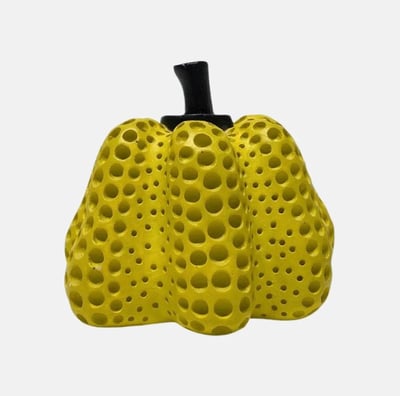
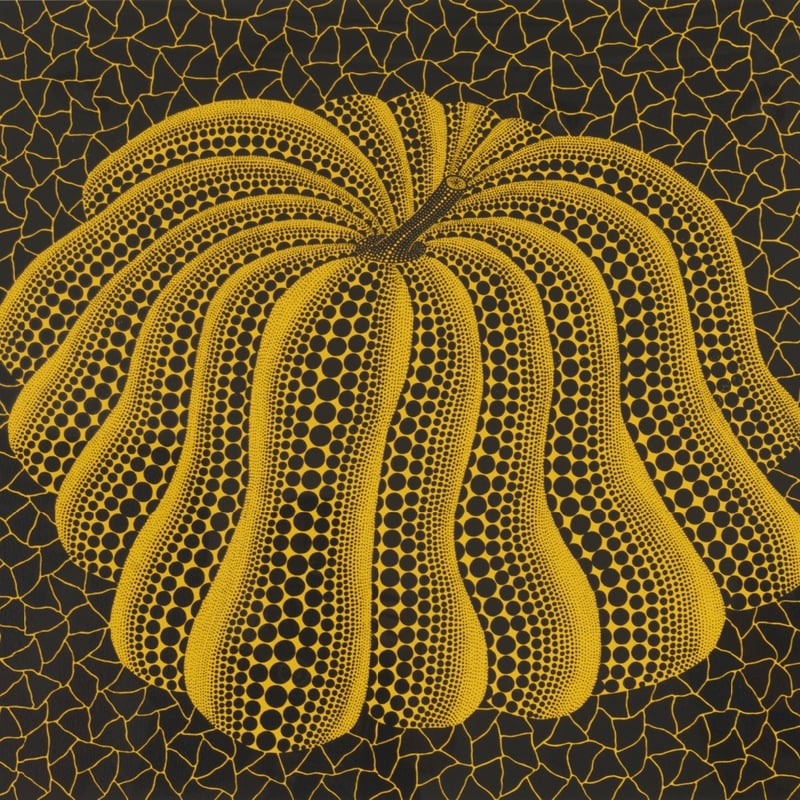
Yayoi Kusama
Yellow Pumpkin, 1998
Sculpture / Object
Resin
GBP 25,000 - 30,000
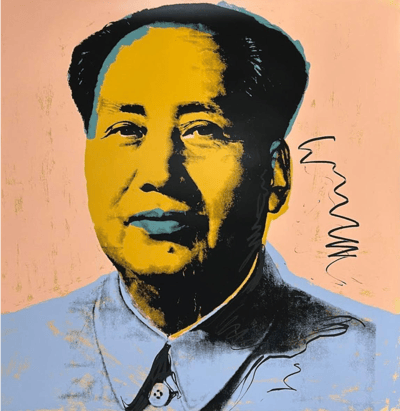
Andy Warhol
Mao (F & S II.92), 1972
Limited Edition Print
Screen-print
USD 45,000 - 55,000
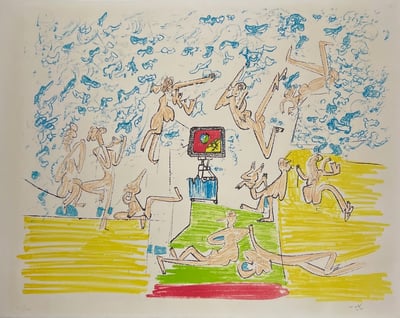
Roberto Matta
Plate 6 from Fog Gog Magog, 1971
Limited Edition Print
Lithograph
USD 850
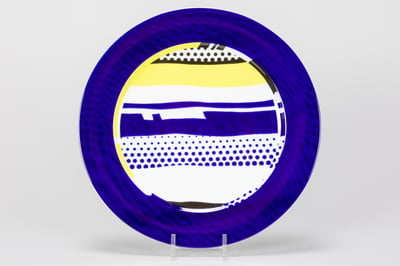
Roy Lichtenstein
Rosenthal plate 2, 2000
Sculpture / Object
Plate
EUR 750
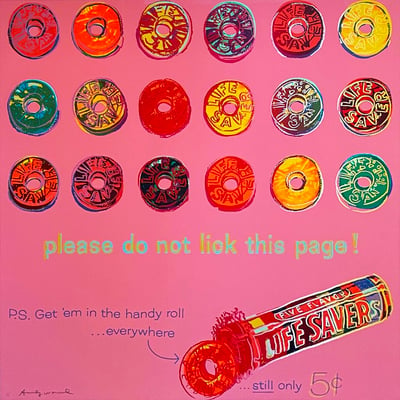
Andy Warhol
Ads: Life Savers, II.353, 1985
Limited Edition Print
Screen-print
USD 120,000 - 150,000
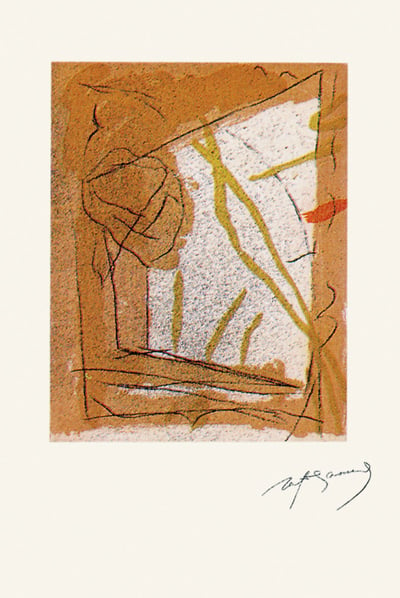
Albert Ràfols-Casamada
FLORAL-2, 1988
Limited Edition Print
Etching
EUR 600
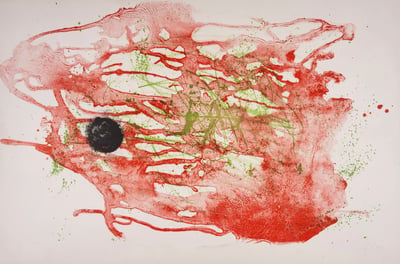
Joan Miró
Series I, red wash, 1961
Limited Edition Print
Lithograph
USD 5,310
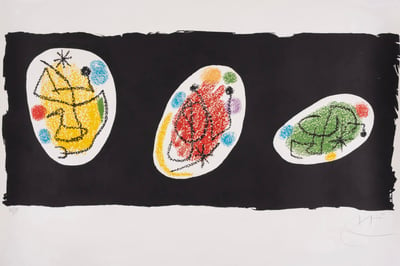
Joan Miró
For XXe siècle no.31, 1968
Limited Edition Print
Lithograph
USD 4,750
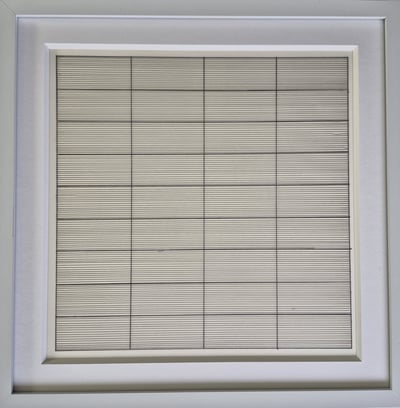
Agnes Martin
Untitled 10 (from Paintings and Drawings: 1974-1990), 1991
Limited Edition Print
Lithograph
EUR 2,000
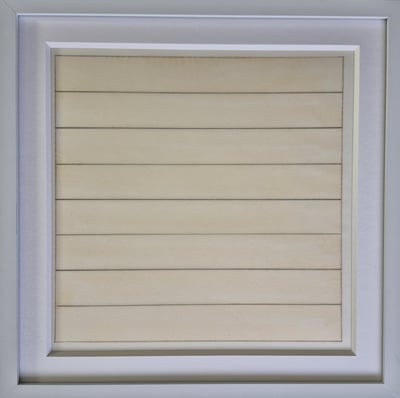
Agnes Martin
Untitled 9 (from Paintings and Drawings: 1974-1990), 1991
Limited Edition Print
Lithograph
EUR 2,000
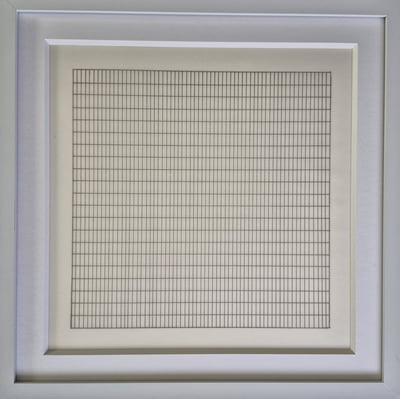
Agnes Martin
Untitled 8 (from Paintings and Drawings: 1974-1990), 1991
Limited Edition Print
Lithograph
EUR 2,000
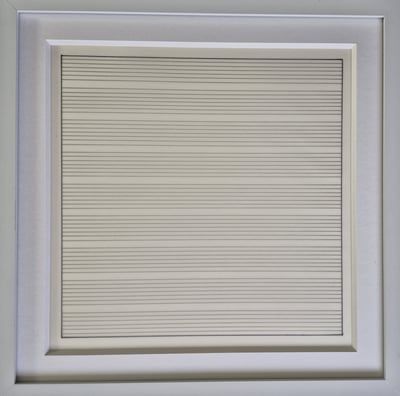
Agnes Martin
Untitled 7 (from Paintings and Drawings: 1974-1990), 1991
Limited Edition Print
Lithograph
EUR 2,000
Related Articles
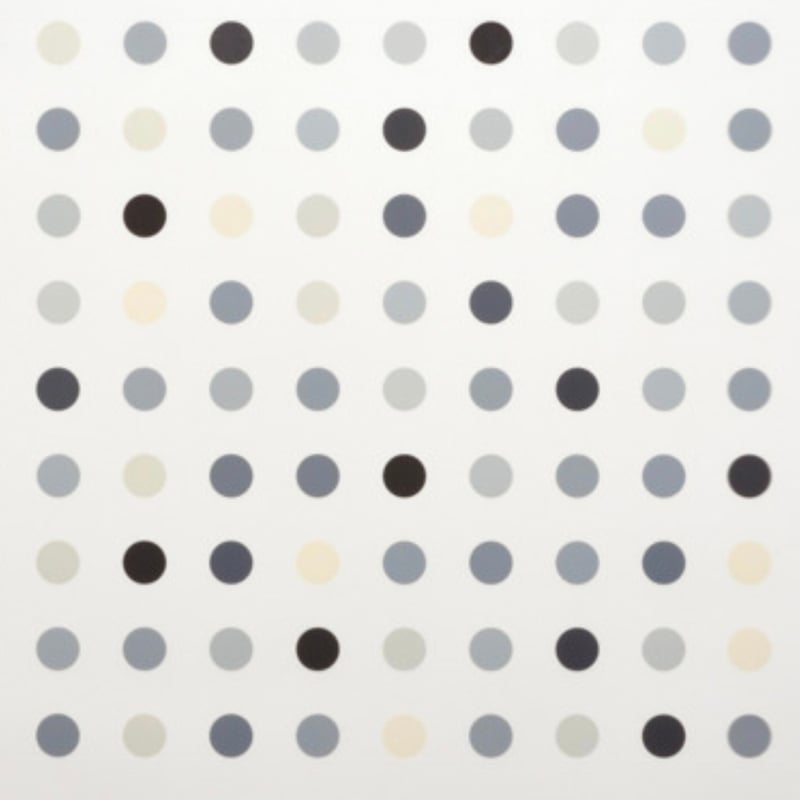

Comic strip art refers to artwork that utilizes the subject matter and commercial printing techniques found in comic strips. In the 1960s, a group of artists began creating paintings that incorporated Ben-Day dots—commonly used in comics and advertising—to produce highly graphic designs in bright colors, using traditional art media.
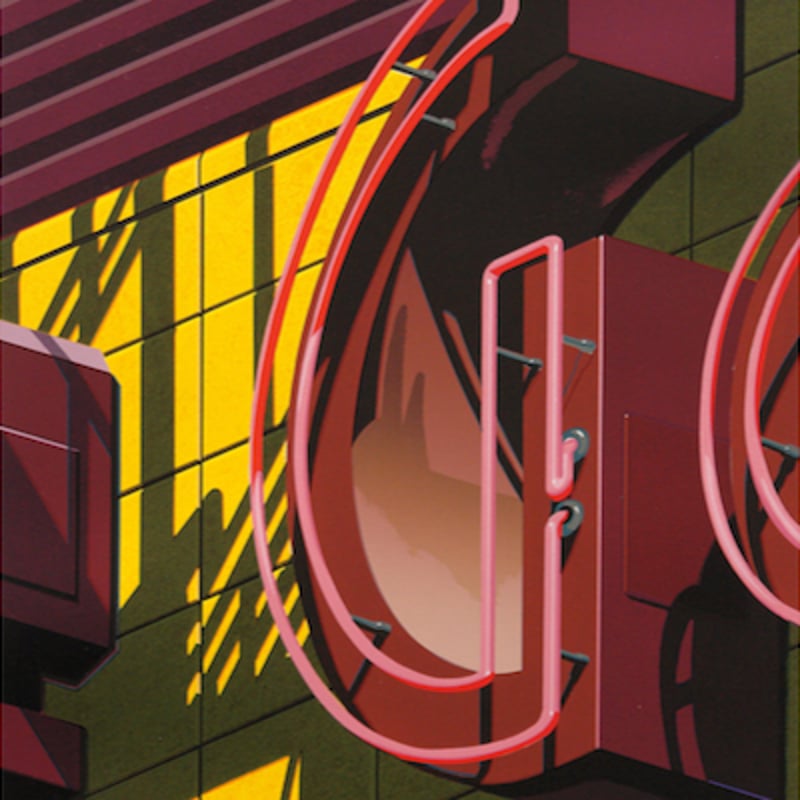
Hyperrealism is a genre of sculpture and painting that closely resembles high-resolution photographs. It is an evolution of Photorealism and is often applied to an independent art style or movement that became prominent in Europe and the United States in the early 2000s. Hyperrealist artists focus on extreme detail and precision, creating works that are often indistinguishable from real-life images.
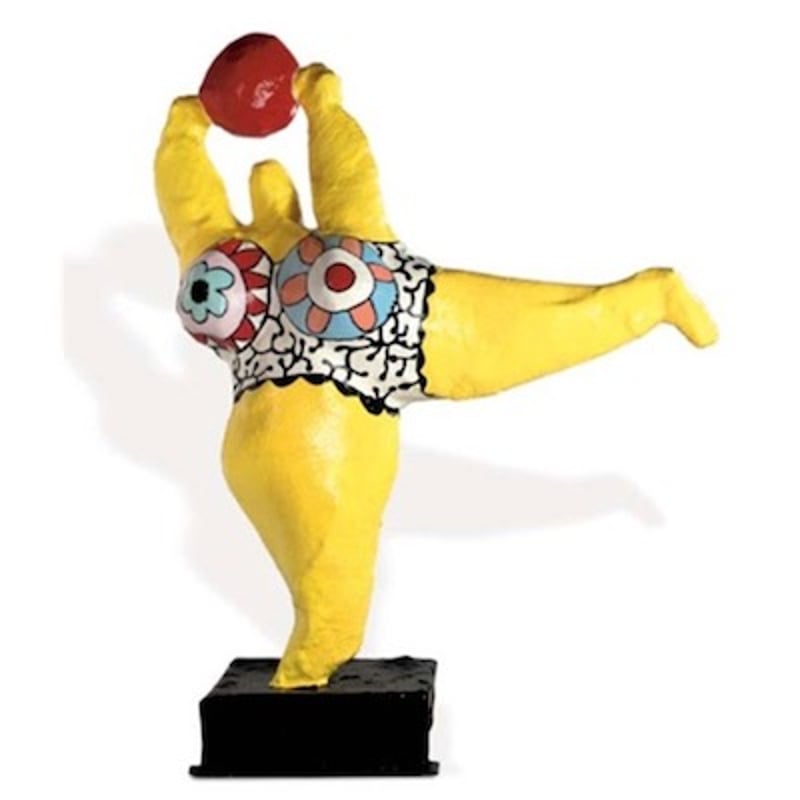
Papier-mâché is a composite material made from pieces of paper or pulp, reinforced with textiles and bound with adhesives like starch, wallpaper paste, or glue. There are two main methods to create papier-mâché: one involves layering strips of paper soaked in adhesive, while the other uses a pulp made by boiling or soaking paper and then adding glue. Though each method has a different process, both yield similar results.
Can't find your Answer?
Thank you! Your question has been sent — we'll get back to you shortly.
