
What is appropriation?
- Show All
- Established
- Discoveries
- Show All
Artworks Related to Appropriation
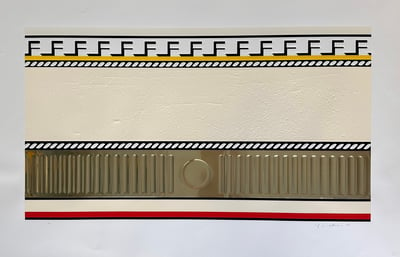
Roy Lichtenstein
Entablature I (138), 1976
Limited Edition Print
Collage
EUR 20,000 - 25,000
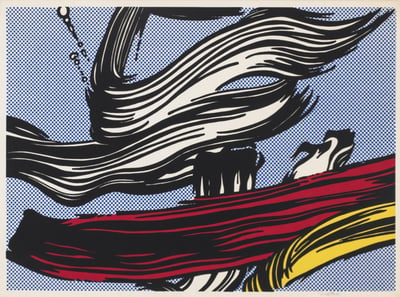
Roy Lichtenstein
Brushstrokes, 1967
Limited Edition Print
Screen-print
Inquire For Price
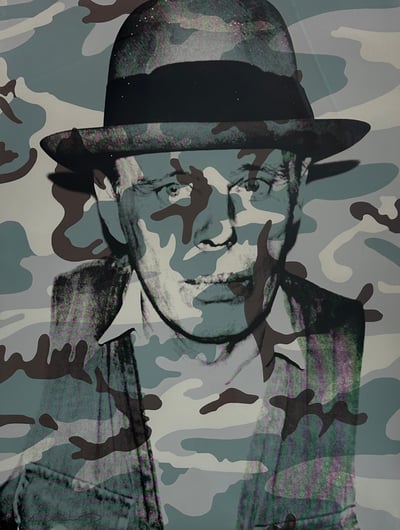
Andy Warhol
Joseph Beuys in Memoriam, 1986
Limited Edition Print
Screen-print
EUR 30,000 - 40,000

James Rosenquist
Universal Star Leg, 1974
Limited Edition Print
Collage
USD 3,200
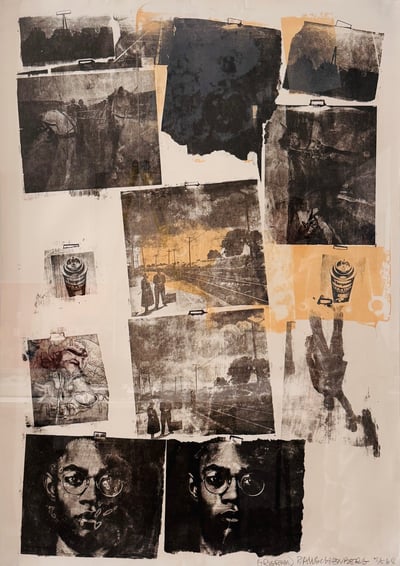
Robert Rauschenberg
Landmark, 1968
Limited Edition Print
Lithograph
USD 10,800
Robert Rauschenberg
Private Listing
Limited Edition Print
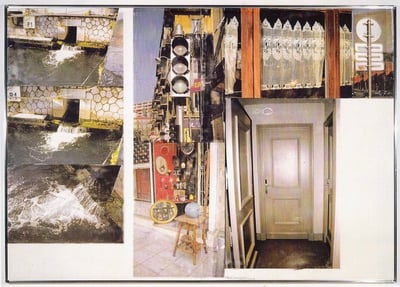
Robert Rauschenberg
Local Color (Scenario Series), 2006
Limited Edition Print
Monotype
Inquire For Price
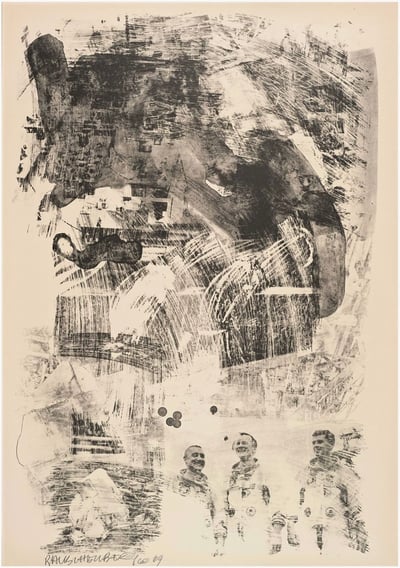
Robert Rauschenberg
Brake (Stoned Moon Series), 1969
Limited Edition Print
Lithograph
Inquire For Price
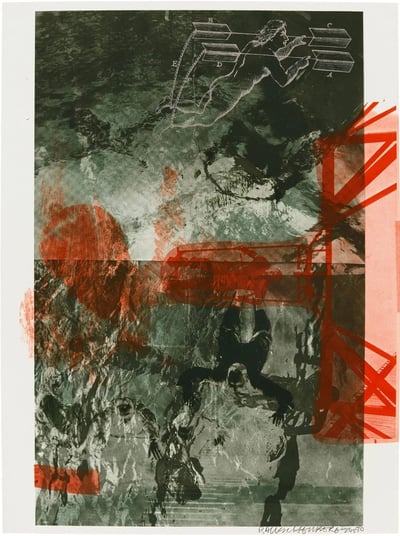
Robert Rauschenberg
Bait (Stoned Moon Series), 1970
Limited Edition Print
Lithograph
Inquire For Price

KAWS
Urge (portfolio), 2020
Limited Edition Print
Screen-print
USD 50,000 - 60,000
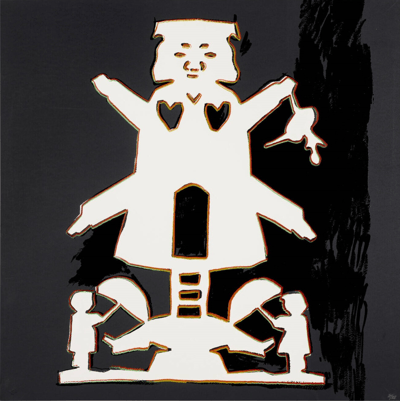
Andy Warhol
Hans Christian Andersen (Miller with two Ole Lukojes), 1987
Limited Edition Print
Screen-print
USD 8,400

John Baldessari
Falling Star, 1989-90
Limited Edition Print
Mixed Media
Inquire For Price
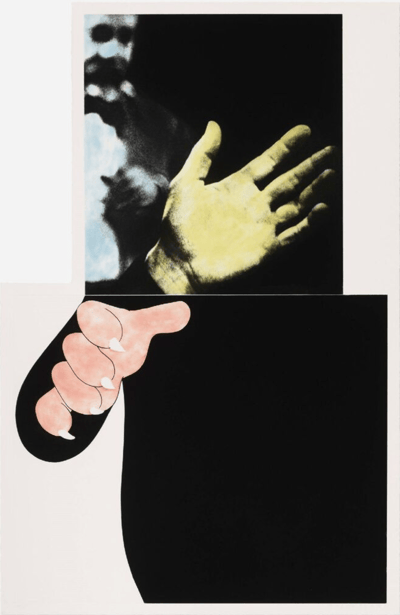
John Baldessari
Two Hands (With Distant Figure), 1989-1990
Limited Edition Print
Mixed Media
USD 5,500
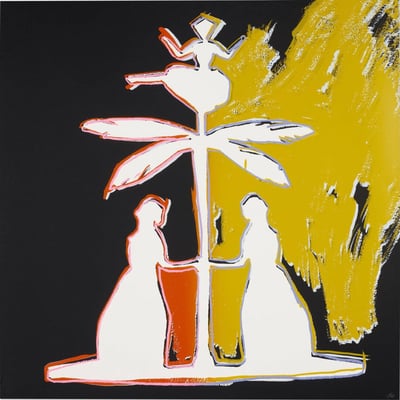
Andy Warhol
Hans Christian Andersen (Two Women by a Palm Tree with a Ballerina on Top of it), 1987
Limited Edition Print
Screen-print
USD 8,400
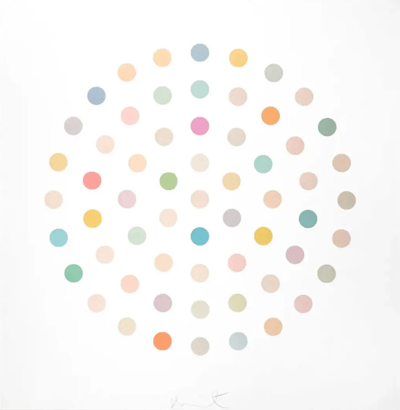
Damien Hirst
Ciclopirox Olamine, 2004
Limited Edition Print
Etching
Currently Not Available
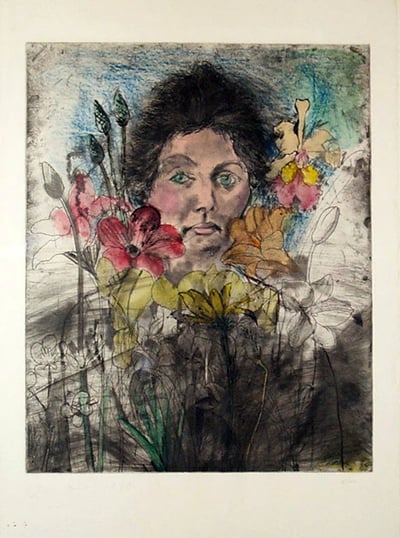
Jim Dine
Nancy Outside in July , 1980
Limited Edition Print
Mixed Media
EUR 5,450
Related Articles

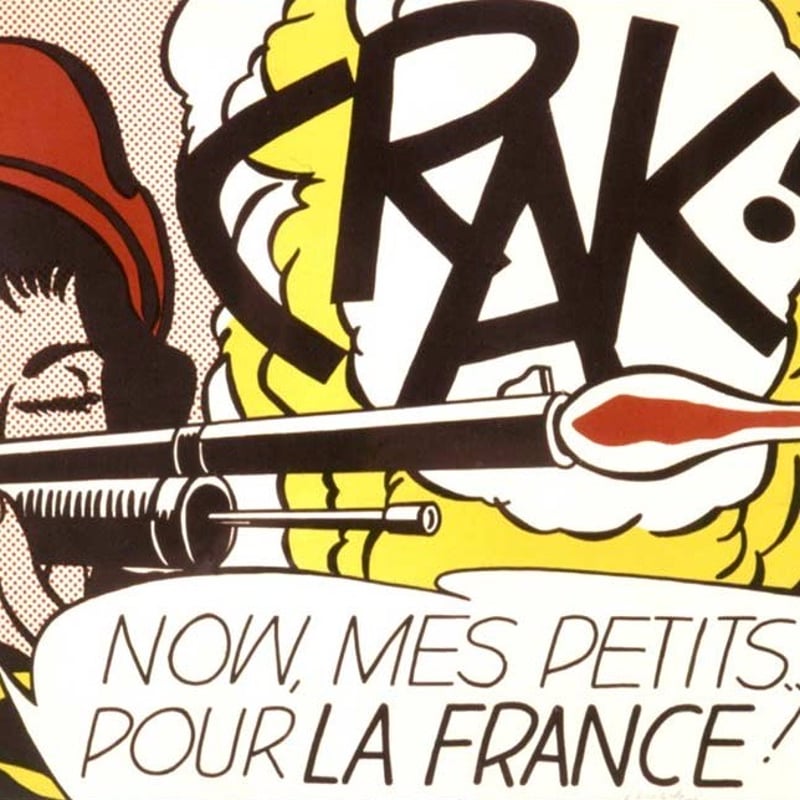
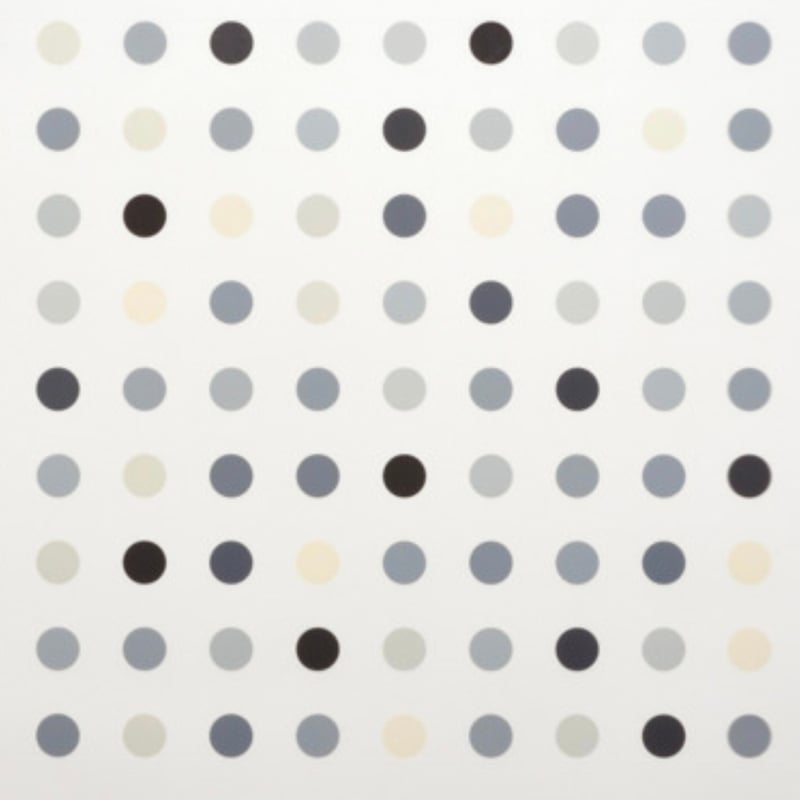

Grupo Frente was a movement founded in 1954 in Brazil by teaching artist Ivan Serpa. The movement included many students from the Rio de Janeiro Museum of Modern Art and sought to reject the nationalism and figuration present in the modernist forms of Brazilian painting. Grupo Frente emphasized experimentation and abstraction, aiming to explore new artistic possibilities beyond traditional constraints.
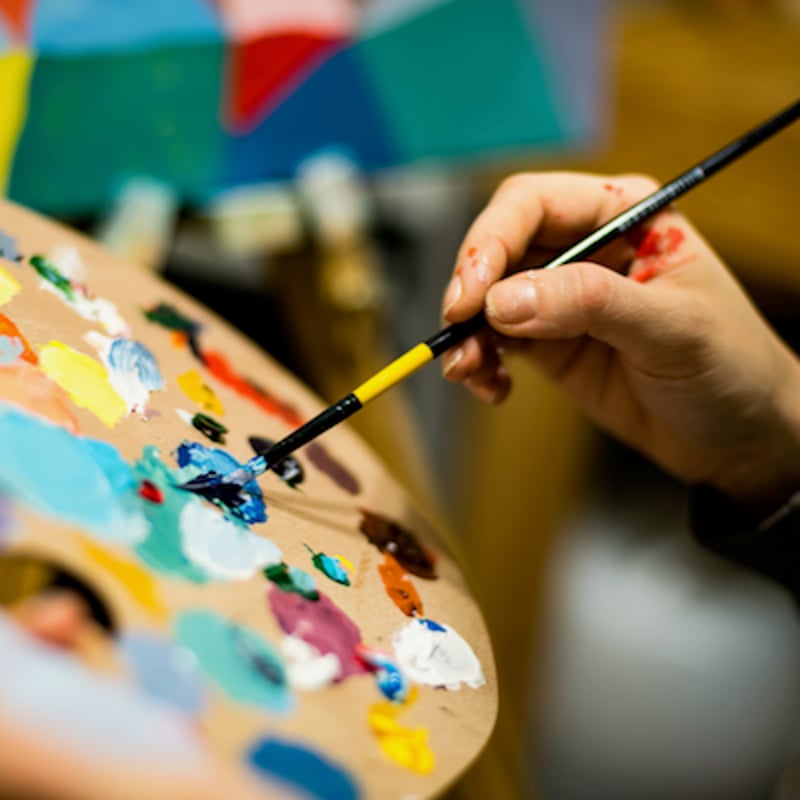
Acrylic paint is a fast-drying paint made from pigment suspended in an acrylic polymer emulsion. It is water-soluble when wet but becomes water-resistant once dry. Acrylic paints offer unique characteristics that are not easily achieved with other media, allowing for effects similar to both oil and watercolor paintings while providing their own distinct qualities.
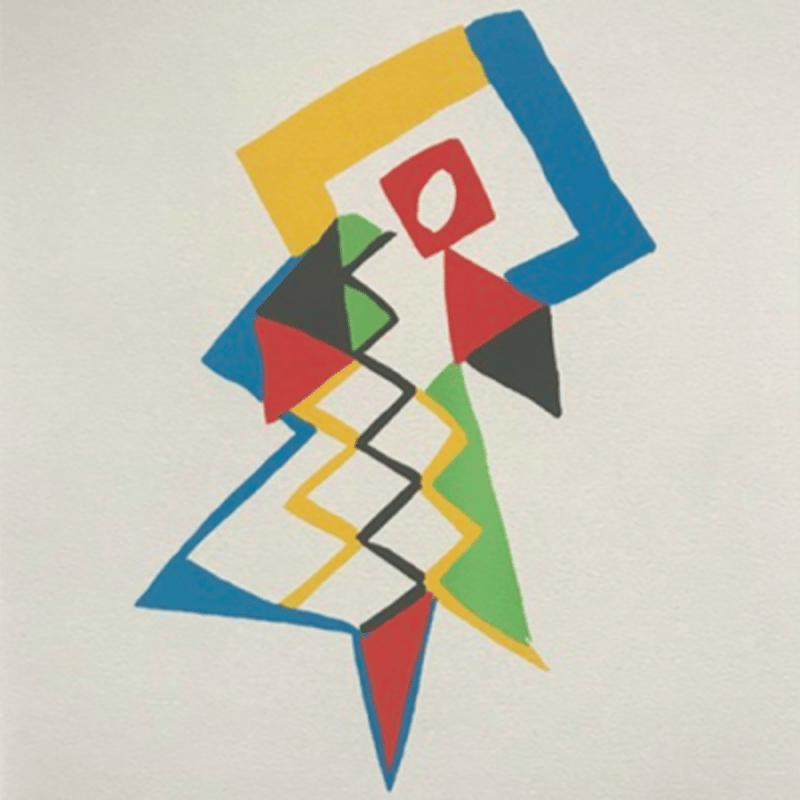
Orphism is an abstract style of painting influenced by Cubism, developed by Sonia and Robert Delaunay. The term was coined around 1912 by French poet Guillaume Apollinaire to differentiate the Delaunays' work from Cubism, emphasizing their focus on vibrant color and light. The name Orphism is inspired by the Greek musician Orpheus, symbolizing the movement's lyrical and harmonious qualities.
Can't find your Answer?
Thank you! Your question has been sent — we'll get back to you shortly.
