
What is appropriation?
- Show All
- Established
- Discoveries
- Show All
Artworks Related to Appropriation
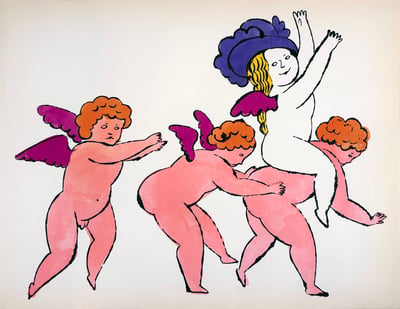
Andy Warhol
In The Bottom of my Garden IV.100A, 1956
Limited Edition Print
Mixed Media
Inquire For Price
![25 Cats Name[d] Sam and One Blue Pussy, Cover](https://images.composition.gallery/cdn-cgi/image/width=400,fit=contain,format=auto,quality=85,onerror=redirect/61799/andy-warhol-25-cats-cover-offset-lithograph-of-orange-striped-cat-with-yellow-eyes-and-handwritten-text-on-aged-paper1744708205-70969.jpg)
Andy Warhol
25 Cats Name[d] Sam and One Blue Pussy, Cover, ca. 1954
Limited Edition Print
Offset Print
USD 13,200
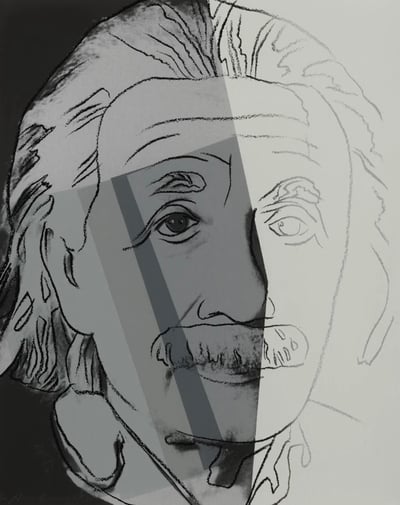
Andy Warhol
Albert Einstein (FS.II 229), 1980
Limited Edition Print
Screen-print
Inquire For Price
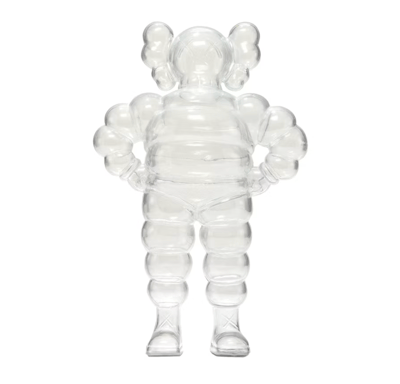
KAWS
Chum Vinyl Figure, 2002
Sculpture / Object
Mixed Media
Inquire For Price
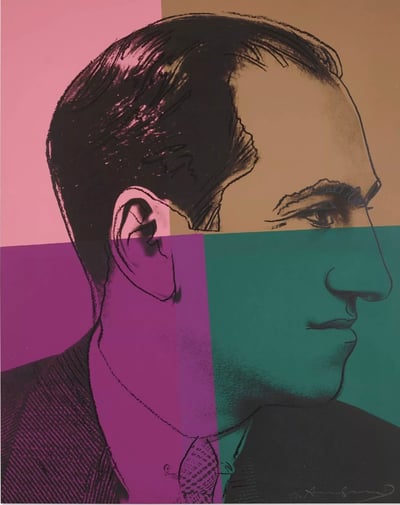
Andy Warhol
George Gershwin, F. & S. IIB.231 (TP), c. 1980
Limited Edition Print
Screen-print
USD 39,000 - 50,000
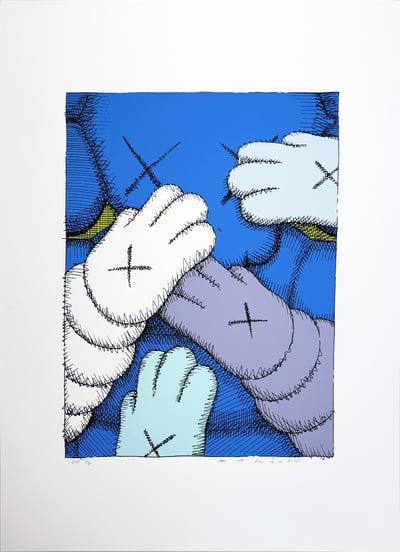
KAWS
Untitled V (Urge), 2020
Limited Edition Print
Silkscreen
EUR 7,800
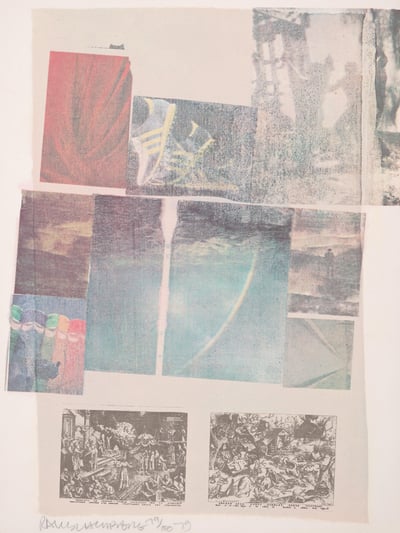
Robert Rauschenberg
People Have Enough Trouble Without Being Intimidated by an Artichoke, 1979
Limited Edition Print
Collage
Inquire For Price
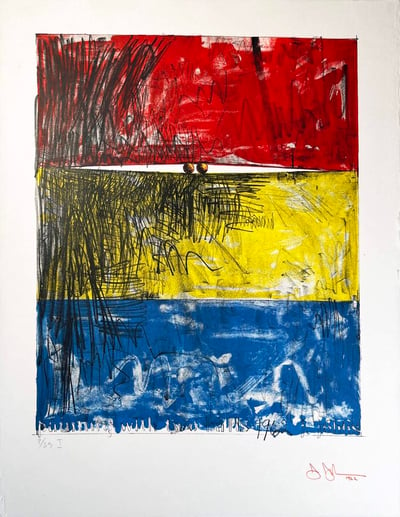
Jasper Johns
Painting with Two Balls I, 1962
Limited Edition Print
Lithograph
USD 31,500
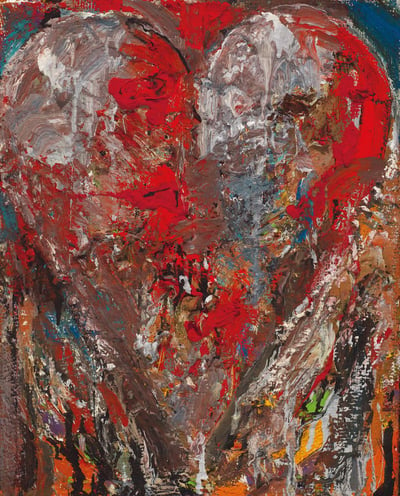
Jim Dine
Cadmium Red medium, 2021
Painting
Mixed Media
Inquire For Price
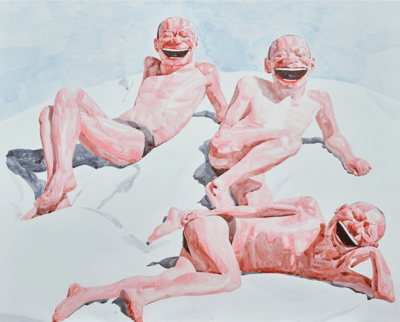
Yue Minjun
Untitled (Smile-ism No.25), 2006
Limited Edition Print
Lithograph
USD 6,500
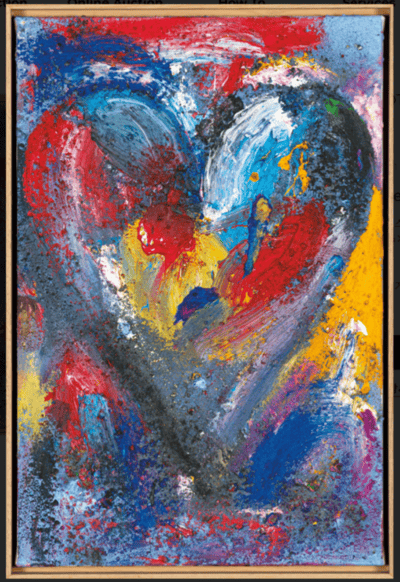
Jim Dine
Tomato Pan, 2022
Painting
Acrylic on canvas
Inquire For Price
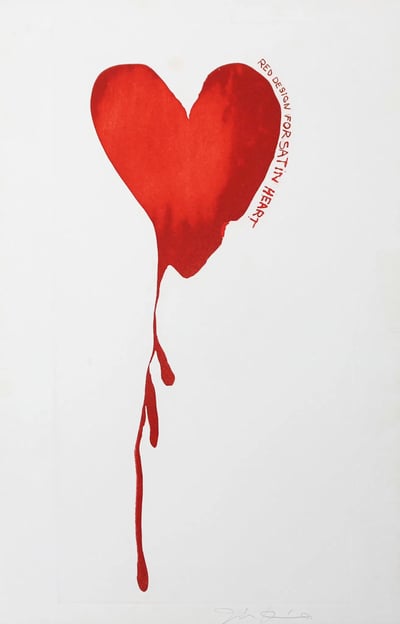
Jim Dine
Red Design for Satin Heart, Red
Limited Edition Print
Etching
Inquire For Price
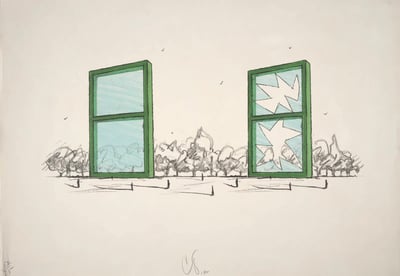
Claes Oldenburg
Proposal For A Civic Monument In The Form Of Two Windows, 1982
Limited Edition Print
Lithograph
USD 1,450
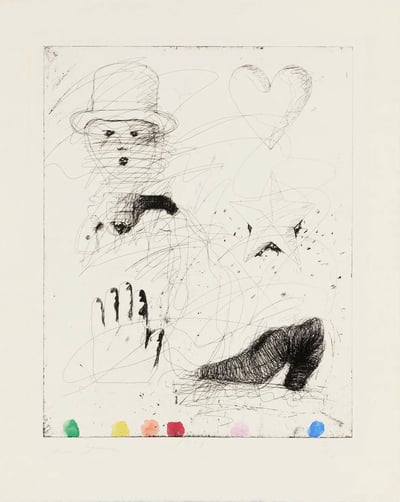
Jim Dine
The Realistic Poet Assassinated, 1970 / 1971
Limited Edition Print
Etching
Inquire For Price
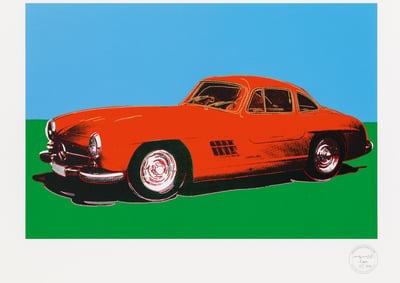
Andy Warhol
Cars Mercedes 300 SL Gulwing, 2007
Limited Edition Print
Silkscreen
EUR 4,250

John Baldessari
Throwing Three Balls in the Air to Get a Straight Line (Best of Thirty-Six Attempts), 1973
Photography
Offset Print
EUR 7,200
Related Articles


Art Intervention refers to art created with the intention of interacting with an existing situation, structure, artwork, audience, or institution. This form of art gained popularity in the 1960s as artists sought to provoke change within political and social contexts. The concept of Artist-in-Residence programs was influenced by the ideas and practices of this movement.

A pigment is a material that changes the color of light by selectively absorbing certain wavelengths and reflecting others. Unlike phosphorescence or fluorescence, where materials emit light, pigments work by altering the light that passes through or is reflected from them. In art, pigments are chosen for their special properties, such as high tinting strength, making them ideal for coloring various materials.
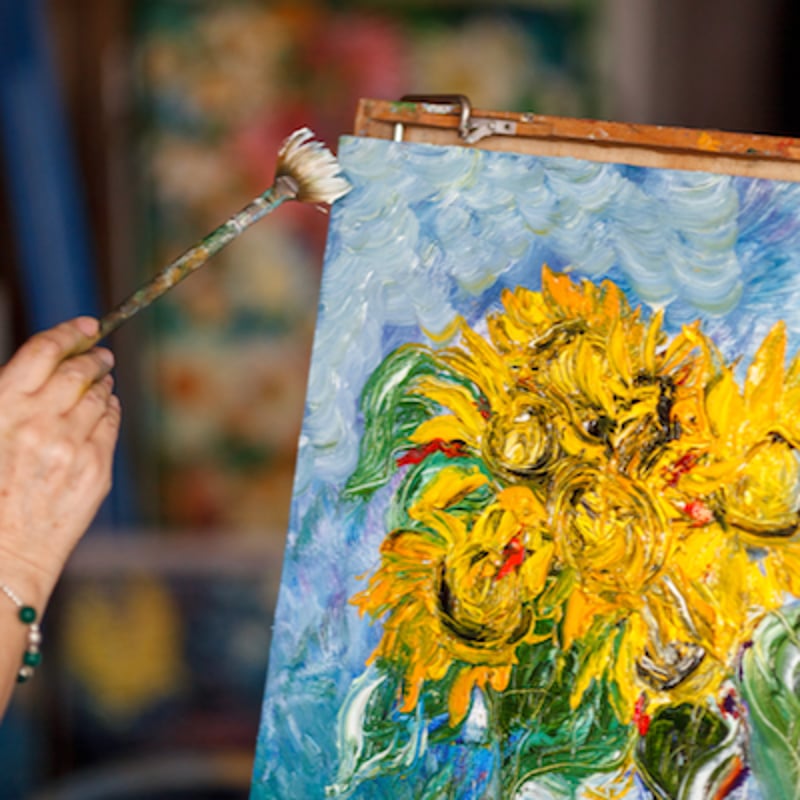
Oil paint is a slow-drying type of paint made from pigment particles suspended in a drying oil, typically linseed oil. The viscosity of the paint can be adjusted by adding a solvent like turpentine, and varnish can be added to increase the glossiness of the dried paint film. Oil painting has been used since the 12th century in Europe, initially for decoration, but it was not widely adopted as a primary painting medium until the 15th century.
Can't find your Answer?
Thank you! Your question has been sent — we'll get back to you shortly.
