
What is appropriation?
- Show All
- Established
- Discoveries
- Show All
Artworks Related to Appropriation
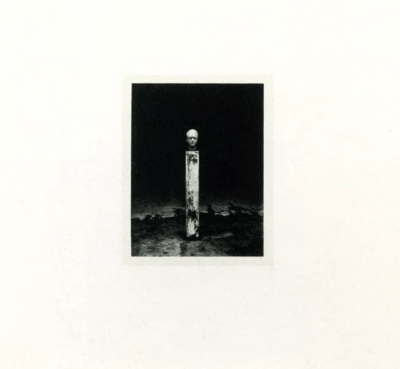
Gerhard Richter
Self-portrait, 1971
Limited Edition Print
Offset Print
GBP 20,000 - 25,000
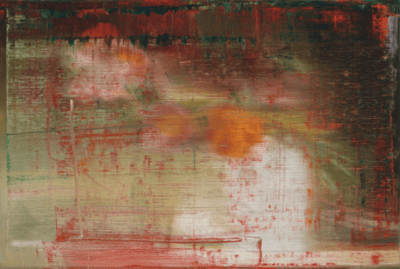
Gerhard Richter
Bouquet, 2014
Limited Edition Print
C-Print
Inquire For Price
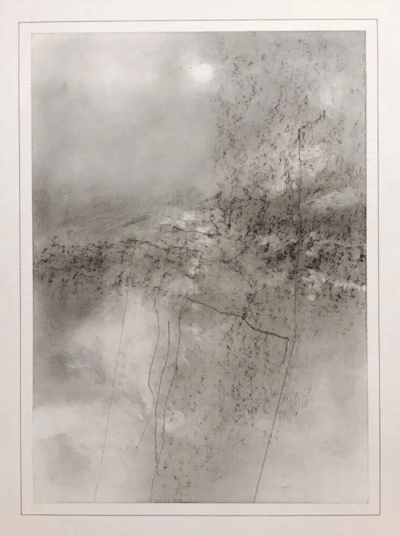
Gerhard Richter
Sils, 2015
Limited Edition Print
Offset Print
Inquire For Price

Damien Hirst
Lorabid 200mg, 2014
Sculpture / Object
Mixed Media
GBP 8,000 - 10,000

Damien Hirst
Theo-Dur Repetabs 200mg, 2014
Sculpture / Object
Mixed Media
GBP 8,000 - 10,000

Damien Hirst
Selflessness (from The Secrets), 2024
Limited Edition Print
Giclée printing
GBP 10,000 - 15,000

Damien Hirst
Memento 3, 2008
Limited Edition Print
Intaglio
Inquire For Price

Damien Hirst
Where the Land Meets the Sea, 2023
Limited Edition Print
Giclée printing
Inquire For Price
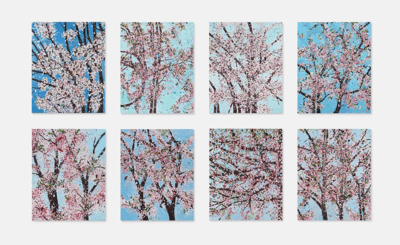
Damien Hirst
The Virtues (set of 8), 2021
Limited Edition Print
Giclée printing
Inquire For Price
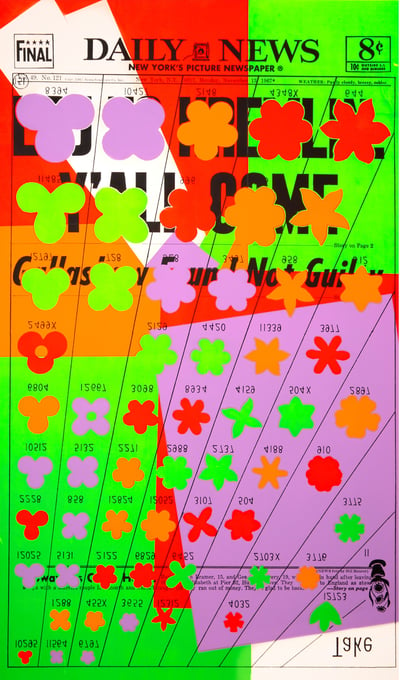
Andy Warhol
Daily News - LBJ to Kremlin – Y'all Come, 1967
Limited Edition Print
Silkscreen
USD 20,000

Robert Rauschenberg
Publicon Station I, 1978
Sculpture / Object
Mixed Media
USD 30,000 - 45,000
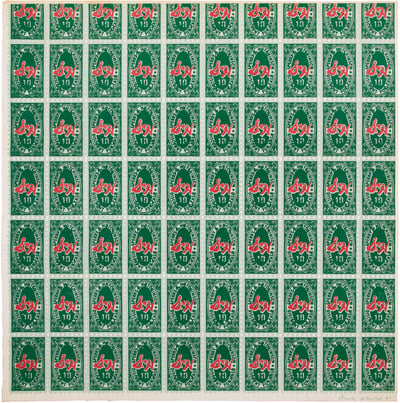
Andy Warhol
S & H Green Stamps, 1965
Limited Edition Print
Offset Print
USD 11,400

Roy Lichtenstein
Composition II, 1996
Limited Edition Print
Screen-print
USD 80,000 - 90,000

Andy Warhol
Tomato Soup, II.46 from Campbell's Soup I, 1968
Limited Edition Print
Screen-print
USD 150,000 - 170,000

Andy Warhol
$ (9), II.285, 1982
Limited Edition Print
Screen-print
USD 200,000 - 250,000
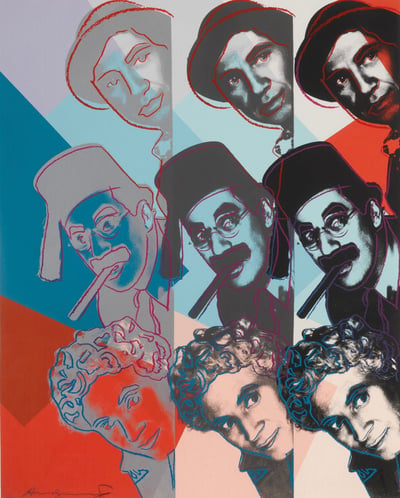
Andy Warhol
The Marx Brothers (F. & S. II.232), 1980
Limited Edition Print
Serigraph
USD 50,000 - 60,000
Related Articles

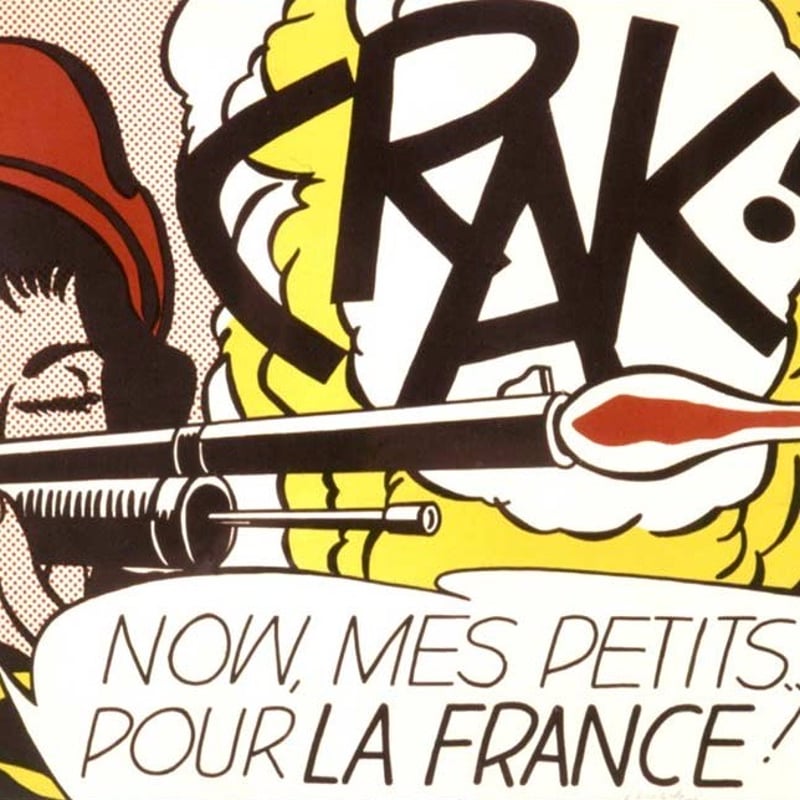
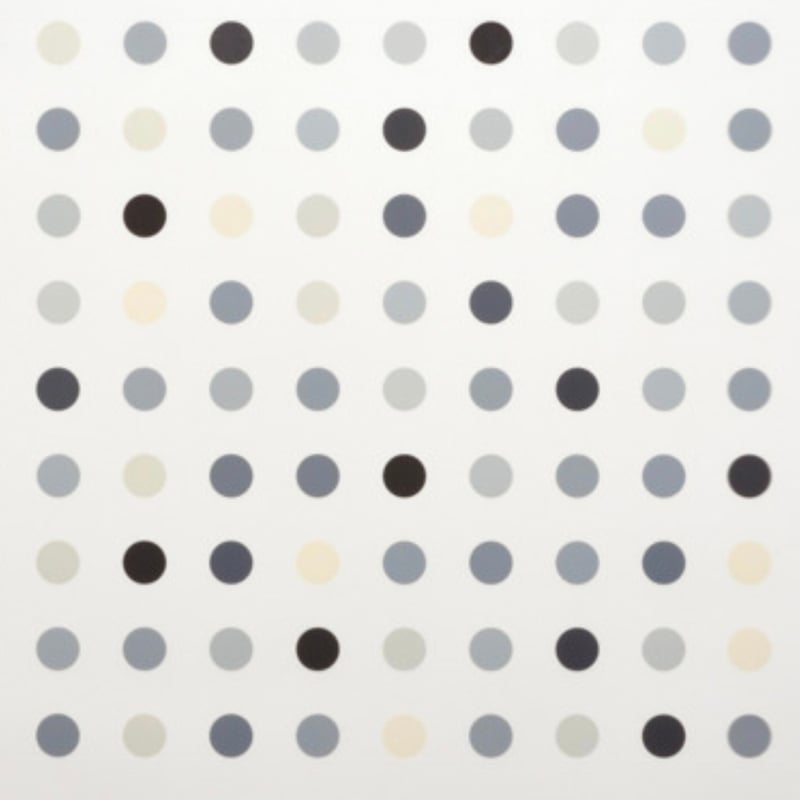

Wood is one of the most ancient and versatile materials used in creating art. It has served as a base for paintings, brush handles, pens, and pencils, as well as for easels, wood engraving, woodcut, woodblock printing, and sculpting. Various types of wood, such as oak, maple, and pine, are commonly used in these artistic applications.

Naïve art describes a style of artwork that is simple and unsophisticated, often created by artists without formal training in an academy or art school. The style is characterized by a lack of advanced techniques, giving it a childlike appearance. Naïve art often features bright colors, simple shapes, and a straightforward approach to subject matter, reflecting the artist's untrained perspective.
Attribute can function as both a noun and a verb. As a noun, it refers to an object, symbol, or animal commonly associated with a specific person, often used in art to identify figures, such as a lion with St. Mark. As a verb, it means to assign a work of art to a particular artist, usually based on stylistic analysis or other evidence, such as attributing a painting to an artist based on its technique and composition.
Can't find your Answer?
Thank you! Your question has been sent — we'll get back to you shortly.
