
What is activist art?
- Show All
- Established
- Discoveries
- Show All
Artworks Related to Activist art
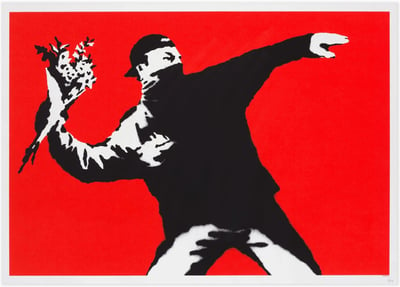
Banksy
Love Is In The Air (Unsigned), 2003
Limited Edition Print
Screen-print
Inquire For Price
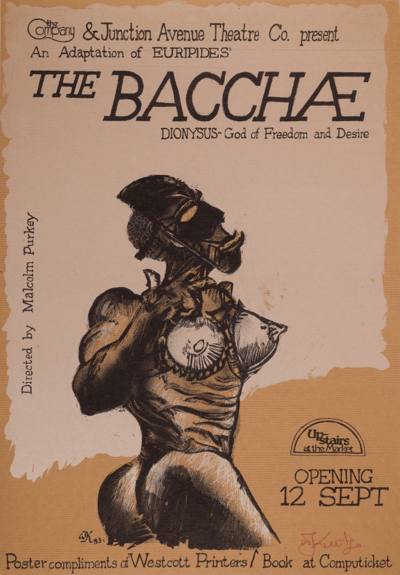
William Kentridge
The Bacchae, 1983
Limited Edition Print
Silkscreen
EUR 9,500
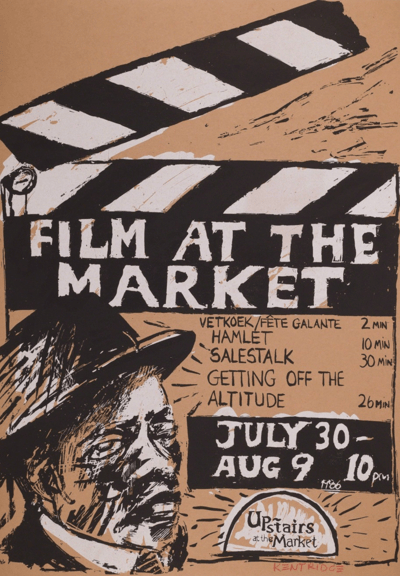
William Kentridge
Film at the Market, 1986
Limited Edition Print
Silkscreen
EUR 9,500
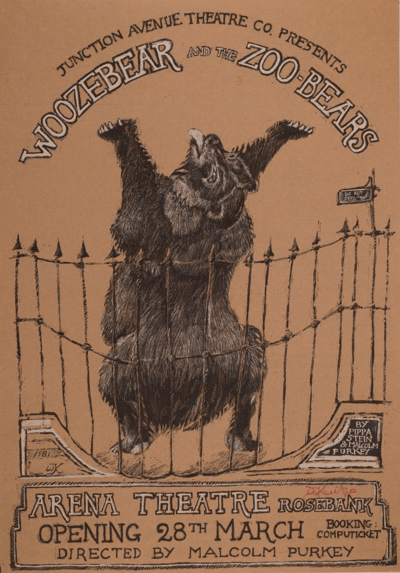
William Kentridge
Woozebear and the Zoo-Bears, 1981
Limited Edition Print
Offset Print
EUR 9,500
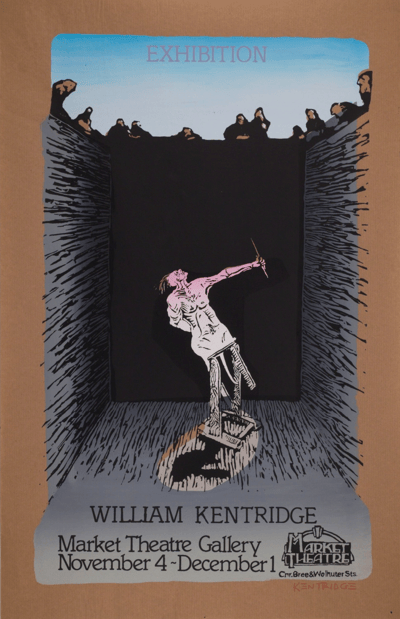
William Kentridge
Exhibition William Kentridge (Pit Monotypes), 1979
Limited Edition Print
Silkscreen
EUR 15,000
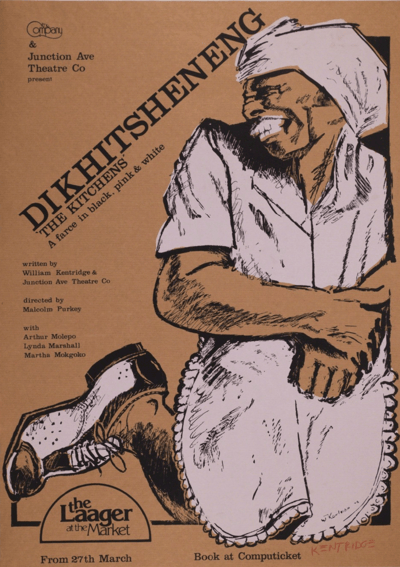
William Kentridge
Dikhitsheneng (The Kitchens), 1980
Limited Edition Print
Silkscreen
EUR 9,500
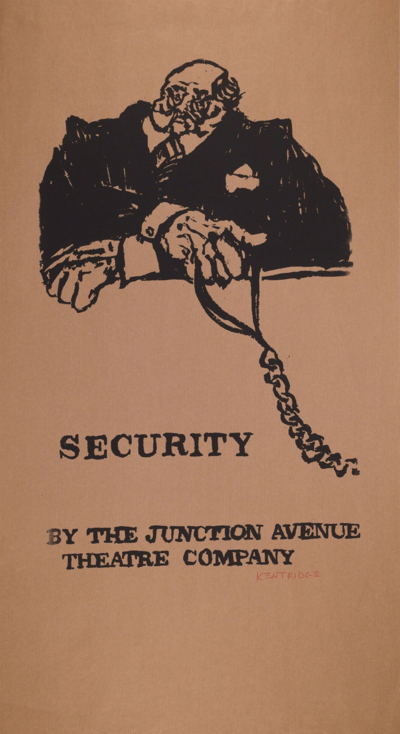
William Kentridge
Security, 1979
Limited Edition Print
Silkscreen
EUR 9,500
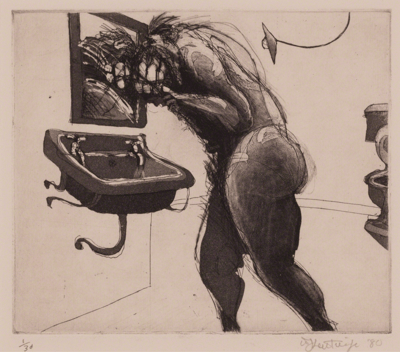
William Kentridge
Untitled, from Domestic Scenes, 1980
Limited Edition Print
Etching and Aquatint
EUR 15,000
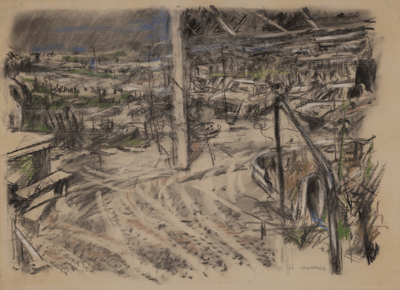
William Kentridge
Embarkation, 1986
Drawing / Watercolor
Mixed Media
Inquire For Price
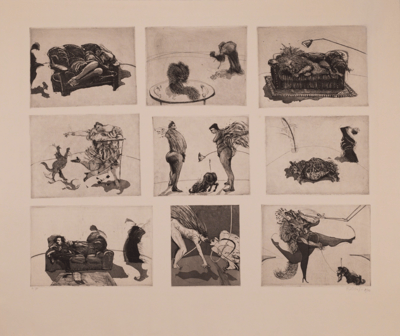
William Kentridge
A Wildlife Catalogue II, 1980
Limited Edition Print
Etching
EUR 25,000
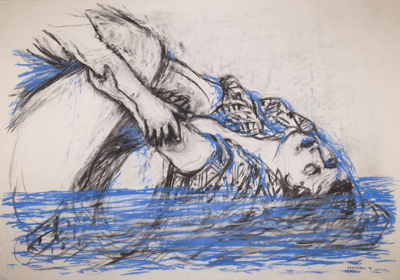
William Kentridge
The Passion of Mrs Eckstein, 1991
Drawing / Watercolor
Mixed Media
Inquire For Price
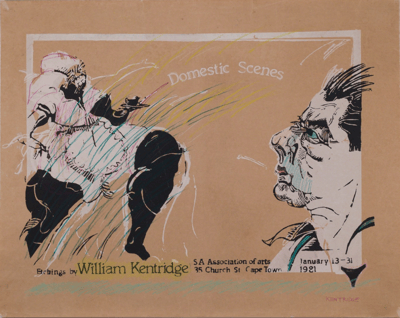
William Kentridge
Domestic Scenes, 1980
Limited Edition Print
Mixed Media
EUR 15,000
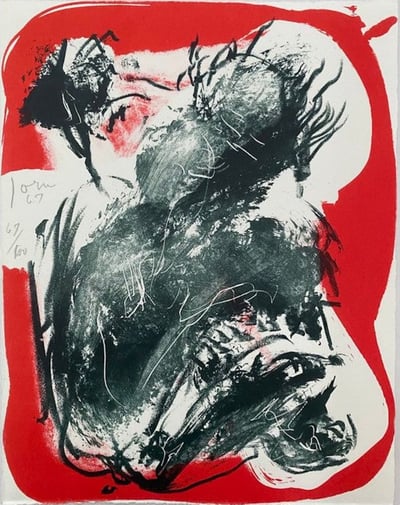
Asger Jorn
Sans titre, 1967
Limited Edition Print
Lithograph
EUR 2,550
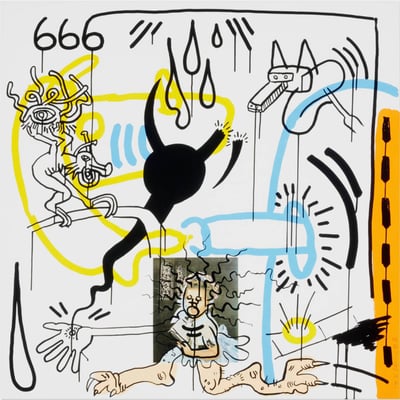
Keith Haring
Apocalypse VIII, 1988
Limited Edition Print
Silkscreen
EUR 22,350
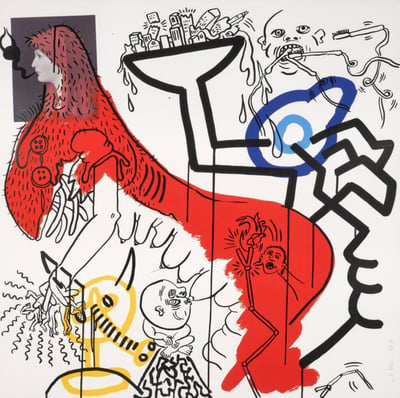
Keith Haring
Apocalypse IV, 1988
Limited Edition Print
Silkscreen
EUR 22,350
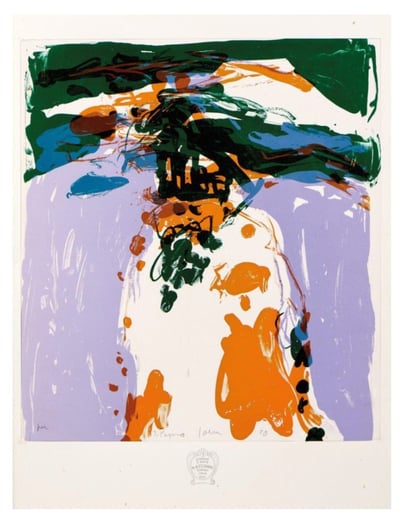
Asger Jorn
Lithographie couleur, 1970
Limited Edition Print
Lithograph
EUR 1,200
Related Articles

CoBrA stands for Copenhagen, Brussels, and Amsterdam; the group was formed with a desire to break away from the existing art movements of the time. Their critique of Western society led them to experiment and evolve into a significant international movement. CoBrA was founded on November 8, 1948, at the Notre Dame Café in Paris, where its manifesto was signed by Karel Appel, Joseph Noiret, Corneille, Christian Dotremont, Constant, and Asger Jorn. The group was united by a shared commitment to freedom in both form and color, and their work emphasized experimentation and spontaneity.

Intaglio is a printmaking technique where the artist creates marks on a metal plate that hold ink or dye. The inked plate is then pressed onto paper, transferring the ink to the sheet. This process can be repeated multiple times depending on the technique. Intaglio methods, such as etching, often involve applying a mordant (acid) to the metal plate to create the design. Intaglio encompasses various techniques, including engraving, etching, and drypoint.

A body print is an art technique where the artist uses their body as a printing plate. This can be done by smearing grease, margarine, or oil on the skin, hair, and clothes, then pressing the body against a surface like paper. The oiled imprint is then dusted with pigment. Unlike a self-portrait, a body print explores two competing concepts of identity rather than capturing a likeness of the artist. The method emphasizes the physicality of the body while questioning the boundaries between self-representation and abstraction.
Can't find your Answer?
Thank you! Your question has been sent — we'll get back to you shortly.
