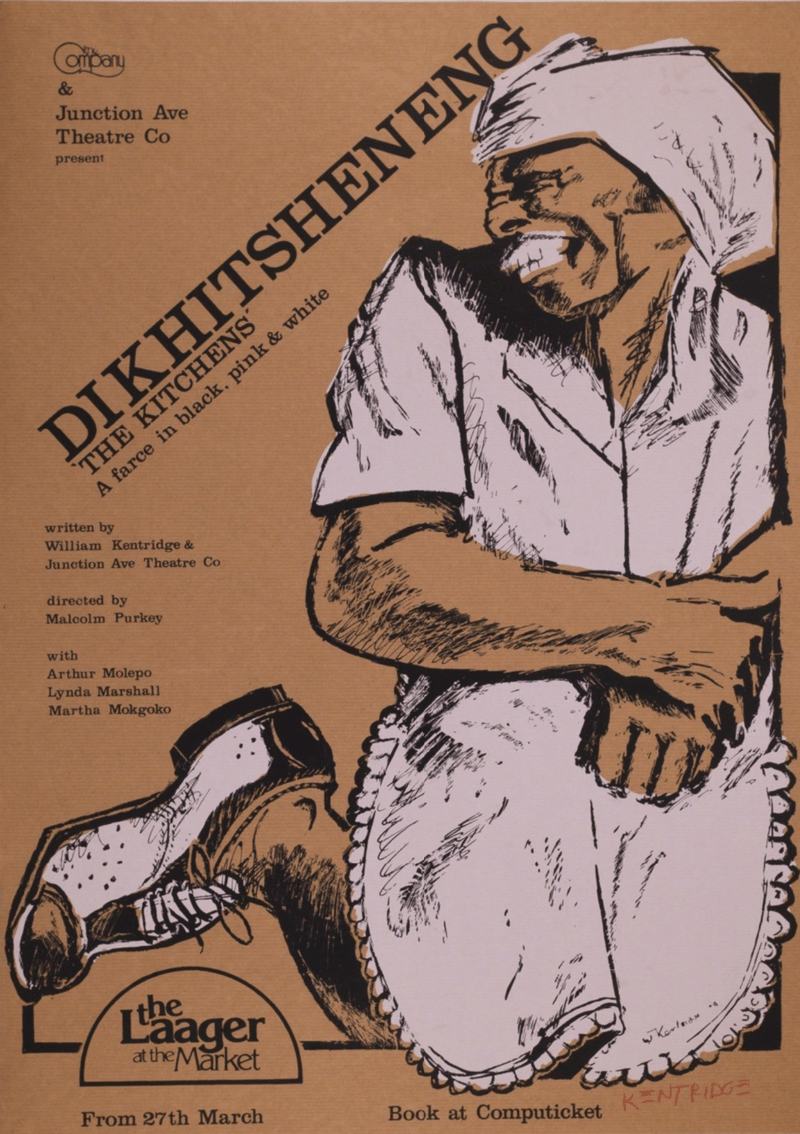
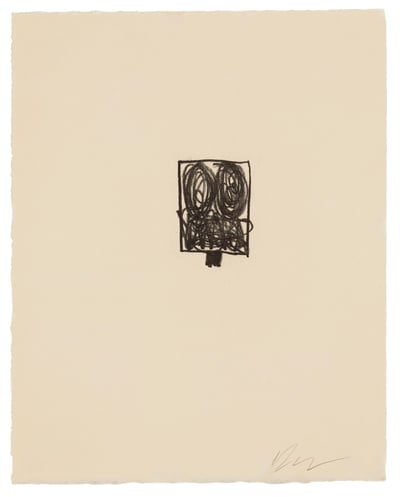
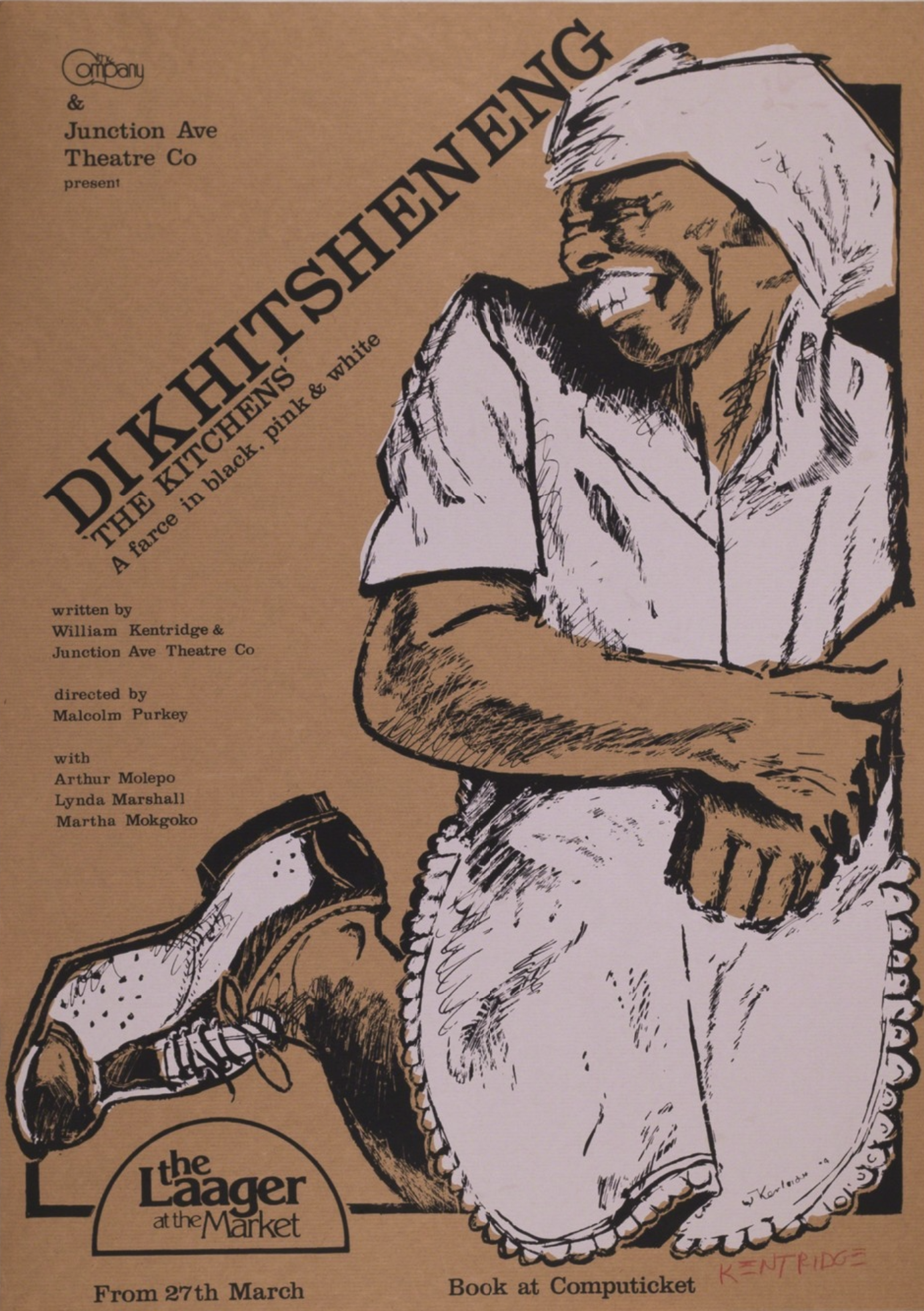
Dikhitsheneng (The Kitchens), 1980
Form
Medium
Size
- Inches
- Centimeters
Edition
Price
- USD
- EUR
- GBP
- CHF
- Authenticity Guaranteed
- Insured Shipping
- Online Since 2005
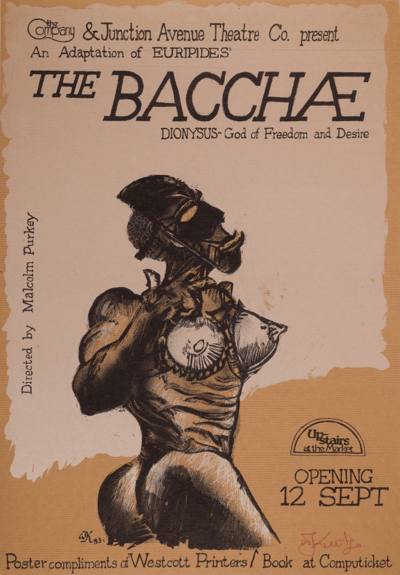
William Kentridge
The Bacchae, 1983
Limited Edition Print
Silkscreen
EUR 9,500
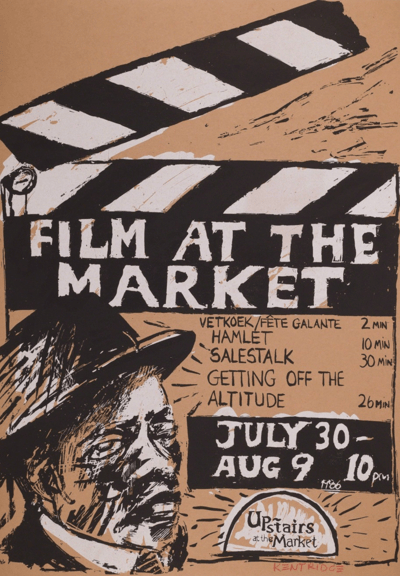
William Kentridge
Film at the Market, 1986
Limited Edition Print
Silkscreen
EUR 9,500
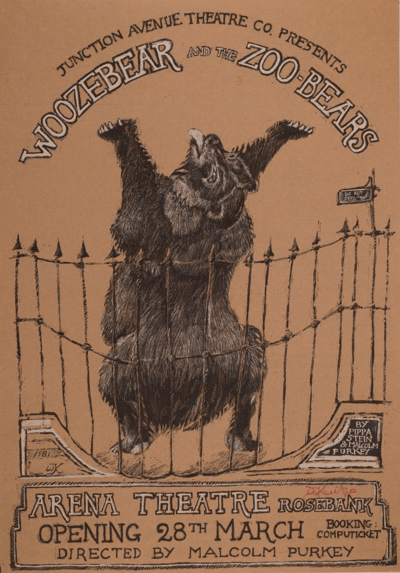
William Kentridge
Woozebear and the Zoo-Bears, 1981
Limited Edition Print
Offset Print
EUR 9,500
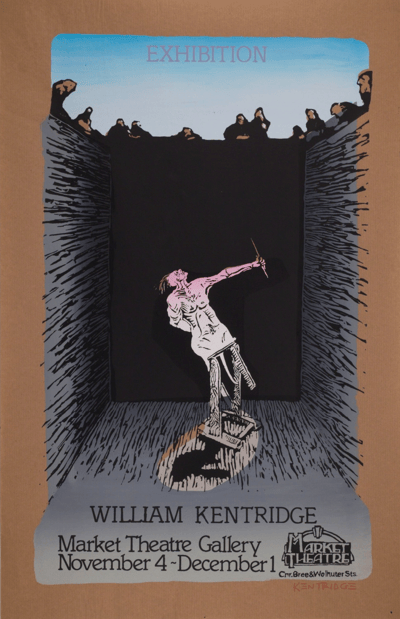
William Kentridge
Exhibition William Kentridge (Pit Monotypes), 1979
Limited Edition Print
Silkscreen
EUR 15,000
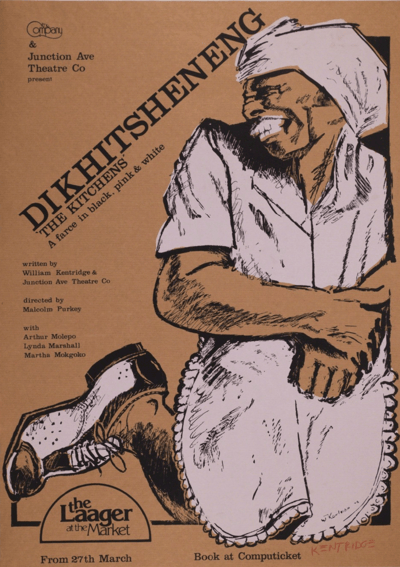
William Kentridge
Dikhitsheneng (The Kitchens), 1980
Limited Edition Print
Silkscreen
EUR 9,500
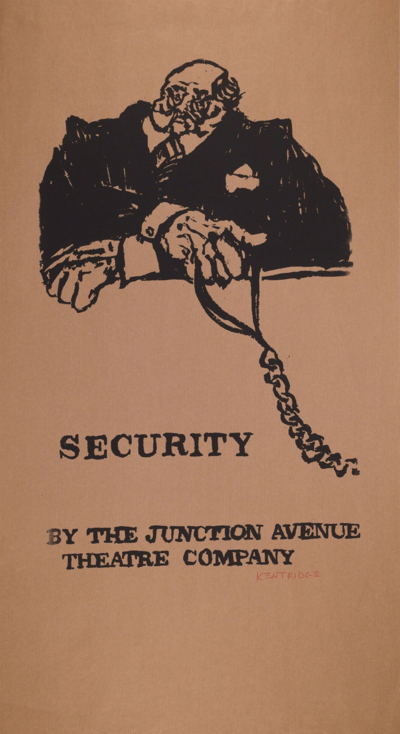
William Kentridge
Security, 1979
Limited Edition Print
Silkscreen
EUR 9,500
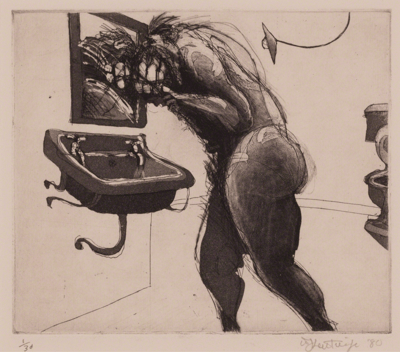
William Kentridge
Untitled, from Domestic Scenes, 1980
Limited Edition Print
Etching and Aquatint
EUR 15,000
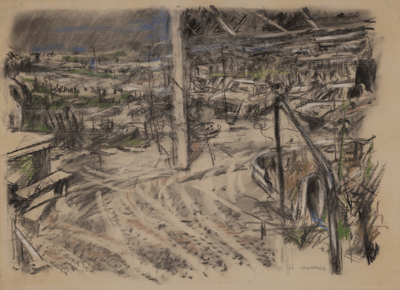
William Kentridge
Embarkation, 1986
Drawing / Watercolor
Mixed Media
Inquire For Price
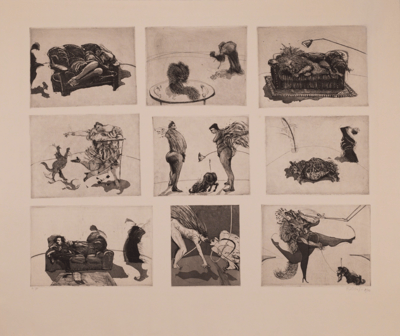
William Kentridge
A Wildlife Catalogue II, 1980
Limited Edition Print
Etching
EUR 25,000
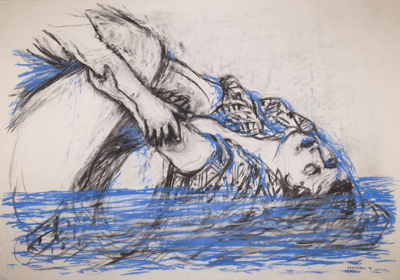
William Kentridge
The Passion of Mrs Eckstein, 1991
Drawing / Watercolor
Mixed Media
Inquire For Price
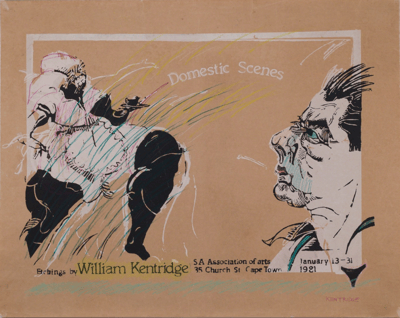
William Kentridge
Domestic Scenes, 1980
Limited Edition Print
Mixed Media
EUR 15,000
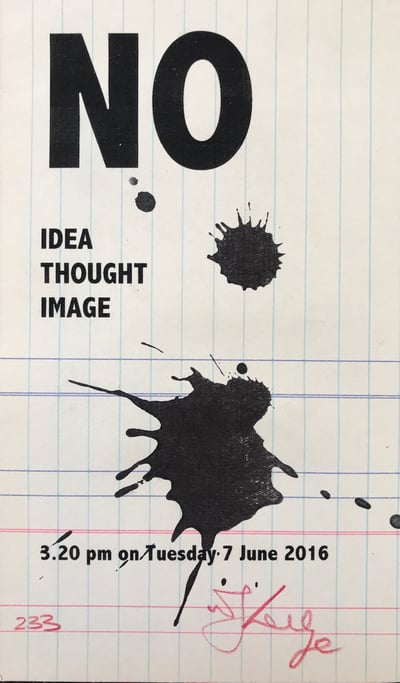
William Kentridge
No Idea Thought Image, 2016
Limited Edition Print
Screen-print
Currently Not Available
Related Artists
Related Articles
Artists, Art Movements - August 15, 2024
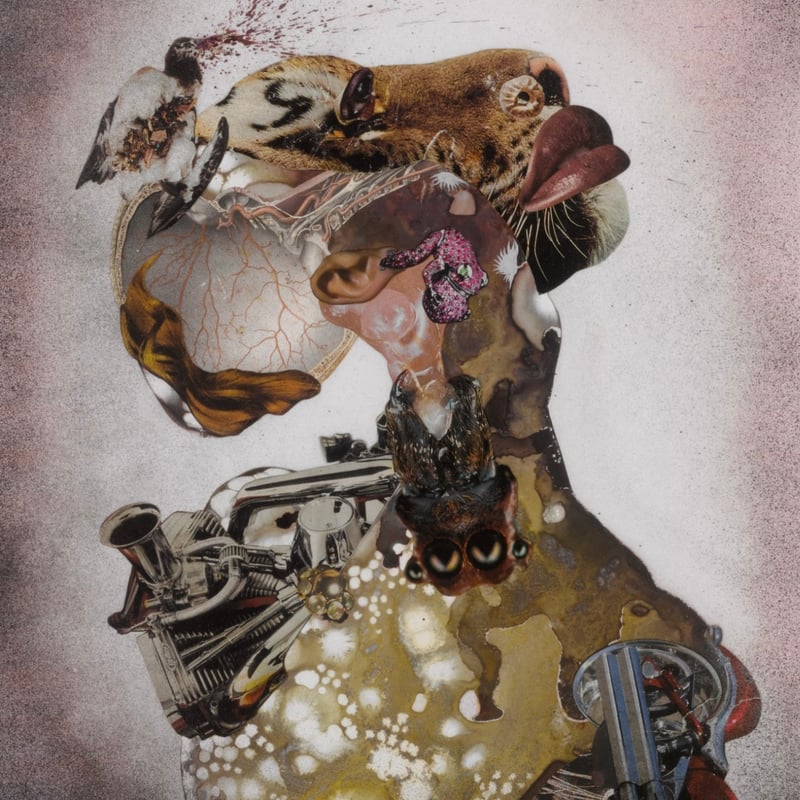
The Flourishing of African Art: Celebrating Diversity and Cultural Exchange in the Art World
Celebrate the diversity of African art! Explore how cultural heritage and contemporary innovation shape its global influence and vibrant future.Read More
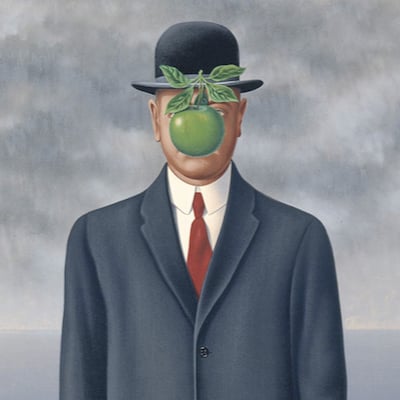
What is Surrealism?
Surrealism began in the 1920s as an art and literary movement with the goal of revealing the unconscious mind and unleashing the imagination by exploring unusual and dream-like imagery. Influenced by Sigmund Freud’s theories of psychoanalysis, Surrealist artists and writers sought to bring the unconscious into rational life, blurring the lines between reality and dreams. The movement aimed to challenge conventional perceptions and express the irrational aspects of the human experience.

William Kentridge
Dikhitsheneng (The Kitchens), 1980
61.5 x 43.8 cm


