
A movement and style in art that originated in Italy during the 1960s. It integrates elements of minimalism, performance art, and conceptual art by using everyday or seemingly worthless materials, (...) read more
Art Glossary
Definitions of Art Forms, Mediums, and Movements
Image View
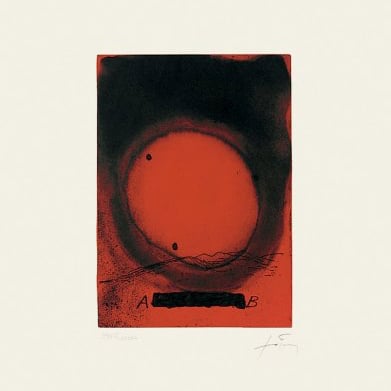
Artwork by Antoni Tapies
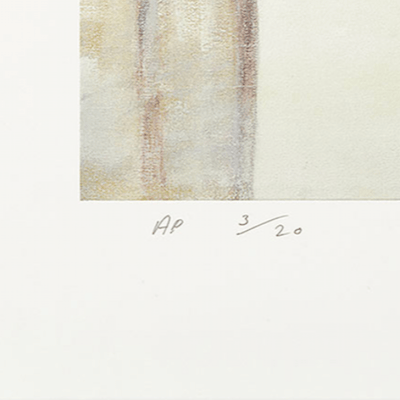
An artist proof traditionally refers to a print impression taken during the printing process to evaluate the current state of the artwork as the artist works on the plate. These proofs often show (...) read more

Assemblage is an artistic process involving the combination of three-dimensional objects to create a work of art. The term, which originates from the French word for assembly, often involves the use (...) read more
Attribute can function as both a noun and a verb. As a noun, it refers to an object, symbol, or animal commonly associated with a specific person, often used in art to identify figures, such as a (...) read more
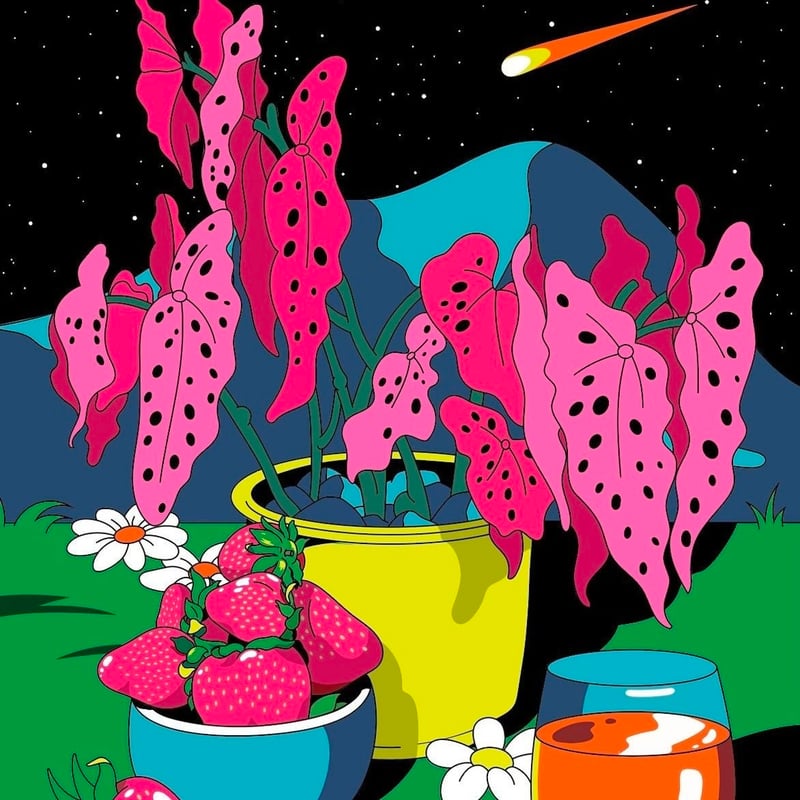
Contemporary Art in Australia is a dynamic blend of traditional and innovative practices, reflecting the country's diverse cultural heritage and vibrant spirit. From Sydney, the epicenter of (...) read more
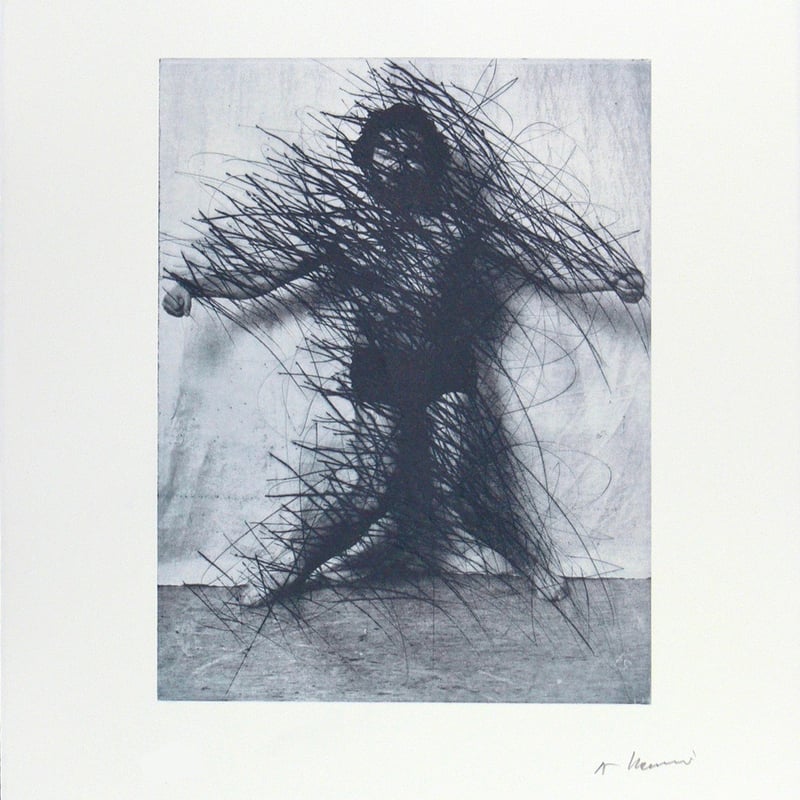
Contemporary art in Austria is a vibrant and dynamic field, with a rich history and a thriving present. The country is home to world-class museums like the Albertina and the Mumok in Vienna, which (...) read more

Authenticity refers to the qualities that define an original artwork as genuine, created by the artist under the original circumstances. A reproduction lacks authenticity because it was not made by (...) read more
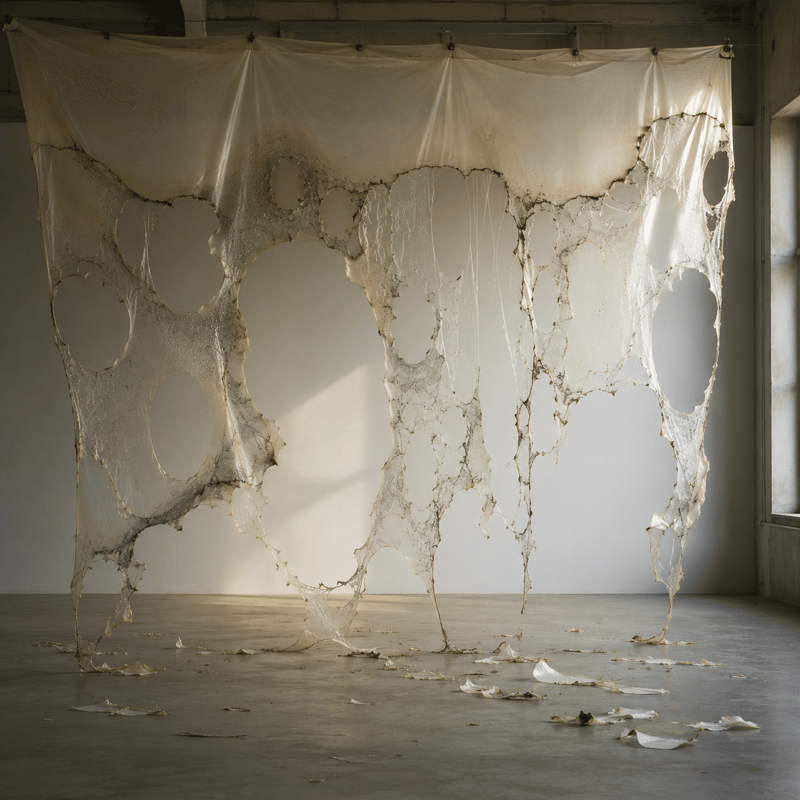
A term coined to describe artworks that are designed to be destroyed during their creation. Gustav Metzger, who developed this concept, outlined key principles: the artwork must disintegrate within (...) read more

Automatism refers to a technique in the creative process that accesses material from the unconscious or subconscious mind. It is based on Sigmund Freud’s psychoanalytic method of free association. (...) read more

Avant-garde refers to innovative and experimental ideas in the arts that challenge established norms and conventions. Originating from the French term for advance guard, it describes both the (...) read more
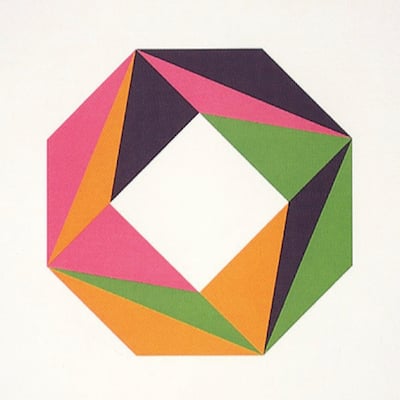
Bauhaus was a school of art, design and architecture established in Weimar, Germany. Architect Wlater Gropius established it in 1919. Bauhaus used a method for teaching within a community of artists (...) read more
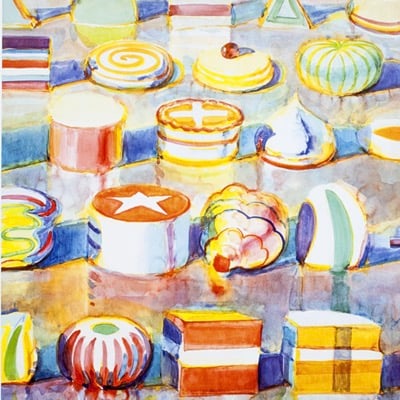
The Bay Area Figurative Movement, which also goes by the names Bay Area Figurative School, Bay Area Figurative Art, or Bay Area Figuration, came to existence in San-Francisco Bay Area. This was in (...) read more

A Chinese term that describes performance art. This concept is relatively new and may be challenging to articulate unless people understand the intentions behind it. It is a flexible concept that (...) read more
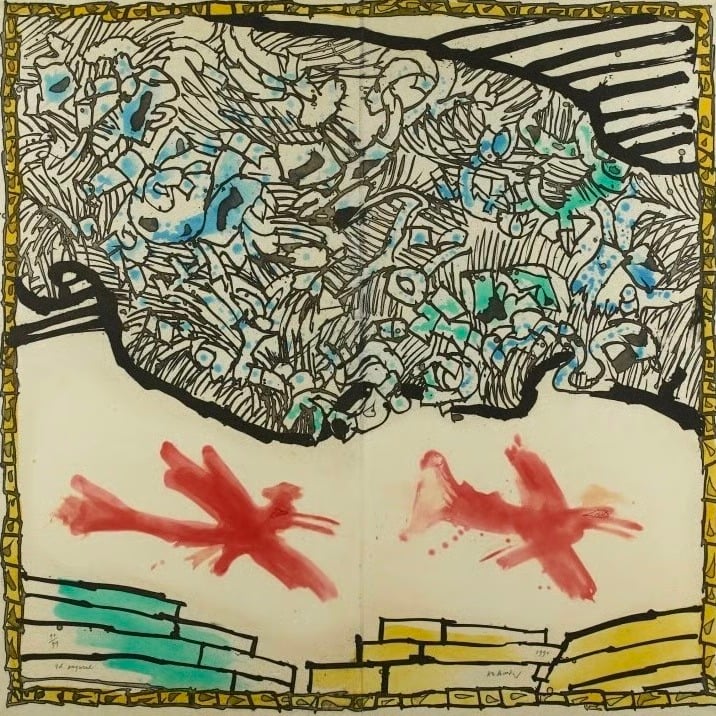
Belgium's contemporary art scene is a dynamic hub, marked by innovative expressions and globally resonant ideas. Renowned institutions such as M HKA and Wiels serve as important platforms for (...) read more

A Biennial is an art exhibition held every two years, typically on a large scale with international participants. The first and most famous example is the Venice Biennale, established in 1895 and (...) read more

Body art involves creating art directly on or with the human body. Common forms include body piercings and tattoos, but it also encompasses practices like branding, scarification, scalping, body (...) read more
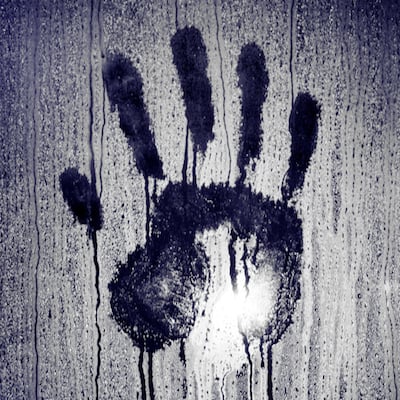
A body print is an art technique where the artist uses their body as a printing plate. This can be done by smearing grease, margarine, or oil on the skin, hair, and clothes, then pressing the body (...) read more
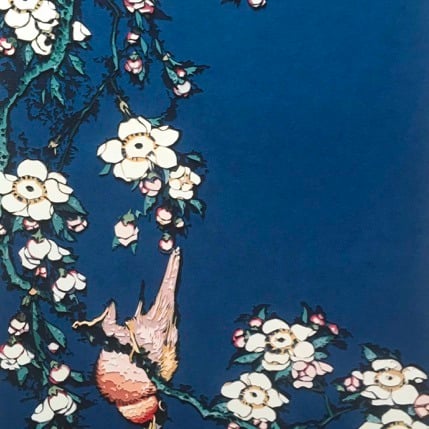
Brazil's contemporary art scene is a vibrant amalgam of cultural expressions, reflecting a rich, diverse heritage. Esteemed institutions like São Paulo Museum of Art (MASP) and Museum of Contemporary (...) read more

Bricolage is the creation or construction of a piece of art using materials that are readily available to the artist. The term is French and roughly translates to do-it-yourself. This approach became (...) read more

Bronze is a metal alloy made primarily of copper and tin, with a typical modern composition of 88% copper and 12% tin. Over time, bronze develops a patina, a surface color that often turns deep green (...) read more

Browser art is a form of renegade art where artists use computers to transform code, website structures, and server links into visual material. These artists, often called net artists or net writers, (...) read more

Brutalism is an architectural style from the 1950s and 60s characterized by the use of raw concrete to create block-like forms. This style was often applied in public housing and civic buildings, (...) read more
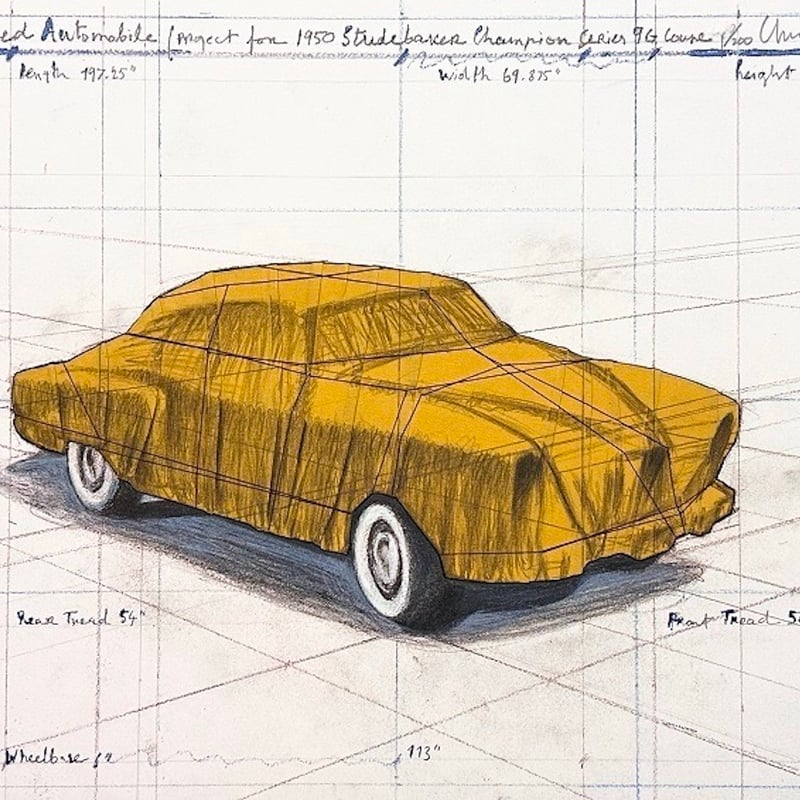
Bulgaria's contemporary art scene brims with diverse artistic expressions, reflecting its rich historical tapestry. Prestigious institutions like Sofia City Art Gallery and the Museum of Contemporary (...) read more

A C-type print, also known as a chromogenic print, is a photographic print made from a color negative or slide. The print is created on chromogenic paper, which contains three emulsion layers, each (...) read more