Bulgaria
Bulgaria's contemporary art scene brims with diverse artistic expressions, reflecting its rich historical tapestry. Prestigious institutions like Sofia City Art Gallery and the Museum of Contemporary Art - Sofia, anchor this vibrant milieu. Renowned artists like Nedko Solakov, known for his narrative installations, and Luchezar Boyadjiev, a conceptual artist, epitomize Bulgaria's contemporary art scene. Explore the exciting Bulgarian contemporary art landscape on Composition Gallery's website.
Artworks Related to Bulgaria

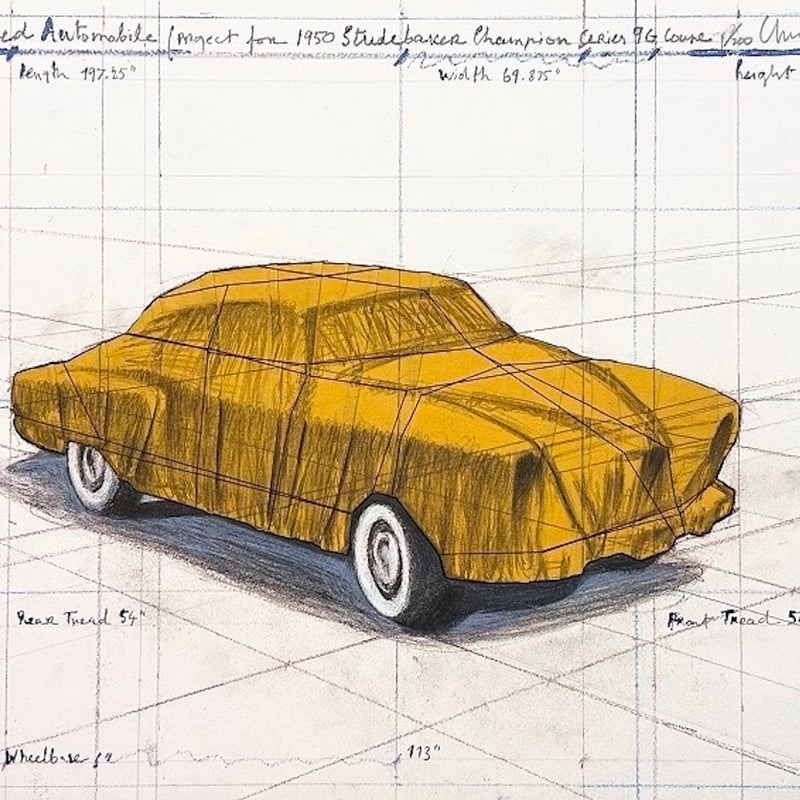
Javacheff Christo
Puerta de Alcalá, envuelta /proyecto para Madrid, 1981
Limited Edition Print
Lithograph
EUR 9,600
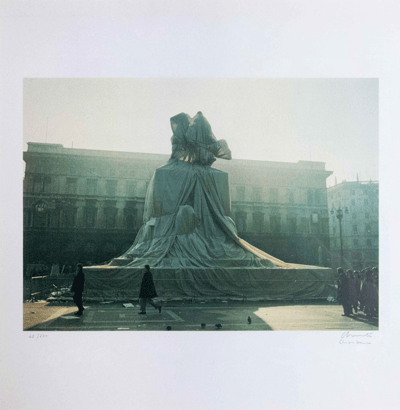
Javacheff Christo
Wrapped Monumento to Vittorio Emanuele, Piazza del Duomo, 1970
Limited Edition Print
Photograph
EUR 2,400
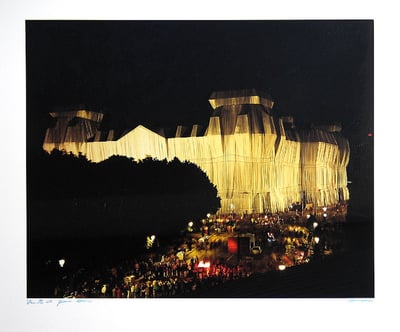
Javacheff Christo
Reichstag/Berlin Nacht, Wrapped, 1995
Limited Edition Print
Photograph
EUR 10,000
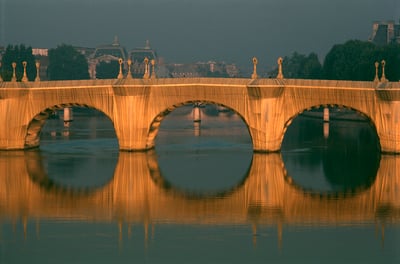
Javacheff Christo
The Pont Neuf Wrapped Reflecting Bridge PN-150, 1985
Limited Edition Print
Photograph
EUR 14,000
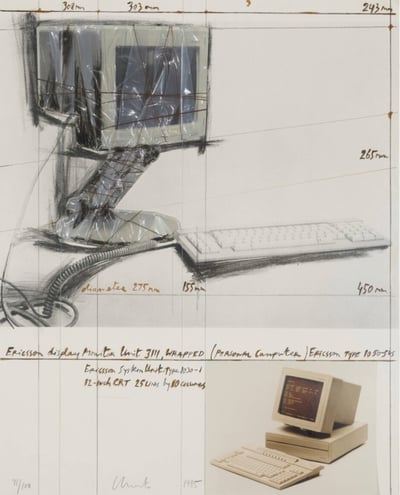
Javacheff Christo
Ericsson Display Monitor Unit 3111, Wrapped, Project for Personal Computer, 1985
Limited Edition Print
Lithograph
USD 12,000
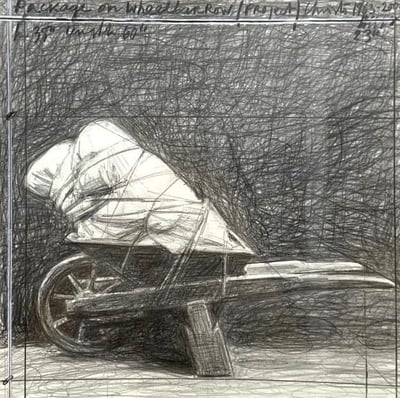
Javacheff Christo
Package on Wheelbarrow (project), 1963-2000
Drawing / Watercolor
Crayon
Inquire For Price
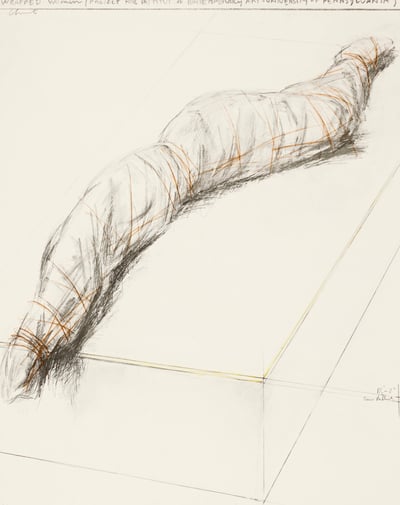
Javacheff Christo
Wrapped Woman, 1973
Limited Edition Print
Screen-print
USD 2,690
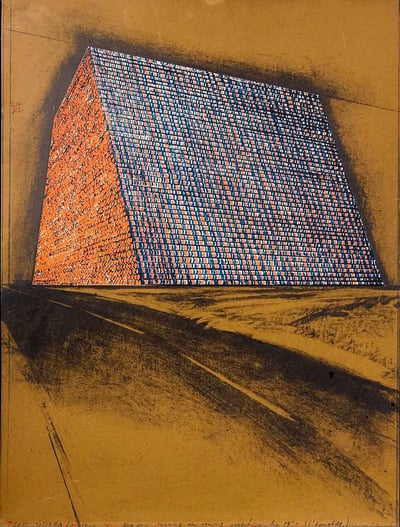
Javacheff Christo
Texas Mastaba, Project For 500,000 Stacked Oil Drums, 1971
Limited Edition Print
Lithograph
USD 1,550
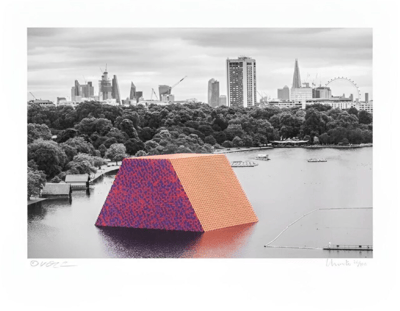
Javacheff Christo
The London Mastaba, 2018
Photography
Giclée printing
GBP 3,300
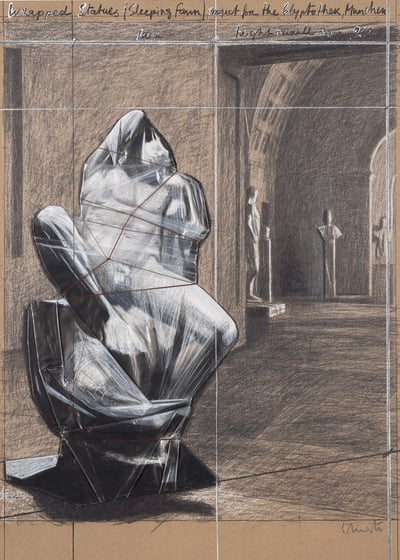
Javacheff Christo
Wrapped Statues, Sleeping Fawn, Project for the Glyptothek, 2001
Limited Edition Print
Mixed Media
EUR 9,000

Javacheff Christo
Puerta de Alcalá, Wrapped; Project for Madrid, 1981
Limited Edition Print
Lithograph
Currently Not Available
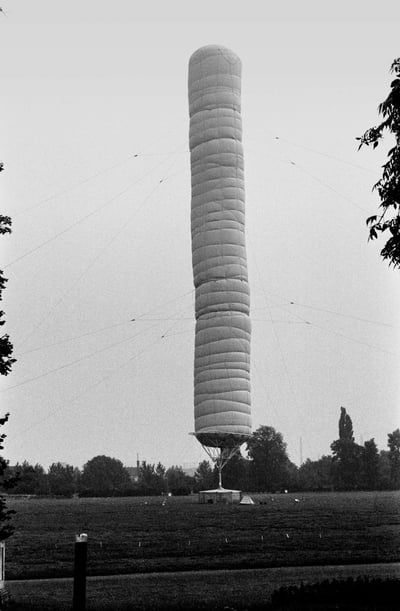
Javacheff Christo
Documenta Kassel KA-D68, 1968
Photography
Inkjet print
EUR 4,400
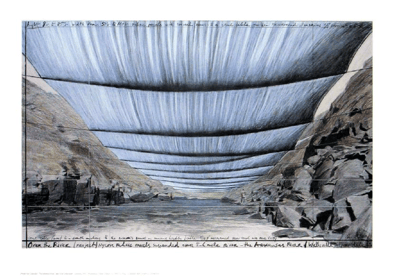
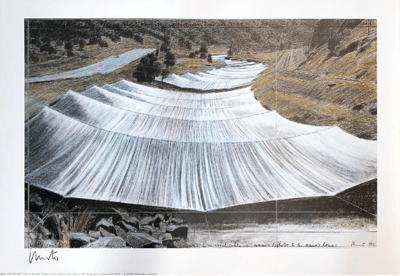
Javacheff Christo
Over The River Project V Under, 1992
Limited Edition Print
Offset Print
USD 1,450
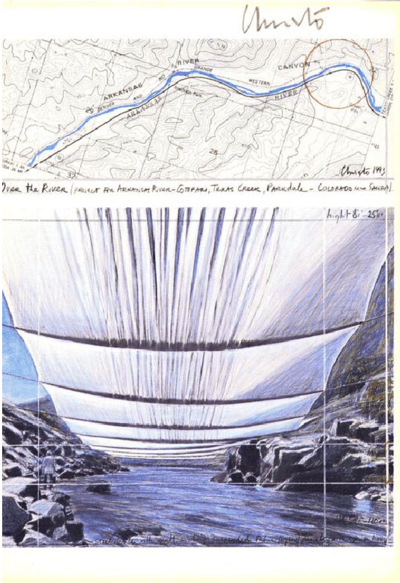
Javacheff Christo
Over The River Project V, 1992
Limited Edition Print
Offset Print
USD 1,400
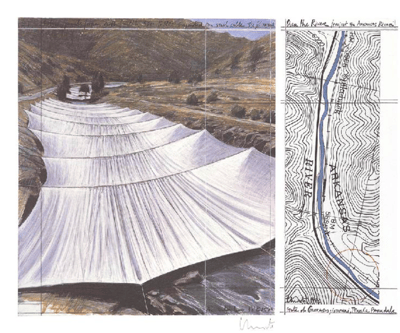
Javacheff Christo
Over The River Project IV, 1993
Limited Edition Print
Offset Print
USD 1,400
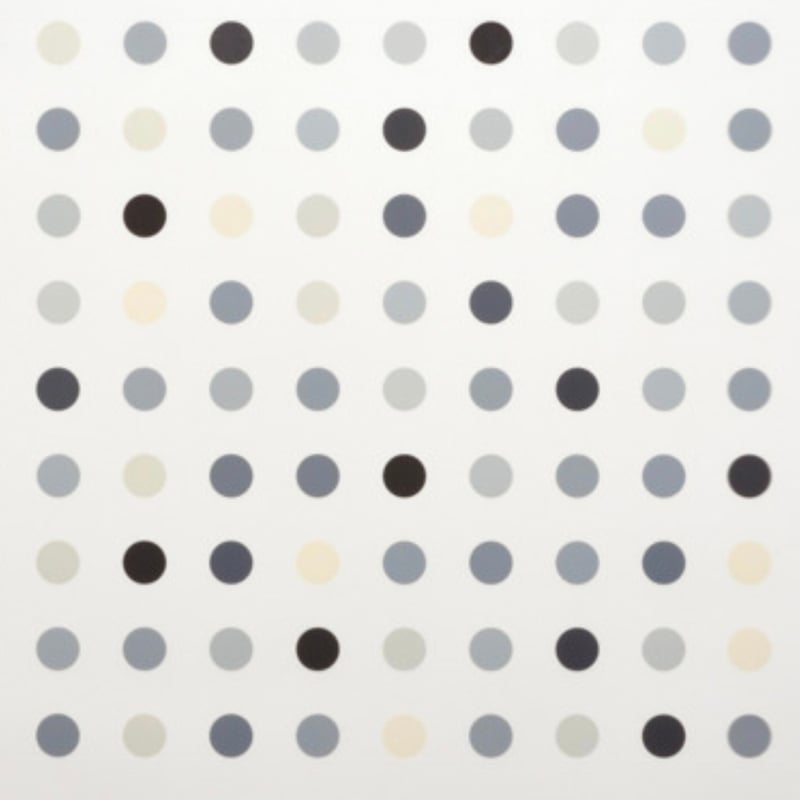
Javacheff Christo
Over The River Project III, 1993
Limited Edition Print
Offset Print
USD 1,400
Related Articles
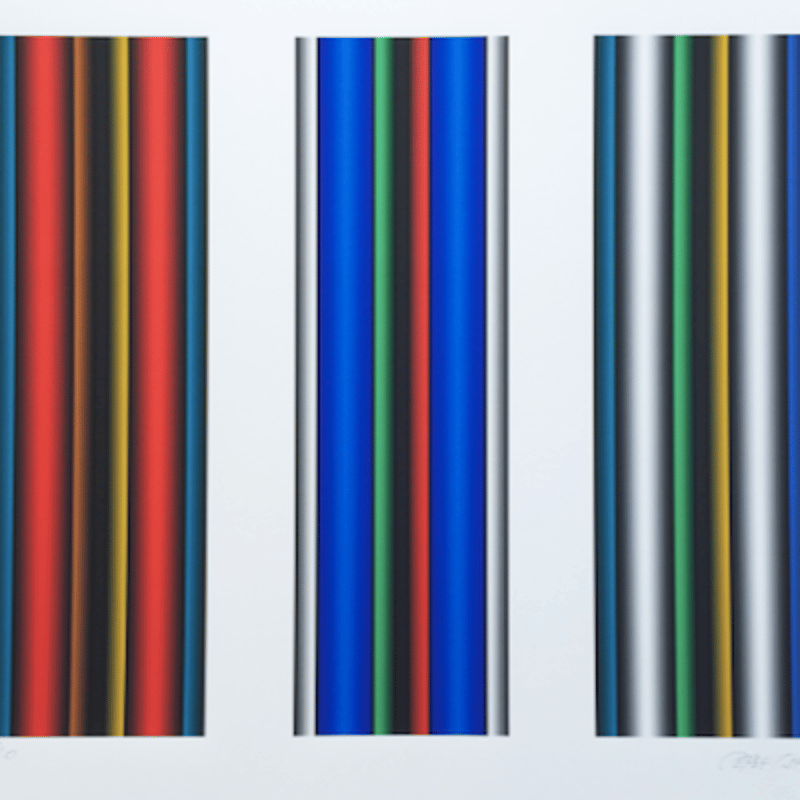
Lithography is a printing method based on the principle that water and oil do not mix. It can be used to print artwork or text onto paper or other suitable materials. Traditionally, an image was drawn with wax, fat, or oil onto a lithographic limestone surface or plate. Today, metal plates and other surfaces are also used in lithographic printing.
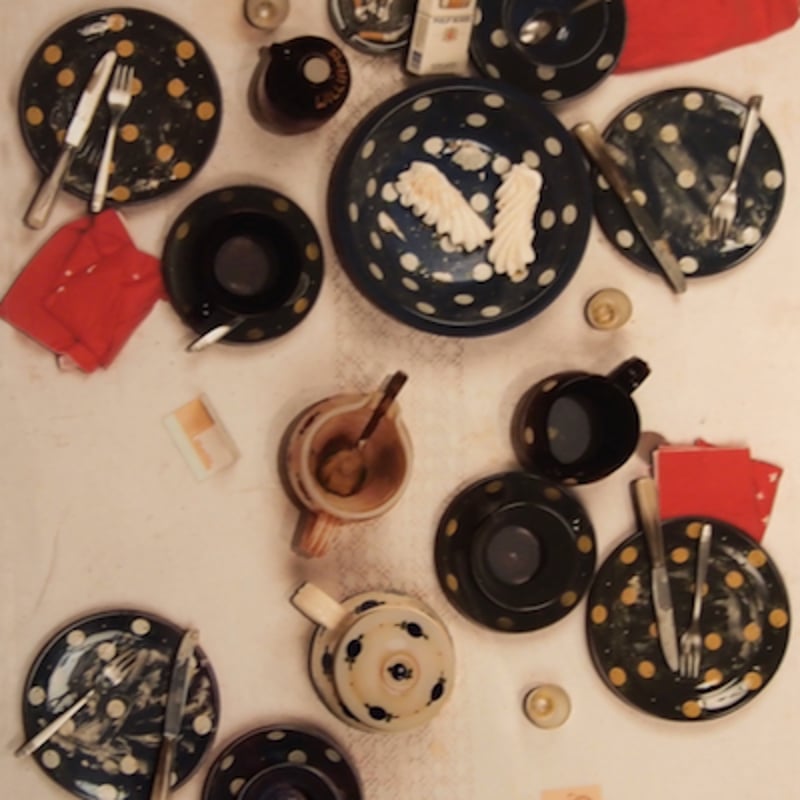
Nouveau Réalisme is an artistic movement founded in 1960 by art critic Pierre Restany and painter Yves Klein during a collective exhibition at a gallery in Milan. Restany wrote the original manifesto in April 1960, proclaiming the movement. In October of that year, nine artists, including Martial Raysse, Yves Klein, Daniel Spoerri, Jean Tinguely, Arman, Pierre Restany, and three Ultra-Lettrists—Jacques de la Villeglé, François Dufrêne, and Raymond Hains—signed the declaration. In 1961, the movement expanded to include Mimmo Rotella, Niki de Saint Phalle, Gérard Deschamps, and César. The movement emphasized a return to reality in art, often incorporating everyday objects and exploring the boundaries between art and life.
Mail Art is a populist art movement centered on the creation and exchange of small-scale artworks through the postal service. It developed out of the Fluxus movement in the 1950s and 1960s and has since evolved into a global art movement. Ray Johnson is recognized as the first mail artist, and his New York School is considered the first network of mail artists. Mail artists rely heavily on a network to exchange their works, often creating a community of artists connected through the postal system.
Can't find your Answer?
Thank you! Your question has been sent — we'll get back to you shortly.
