Situationism is a psychological theory that gained prominence in 1968, following the publication of a monograph by Walter Mischel that sparked the Person-situation debate. This theory argues that (...) read more
Art Glossary
Definitions of Art Forms, Mediums, and Movements
Image View
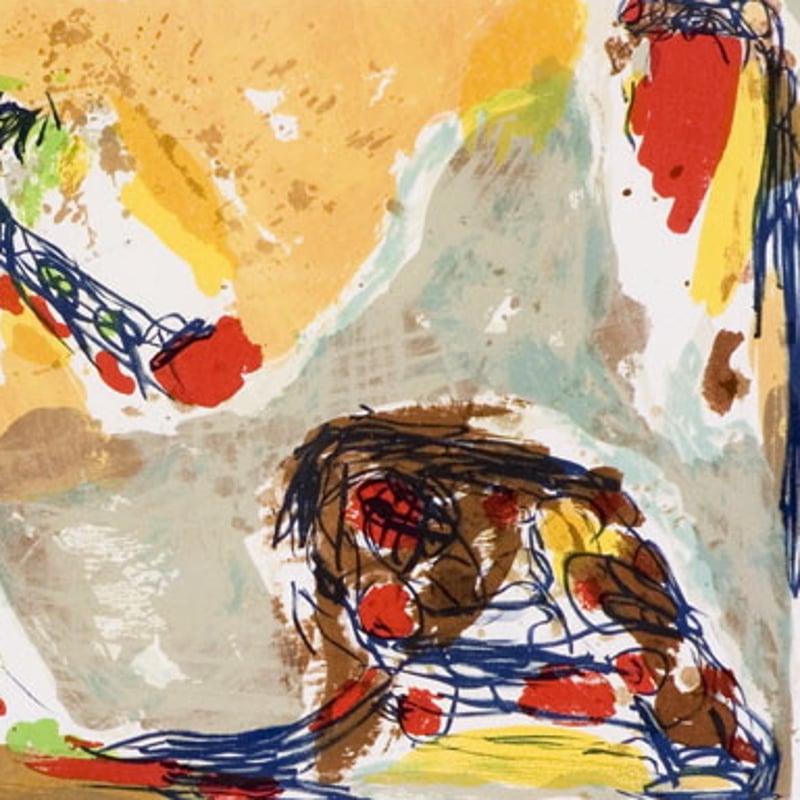
Artwork by Asger Jorn
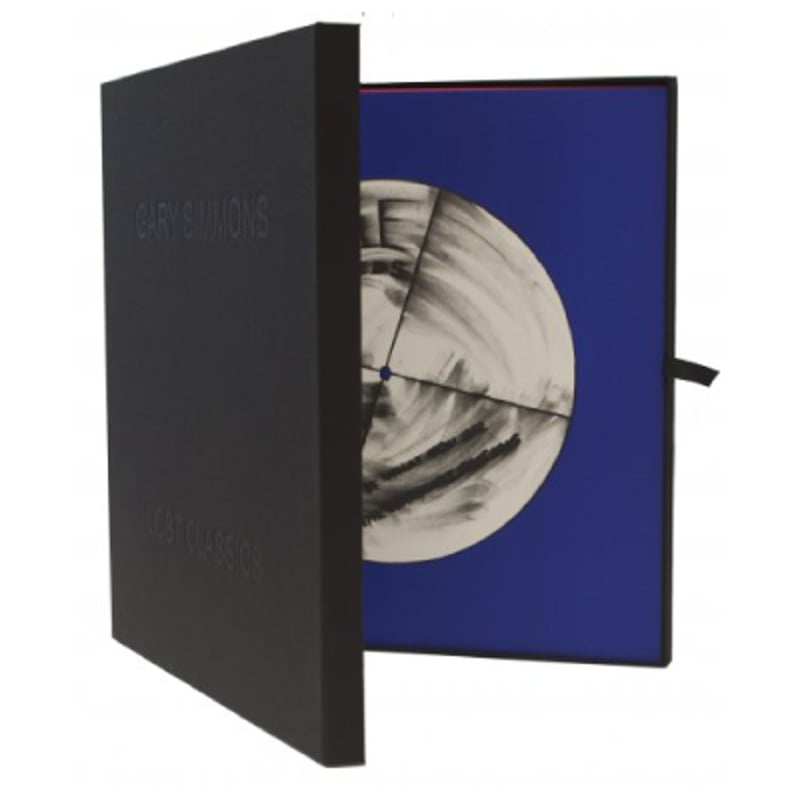
Sound Art is an artistic discipline where sound is used as the primary medium. Like other contemporary art genres, Sound Art is inherently interdisciplinary, engaging with a variety of subjects (...) read more
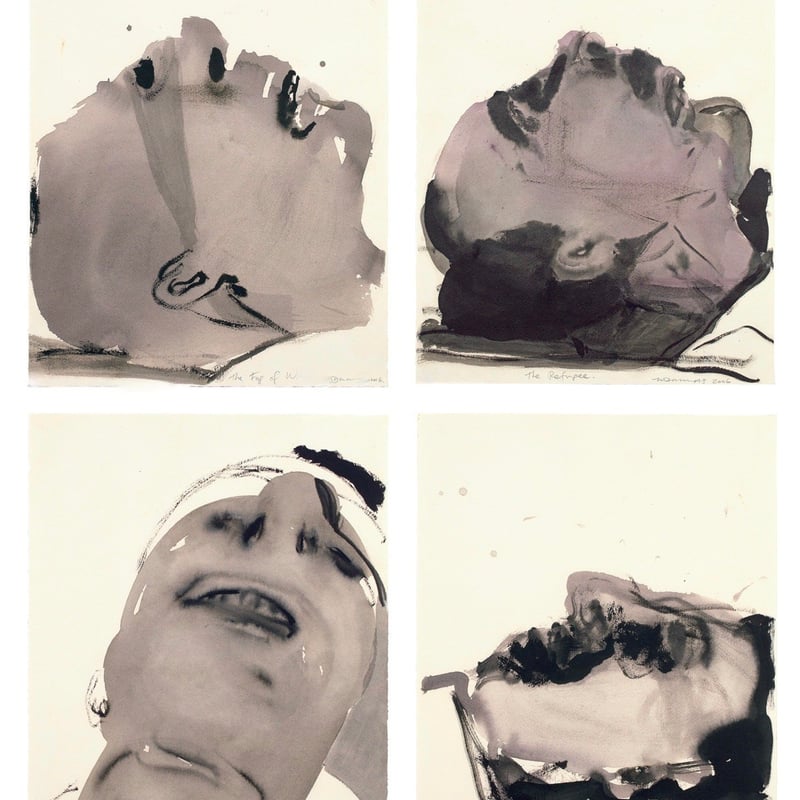
South Africa's contemporary art scene is a dynamic blend of heritage and innovation. Renowned artists like William Kentridge and Mary Sibande challenge perceptions, merging global trends with local (...) read more

Space Art is an artistic genre that depicts the cosmic elements of the universe, including celestial bodies, interstellar space, and space exploration. It began in 1865 with the first science-based (...) read more
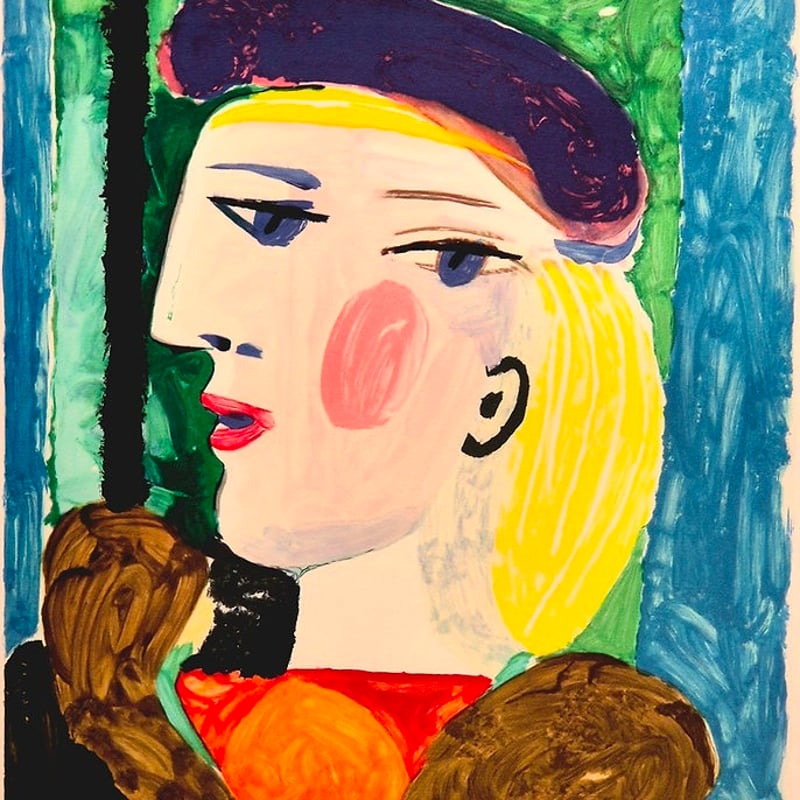
Spain's contemporary art scene is a vibrant amalgamation of tradition and innovation. Distinguished museums like the Reina Sofia Museum in Madrid and the Guggenheim Museum in Bilbao showcase (...) read more
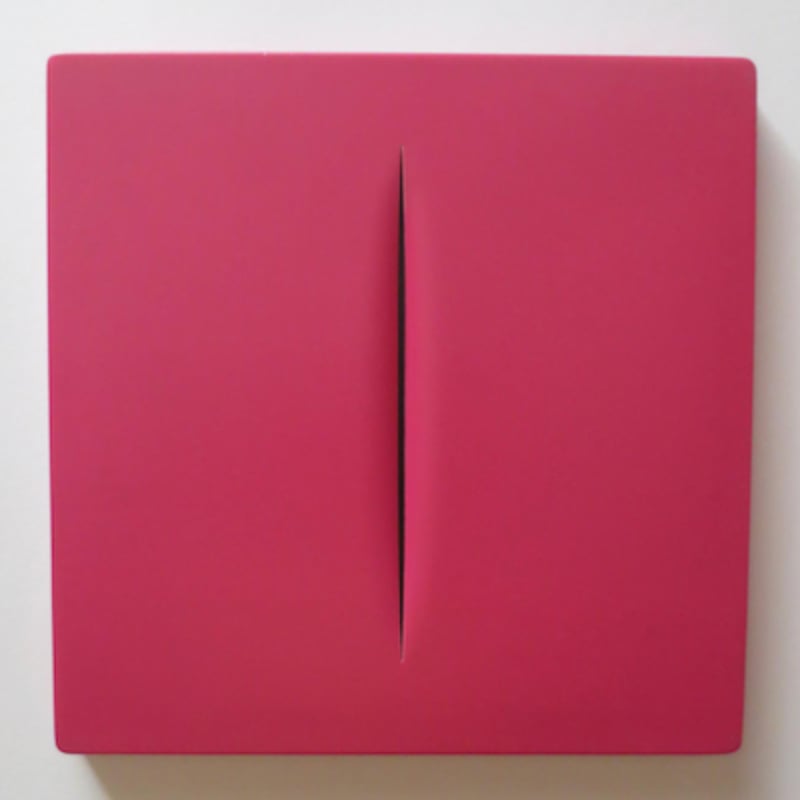
Spatialism is an art movement that originated in Italy in 1947, founded by Lucio Fontana with the intention of synthesizing sound, color, movement, and space into a new form of art. The movement's (...) read more
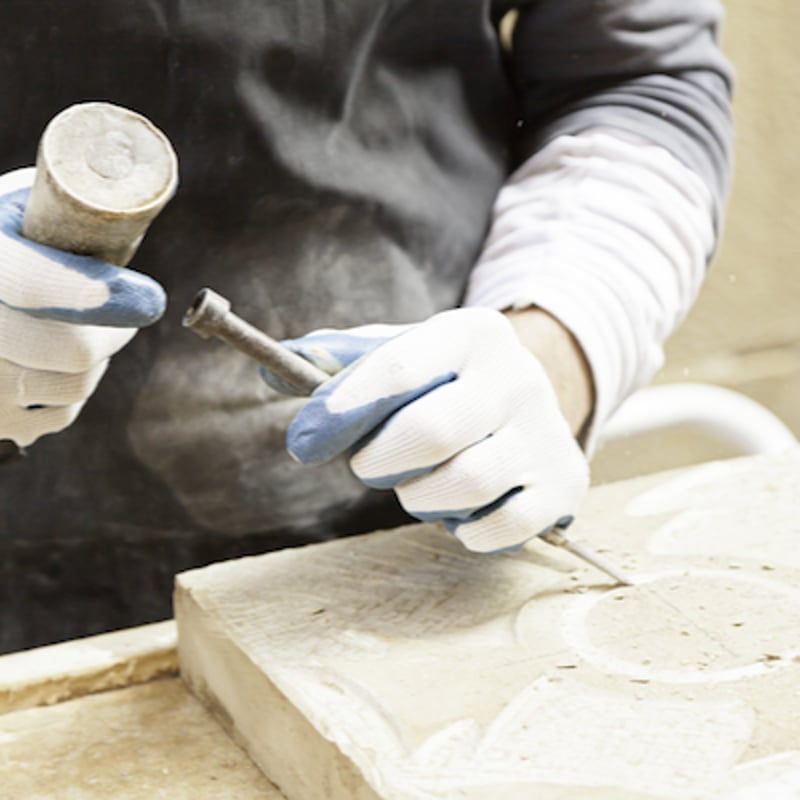
Stone is a hard, natural material found in the ground and used for various artistic purposes, such as carving statues, creating jewelry, and assembling mosaics. Artists and rock collectors often seek (...) read more
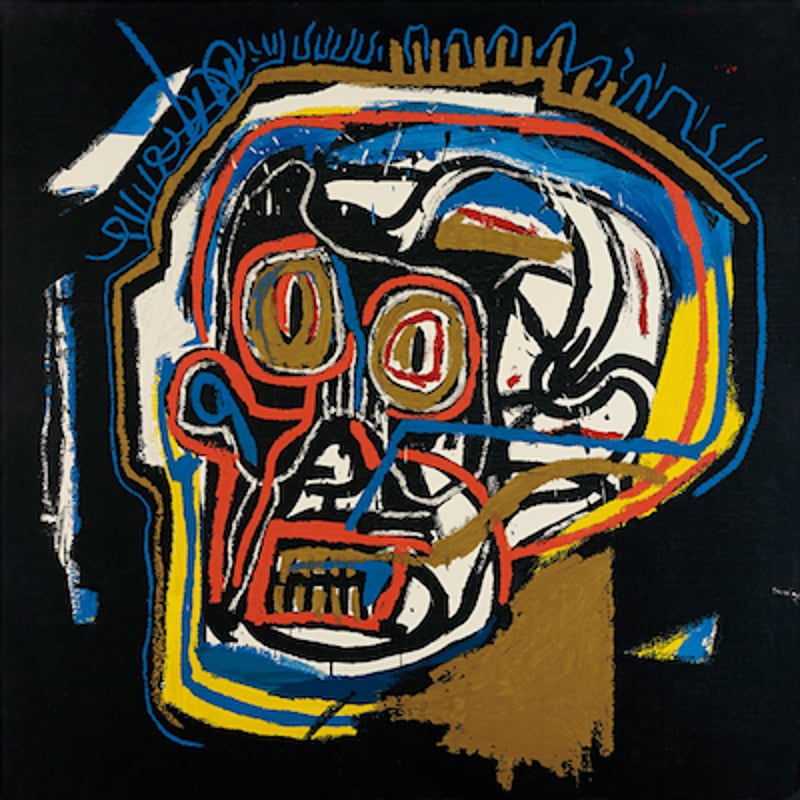
Street Art is artwork created and executed in public spaces, outside of traditional art venues. It gained popularity during the 1980s graffiti art boom and has since evolved into various forms and (...) read more
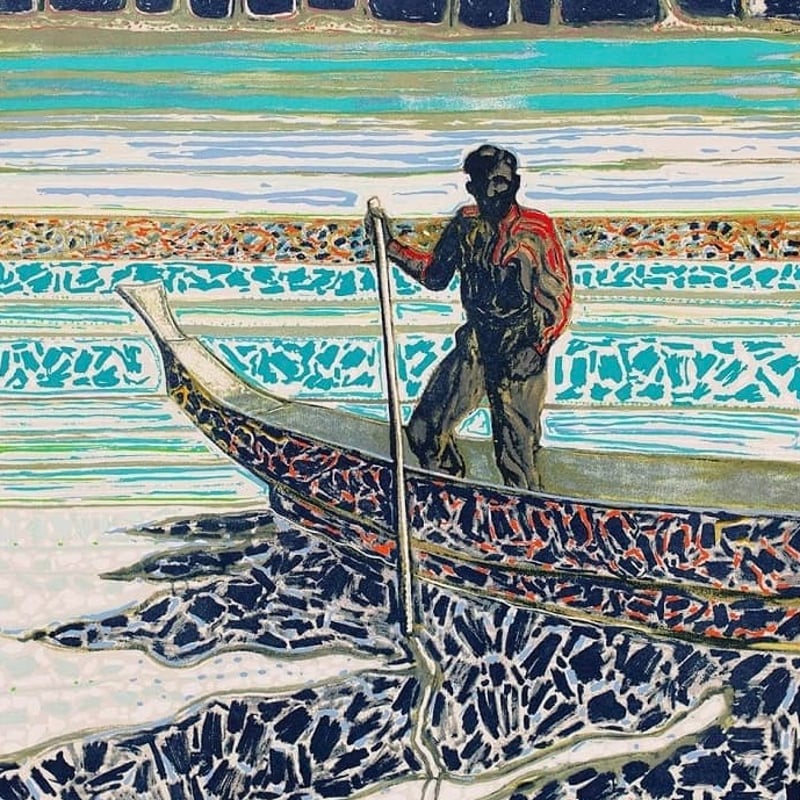
Stuckism is an art movement that promotes figurative painting over conceptual art. It was founded in 1999 by Charles Thomson and Billy Childish with an initial group of 13 artists in Britain. The (...) read more

Superflat is an art movement founded by Takashi Murakami, heavily influenced by anime and manga. The term Superflat refers to the flattened forms found in Japanese animation, graphic art, fine arts, (...) read more

Surrealism began in the 1920s as an art and literary movement with the goal of revealing the unconscious mind and unleashing the imagination by exploring unusual and dream-like imagery. Influenced by (...) read more

Sweden's contemporary art scene is a progressive fusion of traditional aesthetics and cutting-edge creativity. Acclaimed artists like Nathalie Djurberg and Jonas Dahlberg push boundaries with their (...) read more
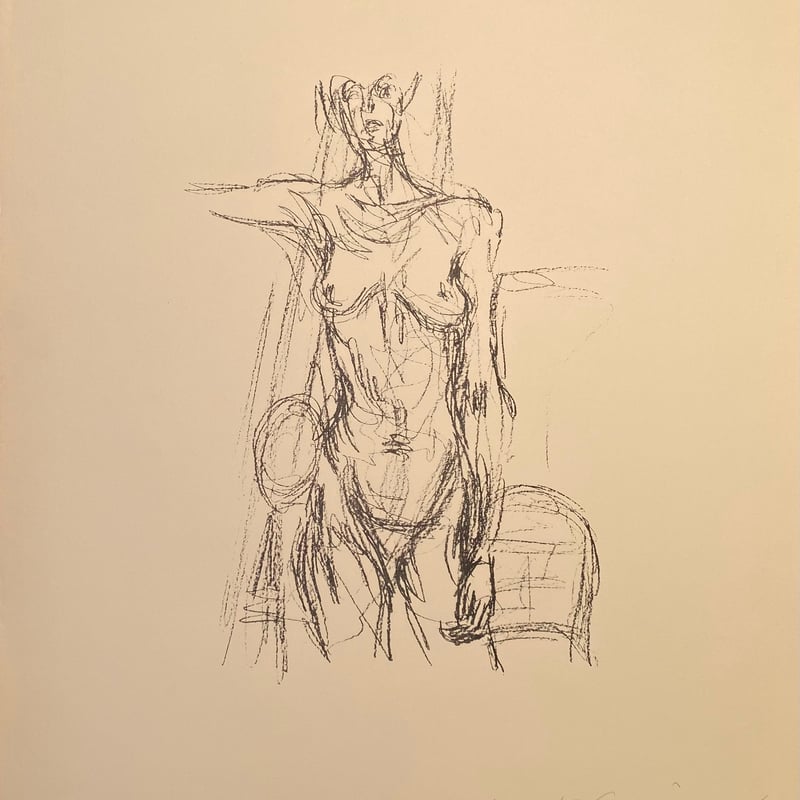
Switzerland consistently underscores its position as a central axis in the global contemporary art realm. The country is home to prestigious museums such as the Kunsthaus Zürich and the Fondation (...) read more
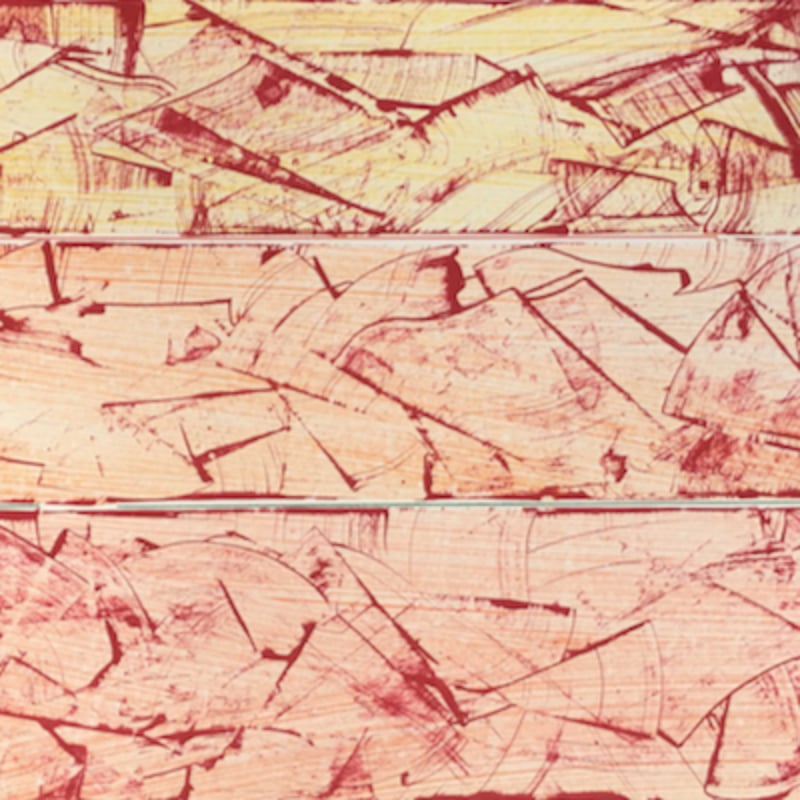
Systems Art refers to a group of artists who, during the late 1960s and early 1970s, used the frameworks of conceptualism and minimalism to create art that was responsive to its environment. (...) read more
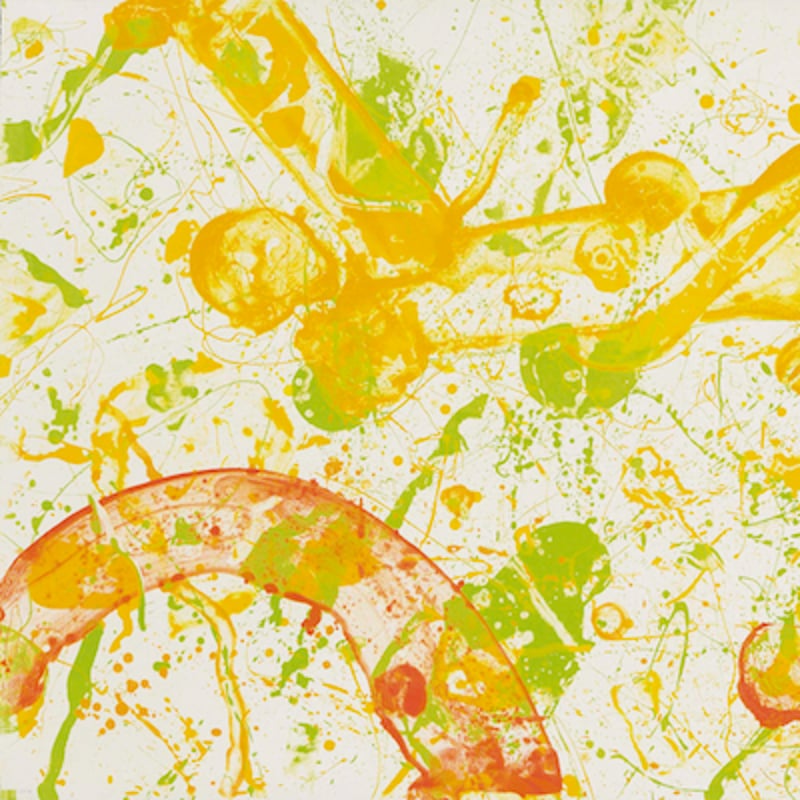
Tachisme is a French abstract painting style that gained popularity between 1940 and 1950, often seen as the European counterpart to Abstract Expressionism. However, there are stylistic differences (...) read more
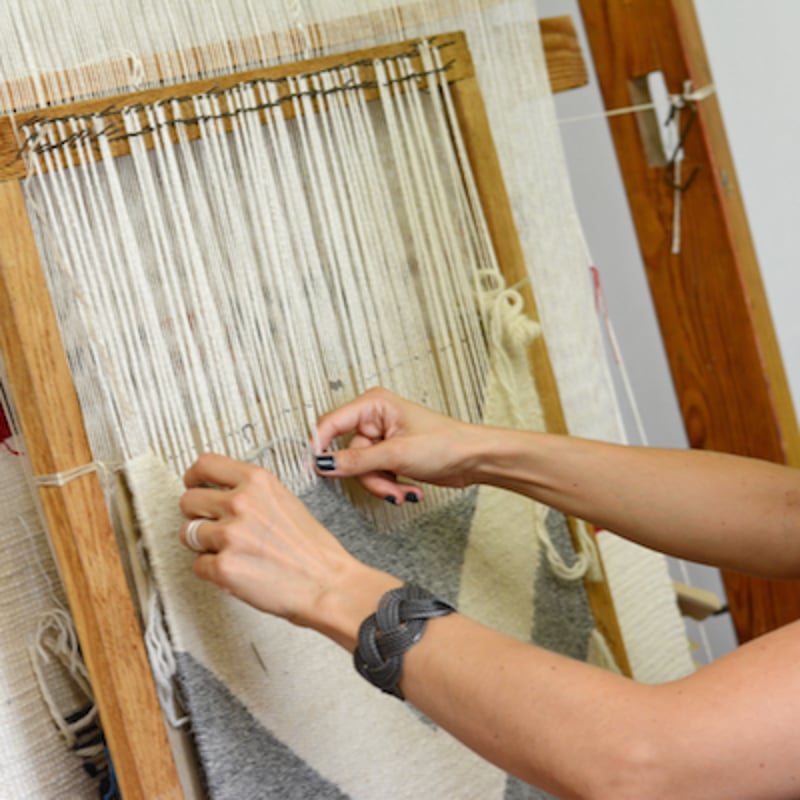
Tapestry is a woven form of textile. It is generally heavy, and the completed work has a decorative pattern, design or realistic depiction of a portrait or real life activities. Tapestries were hung (...) read more
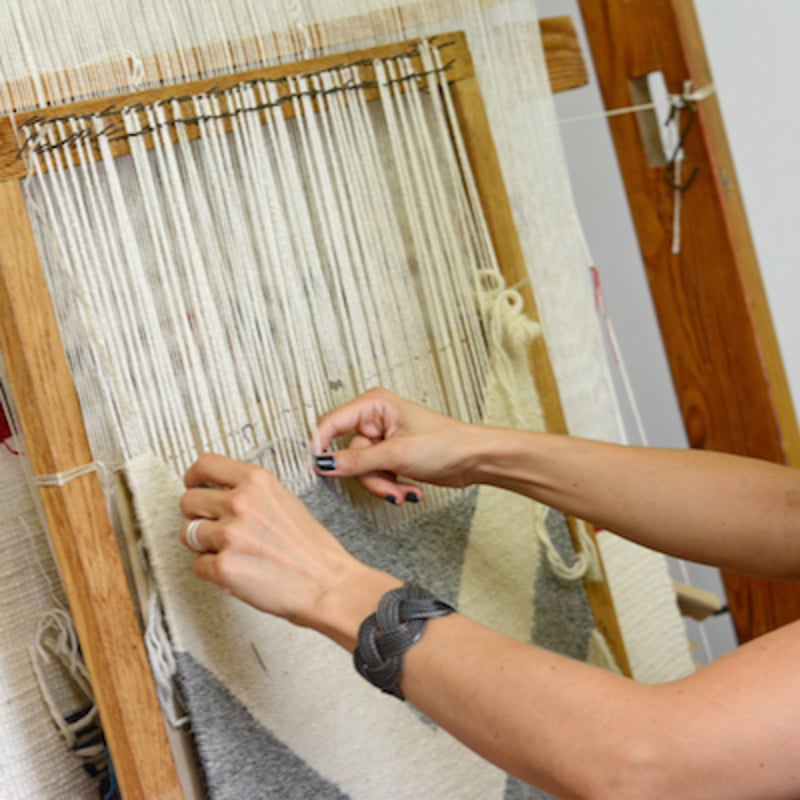
Tapestry is a heavy, handwoven textile featuring intricate designs or images woven directly into the fabric. Created by skilled weavers using materials like wool, linen, cotton, silk, and sometimes (...) read more

Tempera is a paint traditionally made by mixing colored pigments with egg yolk. It dries quickly and is highly durable, with some examples dating back to 100 AD still in existence. Modern tempera (...) read more
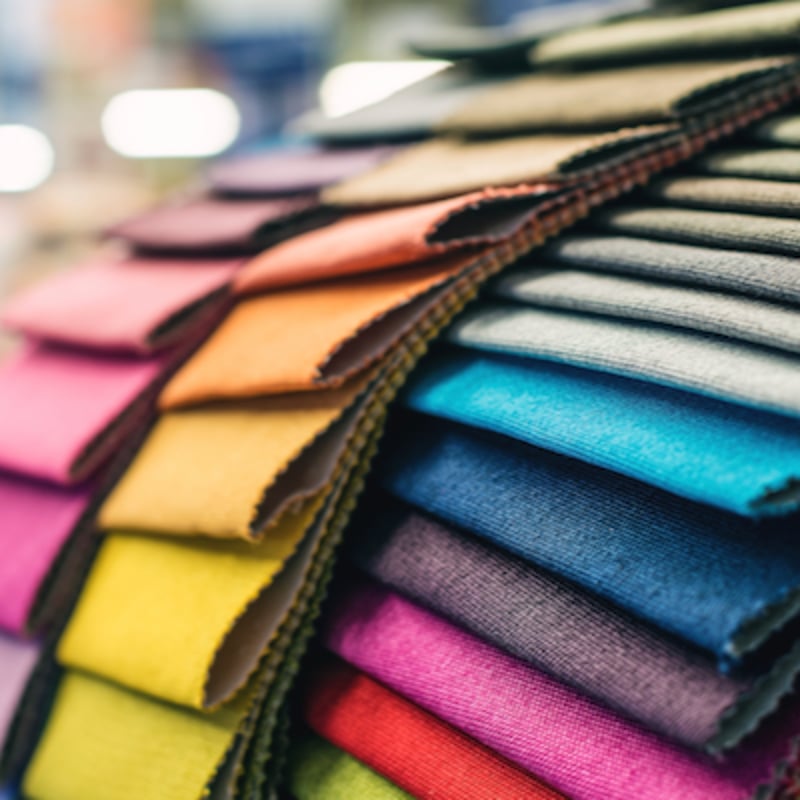
Textile refers to a flexible material made by weaving, felting, crocheting, knitting, or knotting long strands of natural or synthetic yarn or thread. Textile artists often create their own materials (...) read more

Transavanguardia is the Italian version of Neo-Expressionism, referring to an art movement that emerged in Italy and other parts of Western Europe during the 1970s and 1980s. The term translates to (...) read more

Ukraine's contemporary art scene reflects a captivating blend of rich heritage and forward-thinking dynamism. Artists such as Pavlo Makov and Anatoly Kryvolap are creating bold, innovative works that (...) read more
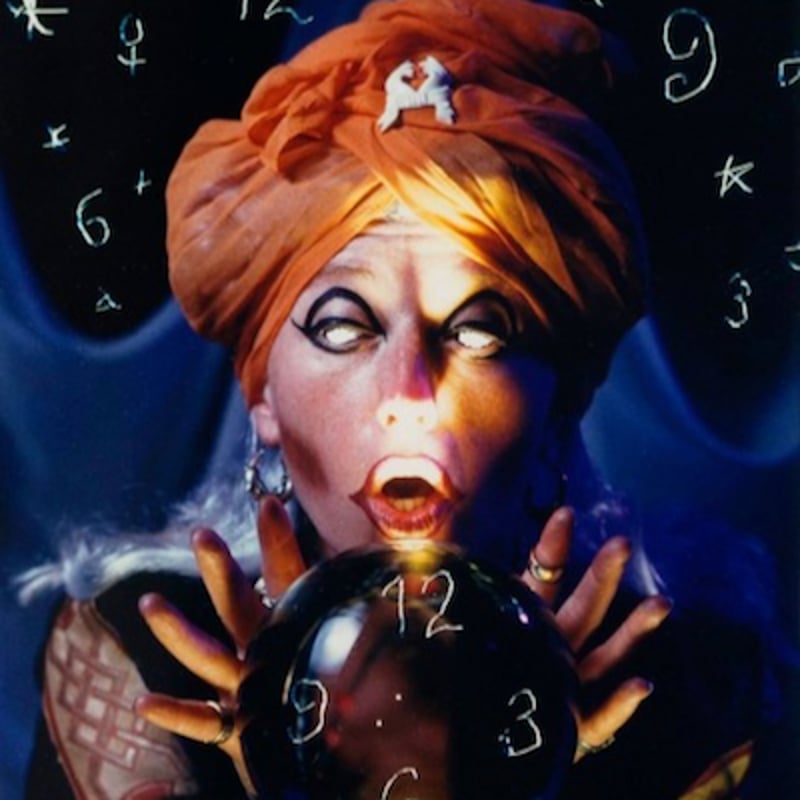
The Uncanny is a concept described by psychologist Sigmund Freud as the eerie or unsettling feeling that arises when something familiar is presented in a strange or unfamiliar way. Surrealist (...) read more
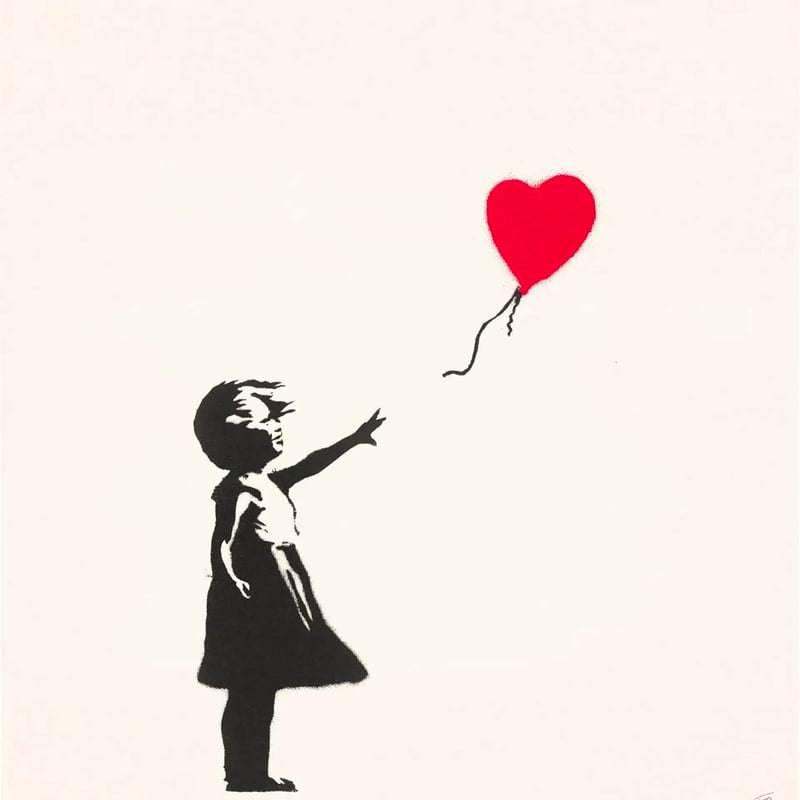
Immerse yourself in the pulsating energy of the United Kingdom's contemporary art landscape. Steeped in history yet invigorated by cutting-edge experimentation, it is home to notable institutions (...) read more
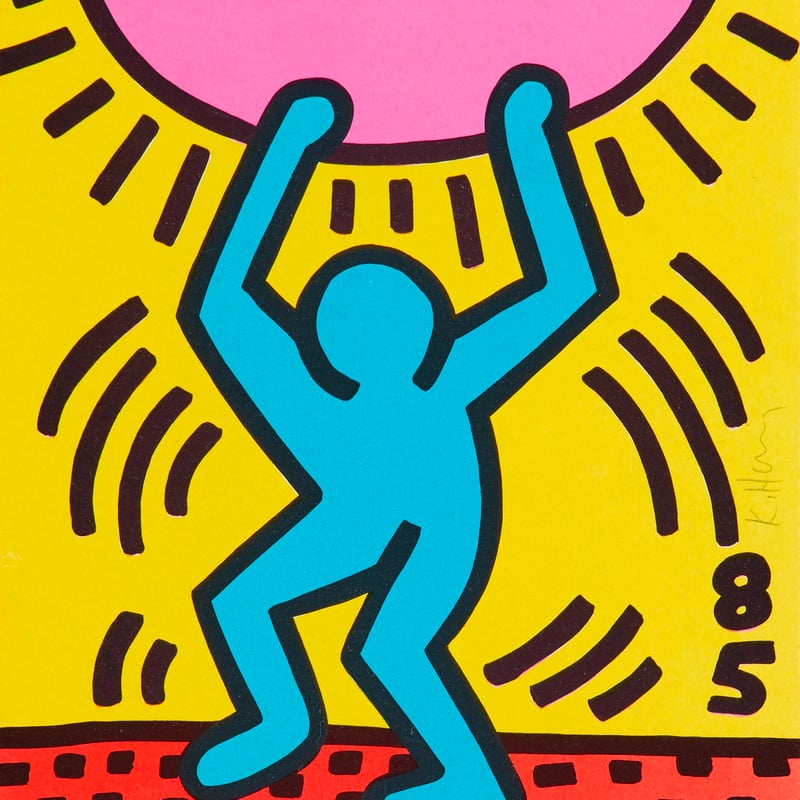
The contemporary art scene in the United States is a dynamic fusion of diverse traditions and avant-garde explorations, resonating across the global art spectrum. Institutions like the Museum of (...) read more