United Kingdom
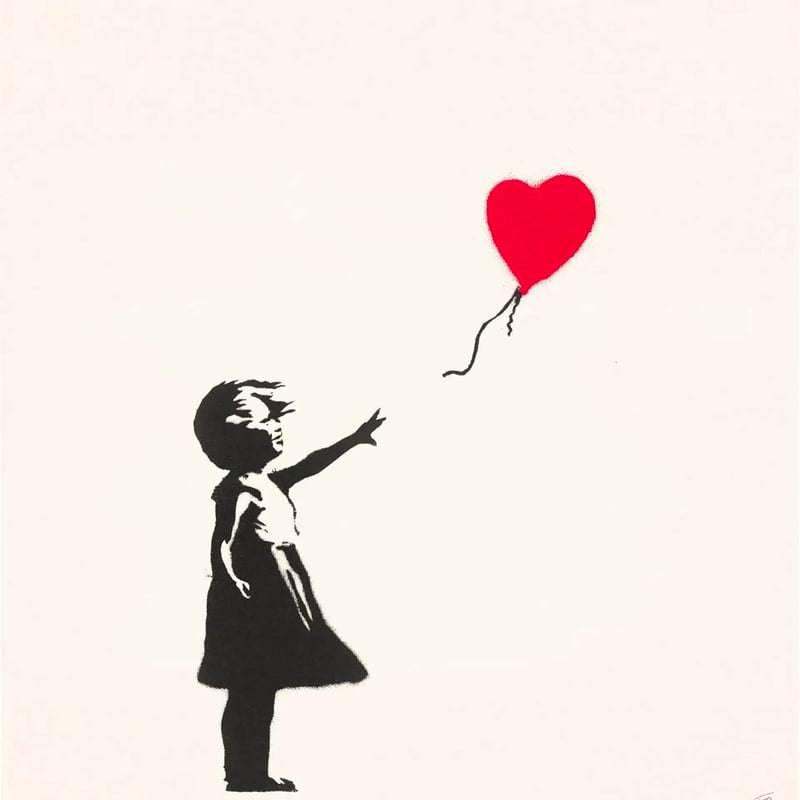
Immerse yourself in the pulsating energy of the United Kingdom's contemporary art landscape. Steeped in history yet invigorated by cutting-edge experimentation, it is home to notable institutions such as London's Tate Modern and the Serpentine Galleries. The UK is also the birthplace of distinguished artists like Damien Hirst, whose installations challenge conventions, and Tracey Emin, acclaimed for her deeply personal multimedia work. The annual Frieze London brings together the brightest talents from around the globe, further cementing the UK's status as a contemporary art powerhouse. Delve into the rich tapestry of UK contemporary art at Composition Gallery's website.
Notable Artists from the united kingdom
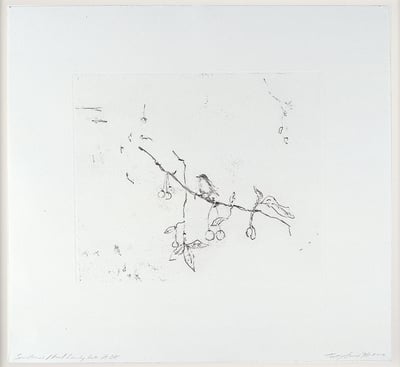
A tradition built on rupture
British art history reads less like a smooth lineage than a series of productive shocks. In the eighteenth century William Hogarth gave the country its first truly native school, satirical and narrative-driven, while the Royal Academy — founded in 1768 — set the terms of official taste for generations. Then J.M.W. Turner and John Constable pulled landscape painting toward pure sensation, dissolving detail into light and weather in ways that anticipated Impressionism by decades.
"Painting is but another word for feeling."
John Constable, letter to John Fisher, 1821
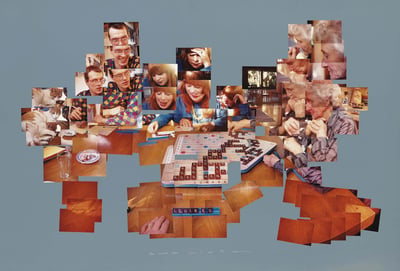
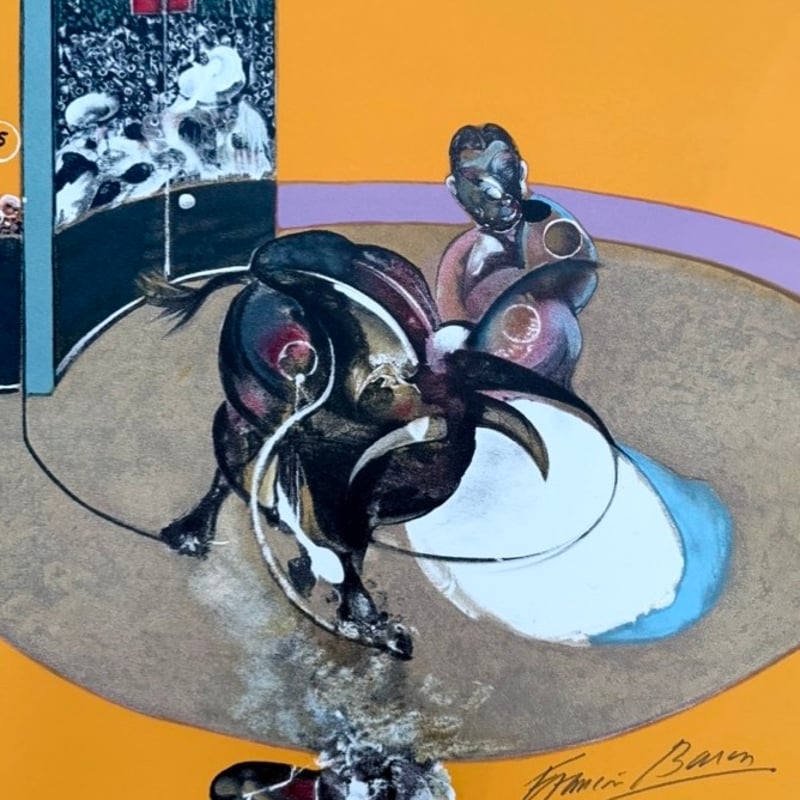
That instinct — that a picture should register lived experience rather than polish — resurfaces throughout the British story. It is there in the bruised figuration of Francis Bacon and Lucian Freud after the Second World War, in David Hockney's swimming pools and Yorkshire landscapes, and in the raw autobiography of Tracey Emin's beds and neons.
The YBA moment and after
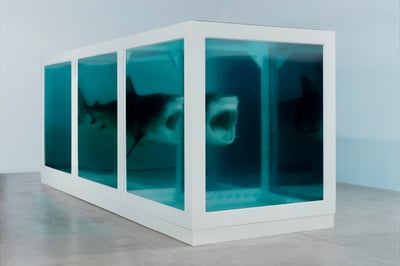
The late 1980s changed the market as much as the art. The Young British Artists — Damien Hirst, Sarah Lucas, Emin, Marc Quinn and others — emerged from Goldsmiths and warehouse shows like Freeze in 1988, championed by collector Charles Saatchi and catapulted to notoriety by the 1997 Sensation exhibition at the Royal Academy. Shark tanks, unmade beds and blood heads made headlines, but the deeper legacy was institutional: Tate Modern opened in 2000, Frieze London launched in 2003, and the Turner Prize became a fixture of national conversation.
For collectors, this history matters practically. British art's canonical names — Turner, Bacon, Freud, Hockney, Hirst — anchor the top of the international auction market, while the ecosystem beneath them remains unusually deep: degree shows at the Royal College of Art and Goldsmiths, artist-run spaces from Glasgow to Margate, and a print tradition stretching from Hogarth's engravings to today's edition publishers. Understanding where a British artist sits in this lineage — academic, painterly, conceptual, or deliberately none of the above — is often the first step in judging whether a work is a passing provocation or part of a longer conversation.
Why the UK market is a good place to start
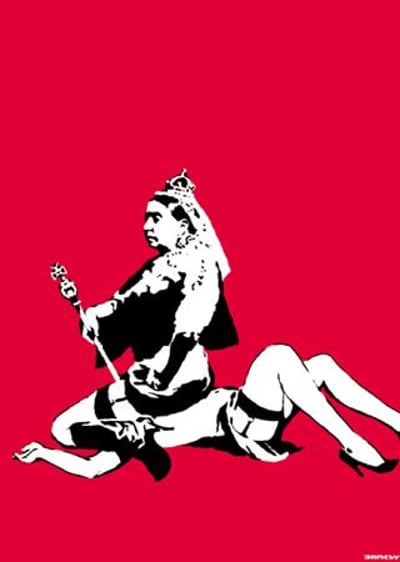
London remains one of the world's two or three most liquid art markets, and that liquidity works in a collector's favour. Prices for British artists are tested constantly — at auction, at Frieze and at hundreds of gallery shows — so comparable results are easier to find than in thinner markets. The edition tradition is a particular strength: Hockney, Hirst, Bridget Riley, Julian Opie and Banksy have all built substantial print markets, offering signed, numbered works at a fraction of the cost of unique pieces while still tracking the artist's broader reputation.
What to check before you buy
With editions, the details carry the value. Confirm the edition size, whether the work is hand-signed or plate-signed, and whether it comes from the numbered run or from artist's proofs, printer's proofs or unnumbered promotional versions, which the market treats differently. For Banksy in particular, authentication runs through Pest Control, the artist's own body; works without its certificate are effectively unsaleable at serious levels. For other artists, look for gallery invoices, catalogue raisonné references where they exist, and a provenance chain you can actually follow.
Be aware that the UK applies the Artist's Resale Right: living artists (and estates, for seventy years after death) receive a sliding-scale royalty on qualifying secondary-market sales, capped at €12,500 per transaction. It is paid by the seller's side but priced into the market, so factor it into any future resale calculation.
Condition, care and the long view
Much celebrated British work is materially unconventional — neon, formaldehyde, household gloss, spot paintings executed by assistants under studio certification. None of this is a red flag in itself; it is how these artists work. But it means the certificate and documentation can matter as much as the object, and conservation questions should be asked before purchase, not after. Works on paper, the backbone of most British edition collecting, want the basics done well: UV-filtering glazing, acid-free mounts, and no direct sunlight. Buy the best impression you can afford in the best condition you can find — in a market this deep, quality is always the thing that resells.
Artworks Related to United Kingdom

Julian Opie
Komang, beach vendor, 2002
Limited Edition Print
Mixed Media
EUR 21,200

Damien Hirst
Butterfly from The Souls, 2011
Limited Edition Print
Mixed Media
Inquire For Price

David Hockney
The Older Rapunzel, 1969
Limited Edition Print
Etching and Aquatint
Inquire For Price

Tracey Emin
But Yea, 2005
Limited Edition Print
Etching
GBP 4,700

Tracey Emin
Alive in The Cave, 2026
Limited Edition Print
Lithograph
GBP 16,000 - 20,000

Tracey Emin
RNLI 12-001 (Boat), 2013
Limited Edition Print
Lithograph
GBP 4,700

Tracey Emin
You Can't Fuck A Shoe, 2010
Limited Edition Print
Photogravure
GBP 4,200

Tracey Emin
Inside Your Heart, 2014
Limited Edition Print
Lithograph
GBP 10,500 - 13,000

Tracey Emin
Further Back to You, 2014
Limited Edition Print
Etching
GBP 6,500 - 8,000

Grayson Perry
The Changeling, 2026
Limited Edition Print
Silkscreen
GBP 2,340

David Shrigley
Extract The Juice, 2023
Limited Edition Print
Screen-print
GBP 5,000 - 6,500

David Hockney
Untitled (Tennis Centre), 1976
Photography
C-Print
GBP 9,000 - 11,000

Bridget Riley
Magenta and Green, 2002
Limited Edition Print
Screen-print
GBP 18,500 - 23,000
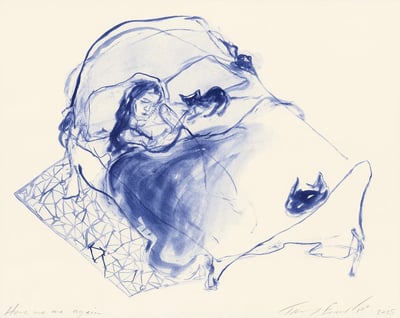
Tracey Emin
Here We Are Again, 2025
Limited Edition Print
Lithograph
GBP 9,000 - 12,000

Peter Doig
Lions (Ghost), 2026
Limited Edition Print
Giclée printing
GBP 6,000 - 7,500

Marc Quinn
Labyrinth TS (172) Monochrome, 2012
Limited Edition Print
Pigment print
GBP 4,000 - 4,500
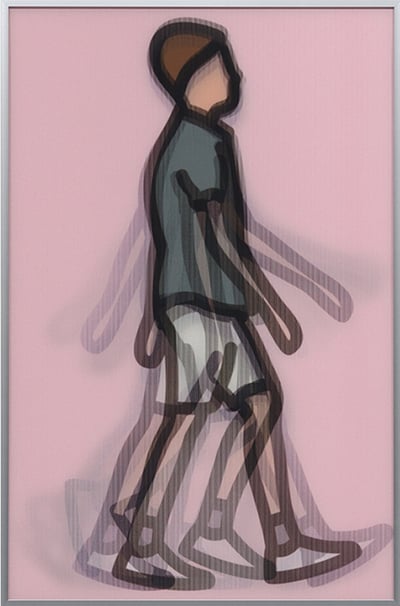
Julian Opie
Alexander, 2026
Limited Edition Print
Installation
GBP 16,000 - 19,500
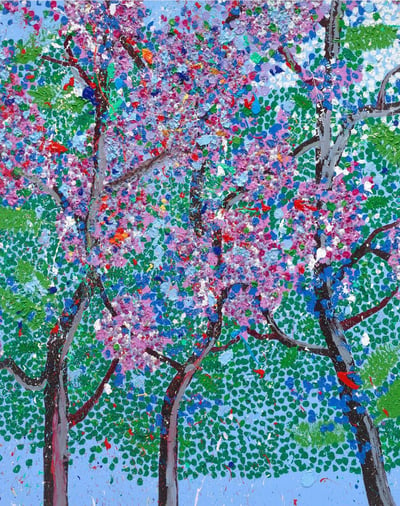
Damien Hirst
Gratitude (H20-7), 2026
Limited Edition Print
Giclée printing
GBP 6,500 - 8,000
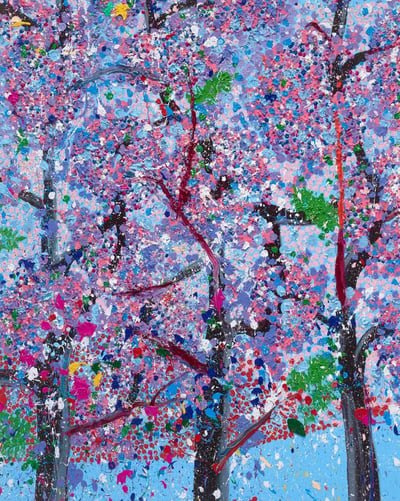
Damien Hirst
Inspiration (H20-8), 2026
Limited Edition Print
Giclée printing
GBP 6,500 - 8,000
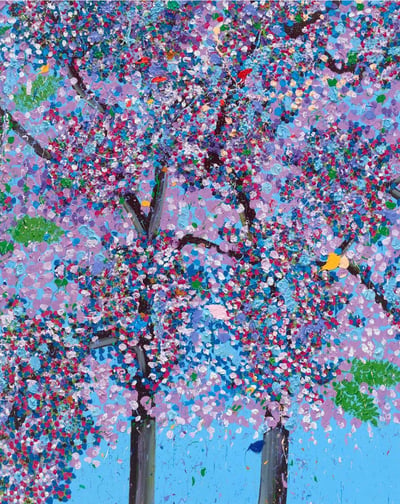
Damien Hirst
Trust (H20-5), 2026
Limited Edition Print
Giclée printing
GBP 6,500 - 8,000
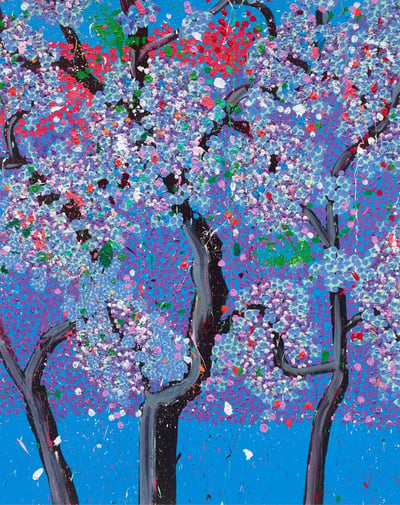
Damien Hirst
Anticipation (H20-6), 2026
Limited Edition Print
Giclée printing
GBP 6,500 - 8,000
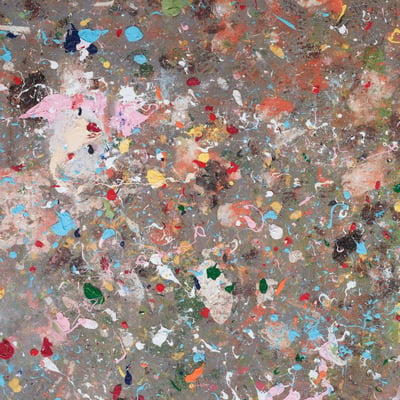
Damien Hirst
Mill Bay Salcombe (H13-7), 2023
Limited Edition Print
Giclée printing
GBP 5,500 - 7,000
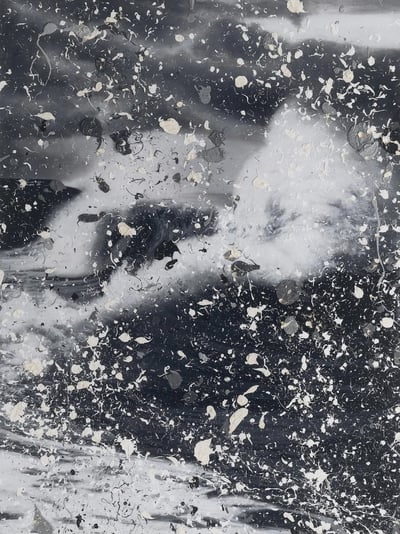
Damien Hirst
Doldrums (H13-12), 2023
Limited Edition Print
Giclée printing
GBP 5,500 - 7,000
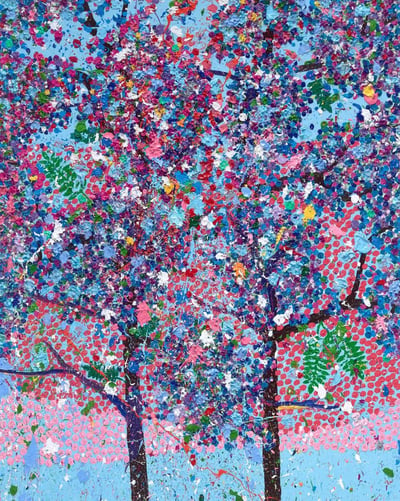
Damien Hirst
Joy (H20-2), 2026
Limited Edition Print
Giclée printing
GBP 6,500 - 8,000
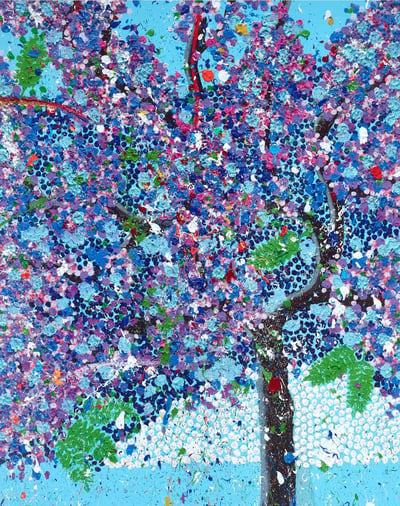
Damien Hirst
Surprise (H20-3), 2026
Limited Edition Print
Giclée printing
GBP 6,500 - 8,000
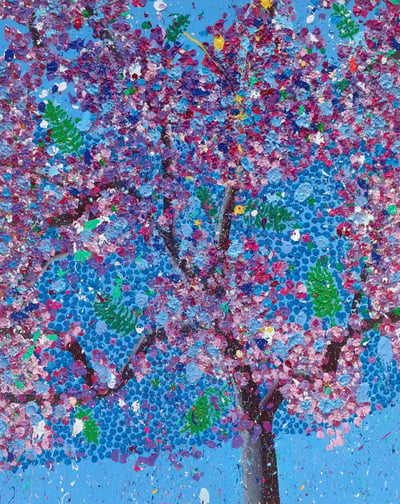
Damien Hirst
Serenity (H20-4), 2026
Limited Edition Print
Giclée printing
GBP 6,500 - 8,000

Bridget Riley
Carnival, 2000
Limited Edition Print
Screen-print
GBP 16,000 - 19,500

Bridget Riley
June, 1992
Limited Edition Print
Screen-print
GBP 38,000 - 47,500
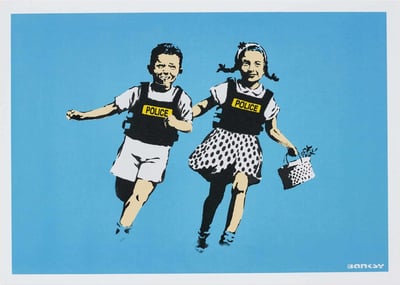
Banksy
Jack & Jill (Unsigned), 2005
Limited Edition Print
Screen-print
GBP 17,500 - 22,000
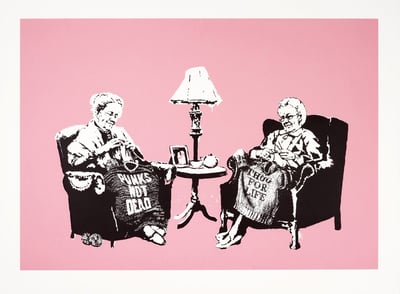
Banksy
Grannies (Unsigned), 2006
Limited Edition Print
Screen-print
GBP 13,000 - 16,500
Related Articles
Can't find your Answer?
Thank you! Your question has been sent — we'll get back to you shortly.
