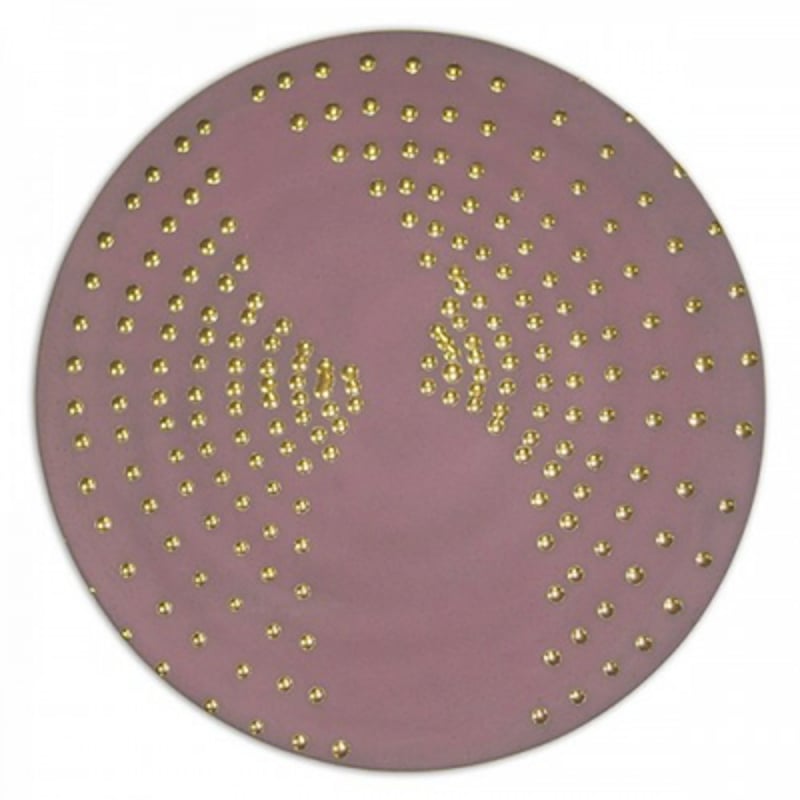
What is the Zero Movement?
ZERO was an art movement founded by Otto Piene and Heinz Mack, aiming to develop into a large international and cross-border movement. The name ZERO originated from a magazine founded by Heinz Mack in 1957, which became a platform for the group's ideas. The magazine was published for several years before ceasing in 1967. The ZERO movement sought to create a new beginning in art, emphasizing light, space, and movement, and became influential in post-war European art.
- Show All
- Established
- Discoveries
- Show All
Artworks Related to Zero Movement
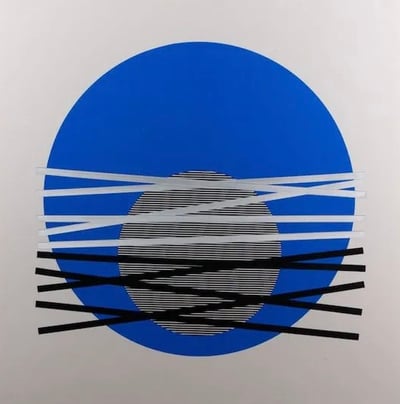
Rafael Jesus Soto
Composición, 1971
Limited Edition Print
Silkscreen
EUR 3,125
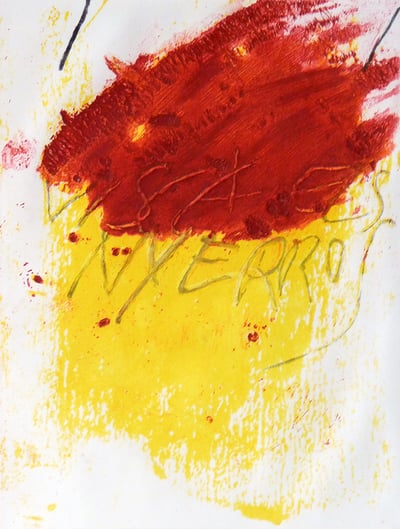
Antoni Tapies
Clau 18, 1973
Limited Edition Print
Etching
EUR 3,700
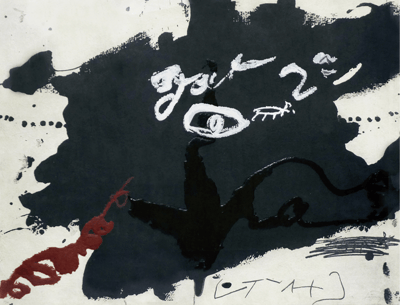
Antoni Tapies
Roig i negre I, 1985
Limited Edition Print
Etching
EUR 11,900
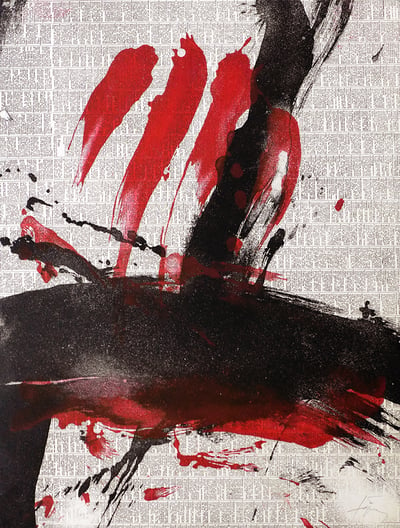
Antoni Tapies
Damunt diari, 1975
Limited Edition Print
Etching
EUR 4,250
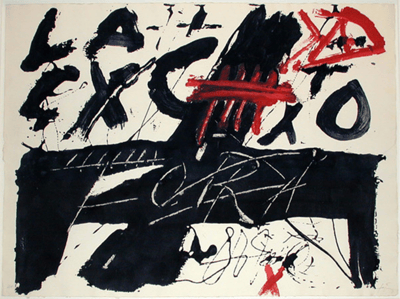
Antoni Tapies
Fora, 1976
Limited Edition Print
Mixed Media
EUR 5,450
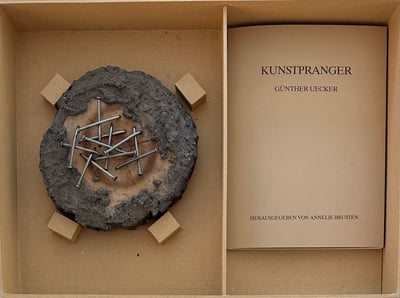
Gunther Uecker
Baum. Kunstpranger, 1984
Sculpture / Object
Mixed Media
EUR 10,800
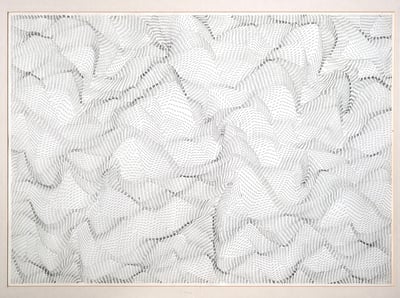
Dadamaino
Il movimento delle cose, 1994
Drawing / Watercolor
Pen and ink
EUR 8,350
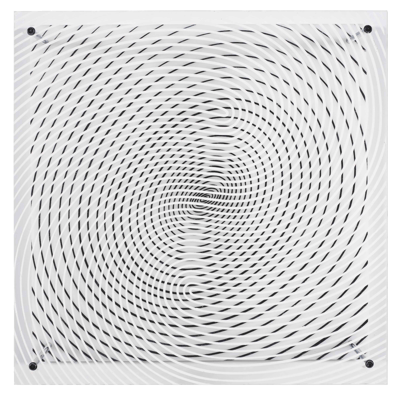
Rafael Jesus Soto
Espiral Doble, 1979
Sculpture / Object
Mixed Media
USD 8,950
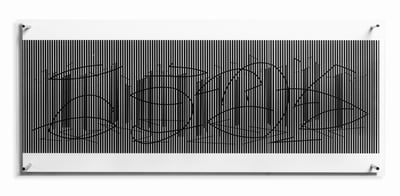
Rafael Jesus Soto
Escritura, 1979
Sculpture / Object
Mixed Media
Artwork On Hold
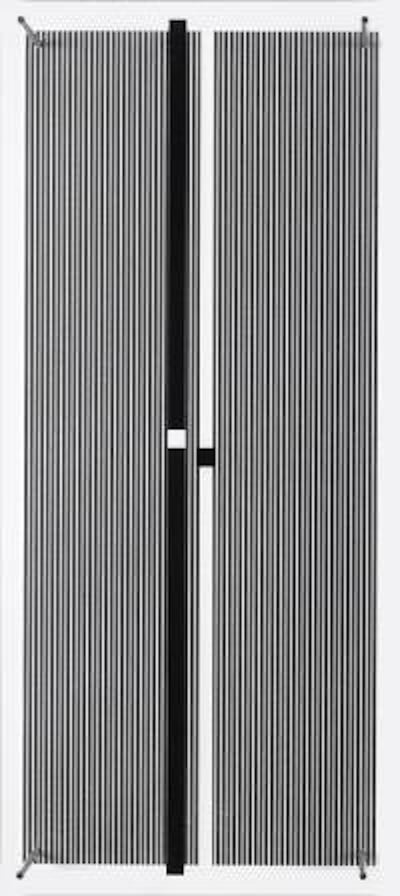
Rafael Jesus Soto
Permutacion, 1979
Sculpture / Object
Mixed Media
USD 8,950
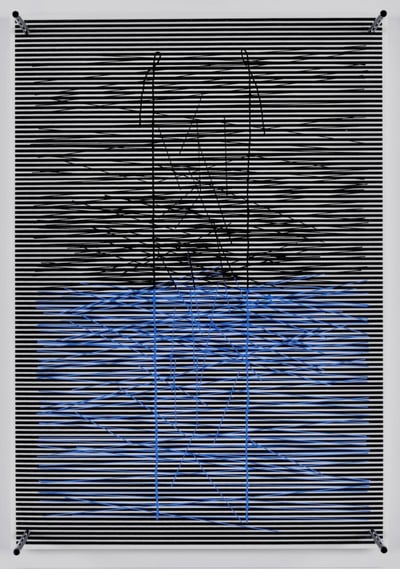
Rafael Jesus Soto
La Escalera Azul , 1979
Sculpture / Object
Mixed Media
USD 8,950
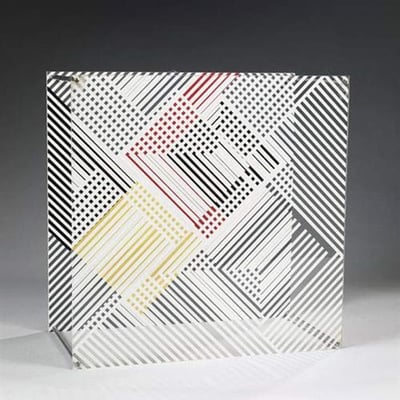
Rafael Jesus Soto
Sotomagie II, 1967
Sculpture / Object
Mixed Media
USD 8,950
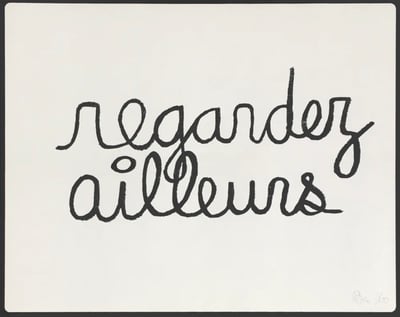
Ben Vautier
Regardez ailleurs, c. 1980
Limited Edition Print
Lithograph
EUR 1,750
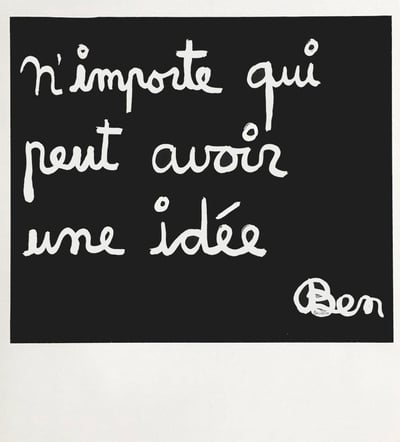
Ben Vautier
N’importe qui peut avoir une idée, c. 1980
Limited Edition Print
Lithograph
Currently Not Available

Alberto Biasi
Red Rain, 2022
Sculpture / Object
Mixed Media
EUR 3,000
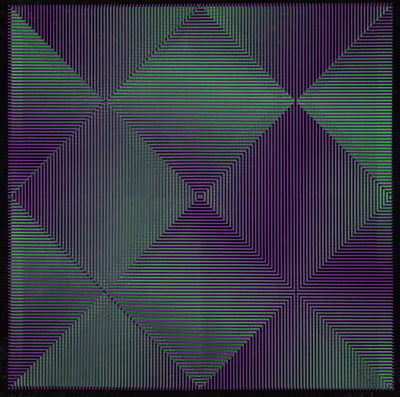
Alberto Biasi
Rilievo ottico cinetico, 1972
Limited Edition Print
Screen-print
EUR 1,900
Related Articles
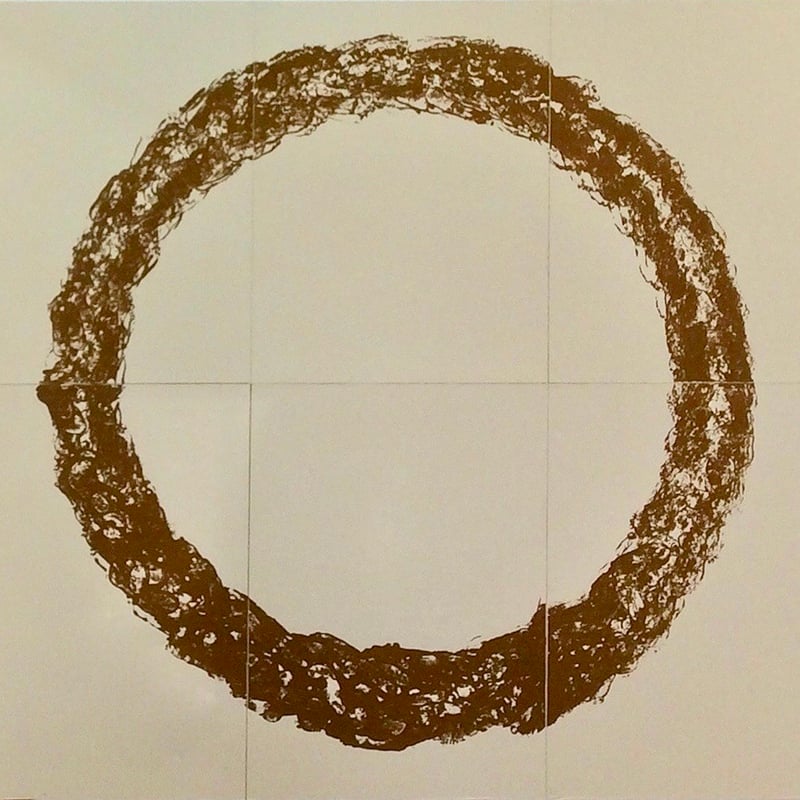
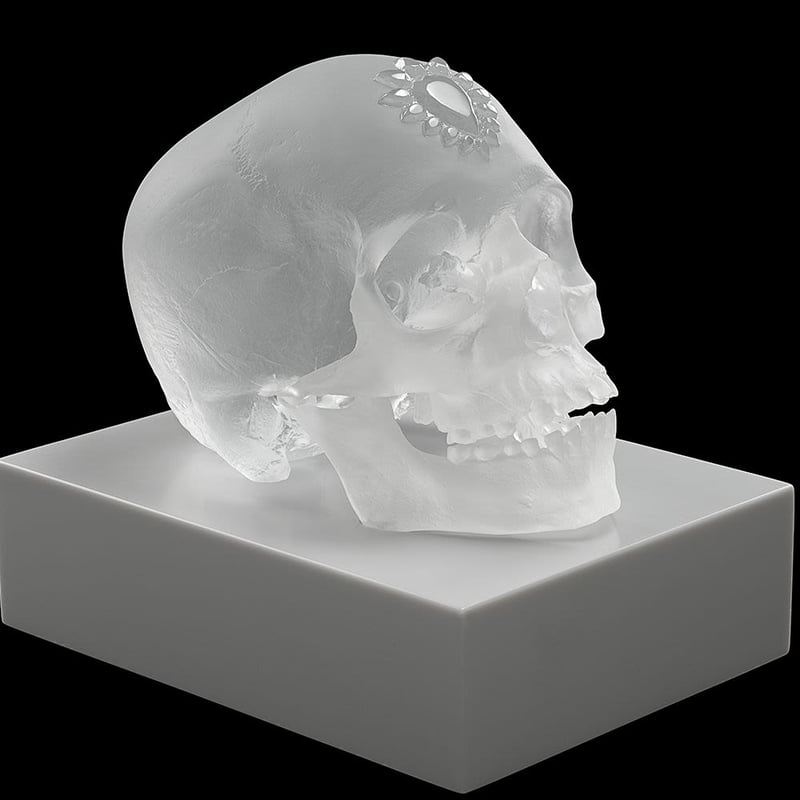
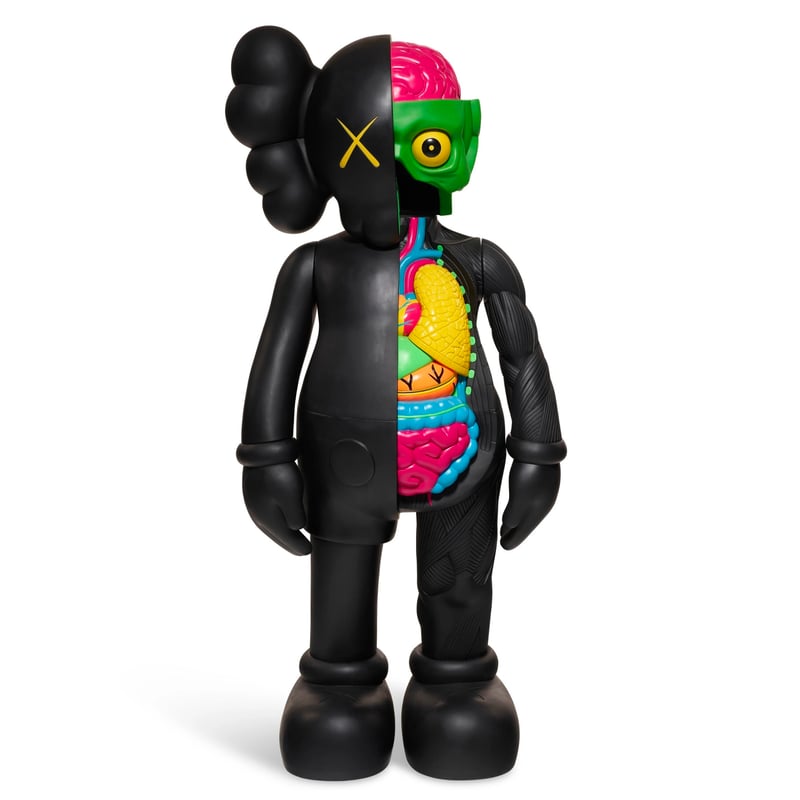

Épreuve d'Artist refers to the artist's proofs in a limited edition of prints. These are a small number of prints reserved by the artist for personal use and are typically marked with the abbreviation E.A. (épreuve d'artist) or AP (artist's proof). Artist’s proofs are usually identical to the regular edition but are often considered more valuable due to their limited quantity.
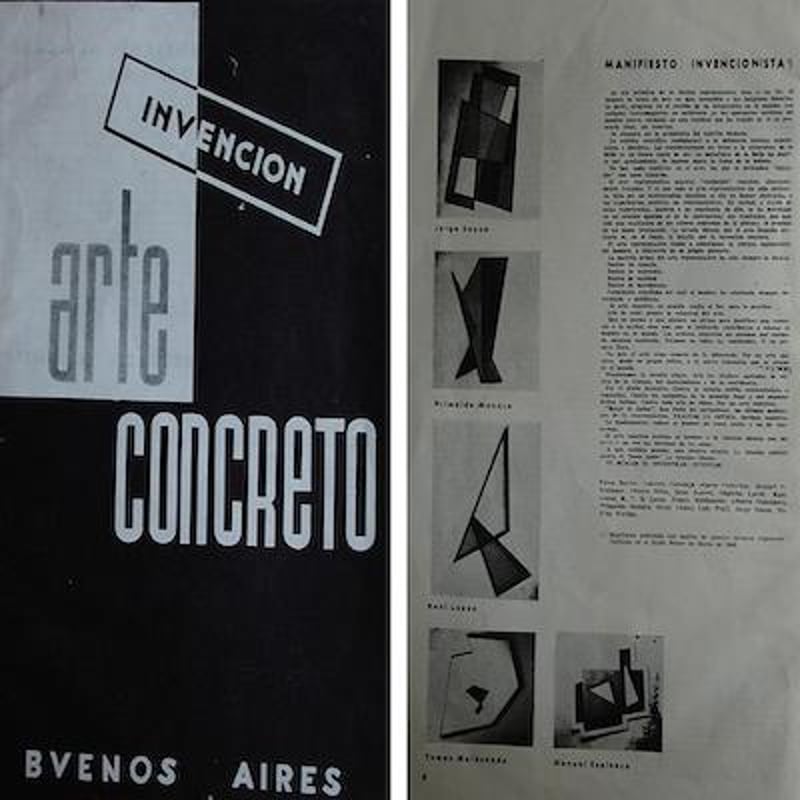
The Manifesto Invencionista was published in 1946, marking the beginning of the concrete art movement in Buenos Aires, Argentina. Written by artist Tomás Maldonado and published by the Asociación Arte Concreto-Invención, the manifesto announced the principles of Concrete Art. Concrete art is purely abstract, with no reference to visual reality, emphasizing geometric forms and the materiality of the artwork itself.
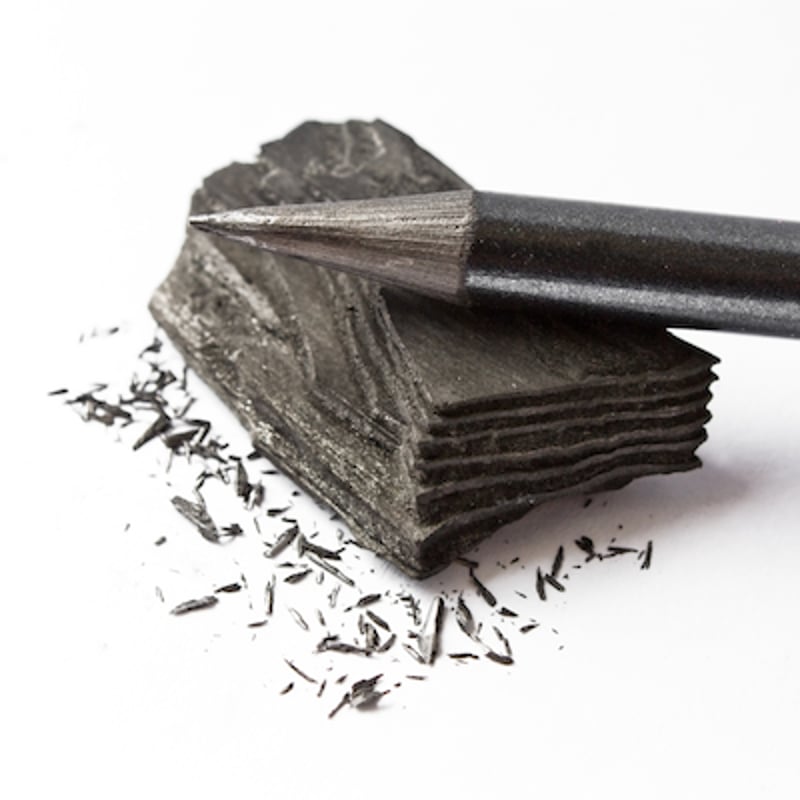
Graphite is a form of carbon commonly used as the core material in pencils. It can be compressed to various levels of hardness, allowing for different shading effects in drawing. In powdered form, graphite can be applied with a brush for broader, softer applications. Graphite erases easily and was first discovered in the 1500s in England's Lake District.
Can't find your Answer?
Thank you! Your question has been sent — we'll get back to you shortly.
