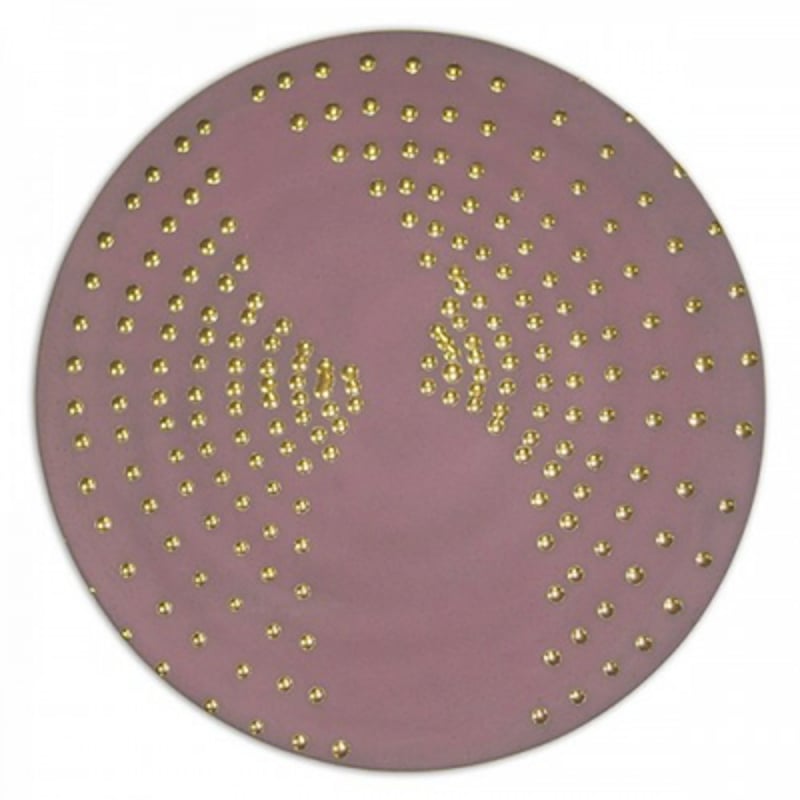
What is the Zero Movement?
ZERO was an art movement founded by Otto Piene and Heinz Mack, aiming to develop into a large international and cross-border movement. The name ZERO originated from a magazine founded by Heinz Mack in 1957, which became a platform for the group's ideas. The magazine was published for several years before ceasing in 1967. The ZERO movement sought to create a new beginning in art, emphasizing light, space, and movement, and became influential in post-war European art.
- Show All
- Established
- Discoveries
- Show All
Artworks Related to Zero Movement
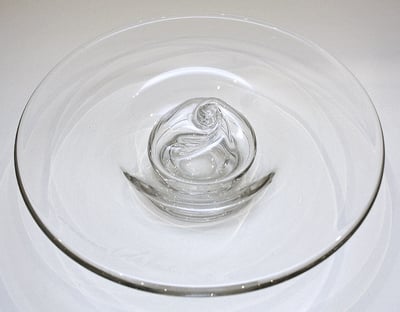
Gunther Uecker
Jahresteller, 1975
Sculpture / Object
Glass
EUR 1,620
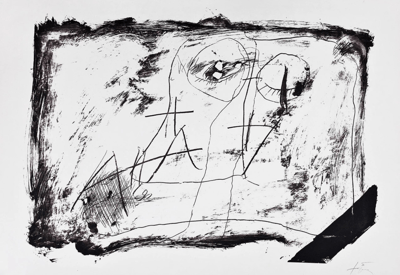
Antoni Tapies
Llambrec-11, 1975
Limited Edition Print
Lithograph
EUR 1,800
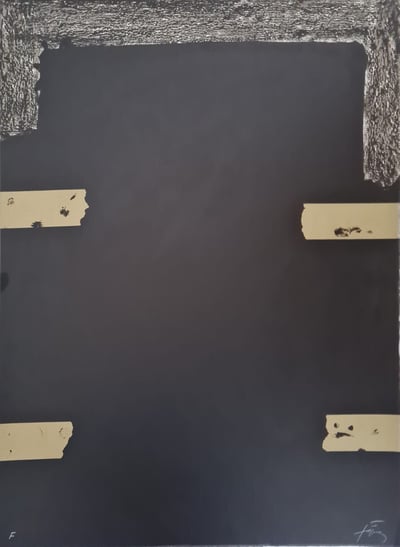
Antoni Tapies
Poems 5, 1974
Limited Edition Print
Lithograph
EUR 1,900

Antoni Tapies
Primer Congreso Nacional de Neuropedriatria, 1982
Limited Edition Print
Etching
EUR 1,875
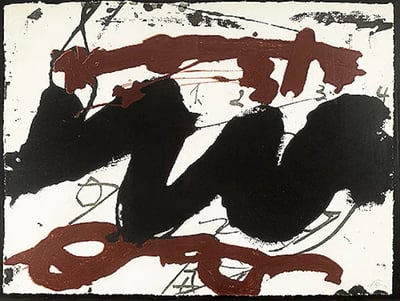
Antoni Tapies
Roig I negre 2, 1985
Limited Edition Print
Mixed Media
EUR 12,950
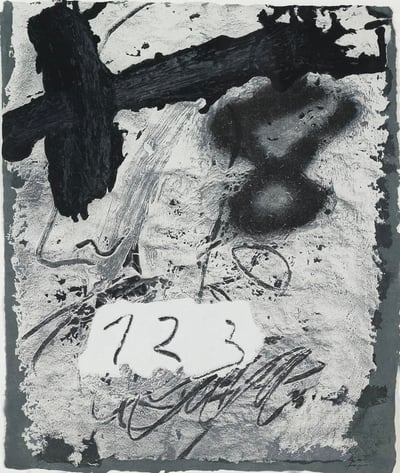
Antoni Tapies
Informal, 1987
Limited Edition Print
Etching and Aquatint
EUR 5,625
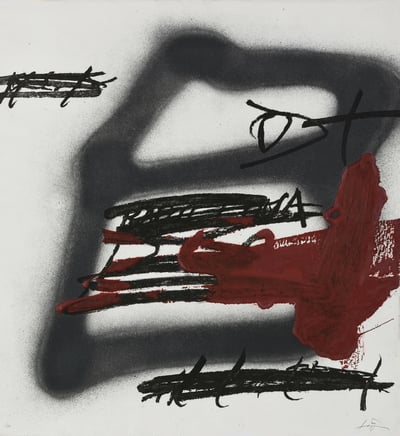
Antoni Tapies
Forma Ombrejada, 1987
Limited Edition Print
Etching and Aquatint
EUR 5,625
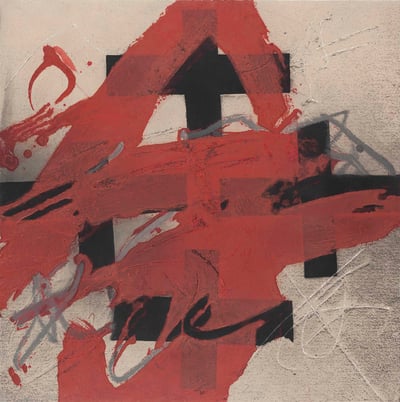
Antoni Tapies
Cobert de Roig, 1984
Limited Edition Print
Etching
EUR 7,450

Fernandez Arman
Candy, 1970
Sculpture / Object
Assemblage
EUR 14,850
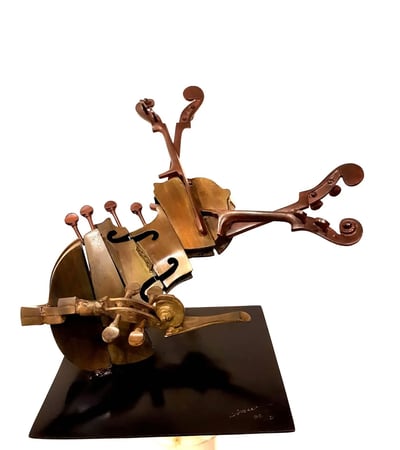
Fernandez Arman
Violin, 1999
Sculpture / Object
Bronze
EUR 25,000 - 35,000
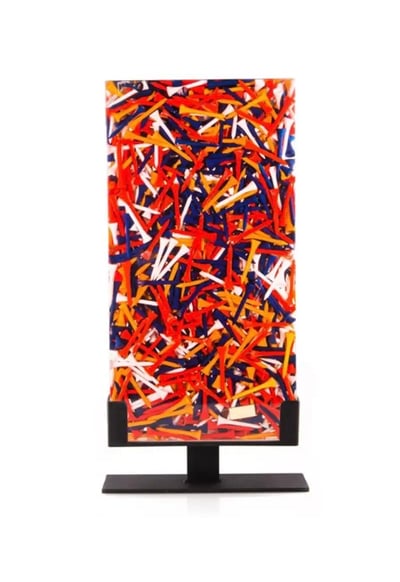
Fernandez Arman
Accumulation, Tee, 1994
Sculpture / Object
Assemblage
Currently Not Available
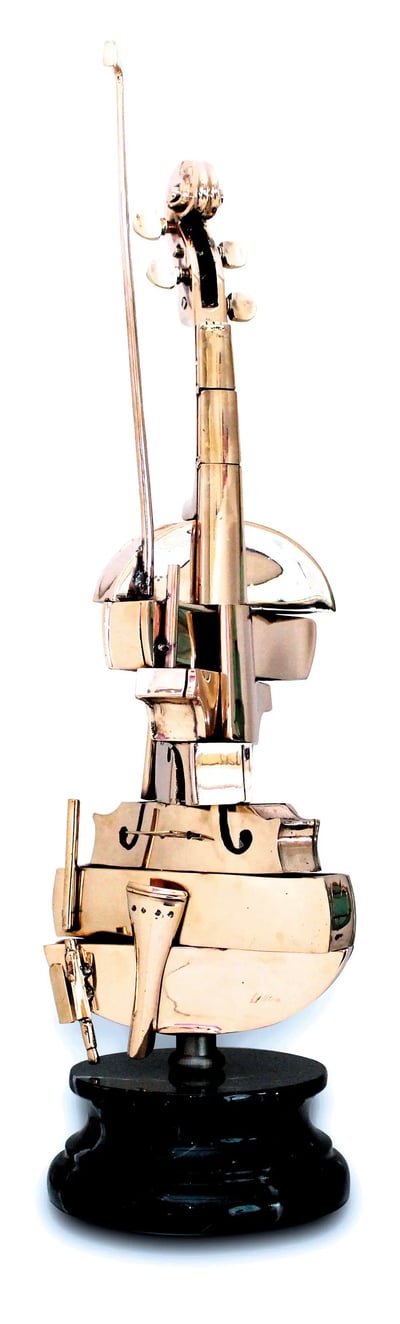
Fernandez Arman
Violon Spiralé, 2001-2002
Sculpture / Object
Bronze
EUR 17,000 - 20,000
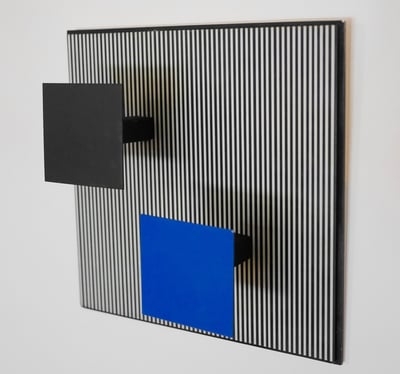
Rafael Jesus Soto
Dos Cuadraditos, 1972
Sculpture / Object
Object
Currently Not Available
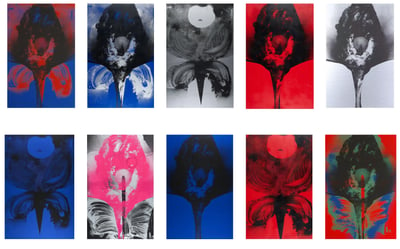
Otto Piene
Addis Abeba, 1972
Limited Edition Print
Silkscreen
EUR 19,500
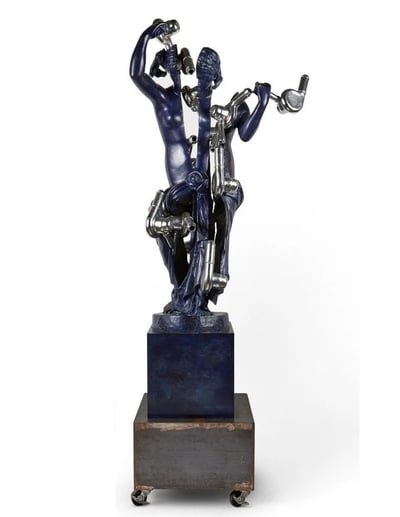
Fernandez Arman
Venus Hairspray, 1996
Sculpture / Object
Bronze
USD 28,000
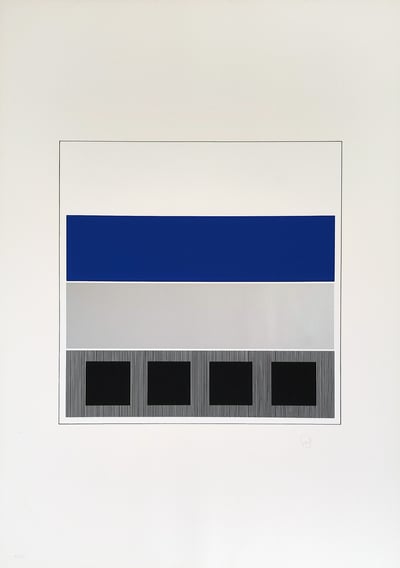
Rafael Jesus Soto
Caroni, 1971
Limited Edition Print
Silkscreen
EUR 1,270
Related Articles

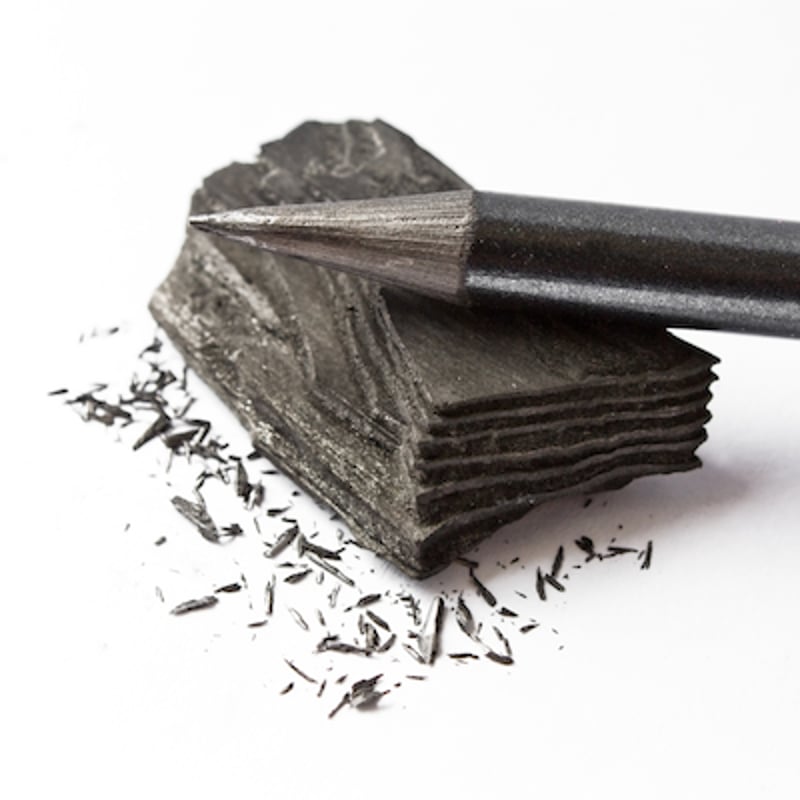
Graphite is a form of carbon commonly used as the core material in pencils. It can be compressed to various levels of hardness, allowing for different shading effects in drawing. In powdered form, graphite can be applied with a brush for broader, softer applications. Graphite erases easily and was first discovered in the 1500s in England's Lake District.

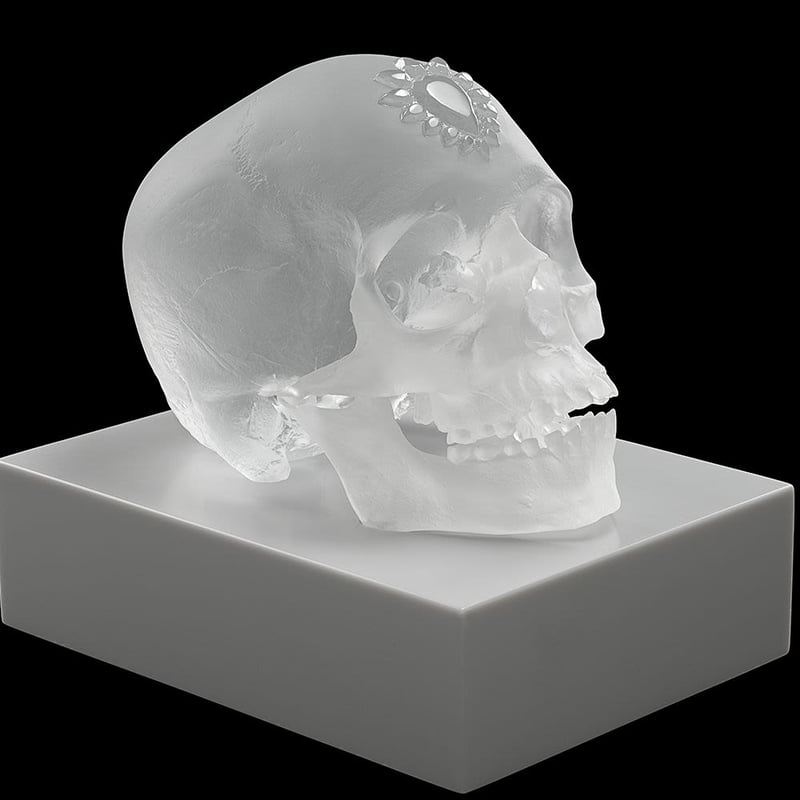
Acrylic sculpture refers to both a process and the resulting object. The artist begins by creating a sculpture from clay, plaster, or epoxy, which is then used to make a flexible mold. Melted acrylic is poured into the mold, and once it cures, the acrylic piece is hand-finished through sanding and polishing. Acrylic sculptures are valued for their clarity, durability, and ability to achieve intricate details.
Situationism is a psychological theory that gained prominence in 1968, following the publication of a monograph by Walter Mischel that sparked the Person-situation debate. This theory argues that behavior is primarily influenced by external situational factors rather than internal traits or motivations, challenging the ideas of trait theorists like Raymond B. Cattell and Hans Eysenck, who emphasized stable personality traits. It is important not to confuse this with the Situationist International movement, an artistic and political movement founded by Asger Jorn, which focused on the critique of modern consumer society and the influence of environments on human behavior.
Can't find your Answer?
Thank you! Your question has been sent — we'll get back to you shortly.
