
What is site specific art?
- Show All
- Established
- Discoveries
- Show All
Artworks Related to Site Specific Art
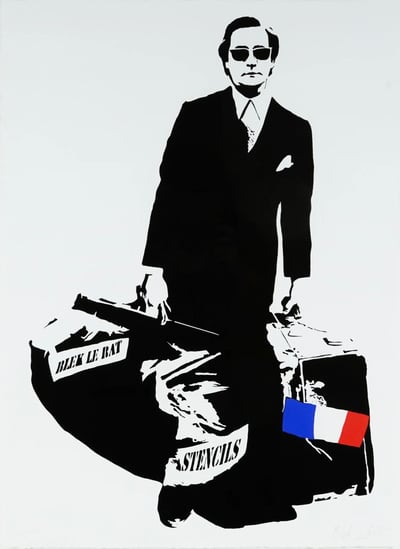
Blek Le Rat
Man Who Walks Through Walls, 2007
Limited Edition Print
Silkscreen
EUR 2,250
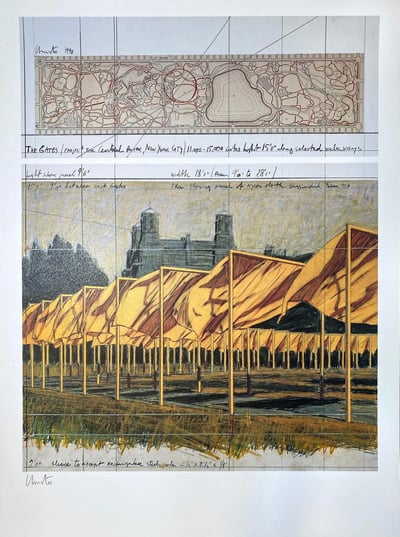
Javacheff Christo
The Gates Project for Central Park (III), 1990
Limited Edition Print
Offset Print
Currently Not Available

Roy Lichtenstein
Haystack #1, 1969
Limited Edition Print
Lithograph
USD 19,300
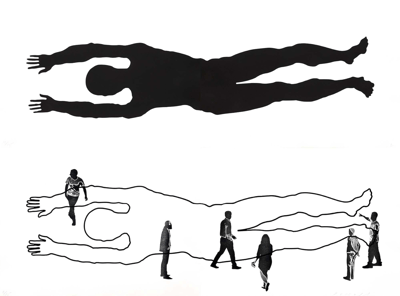
Jaume Plensa
Mod. 1/Mod. 2, 2023
Limited Edition Print
Relief printing
EUR 12,000
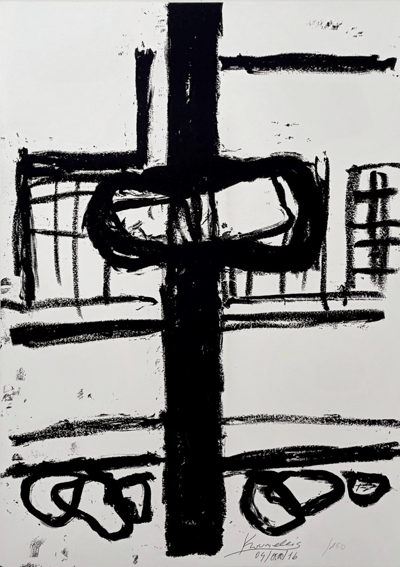
Jannis Kounellis
Opera in ricordo di Mauro Rostagno, 2000
Limited Edition Print
Screen-print
EUR 850
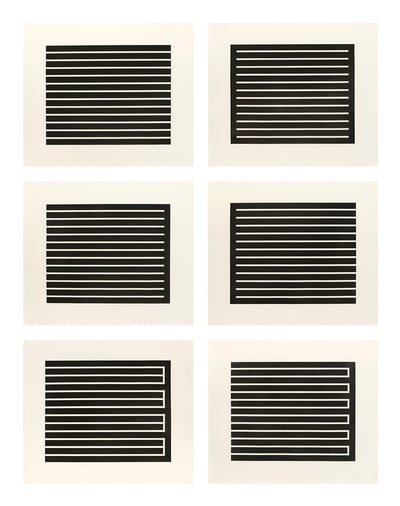
Donald Judd
Untitled (set of 6), 1980
Limited Edition Print
Aquatint
Currently Not Available

Roy Lichtenstein
Shipboard Girl, 1965
Limited Edition Print
Offset Print
Currently Not Available
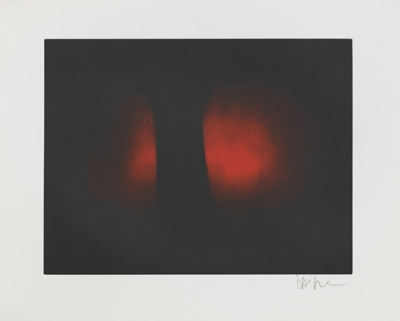
Anish Kapoor
Untitled (red on dark background), 2015
Limited Edition Print
Etching
GBP 5,300
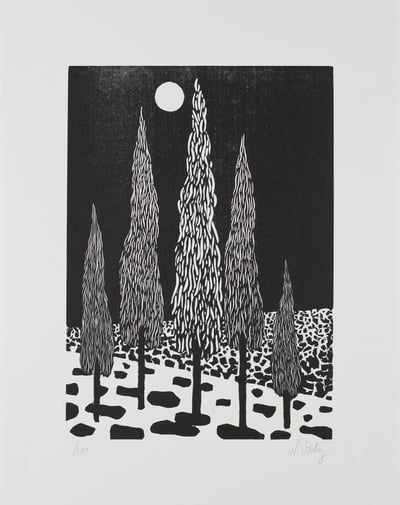
Nicolas Party
Trees, 2020
Limited Edition Print
Woodcut
GBP 6,000
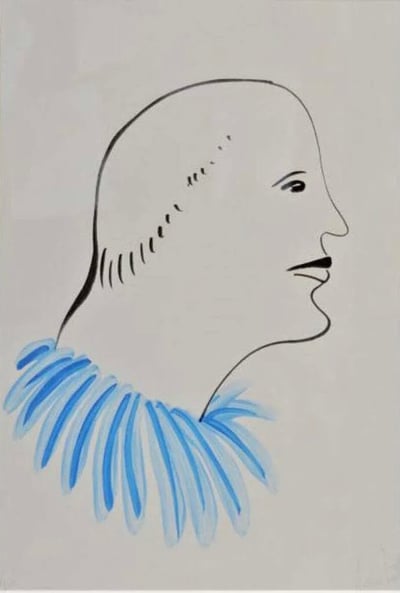
Nicolas Party
Untitled Blue, 2016
Limited Edition Print
Mixed Media
GBP 4,850
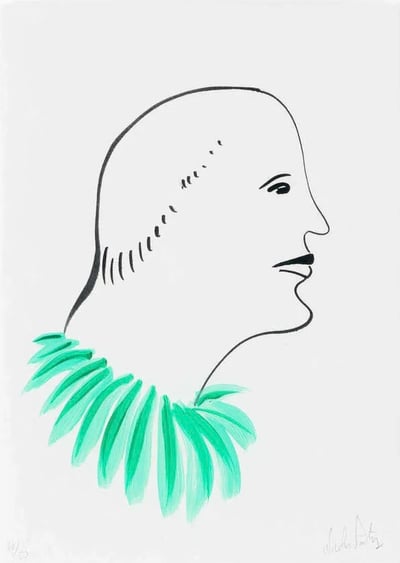
Nicolas Party
Untitled Green, 2016
Limited Edition Print
Mixed Media
GBP 4,850
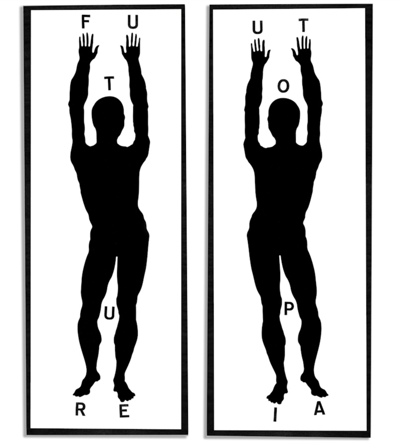
Jaume Plensa
Future/Utopia, 2023
Limited Edition Print
Relief printing
EUR 12,000
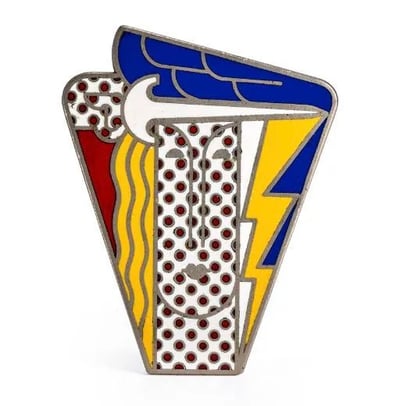
Roy Lichtenstein
Modern Head Enamel Pin, 1968
Sculpture / Object
Metal
USD 4,950
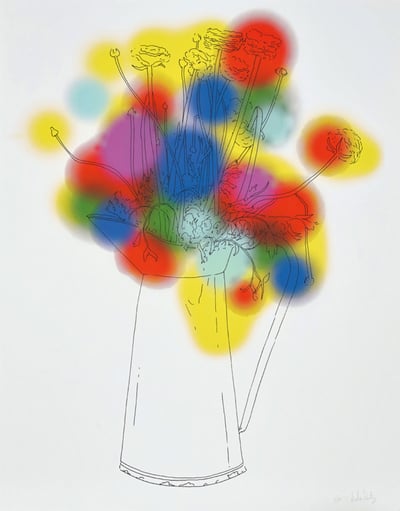
Nicolas Party
Flowers and few colors, 2013
Limited Edition Print
Screen-print
USD 9,000 - 12,000
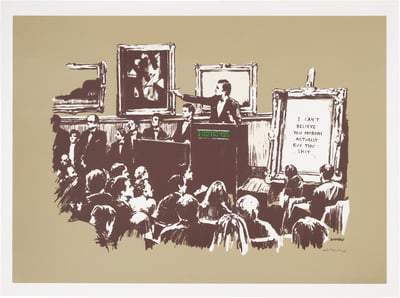
Banksy
Morons (Sepia), 2007
Limited Edition Print
Screen-print
USD 80,000 - 95,000
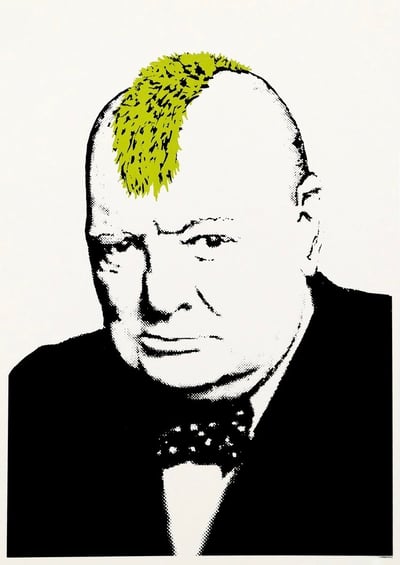
Banksy
Turf war , 2003
Limited Edition Print
Screen-print
GBP 34,800
Related Articles
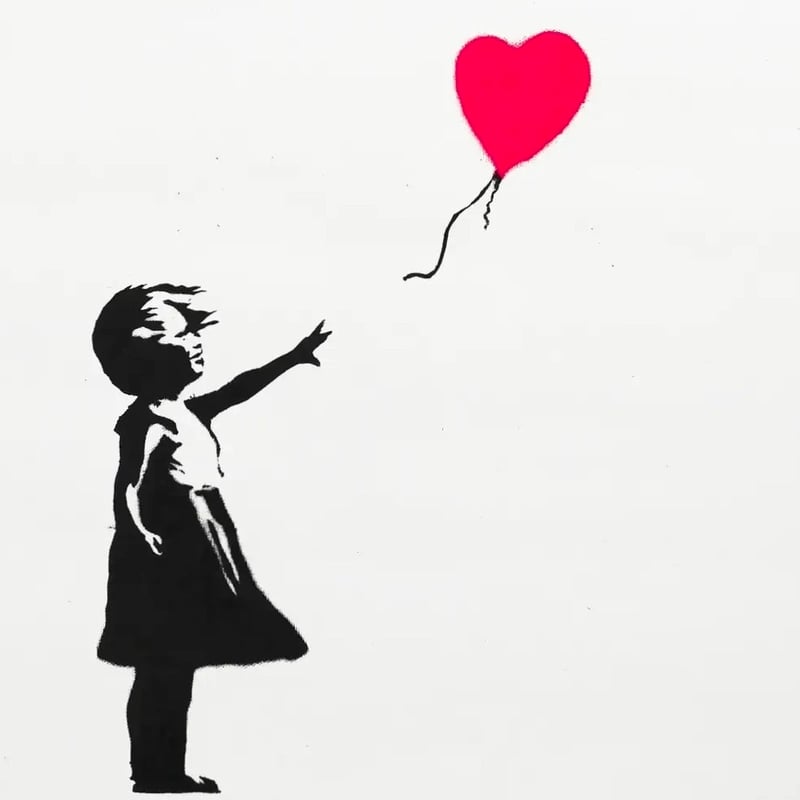
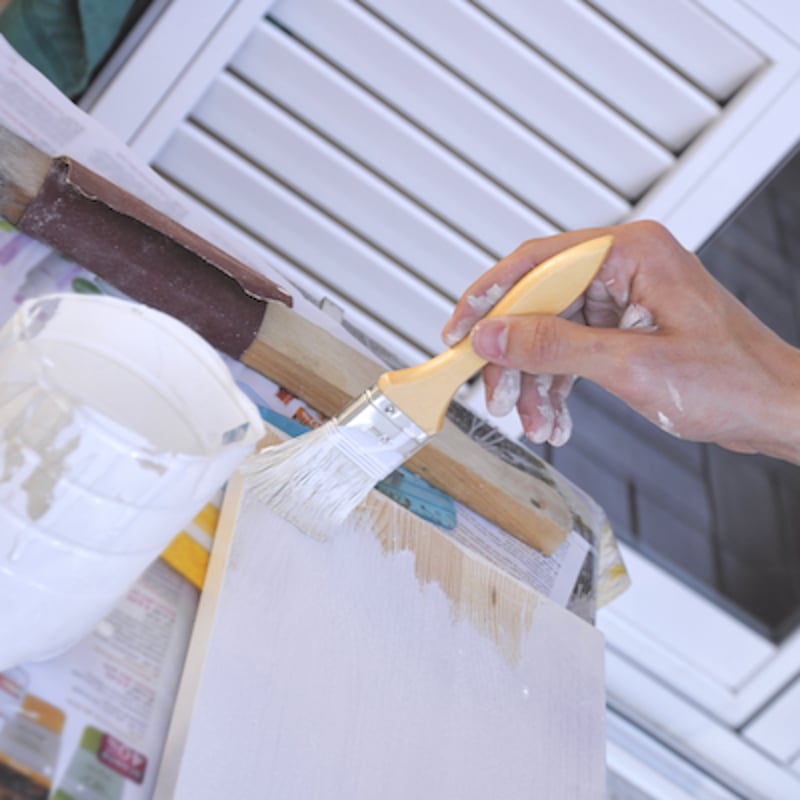
Bricolage is the creation or construction of a piece of art using materials that are readily available to the artist. The term is French and roughly translates to do-it-yourself. This approach became popular when materials were scarce, encouraging artists to improvise and repurpose everyday objects. Bricolage emphasizes creativity and resourcefulness, often resulting in artworks that reflect the unique character of the materials used.

Colored pencils consist of a core made from various colored pigments mixed with a binder, encased in wood. They can also be found as solid pigment sticks without the wooden casing. When drawing, the pigment is transferred to a surface, allowing for lines and shading in different thicknesses.
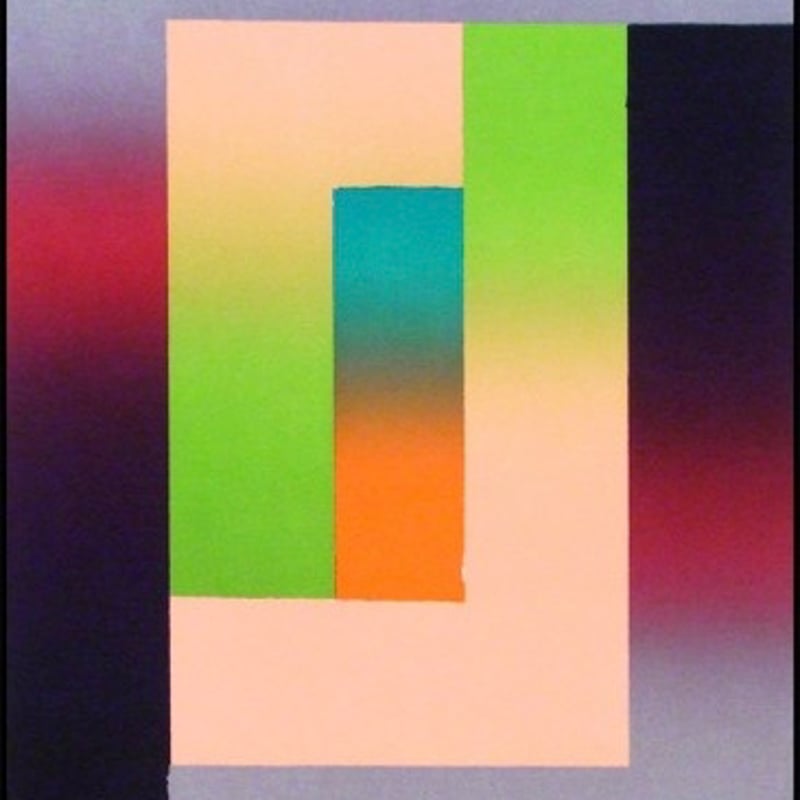
Entropy, in a broader sense, refers to the inevitable deterioration or decline of a society or system. In art, the concept was popularized by artist Robert Smithson in the 1960s. He used the term to critique what he saw as the static and overly simplified nature of contemporary minimalist art. Smithson's work often explored the idea of entropy as a force of chaos and decay, contrasting with the perceived order and purity of minimalist works.
Can't find your Answer?
Thank you! Your question has been sent — we'll get back to you shortly.
