
What is site specific art?
- Show All
- Established
- Discoveries
- Show All
Artworks Related to Site Specific Art
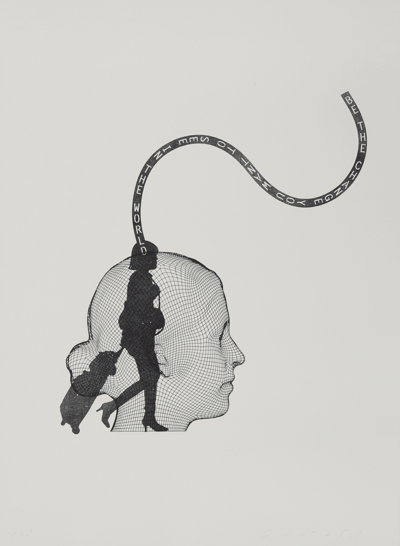
Jaume Plensa
Be the change you want to see in the world, 2022
Limited Edition Print
Relief printing
Inquire For Price

Jenny Holzer
War, 1992
Sculpture / Object
Mixed Media
USD 5,000 - 7,000

Jenny Holzer
Truism 4 (Mother & Child), 1990
Sculpture / Object
Mixed Media
USD 5,000 - 7,000

Jenny Holzer
Truism 2, 1977-79
Sculpture / Object
Mixed Media
USD 5,000 - 7,000

Jenny Holzer
Living 2, 1980-82
Sculpture / Object
Mixed Media
USD 5,000 - 7,000

Javacheff Christo
Running Fence Sunset RF-352, 1976
Limited Edition Print
Photograph
EUR 11,000
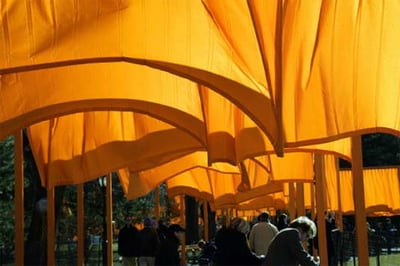
Javacheff Christo
The Gates II, 2005
Limited Edition Print
Photograph
EUR 8,900
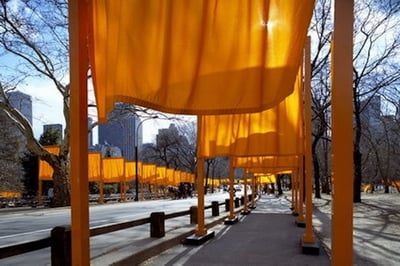
Javacheff Christo
The Gates I, 2005
Limited Edition Print
Photograph
EUR 8,900

Javacheff Christo
The Gates IV, 2005
Photography
Photograph
EUR 4,500
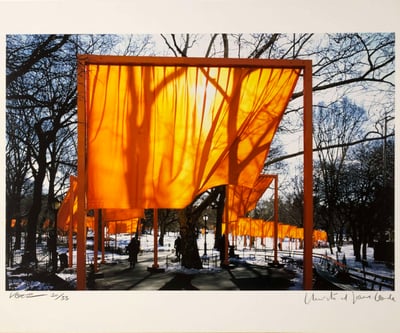
Javacheff Christo
The Gates III, 2005
Photography
Photograph
Currently Not Available
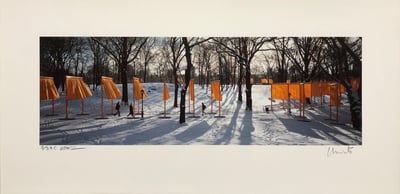
Javacheff Christo
The Gates längs und quer M2, 2005
Photography
Photograph
EUR 6,000
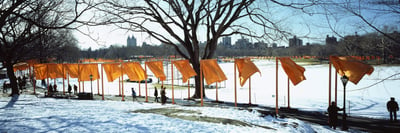
Javacheff Christo
The Gates Lange Reihe M1, 2005
Photography
Photograph
EUR 6,000
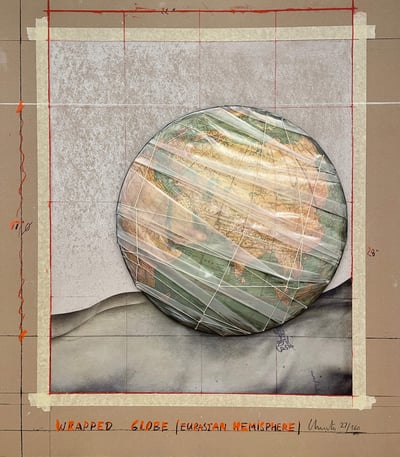
Javacheff Christo
Wrapped Globe, 2020
Limited Edition Print
Collage
EUR 21,900
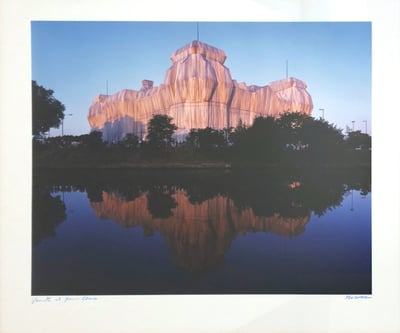
Javacheff Christo
Wrapped Reichstag/Berlin Nachmittag, 1995
Limited Edition Print
Photograph
EUR 10,000
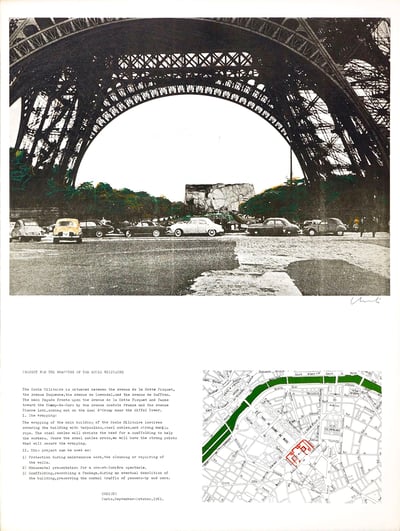
Javacheff Christo
Project Ecole Militaire, Paris, 1961
Limited Edition Print
Lithograph
EUR 3,800
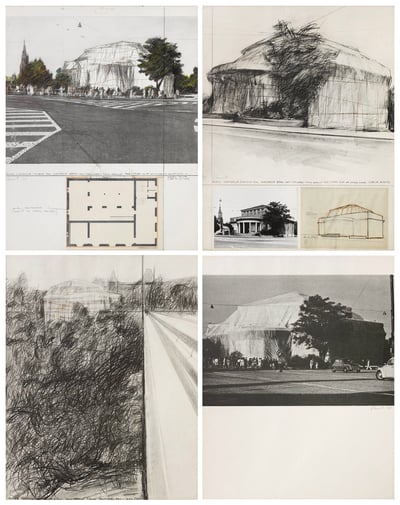
Javacheff Christo
Kunsthalle Bern, 1972
Limited Edition Print
Mixed Media
EUR 18,000
Related Articles




Contemporary art from India dates from 1985 to the present, marking the post-liberalization era. During this period, artists have felt free to create independently of traditional Hindu or social conventions. They often incorporate distinctly Indian materials and objects in their work, reflecting a blend of modern ideas and cultural heritage.
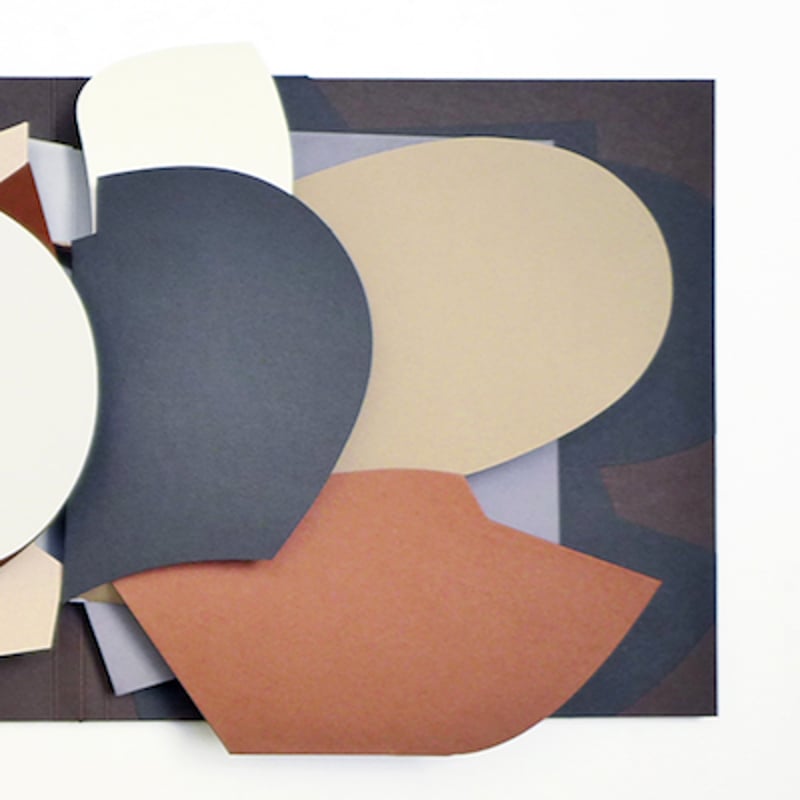
Assemblage is an artistic process involving the combination of three-dimensional objects to create a work of art. The term, which originates from the French word for assembly, often involves the use of found objects like leaves, stones, discarded items, or recycled materials. These objects are arranged creatively to form a unique and often thought-provoking artwork.

Also known as Dadaism, Dada was a literary and artistic movement that began in 1916 in Zurich, Switzerland. It emerged as a rejection of rationalism and nationalism, which were seen as contributing factors to World War I. The movement had political undertones and was strongly anti-war. Dada activities included demonstrations, gatherings, and the publication of literary and art journals that explored cultural and political topics.
Can't find your Answer?
Thank you! Your question has been sent — we'll get back to you shortly.
