
What is site specific art?
- Show All
- Established
- Discoveries
- Show All
Artworks Related to Site Specific Art
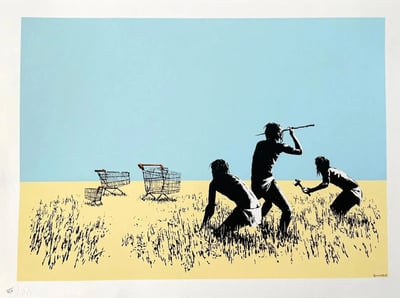
Banksy
Trolley Hunters, 2007
Limited Edition Print
Screen-print
GBP 30,000 - 40,000
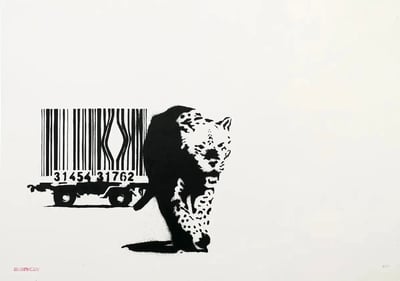
Banksy
Barcode, 2004
Limited Edition Print
Screen-print
GBP 70,000 - 90,000
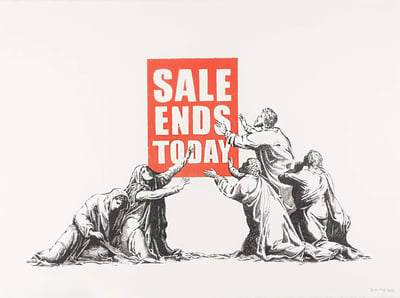
Banksy
Sale Ends (v2), 2017
Limited Edition Print
Screen-print
GBP 35,000 - 45,000
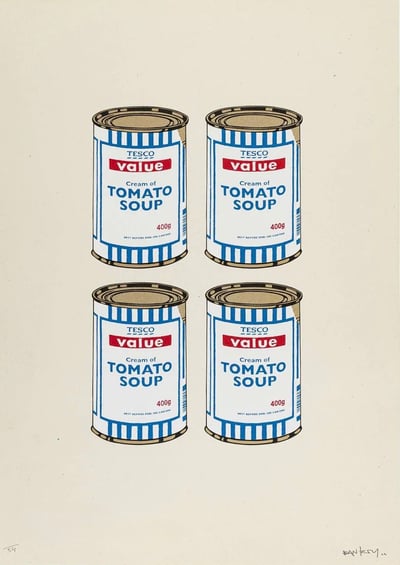
Banksy
Four Soup Cans - Gold on Cream, 2005
Limited Edition Print
Screen-print
GBP 40,000 - 60,000
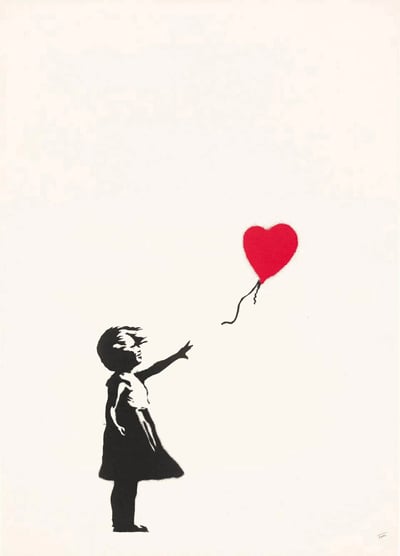
Banksy
Girl With A Balloon (unsigned), 2004
Limited Edition Print
Screen-print
GBP 90,000 - 110,000
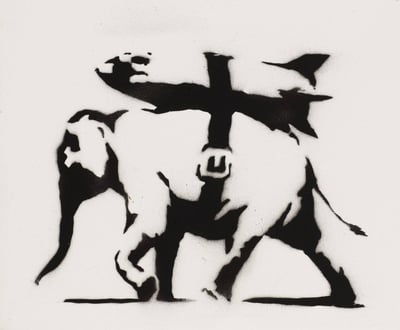
Banksy
Heavy Weaponry, 2004
Limited Edition Print
Mixed Media
GBP 150,000 - 170,000
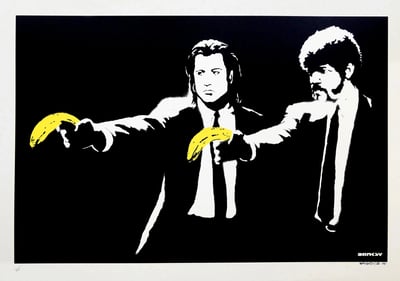
Banksy
Pulp Fiction (unsigned), 2004
Limited Edition Print
Screen-print
GBP 40,000 - 50,000
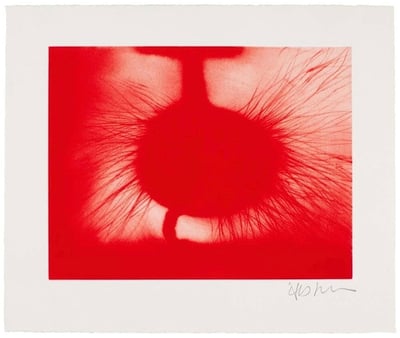
Anish Kapoor
Untitled (Red Pulse), 2014
Limited Edition Print
Etching
GBP 5,300
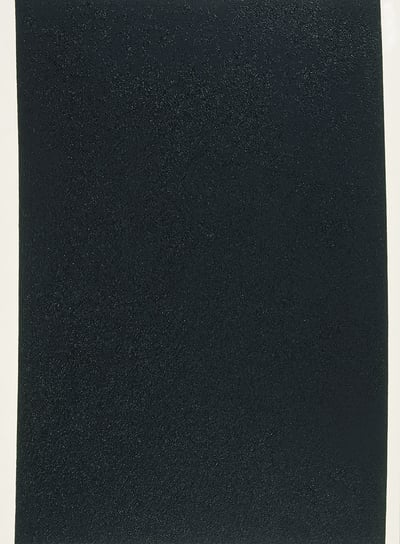
Richard Serra
Extensión # 3, 2004
Limited Edition Print
Etching
EUR 24,800
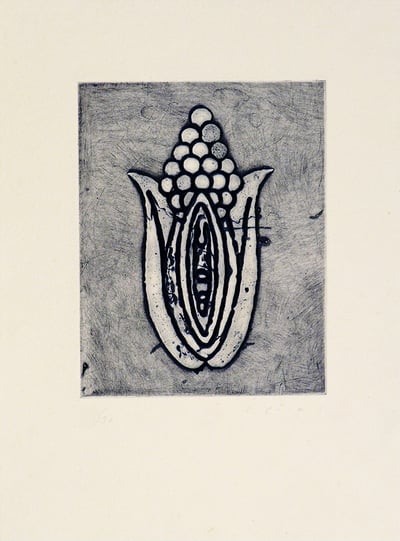
Jaume Plensa
Untitled (Abstract Blossom), 1987
Limited Edition Print
Etching
EUR 2,100
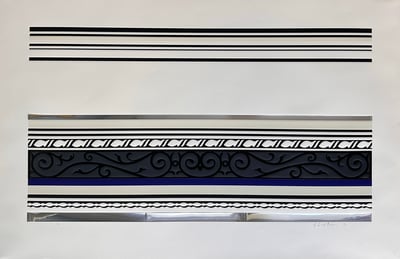
Roy Lichtenstein
Entablature IX (146), 1976
Limited Edition Print
Collage
EUR 20,000 - 25,000
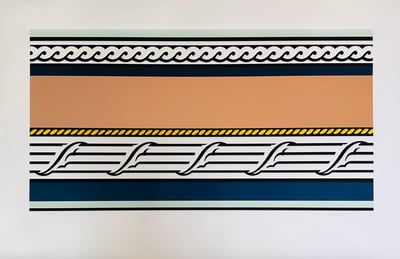
Roy Lichtenstein
Entablature IV (141), 1976
Limited Edition Print
Collage
EUR 20,000 - 25,000
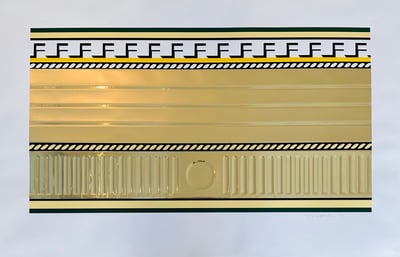
Roy Lichtenstein
Entablature III (140), 1976
Limited Edition Print
Collage
Inquire For Price
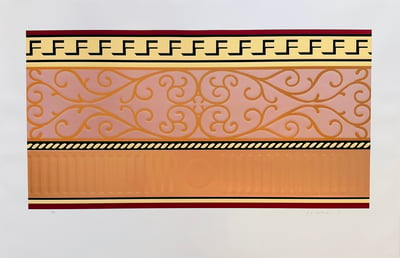
Roy Lichtenstein
Entablature II (139), 1976
Limited Edition Print
Collage
EUR 20,000 - 25,000
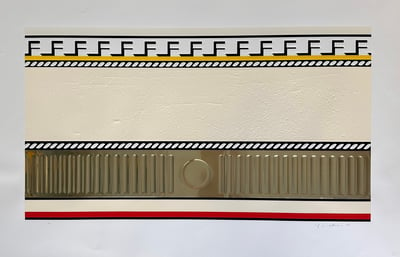
Roy Lichtenstein
Entablature I (138), 1976
Limited Edition Print
Collage
EUR 20,000 - 25,000
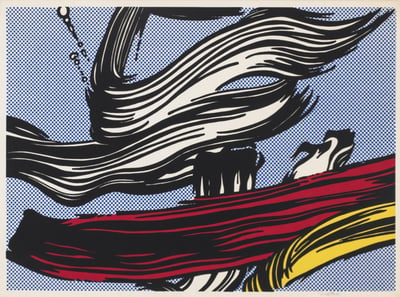
Roy Lichtenstein
Brushstrokes, 1967
Limited Edition Print
Screen-print
Inquire For Price
Related Articles

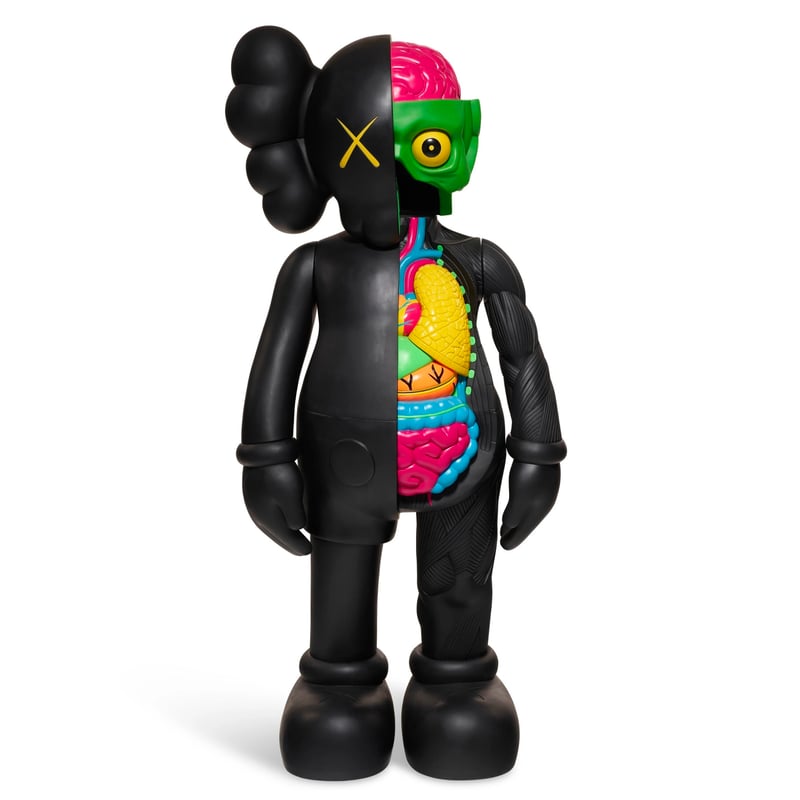
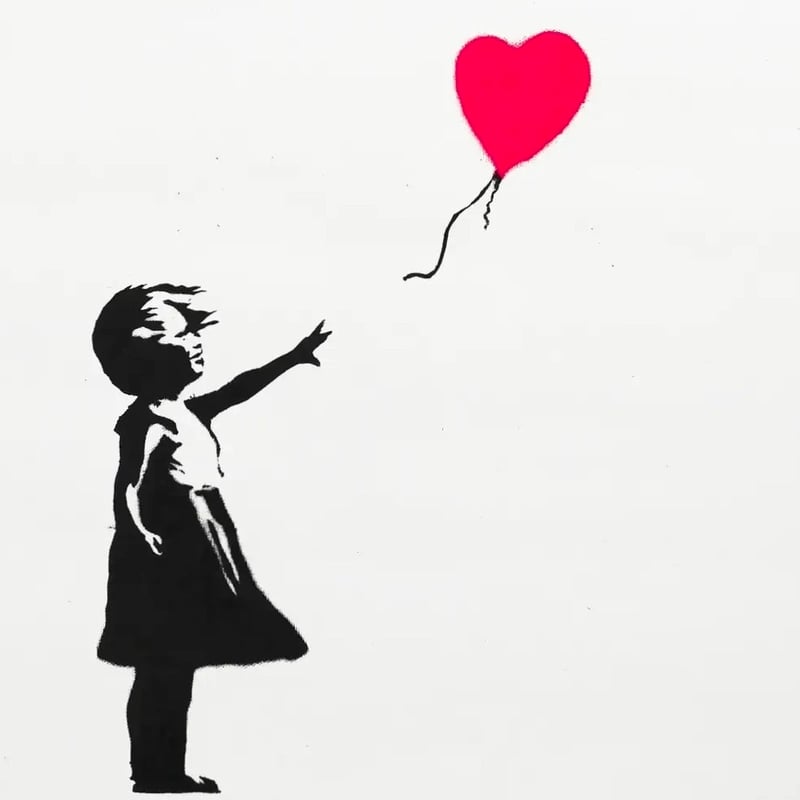

Carborundum is the trademark name for silicon carbide crystals, an abrasive material commonly used in sandpaper, cutting tools, and grinding wheels. Originally, artists used carborundum for grinding lithography stones. In collagraph printmaking, it is applied to plates to create texture and tone gradients, adding depth and contrast to the prints.

Art Fabrication is a process used in the production of technically challenging or large-scale artworks. It occurs when a designer or artist is unable to fully realize their concept or design on their own and seeks assistance from a fabrication studio. These studios are equipped with specialized machinery, resources, and skilled labor necessary to execute complex art projects to a high standard.
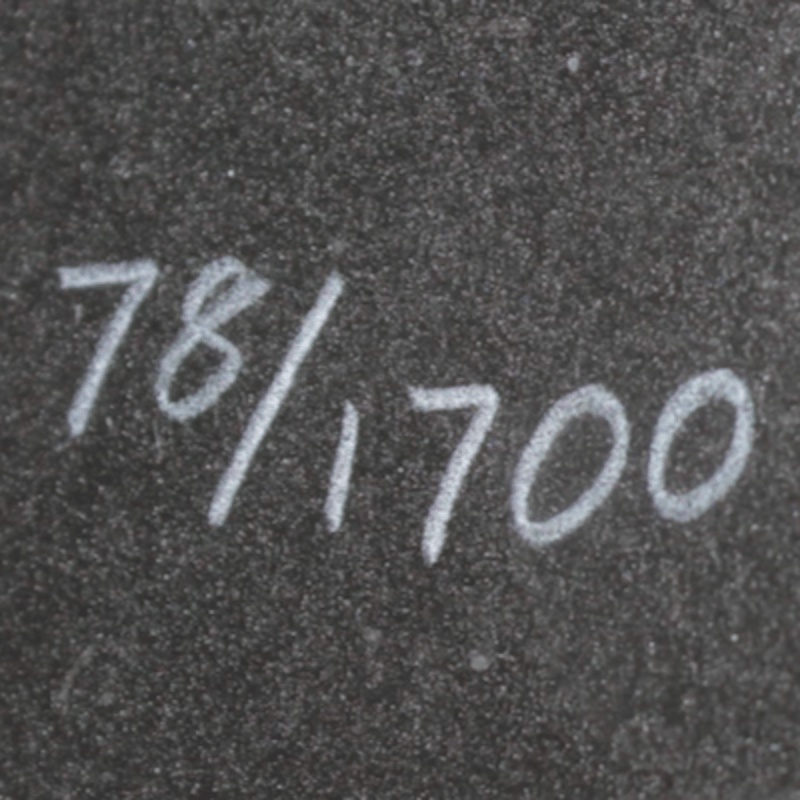
In art, an edition refers to the total number of identical or closely similar items produced as a set. This often applies to prints, such as lithographs, where multiple copies are made from a single original. An edition can also refer to works that are closely related to the original version of an artwork, such as variations or replicas.
Can't find your Answer?
Thank you! Your question has been sent — we'll get back to you shortly.
