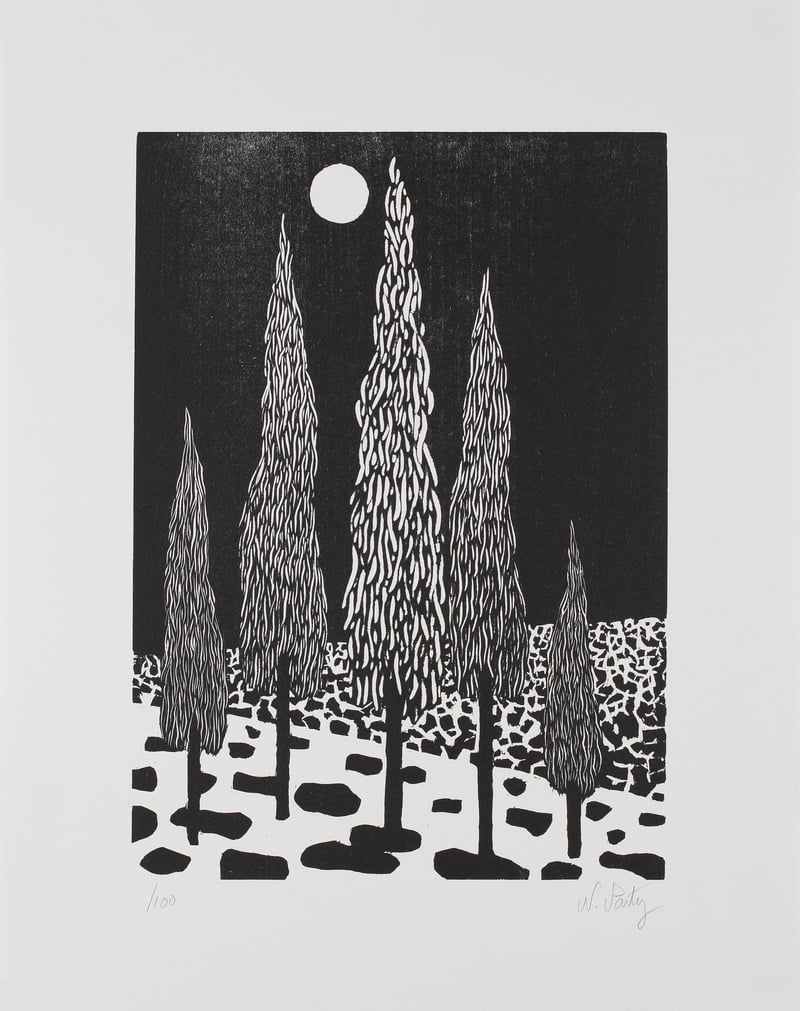
Trees, 2020
Form
Medium
Size
- Inches
- Centimeters
Edition
Price
- USD
- EUR
- GBP
- CHF
- Authenticity Guaranteed
- Insured Shipping
- Online Since 2005
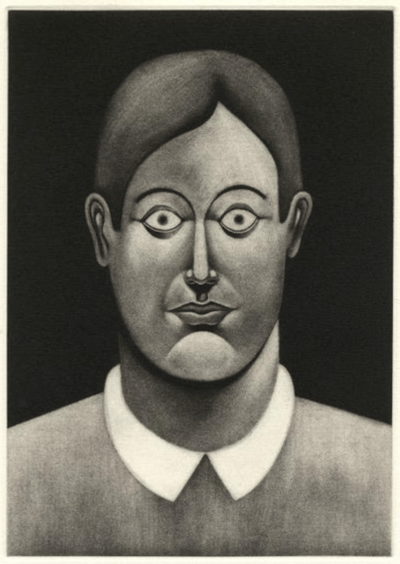
Nicolas Party
Portrait, 2016
Limited Edition Print
Mezzotint
GBP 16,000 – 20,000
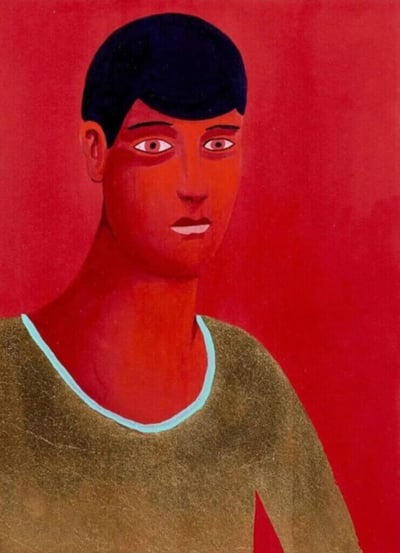
Nicolas Party
Untitled, Red Portrait, 2017
Painting
Watercolor
GBP 50,000 – 60,000
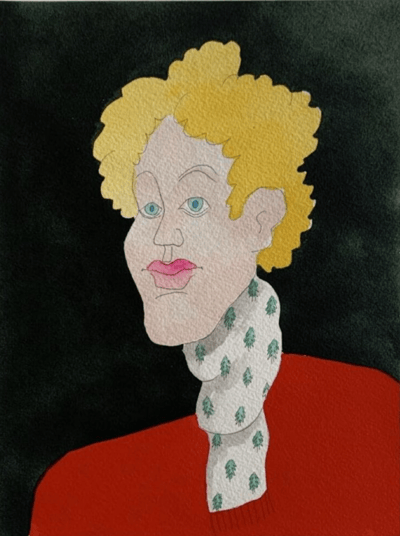
Nicolas Party
Untitled (portrait), 2014
Painting
Watercolor
GBP 23,000 – 29,900
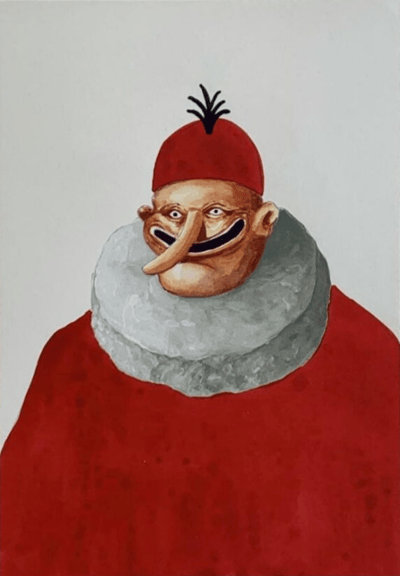
Nicolas Party
Untitled (face), 2015
Painting
Watercolor
GBP 35,000 – 45,500
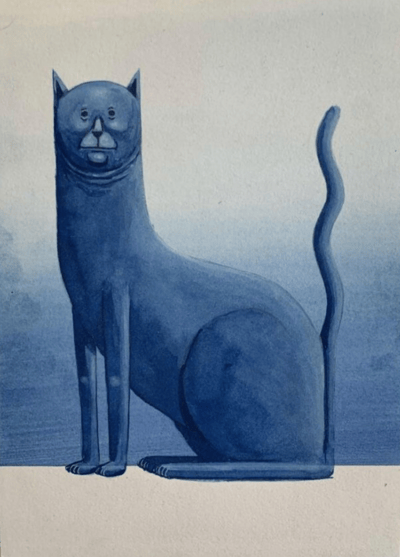
Nicolas Party
Untitled (cat), 2017
Painting
Watercolor
GBP 37,500 – 50,000
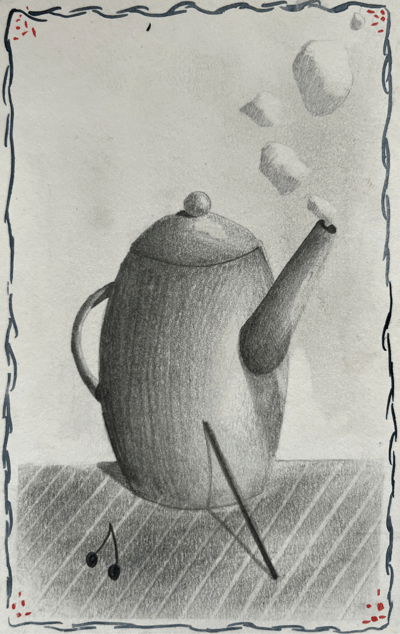
Nicolas Party
Untitled (Teapot), 2010
Drawing / Watercolor
Graphite
Inquire For Price
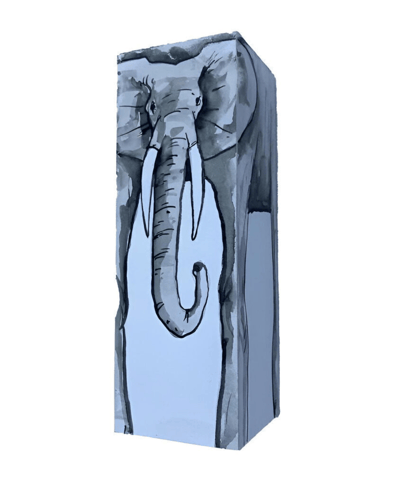
Nicolas Party
Elephant, 2012
Sculpture / Object
Mixed Media
Inquire For Price
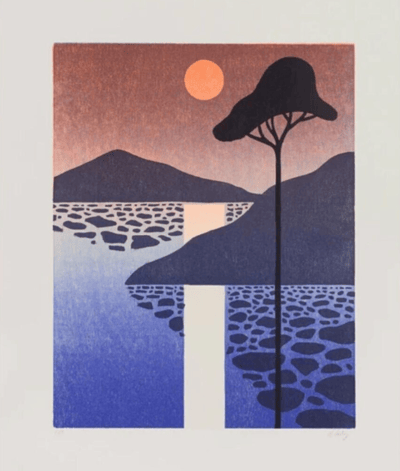
Nicolas Party
Sunset, 2021
Limited Edition Print
Woodcut
GBP 7,000 – 10,000
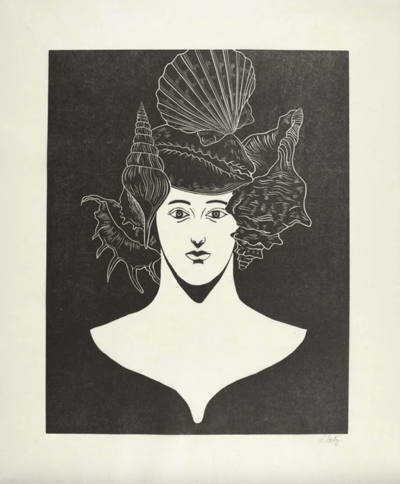
Nicolas Party
Portrait With Shells, 2021
Limited Edition Print
Woodcut
GBP 5,000 – 7,000
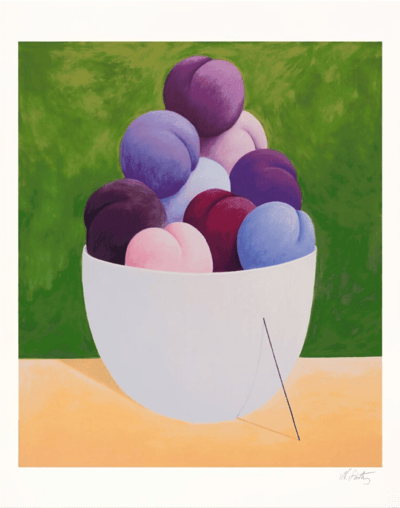
Nicolas Party
Purple Peaches, 2024
Limited Edition Print
Screen-print
GBP 6,000 – 10,000
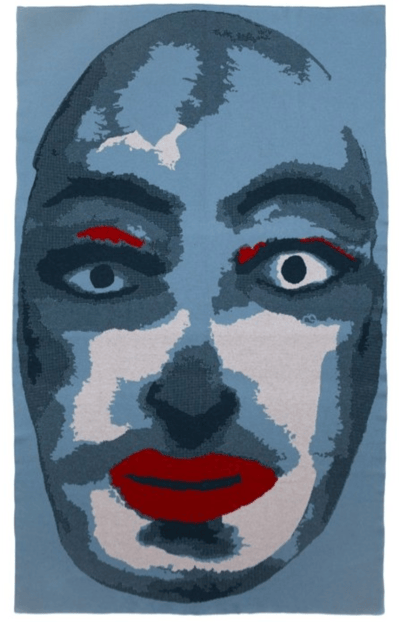
Nicolas Party
Untitled (Artist's Blanket), 2017
Tapestry
Tapestry
USD 2,500
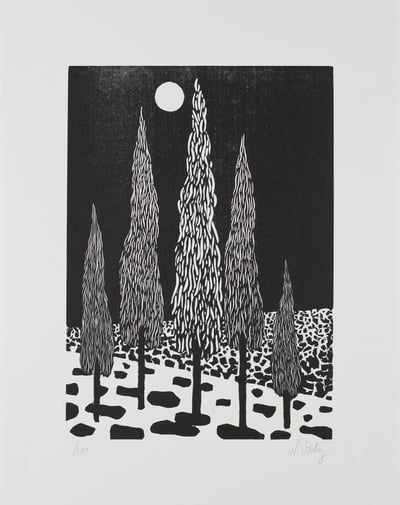
Nicolas Party
Trees, 2020
Limited Edition Print
Woodcut
GBP 6,000
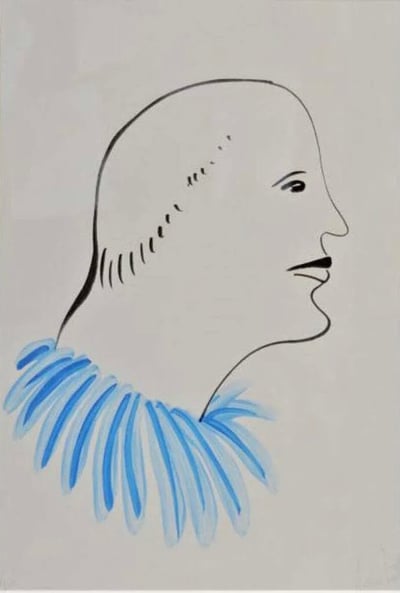
Nicolas Party
Untitled Blue, 2016
Limited Edition Print
Mixed Media
GBP 4,850
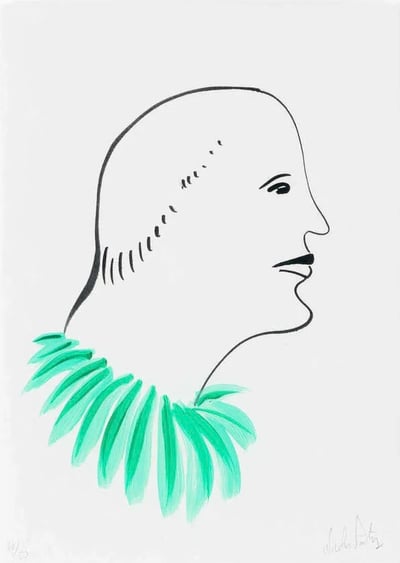
Nicolas Party
Untitled Green, 2016
Limited Edition Print
Mixed Media
GBP 4,850
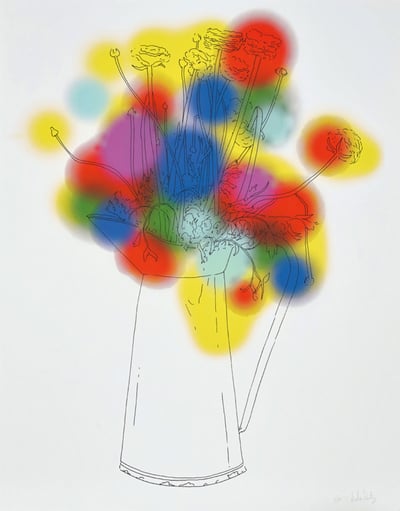
Nicolas Party
Flowers and few colors, 2013
Limited Edition Print
Screen-print
USD 9,000 – 12,000
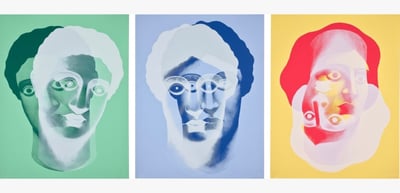
Nicolas Party
Karma Series of Portraits, 2017
Limited Edition Print
Screen-print
GBP 25,000 – 30,000
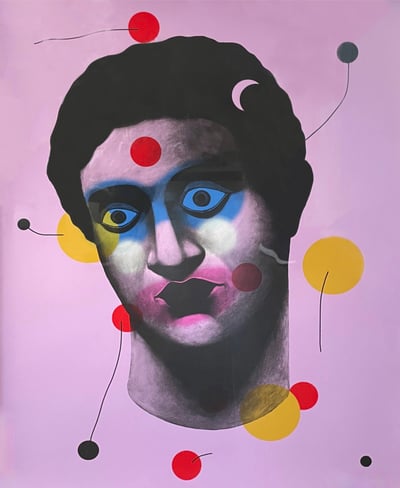
Nicolas Party
Portrait for RXArt Children's Hospital Commission, 2019
Limited Edition Print
Screen-print
GBP 9,500
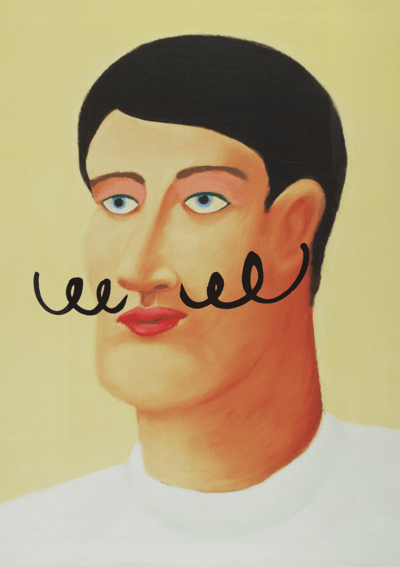
Nicolas Party
Portrait With A Mustache, 2013
Limited Edition Print
Mixed Media
Inquire For Price
Related Artists
Related Articles
Popular, Artists, Collecting - July 22, 2025
Investing in Emerging Artists: A Guide for Collectors
Learn how to invest wisely in emerging artists—spot talent early, manage risk, and build a meaningful, future-focused art collection.Read More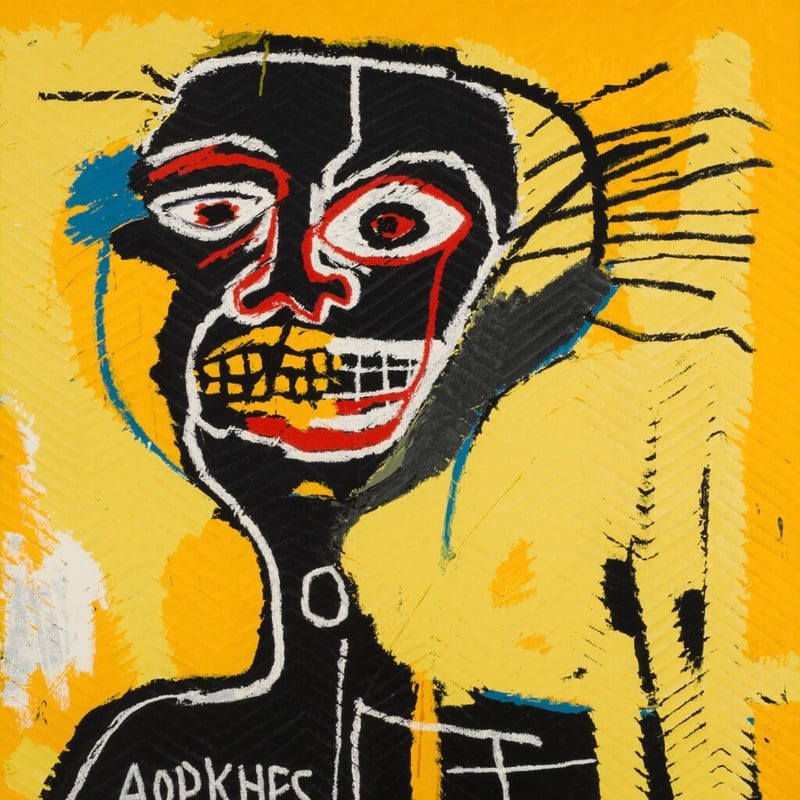
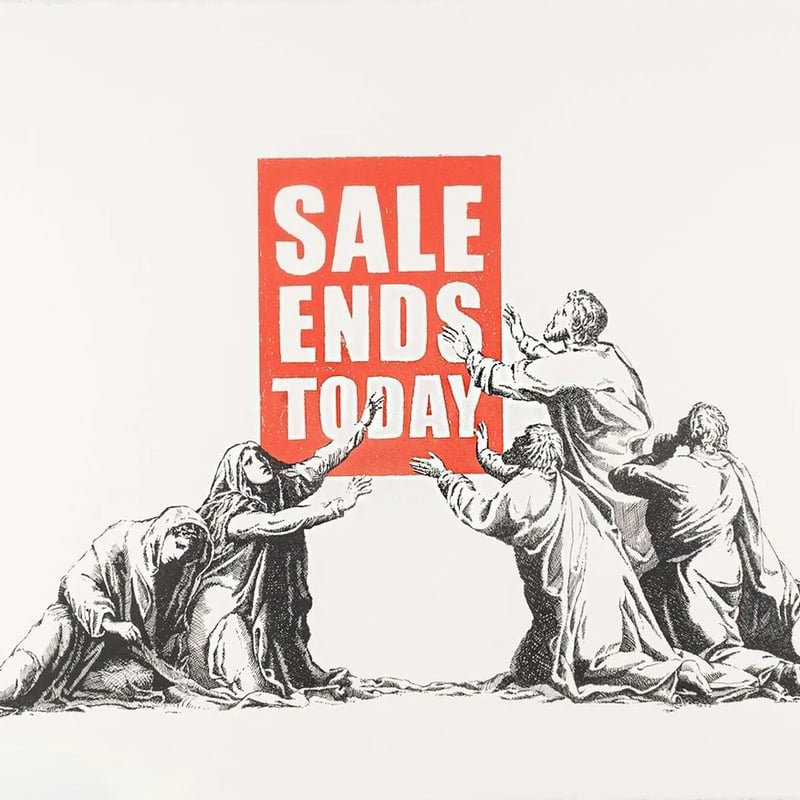
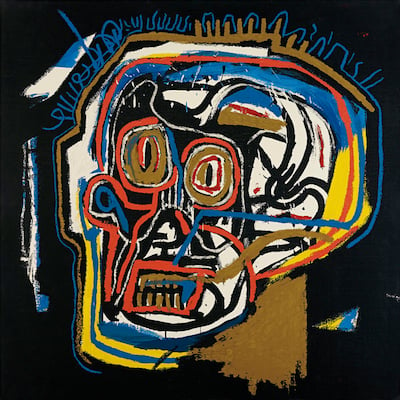
What is Street art?
Street Art is artwork created and executed in public spaces, outside of traditional art venues. It gained popularity during the 1980s graffiti art boom and has since evolved into various forms and styles. Common forms of Street Art include pop-up art, sticker art, stencil graffiti, and street installations or sculptures. Terms like guerrilla art, neo-graffiti, post-graffiti, and urban art are often used interchangeably to describe this genre, which challenges conventional ideas about where and how art should be displayed.
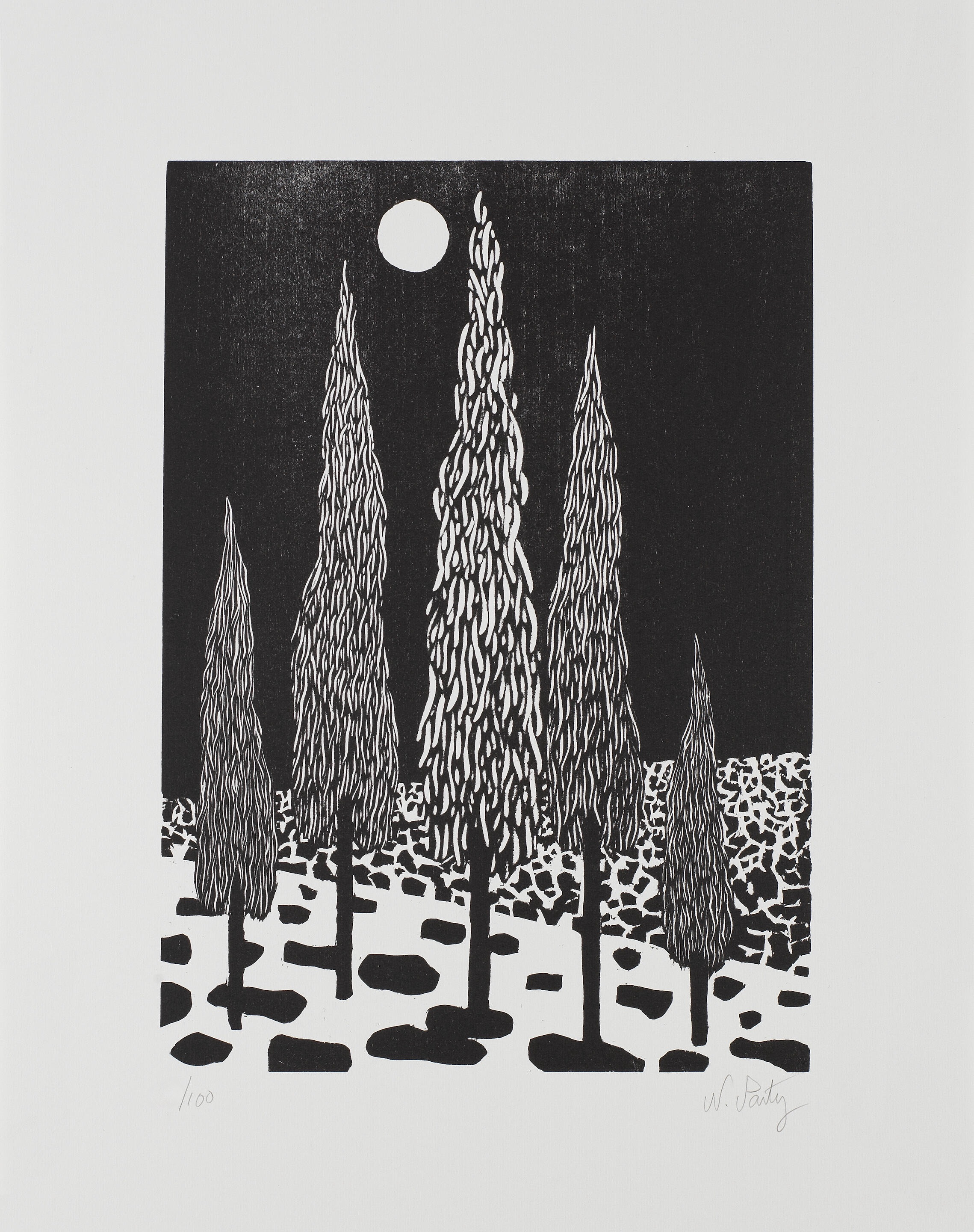
Nicolas Party
Trees, 2020
38.1 x 30.5 cm


