
What is site specific art?
- Show All
- Established
- Discoveries
- Show All
Artworks Related to Site Specific Art

Manolo Valdés
La Donna Italiana (Helene), 2005
Limited Edition Print
Collage
EUR 4,375

Jaume Plensa
Wilsis in black and white, 2022
Limited Edition Print
Lithograph
EUR 3,750

Jaume Plensa
Domestic Propensities 5. Moral and religious feelings, 2002
Limited Edition Print
Collage
EUR 2,650

Jaume Plensa
Domestic Propensities 1. Love of home, 2002
Limited Edition Print
Collage
EUR 2,650
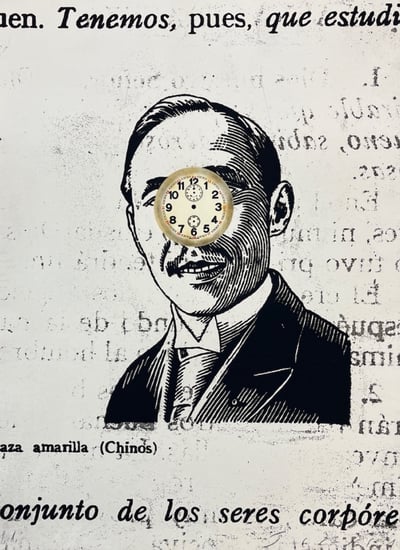
Jaume Plensa
Interior III, 1991
Limited Edition Print
Collage
EUR 2,650
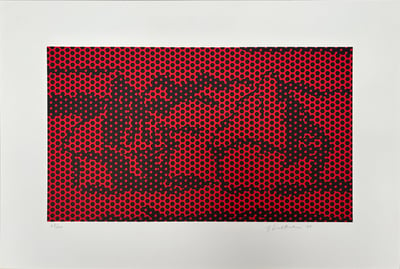
Roy Lichtenstein
Haystack #6, 1969
Limited Edition Print
Lithograph
USD 19,500
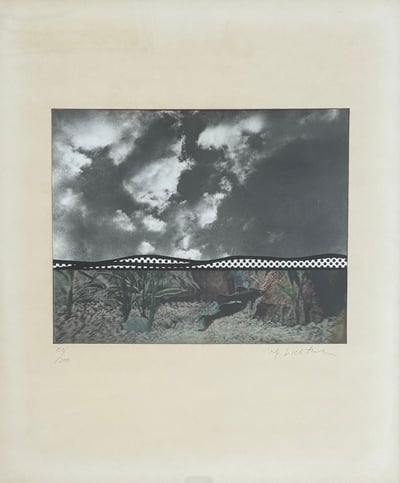
Roy Lichtenstein
Fish and Sky, 1967
Limited Edition Print
Mixed Media
EUR 10,200

Roy Lichtenstein
Inaugural Print from the Inaugural Impressions portfolio, 1977
Limited Edition Print
Screen-print
USD 25,000 - 35,000
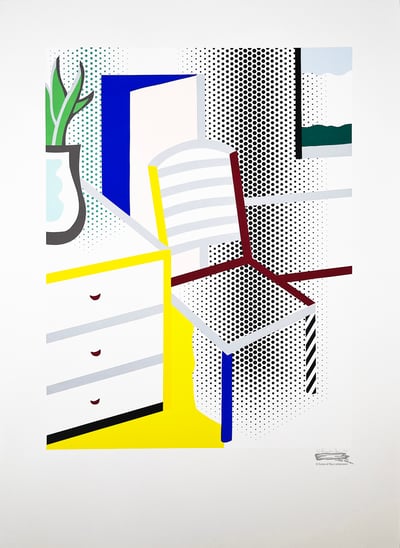
Roy Lichtenstein
Interior with Chair from the Leo Castelli 90th Birthday portfolio, 1997
Limited Edition Print
Screen-print
USD 30,000 - 40,000
Roy Lichtenstein
Private Listing
Limited Edition Print
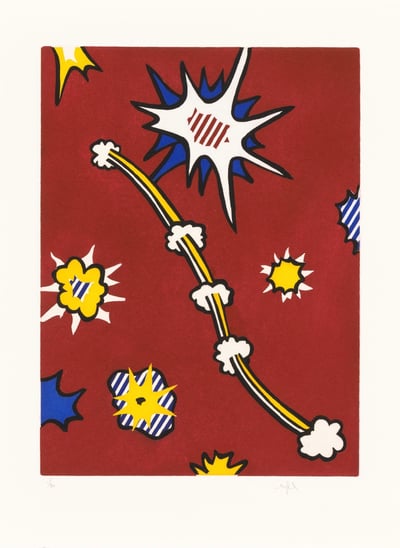
Roy Lichtenstein
De Denver au Montana, Départ 27 Mai 1972 (II), 1991
Limited Edition Print
Etching and Aquatint
USD 12,500
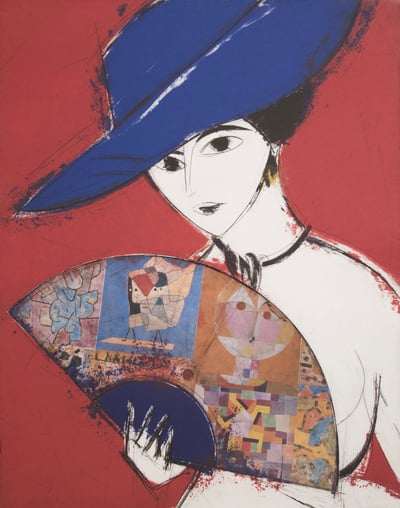
Manolo Valdés
Dama con sombrero (Pamela I), 2013
Limited Edition Print
Collage
Currently Not Available
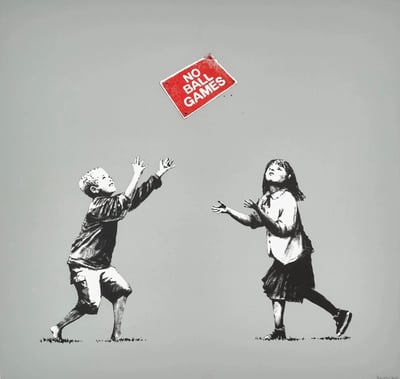
Banksy
No Ball Games - grey, 2009
Limited Edition Print
Screen-print
GBP 70,000 - 80,000

Banksy
Laugh Now (unsigned), 2003
Limited Edition Print
Screen-print
GBP 40,000 - 55,000
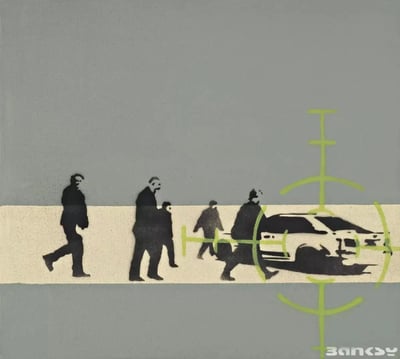
Banksy
Precision Bombing, 2000
Limited Edition Print
Mixed Media
GBP 250,000 - 280,000

Banksy
Girl With A Balloon, 2004
Limited Edition Print
Screen-print
GBP 240,000 - 270,000
Related Articles

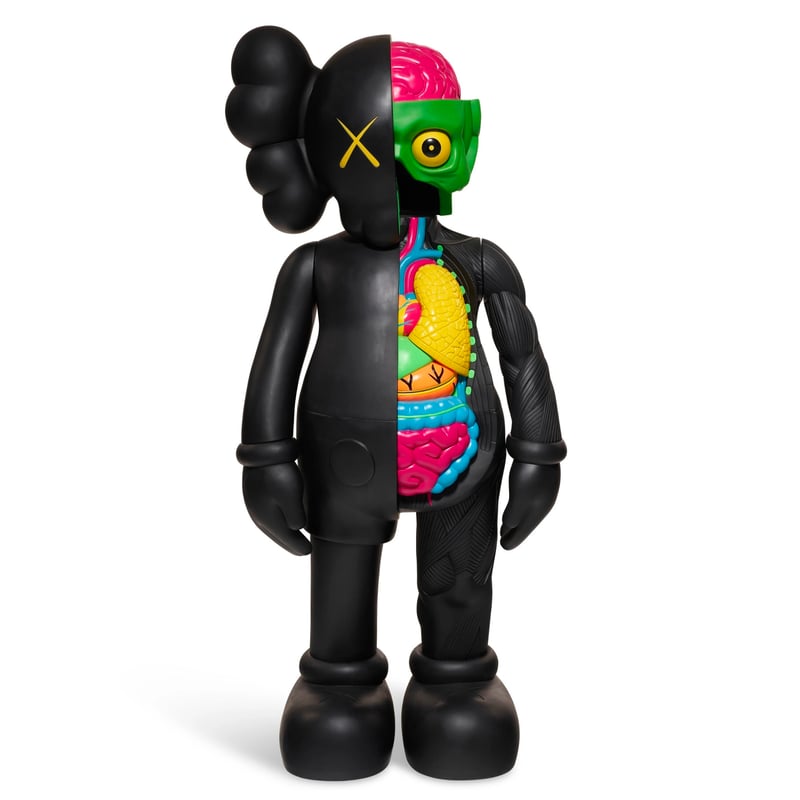

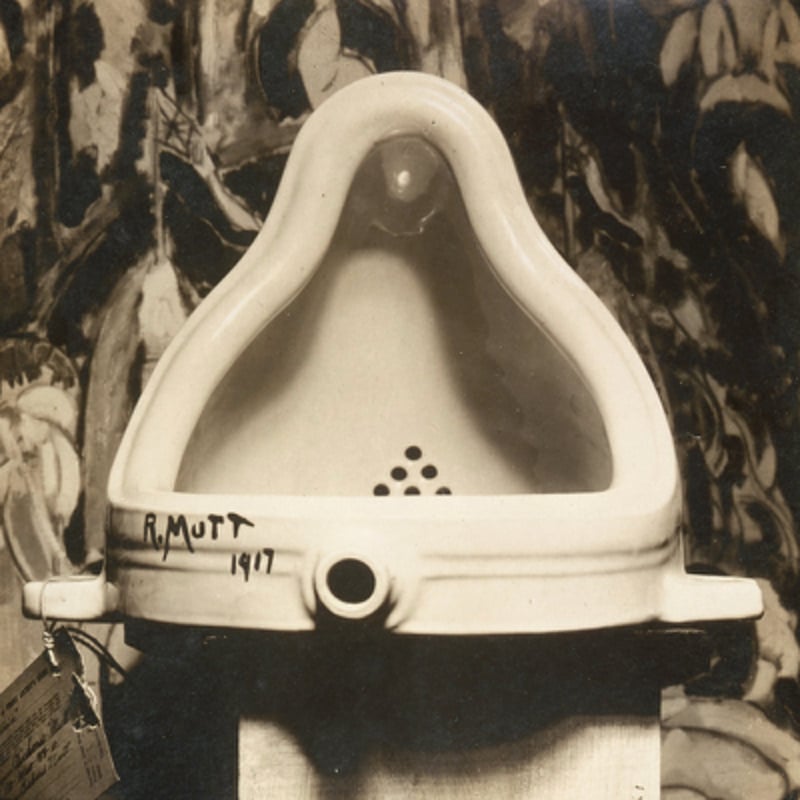
Found objects (or objet trouvé in French) are everyday items that an artist finds and incorporates into a work of art. While collectors have displayed aesthetically pleasing objects for centuries, modern art often uses objects that originally had non-artistic functions, such as recycled or repurposed materials.
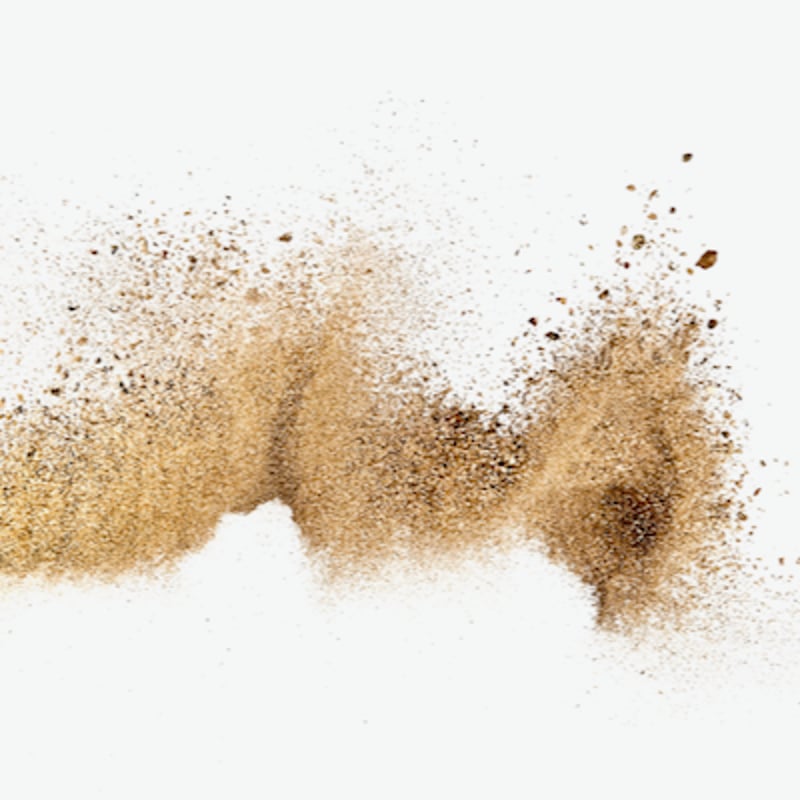
Sand consists of loose grains of material primarily made up of minerals like quartz, mica, and feldspar, as well as small fragments of rocks. Sand paintings are created by pouring colored sand into intricate designs, often for cultural rituals or special celebrations. These designs can take many days to complete and are traditionally brushed away after the ceremony, emphasizing the impermanence of the artwork.
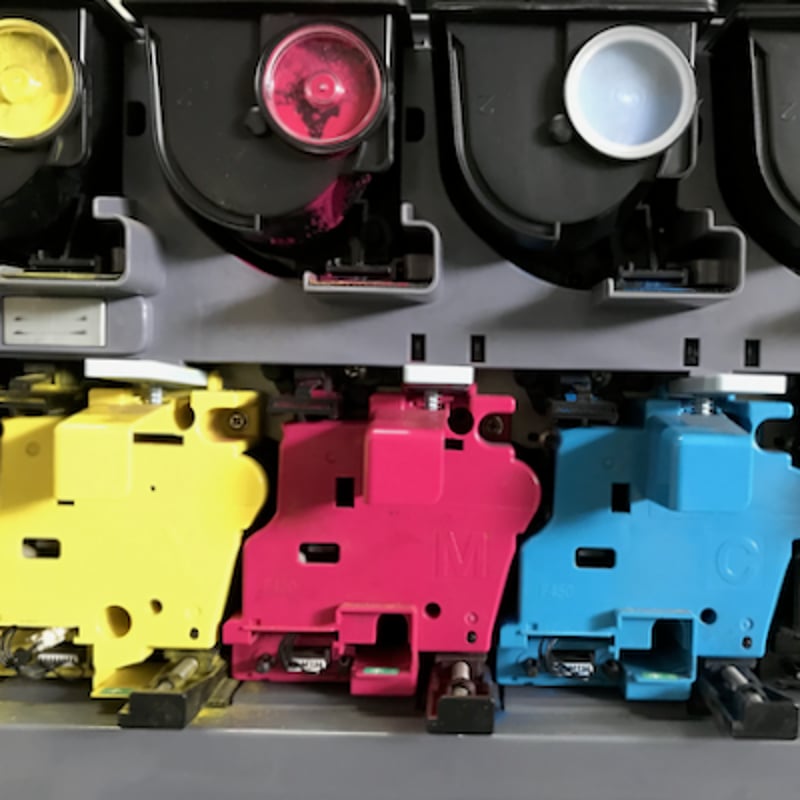
A laser print is created by using red, blue, and green lasers to expose photographic silver halide paper. After exposure, the paper is processed with photographic chemicals to produce an archival-quality print. This digital technology results in sharp images with highly uniform color and excellent detail.
Can't find your Answer?
Thank you! Your question has been sent — we'll get back to you shortly.
