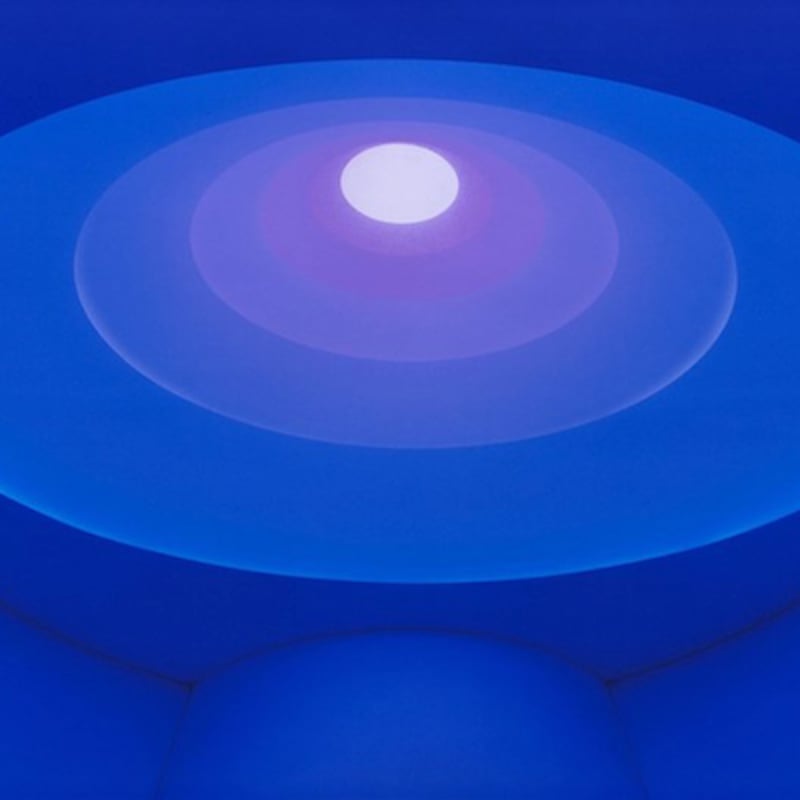
What is ‘light and space’?
- Show All
- Established
- Discoveries
- Show All
Artworks Related to Light and Space
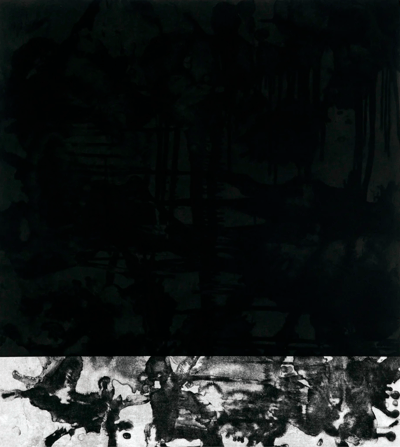
Pedro Cabrita Reis
E as estrelas do céu cairam na terra....I, 1996
Limited Edition Print
Aquatint
EUR 4,200
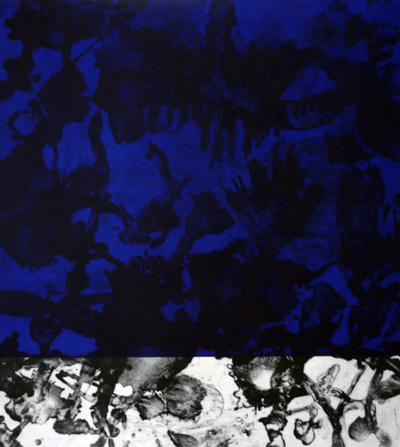
Pedro Cabrita Reis
E as estrelas do céu cairam na terra....IV, 1996
Limited Edition Print
Aquatint
EUR 4,200
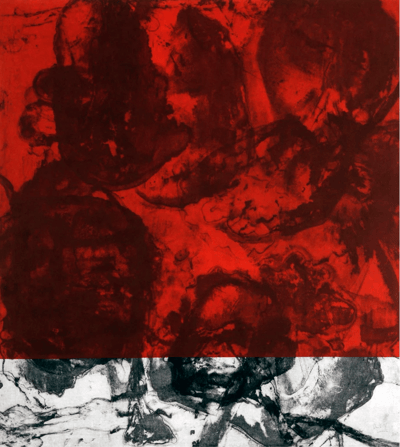
Pedro Cabrita Reis
E as estrelas do céu cairam na terra....III, 1996
Limited Edition Print
Aquatint
EUR 4,200
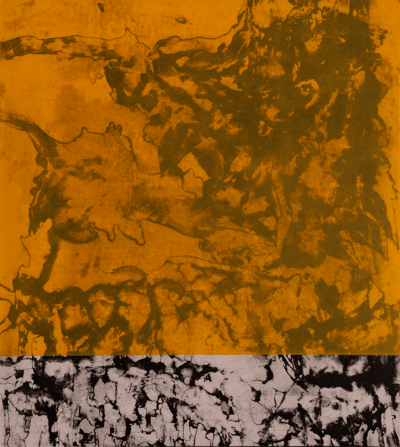
Pedro Cabrita Reis
E as estrelas do céu cairam na terra....II, 1996
Limited Edition Print
Aquatint
EUR 4,200
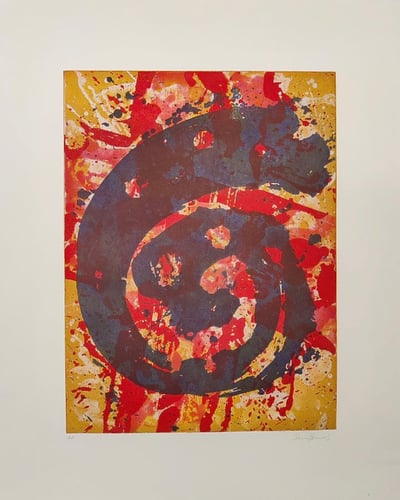
Sam Francis
Mehrfarbige Spirale, 1970
Limited Edition Print
Etching and Aquatint
USD 5,250
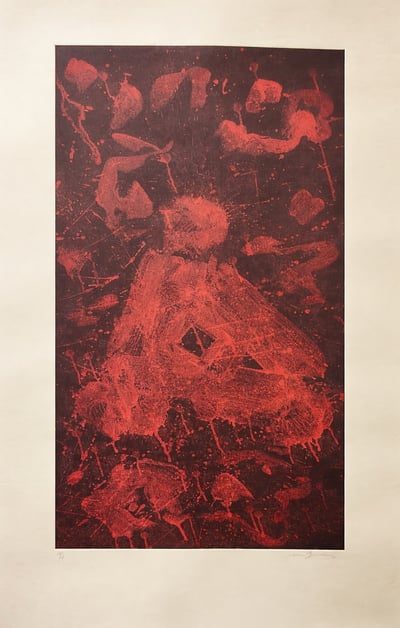
Sam Francis
Untitled (SFE-021), 1984
Limited Edition Print
Aquatint
USD 5,250
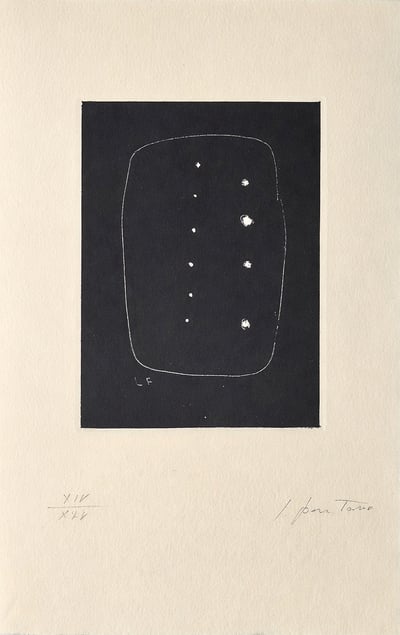
Lucio Fontana
Untitled from The International Avant-Garde (volume I), 1962
Limited Edition Print
Mixed Media
USD 8,150
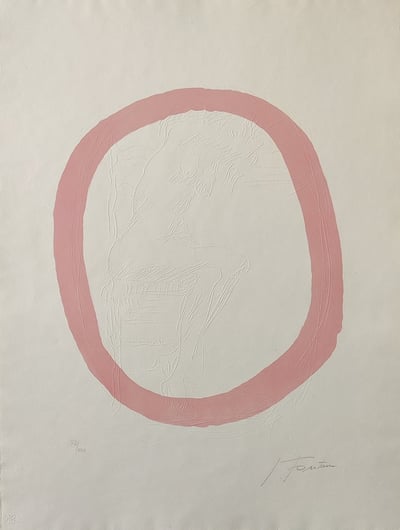
Lucio Fontana
Nudo rosa, 1967
Limited Edition Print
Mixed Media
USD 10,500
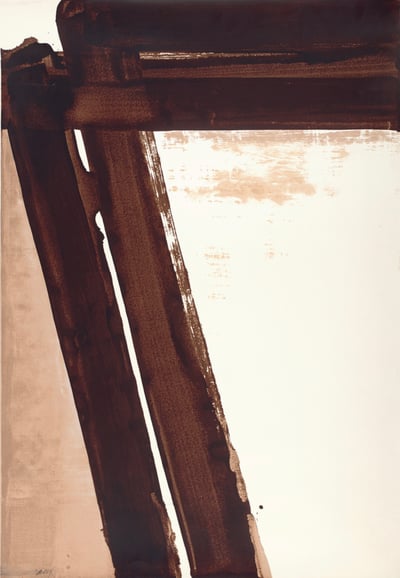
Pierre Soulages
Sérigraphie n°15, 1981
Limited Edition Print
Screen-print
EUR 15,500
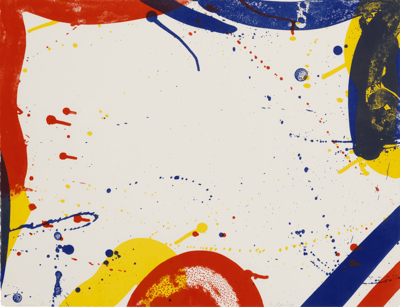
Sam Francis
Untitled (from Portfolio 9), 1967
Limited Edition Print
Lithograph
USD 6,000
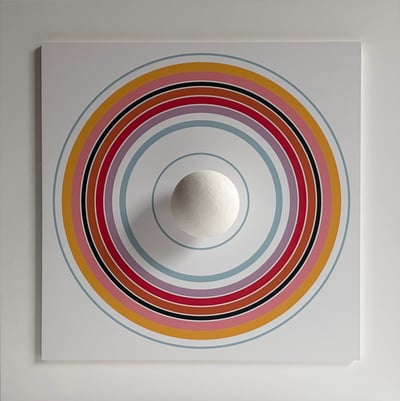
Antonio Asis
Asistype 20 – boule sur cercle, 2016
Sculpture / Object
Monotype
EUR 3,000
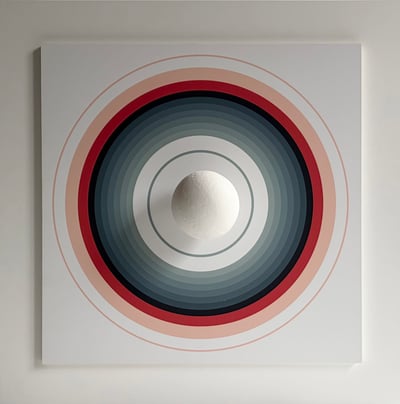
Antonio Asis
Asistype 19 – boule sur cercle, 2016
Sculpture / Object
Monotype
EUR 3,000
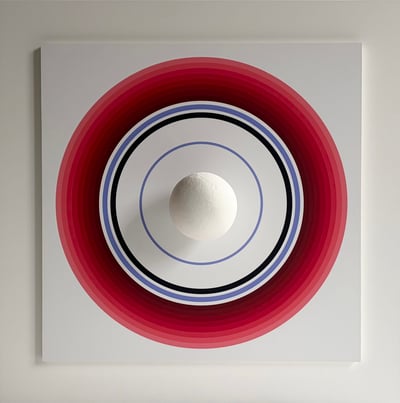
Antonio Asis
Asistype 18 – boule sur cercle, 2016
Sculpture / Object
Monotype
EUR 3,000
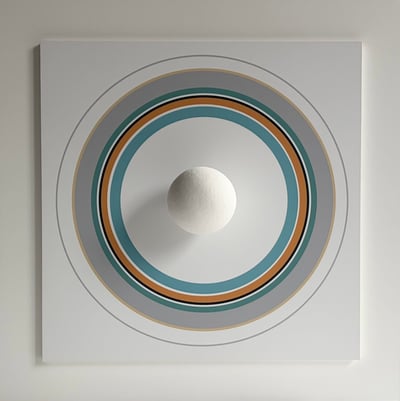
Antonio Asis
Asistype 17 – boule sur cercle, 2016
Sculpture / Object
Monotype
EUR 3,000
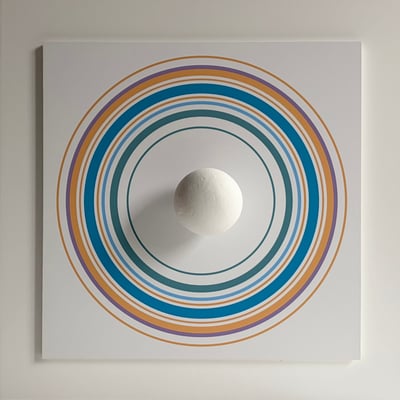
Antonio Asis
Asistype 16 – boule sur cercle, 2016
Sculpture / Object
Monotype
EUR 3,000
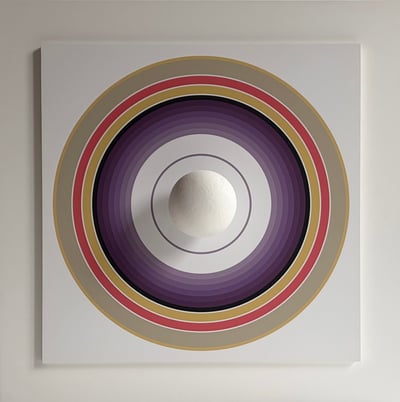
Antonio Asis
Asistype 14 – boule sur cercle, 2016
Sculpture / Object
Monotype
EUR 3,000
Related Articles

A photograph is an image captured with a camera. Traditionally, photographs were made by exposing film and then developing the image on light-sensitive paper using chemicals. Today, photographs can also be captured digitally and printed or displayed electronically. The process requires a camera, whether film or digital, and a photographer.

Readymade is the term coined by French artist Marcel Duchamp to describe artworks created from manufactured objects. Duchamp selected ordinary, functional items that he felt had visual indifference, turning them into art simply by choosing and presenting them in a new context. This concept challenged traditional notions of art and continues to influence artists who adopt similar approaches today.

Woodcut is a printing technique where an image is carved into the surface of a woodblock using gouges, with the remaining flat surface holding the ink for printing. The areas cut away by the artist do not carry ink, while the uncut areas do, producing the desired print. The carving follows the wood's grain, unlike wood engraving, where the block is cut across the end-grain. Ink is applied to the surface with a roller, ensuring only the flat, uncarved areas receive ink, leaving the recessed, non-printing areas clean.
Can't find your Answer?
Thank you! Your question has been sent — we'll get back to you shortly.
