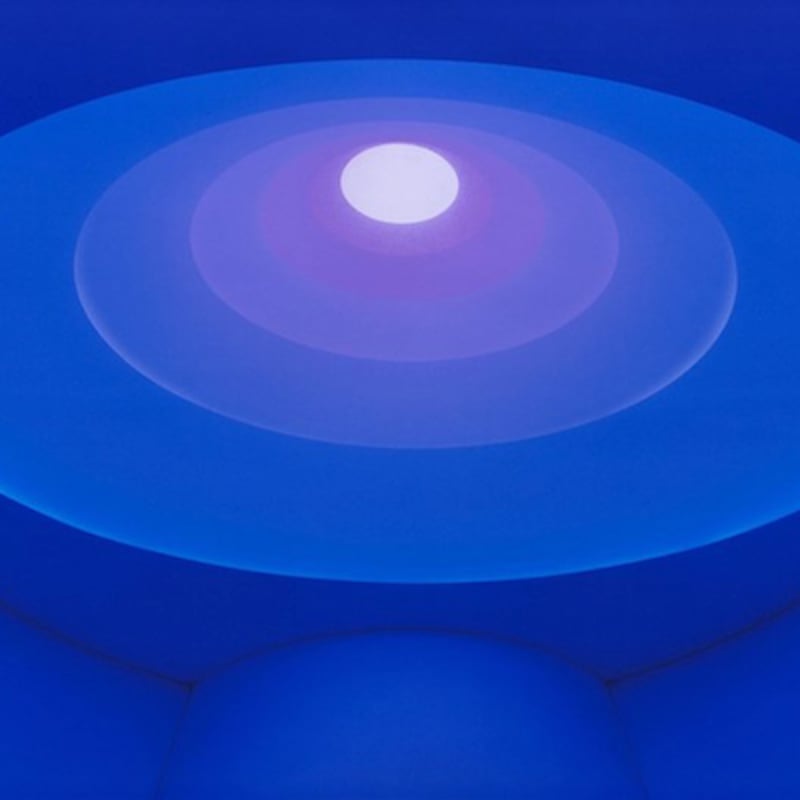
What is ‘light and space’?
- Show All
- Established
- Discoveries
- Show All
Artworks Related to Light and Space
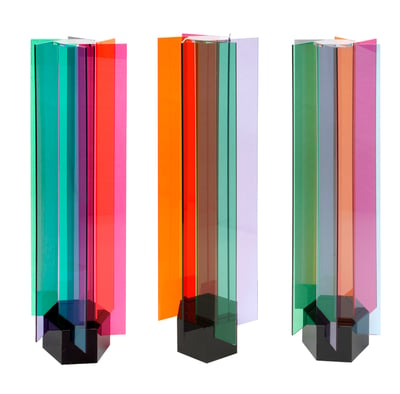
Carlos Cruz-Diez
Transchromies a 6 elements, 2010
Sculpture / Object
Object
EUR 12,000
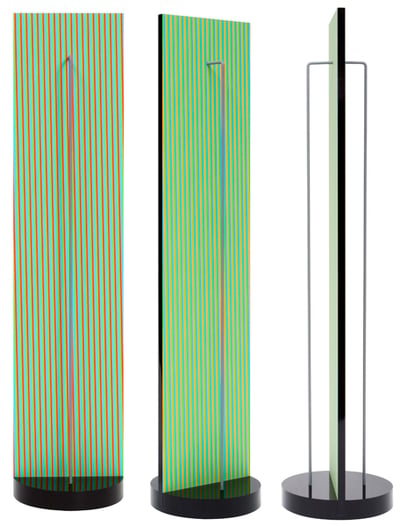
Carlos Cruz-Diez
Couleur a l espace Ariel, 2011
Sculpture / Object
Object
EUR 9,000
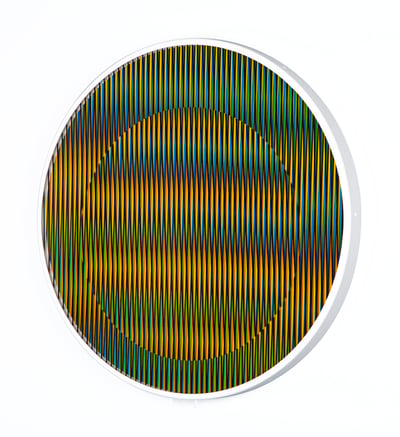
Carlos Cruz-Diez
Chromointerference Manipulable Circulaire B, 2013
Sculpture / Object
Object
EUR 16,000
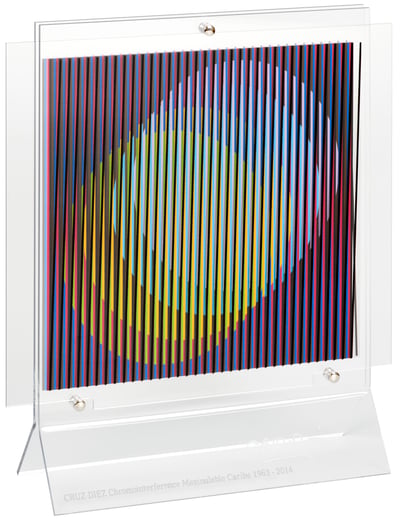
Carlos Cruz-Diez
Chromointerference Manipulable Caribe, 1965 - 2014
Sculpture / Object
Object
EUR 8,000
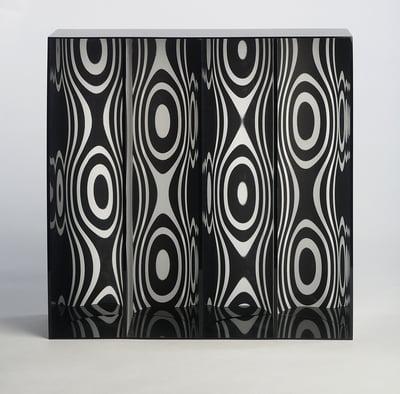
Julio Le Parc
Ondes par déplacement du spectateur, 1965-2012
Sculpture / Object
Acrylic sculpture
EUR 12,000
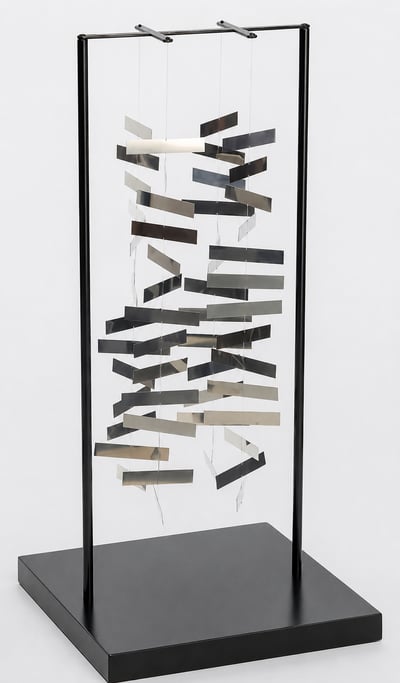
Julio Le Parc
Mobile rectangle dans l'espace, 1967 - 2009
Sculpture / Object
Acrylic sculpture
EUR 16,000
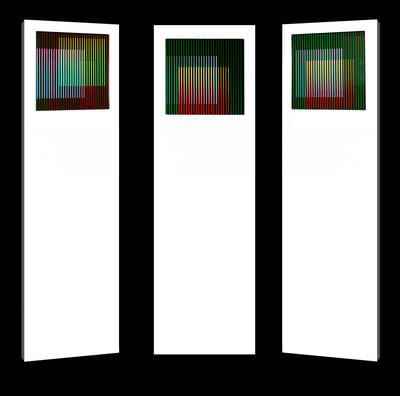
Carlos Cruz-Diez
Chromointerference joaquim, 2012
Sculpture / Object
Acrylic sculpture
EUR 5,200
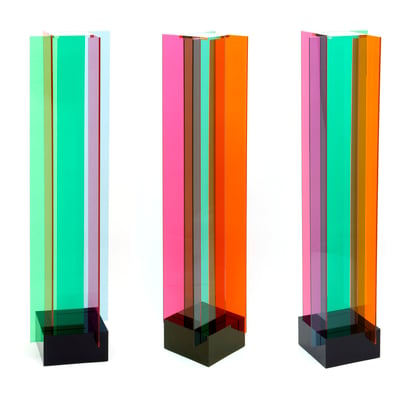
Carlos Cruz-Diez
Transchromies a 4 elements b, 1965-2010
Sculpture / Object
Acrylic sculpture
EUR 9,000
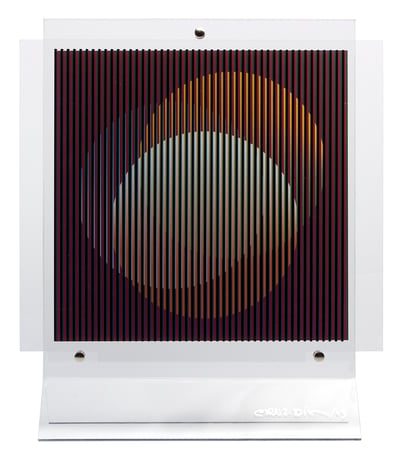
Carlos Cruz-Diez
Chromointerference Manipulable, 2009
Sculpture / Object
Acrylic sculpture
EUR 9,000
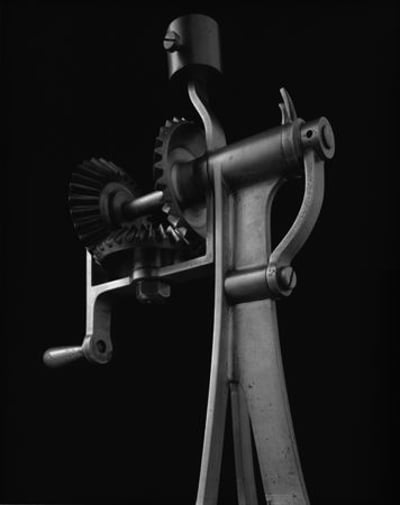
Hiroshi Sugimoto
Differential bevel gear, 2004
Photography
Gelatin Silver Print
EUR 21,400
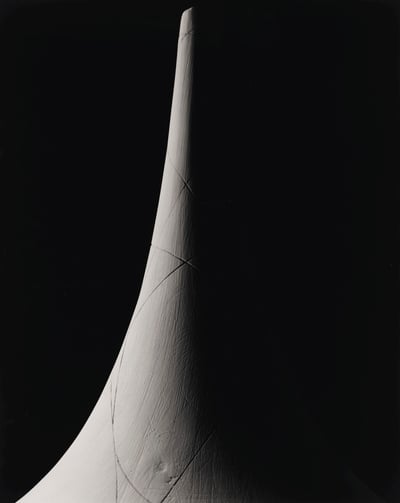
Hiroshi Sugimoto
Surface of revolution with constant negative curvature, 2004
Photography
Gelatin Silver Print
EUR 21,400
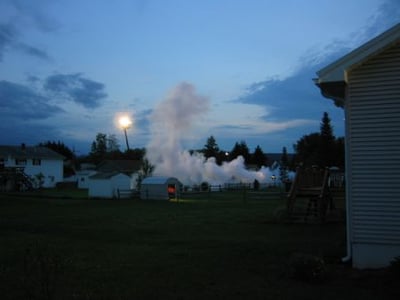
Gregory Crewdson
Brightview, 2005
Photography
C-Print
Currently Not Available

Jack Pierson
Stardust, 2012
Photography
C-Print
EUR 900
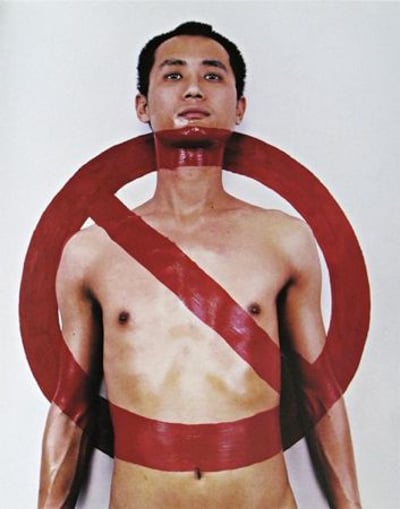
Qiu Zhijie
Tattoo 3, 2000
Limited Edition Print
Digital Print on paper
Currently Not Available
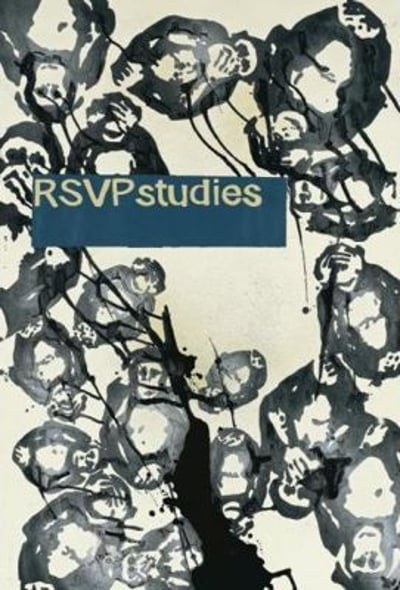
Jitish Kallat
RSVP Studies - 3, 2005
Painting
Gouache
EUR 12,000
Related Articles
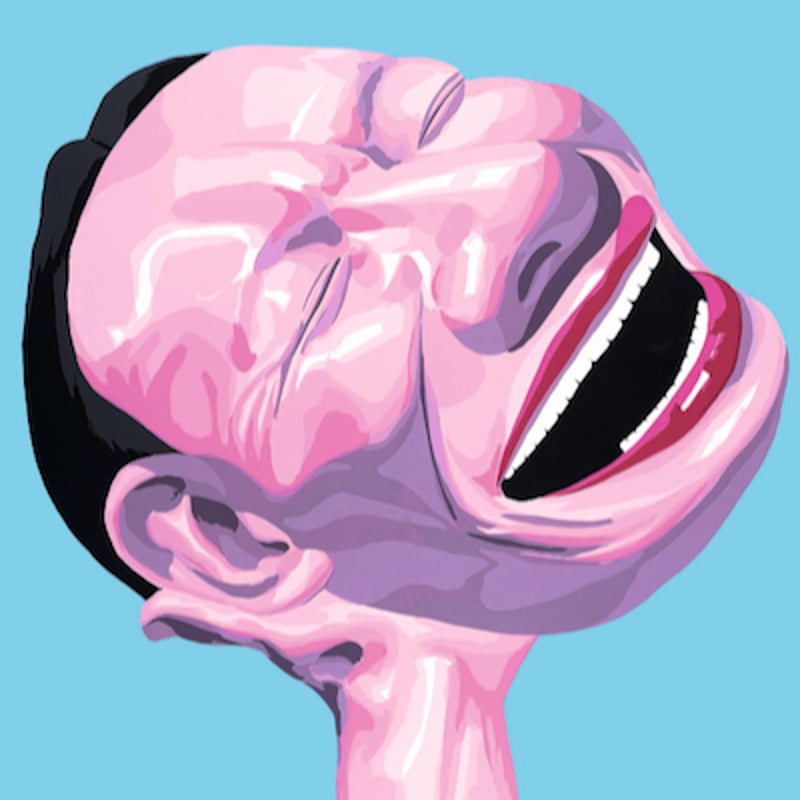
Cynical Realism is a term first used in 1992 by art critic Li Xianting to describe a group of Beijing artists who created satirical social realist paintings. The group aimed to depict the psychological turmoil experienced in China as the country grappled with new political ideologies.
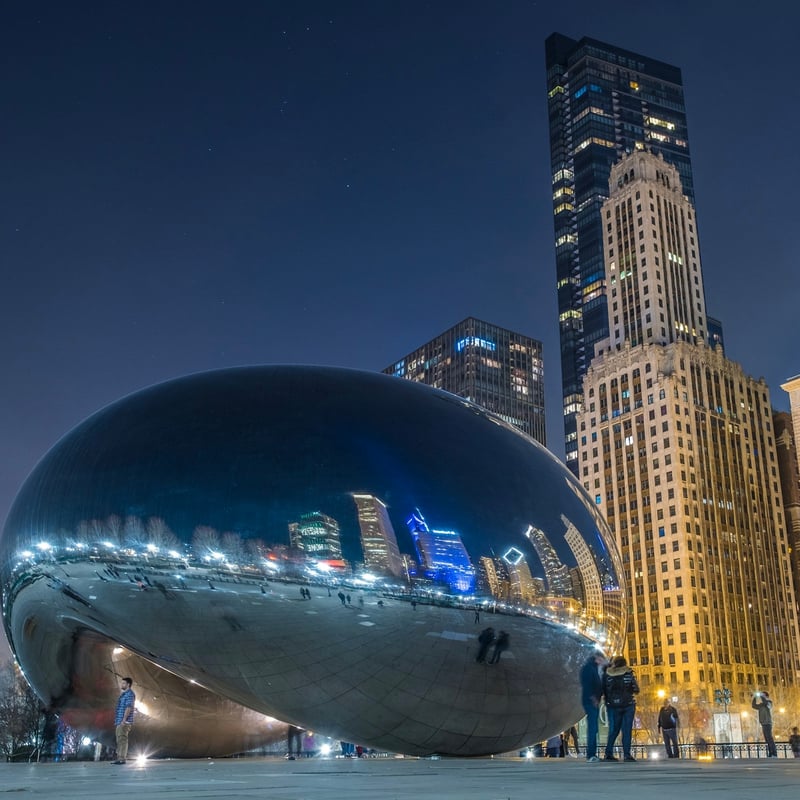
New British Sculpture is the name referring to the work produced by a group of sculptors, installation artists, and other creators who exhibited together in London during the 1980s. This group included artists like Richard Deacon, Richard Wentworth, and Tony Cragg. Tim Woods helped define this movement by identifying four major themes: the blending of kitsch and pop culture, the use of UK urban waste in a bricolage style, the assignment of new meanings to everyday objects, and a playful approach using wit and humor.
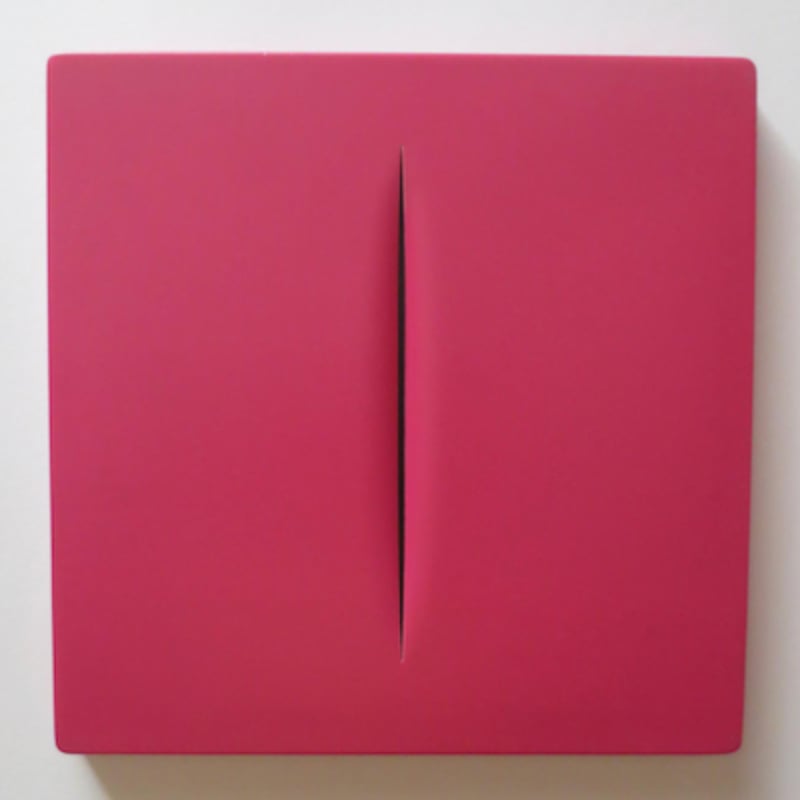
Spatialism is an art movement that originated in Italy in 1947, founded by Lucio Fontana with the intention of synthesizing sound, color, movement, and space into a new form of art. The movement's central ideas were outlined in Fontana's first manifesto, published in 1947, where he introduced the concept of spatial art to capture the spirit of the post-war era. His ideas were further developed in five subsequent manifestos. Although Fontana's ideas were sometimes considered vague, his influence was significant, as he was one of the first European artists to emphasize art as a performance and gesture.
Can't find your Answer?
Thank you! Your question has been sent — we'll get back to you shortly.
