What is late modernism?
- Show All
- Established
- Discoveries
- Show All
Artworks Related to Late modernism
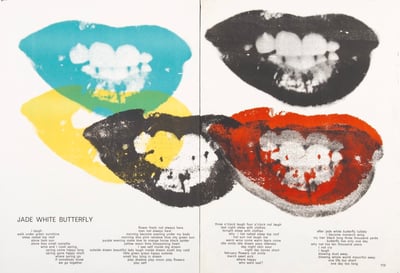
Andy Warhol
Marilyn Monroe Lips (One Cent Life) FS. 11.5, 1964
Limited Edition Print
Lithograph
USD 1,550
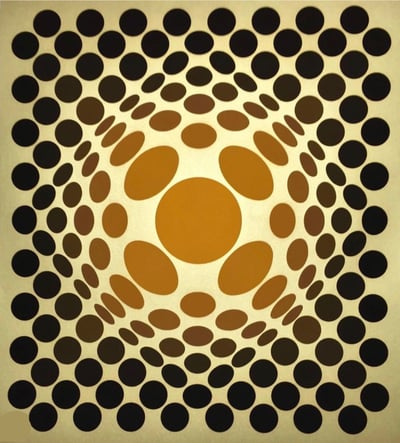
Victor Vasarely
Tewek, 1978
Limited Edition Print
Silkscreen
USD 1,850
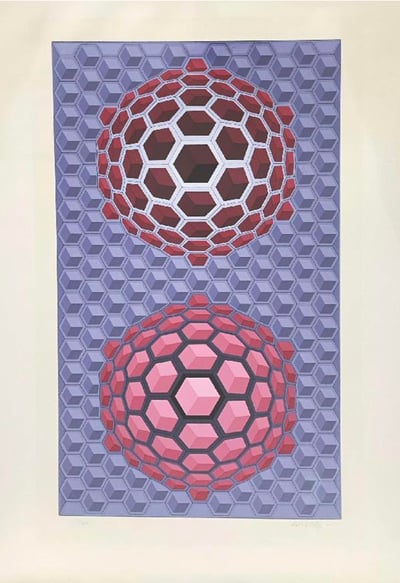
Victor Vasarely
Purple long, 1977
Limited Edition Print
Silkscreen
USD 1,700
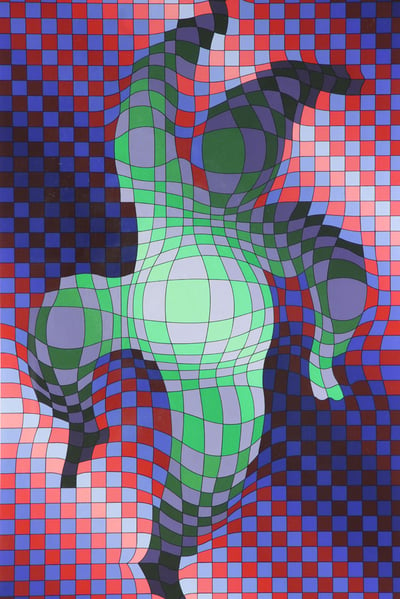
Victor Vasarely
Harlequin
Limited Edition Print
Silkscreen
USD 2,300
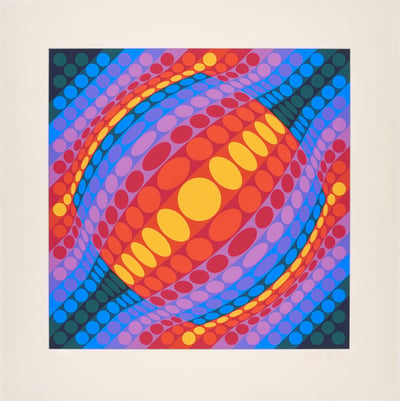
Victor Vasarely
Planeta, 1972
Limited Edition Print
Silkscreen
USD 1,900
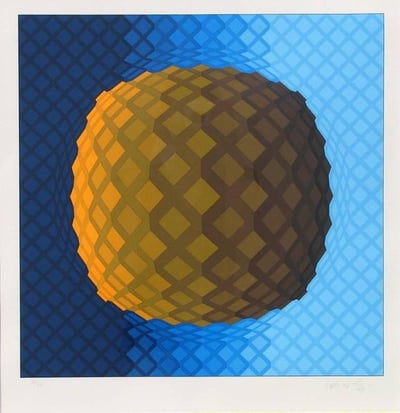
Victor Vasarely
Koskota, 1976
Limited Edition Print
Silkscreen
USD 1,550
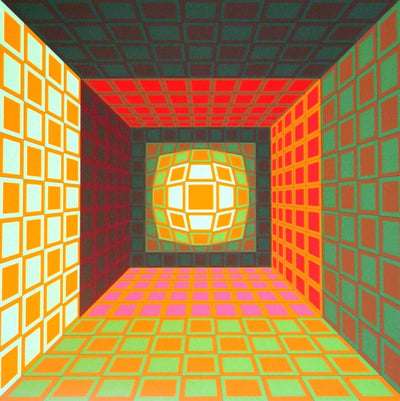
Victor Vasarely
Kaldor, 1980
Limited Edition Print
Silkscreen
USD 1,900
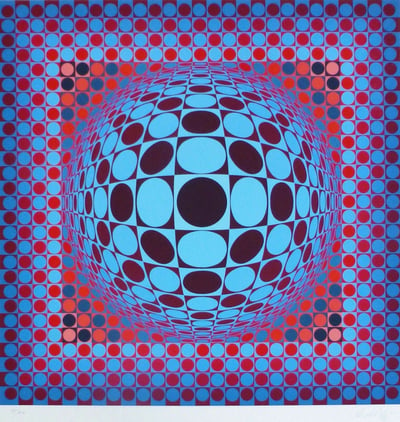
Victor Vasarely
Hang, 1979
Limited Edition Print
Silkscreen
USD 1,550
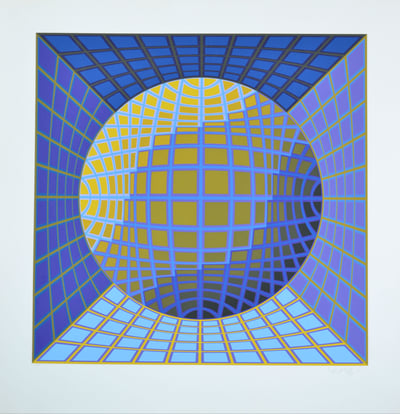
Victor Vasarely
Dauve, 1978
Limited Edition Print
Silkscreen
USD 1,550
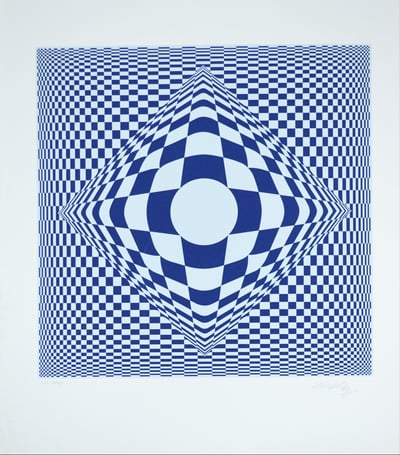
Victor Vasarely
Vertigo, 1982
Limited Edition Print
Silkscreen
USD 1,550
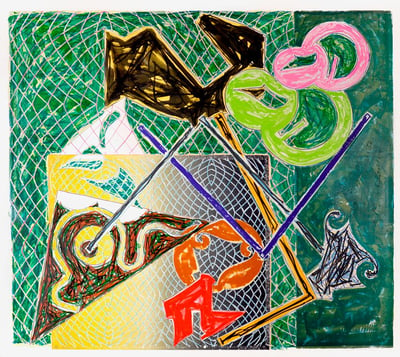
Frank Stella
Shards V, 1982
Limited Edition Print
Lithograph
USD 32,500
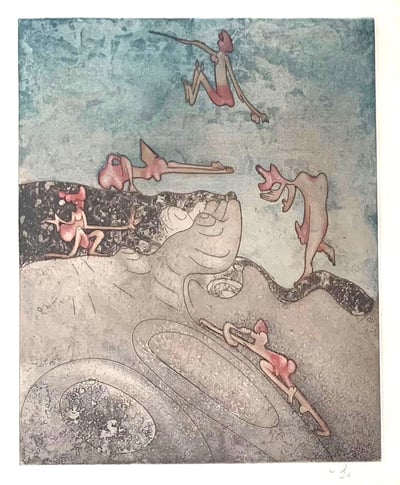
Roberto Matta
Untitled (from Così Fan Tutte) #7, 1970
Limited Edition Print
Etching and Aquatint
USD 1,875
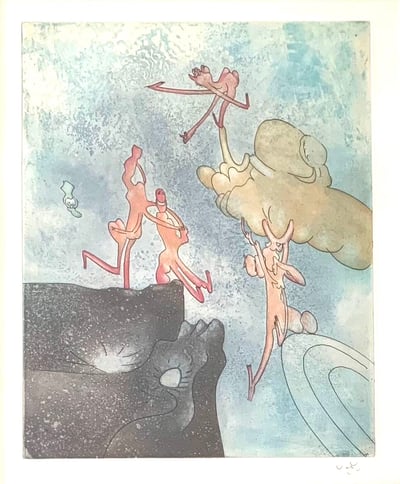
Roberto Matta
Untitled (from Così Fan Tutte) #6, 1970
Limited Edition Print
Etching and Aquatint
USD 1,875
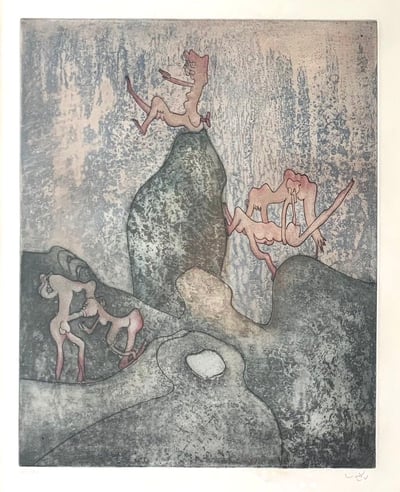
Roberto Matta
Untitled (from Così Fan Tutte) #5, 1970
Limited Edition Print
Etching and Aquatint
USD 1,875
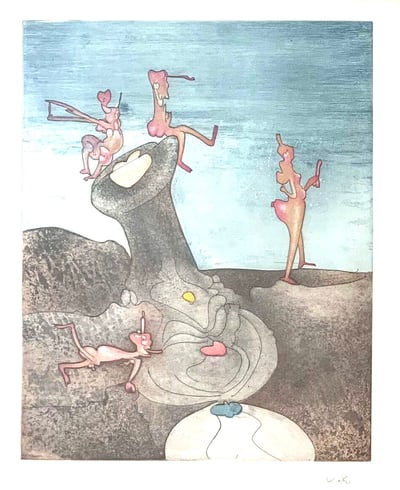
Roberto Matta
Untitled (from Così Fan Tutte) #4, 1970
Limited Edition Print
Etching
USD 1,875
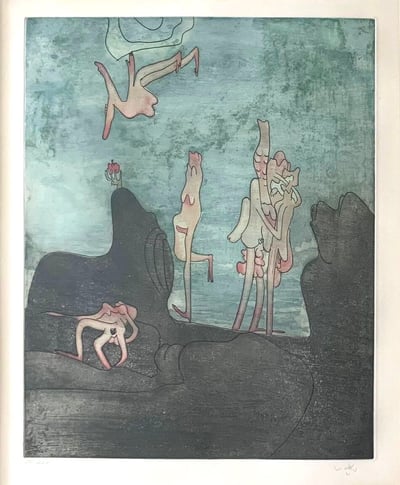
Roberto Matta
Untitled (from Così Fan Tutte) #3, 1970
Limited Edition Print
Etching and Aquatint
USD 1,875
Related Articles
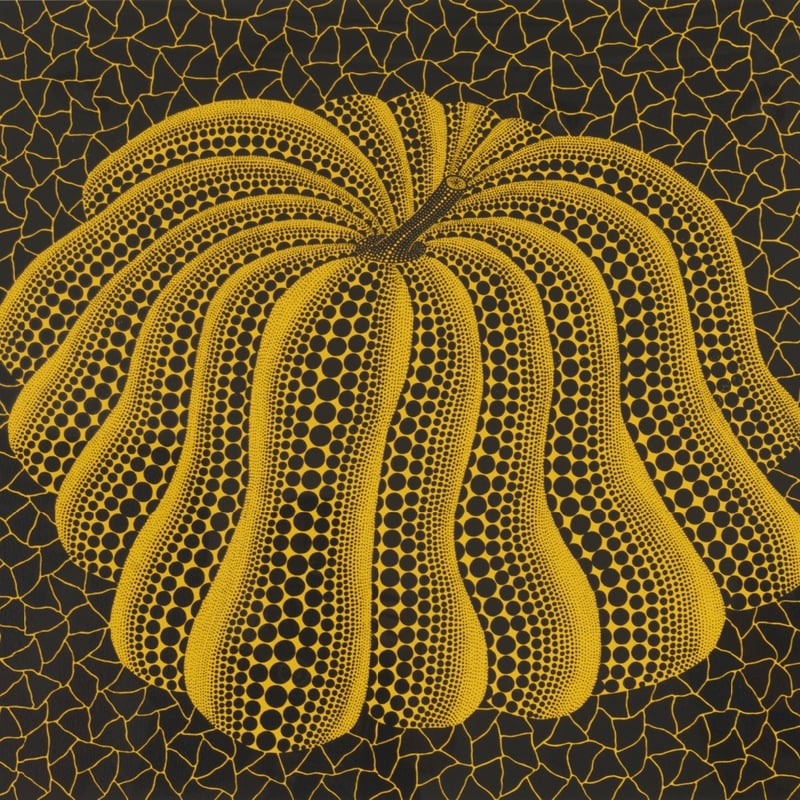
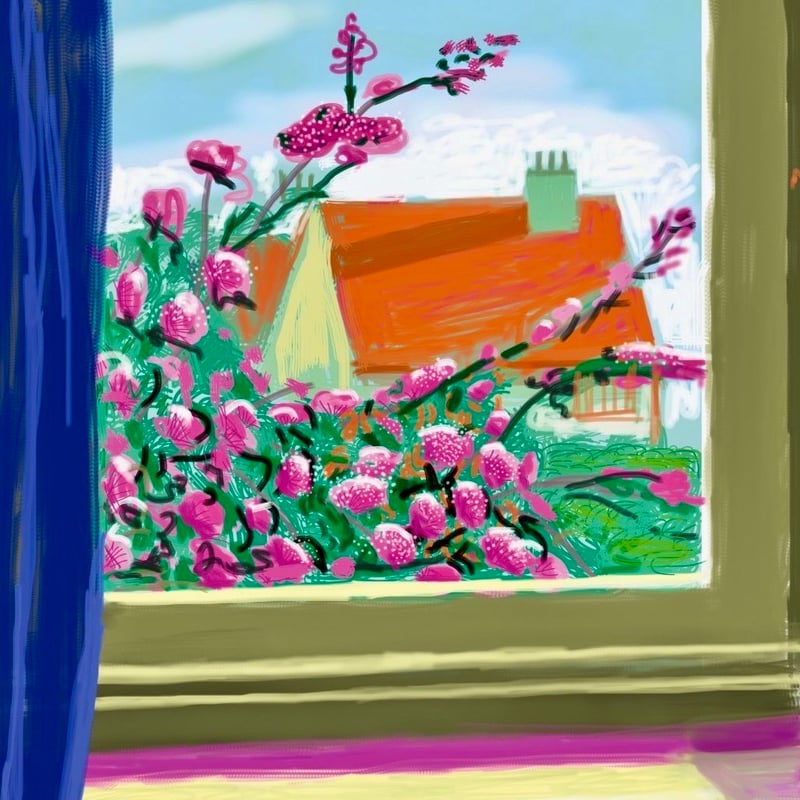
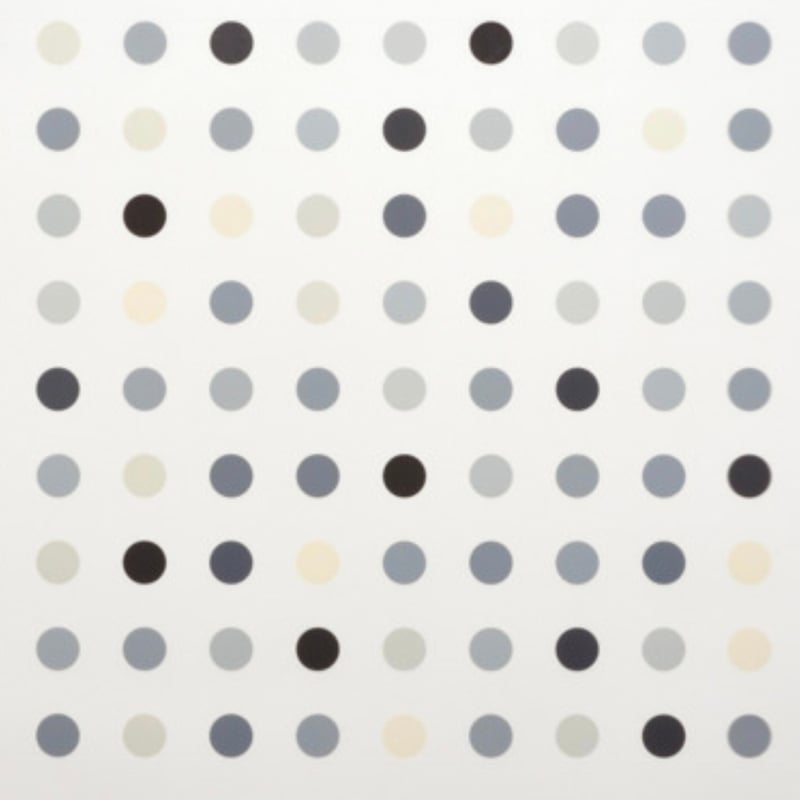
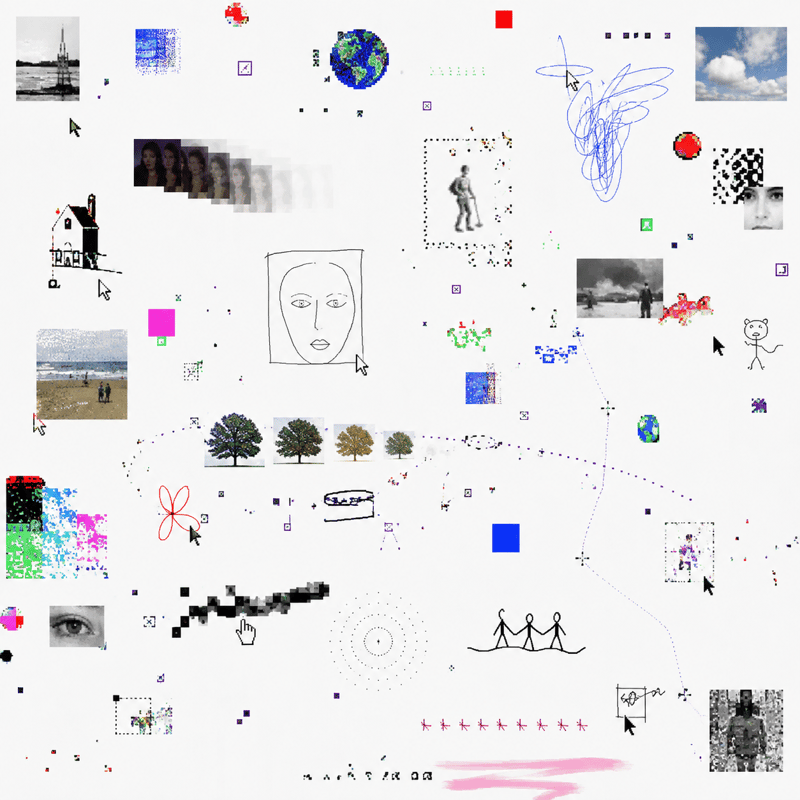
Net Art is art created on the internet, specifically for the internet. Artists who create it use computers to generate imagery, exhibit art online, or build programs that produce unique artworks. Since the 1990s, the movement has been considered subversive because it transcends geographic boundaries and defies traditional art norms, challenging conventional ideas of where and how art should be experienced.

Futurism was an early 20th-century art movement that sought to capture the energy and dynamism of the modern world. The movement was launched by Italian poet Filippo Tommaso Marinetti, who published the Manifesto of Futurism on February 20, 1909. Futurism denounced the past and passionately embraced technology, industry, and the speed of modern life.
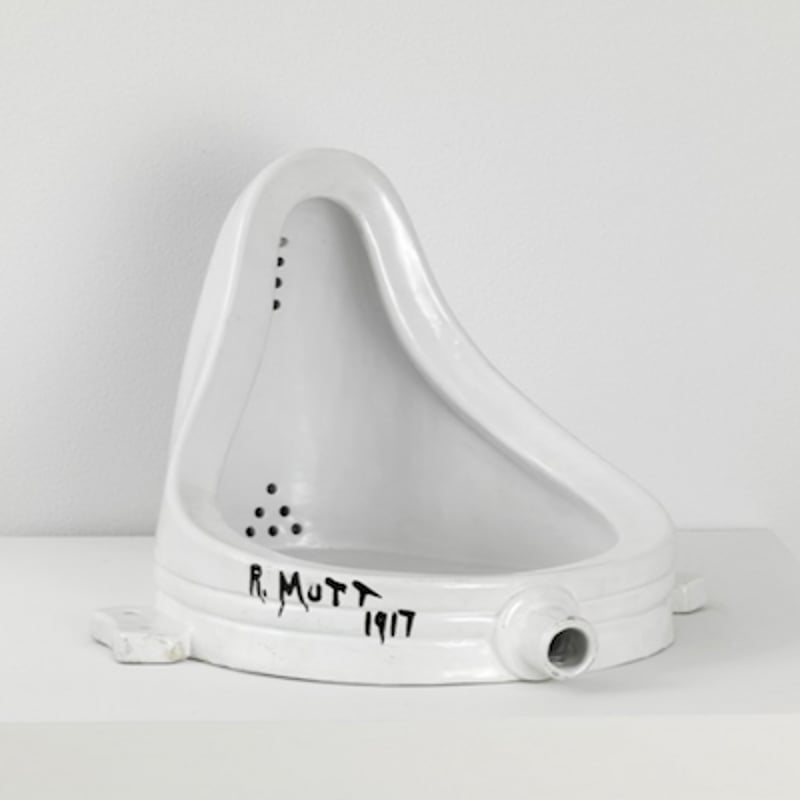
Anti-Art refers to artwork that challenges traditional definitions of art. The term is often attributed to artist Marcel Duchamp, who pioneered the use of readymades—everyday objects presented as art. These works defied conventional expectations that art should adhere to traditional or high art standards.
Can't find your Answer?
Thank you! Your question has been sent — we'll get back to you shortly.
