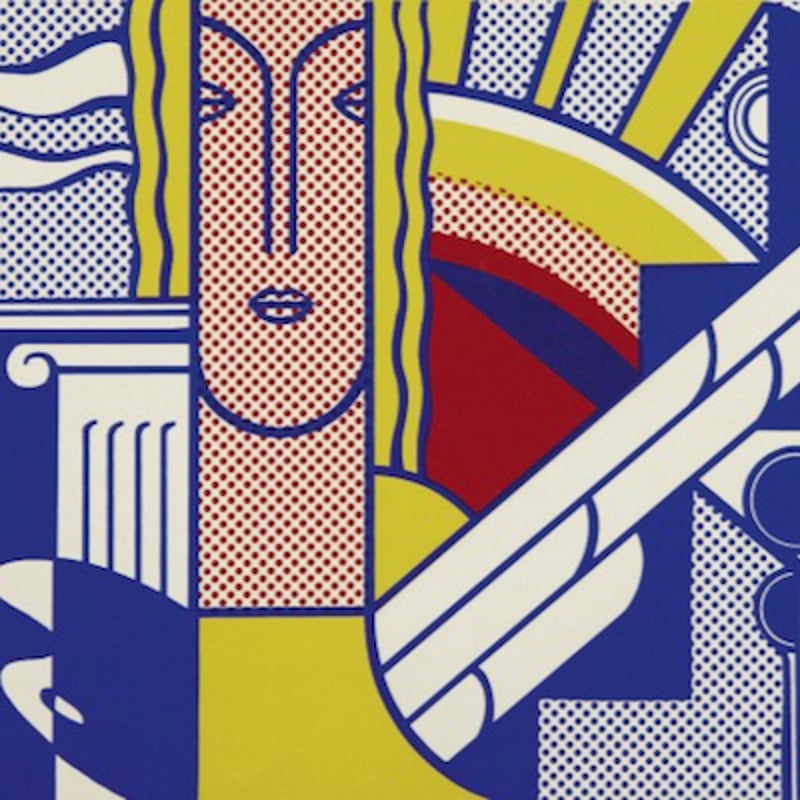
What is late modernism?
- Show All
- Established
- Discoveries
- Show All
Artworks Related to Late modernism
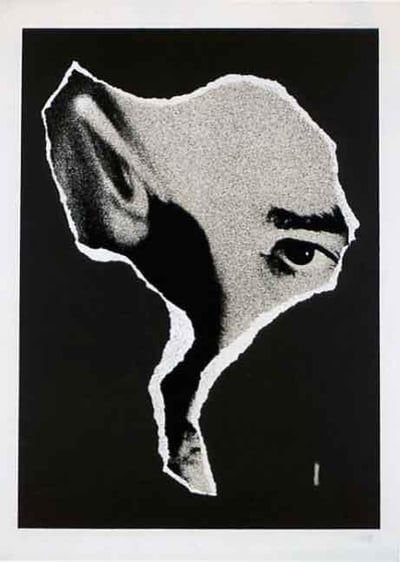
Antonio Saura
Moi, Planche 1, 1976
Limited Edition Print
Serigraph
EUR 1,880
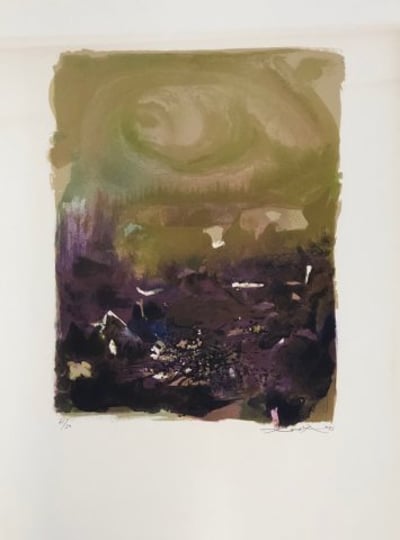
Zao Wou-Ki
Album internacional, 1973
Limited Edition Print
Lithograph
EUR 2,250
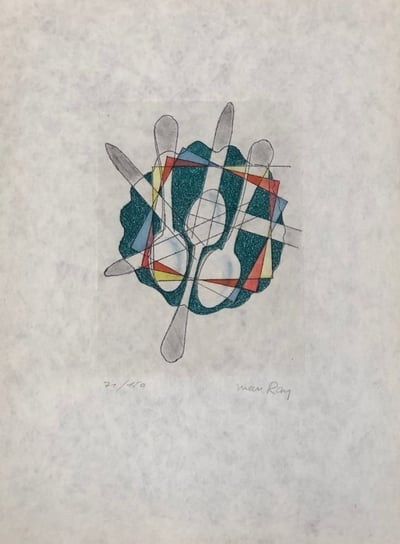
Man Ray
Seria Electro Magie II, 1969
Limited Edition Print
Etching and Aquatint
EUR 1,350
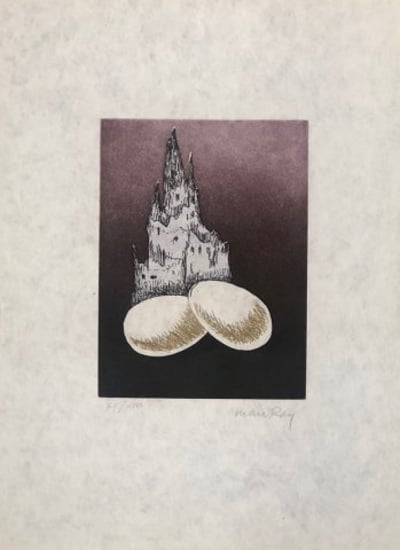
Man Ray
Seria Electro Magie I, 1969
Limited Edition Print
Etching and Aquatint
EUR 1,350
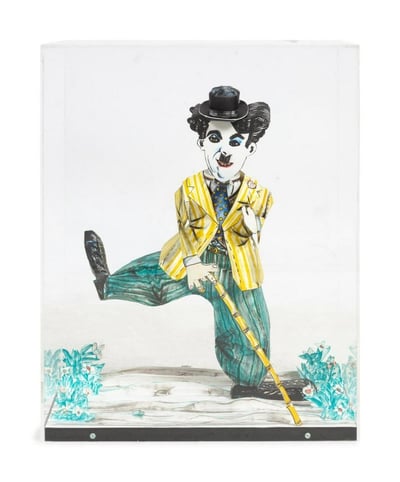
Red Grooms
Charlie Chaplin, 1986
Limited Edition Print
Lithograph
USD 6,350
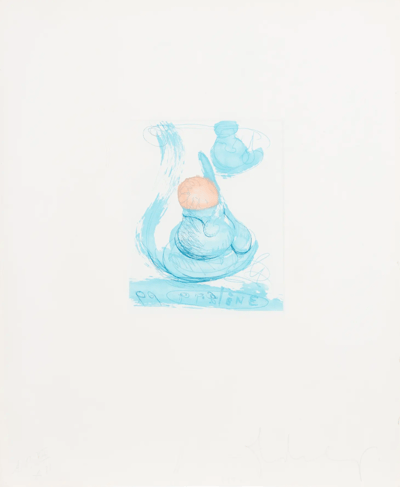
Claes Oldenburg
Ice cream desserts - Praline (A. & P. 162), 1976
Limited Edition Print
Etching and Aquatint
Inquire For Price
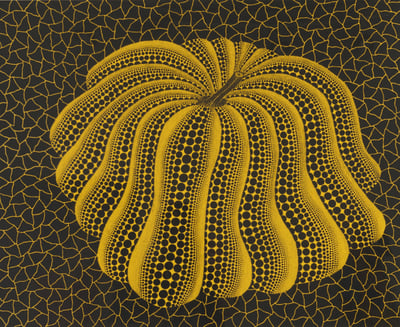
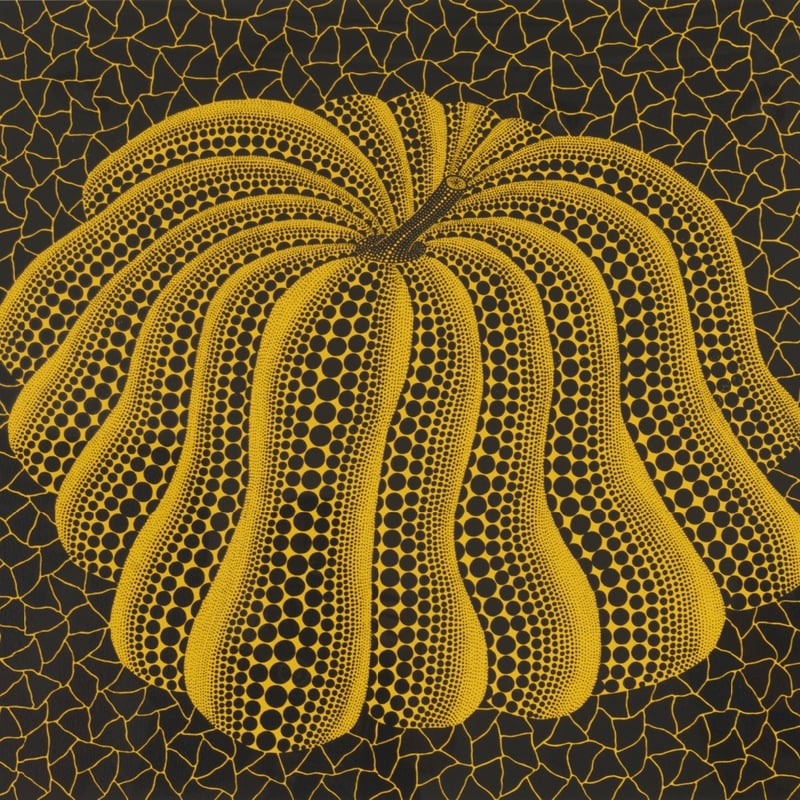
Yayoi Kusama
Pumpkin, 1993
Limited Edition Print
Screen-print
Currently Not Available
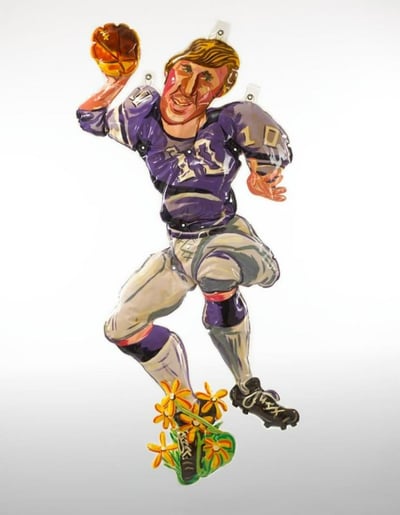
Red Grooms
Fran Tarkenton, 1979
Sculpture / Object
Mixed Media
Inquire For Price
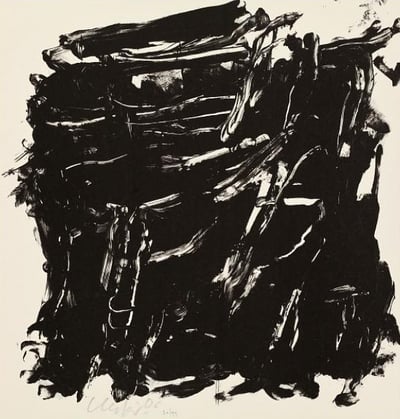
Gunther Uecker
Hiob Seite 16
Limited Edition Print
Silkscreen
EUR 1,800
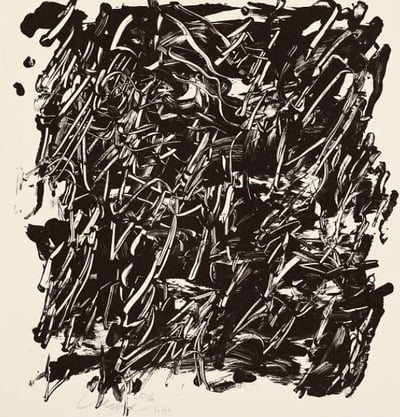
Gunther Uecker
Hiob Seite 25
Limited Edition Print
Silkscreen
Currently Not Available
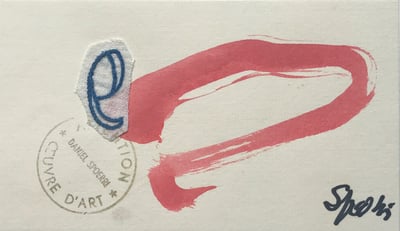
Daniel Spoerri
Collage 2 - E, 2017
Drawing / Watercolor
Collage
EUR 500

Jan Schoonhoven
Untitled M-IV, 1972
Limited Edition Print
Embossing
Currently Not Available
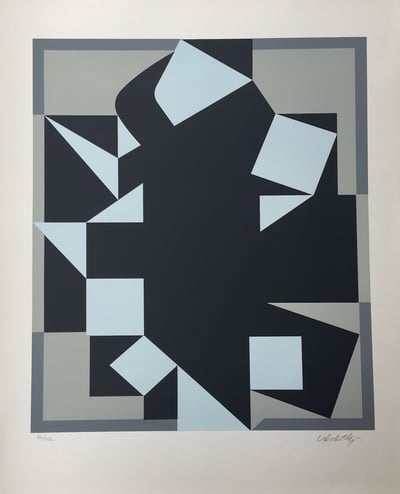
Victor Vasarely
Orgovan, 1984
Limited Edition Print
Screen-print
EUR 1,250
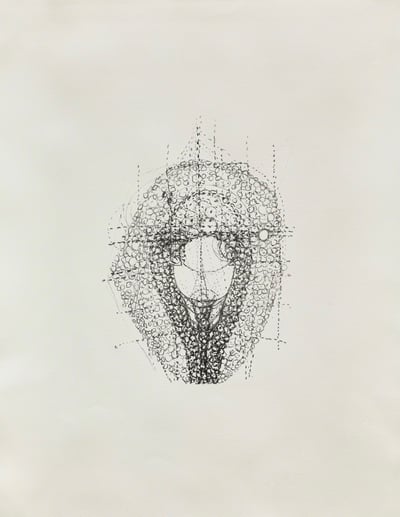
Marisa Merz
Untitled, 2018
Limited Edition Print
Lithograph
Currently Not Available
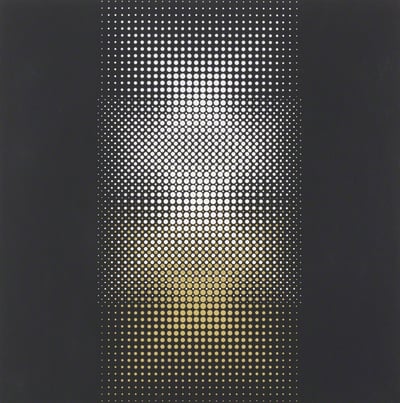
Almir Mavignier
Komposition VI, 1965
Limited Edition Print
Lithograph
Currently Not Available
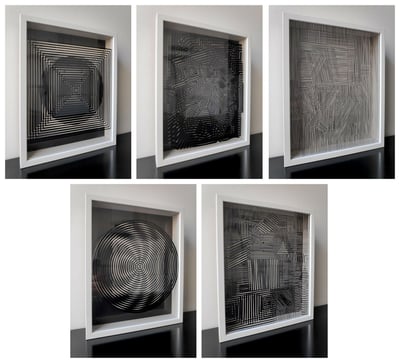
Victor Vasarely
Cinetiques portfolio, 1973
Limited Edition Print
Serigraph
EUR 1,300
Related Articles
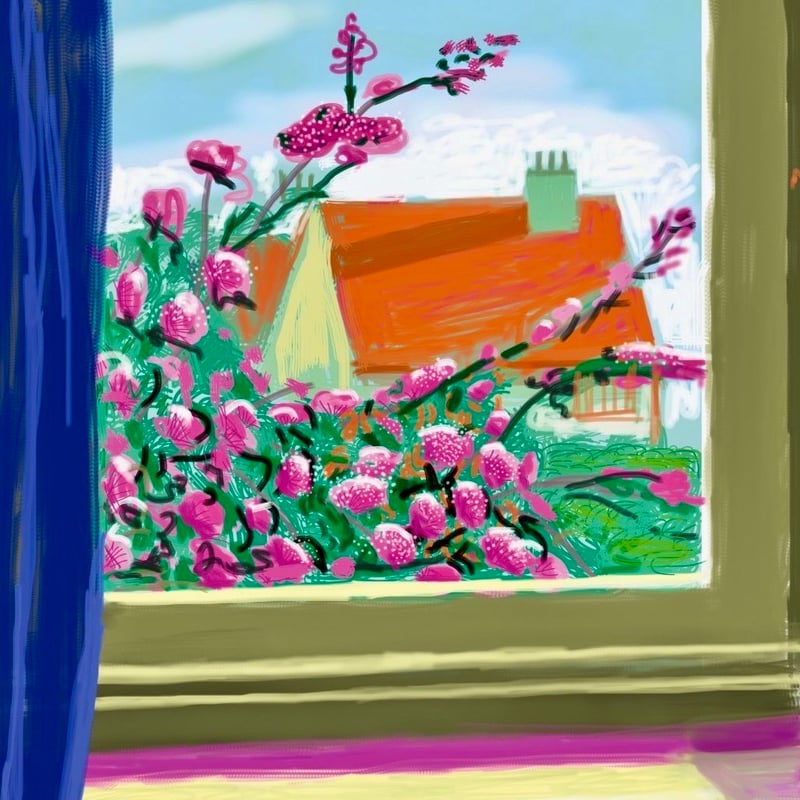


A curator is a professional responsible for managing and overseeing a collection of art pieces or artifacts. Employed by a gallery or museum, curators use their expertise to acquire, develop, display, and care for the collection. They also organize exhibitions and ensure that the collection is accessible to the public.

A Biennial is an art exhibition held every two years, typically on a large scale with international participants. The first and most famous example is the Venice Biennale, established in 1895 and held in the Giardini, a public park in Venice. Over time, the event has grown to include thirty permanent pavilions, each representing different countries. Biennials have become significant events in the contemporary art world, offering a platform for artists to showcase their work to a global audience.
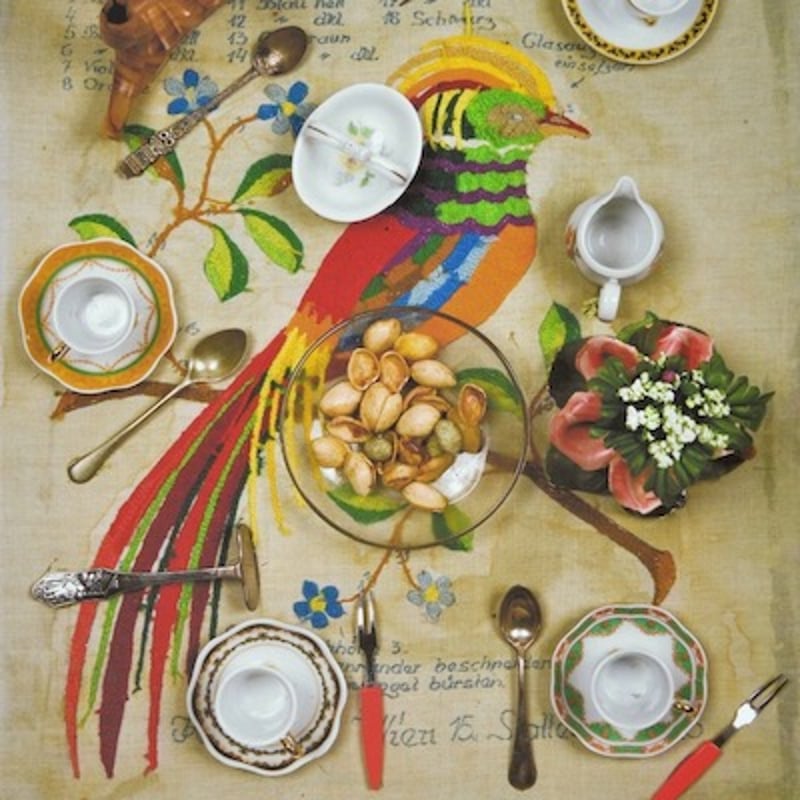
EAT (Experiments in Art and Technology) was a movement formed to foster collaborations between engineers and artists. It facilitated direct, person-to-person connections between these two groups. The movement was originally launched in 1967 by artists Robert Whitman and Robert Rauschenberg, along with engineers Fred Waldhauer and Billy Klüver. EAT carried out various projects and activities that expanded the role of artists in contemporary society, encouraging the integration of art and technology.
Can't find your Answer?
Thank you! Your question has been sent — we'll get back to you shortly.
