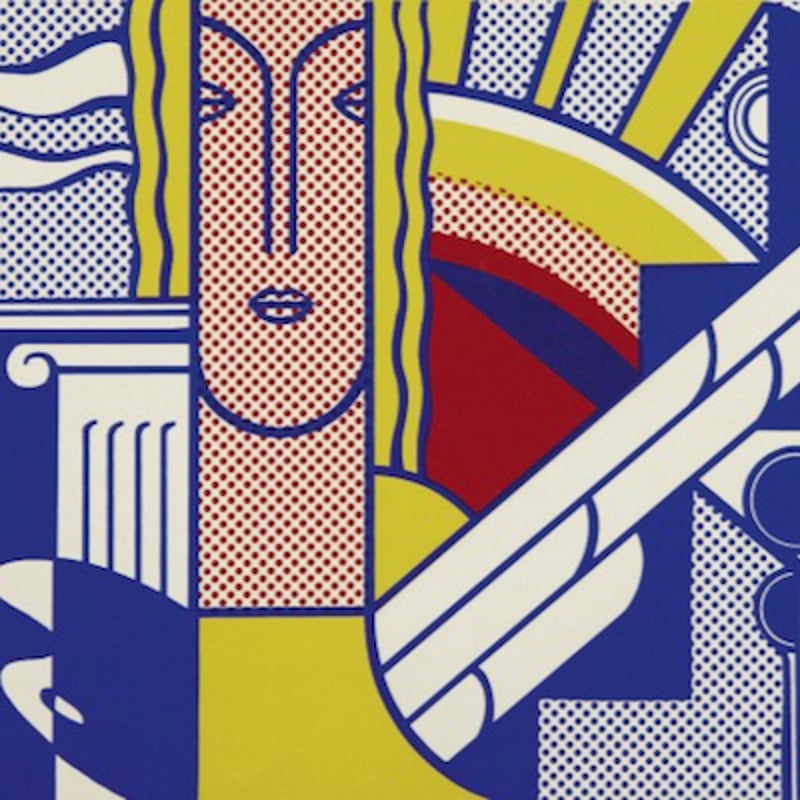
What is late modernism?
- Show All
- Established
- Discoveries
- Show All
Artworks Related to Late modernism
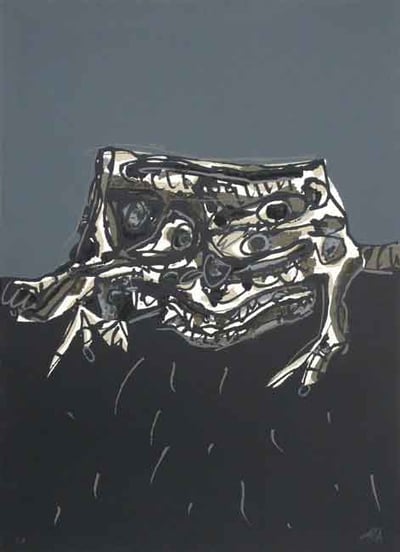
Antonio Saura
El Perro De Goya I, 1972
Limited Edition Print
Serigraph
EUR 1,875
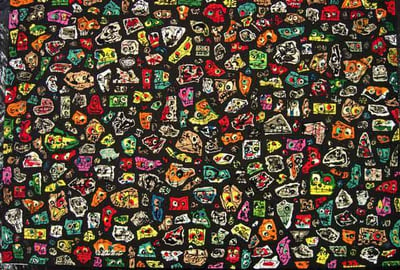
Antonio Saura
Rompecabezas, 1984
Limited Edition Print
Mixed Media
EUR 3,125
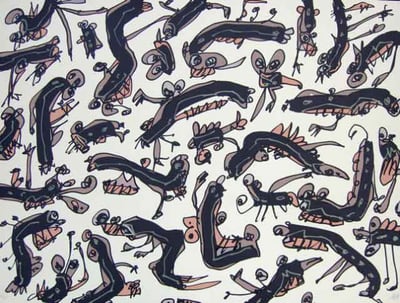
Antonio Saura
L'Envie, 1994
Limited Edition Print
Mixed Media
EUR 1,150
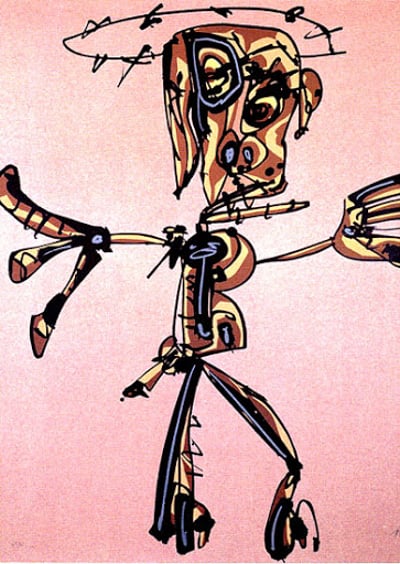
Antonio Saura
1. Crucifixion, 1991
Limited Edition Print
Mixed Media
EUR 1,875
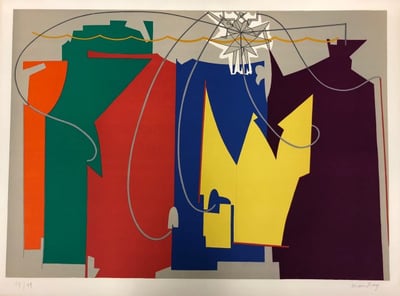
Man Ray
Danza Di Corda, 1972
Limited Edition Print
Lithograph
EUR 3,750
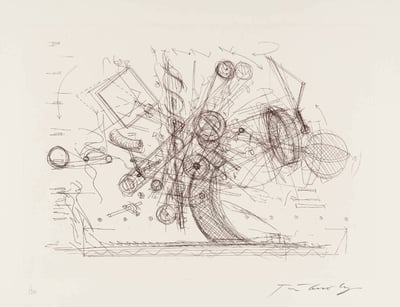
Jean Tinguely
Chaos I, 1973
Limited Edition Print
Etching
Currently Not Available
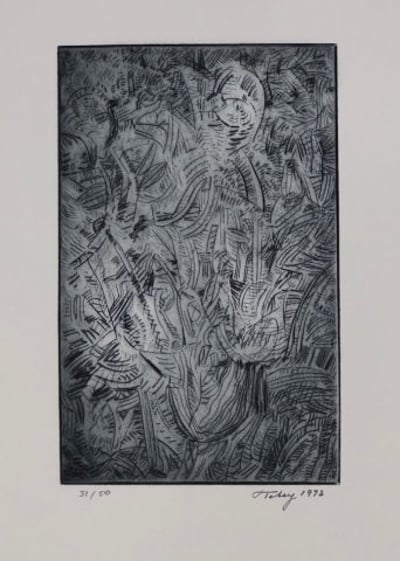
Mark Tobey
Album internacional, 1973
Limited Edition Print
Etching
EUR 850
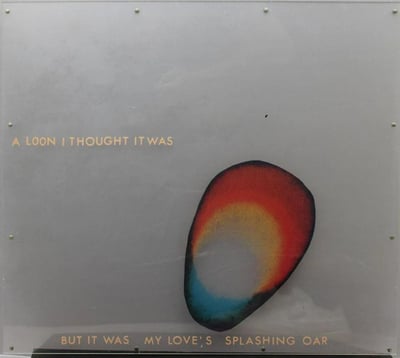
Robert Rauschenberg
Opal Gospel Panel III, 1971
Limited Edition Print
Screen-print
USD 2,400
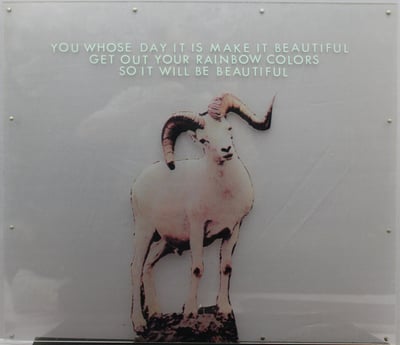
Robert Rauschenberg
Opal Gospel Panel I, 1971
Limited Edition Print
Screen-print
USD 1,850
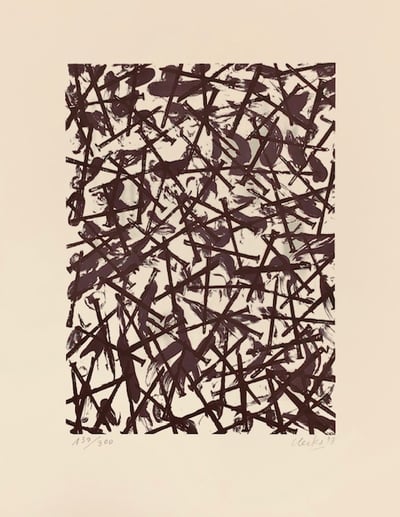
Gunther Uecker
Verletzungen-Verbindungen, 1998
Limited Edition Print
Screen-print
EUR 1,980
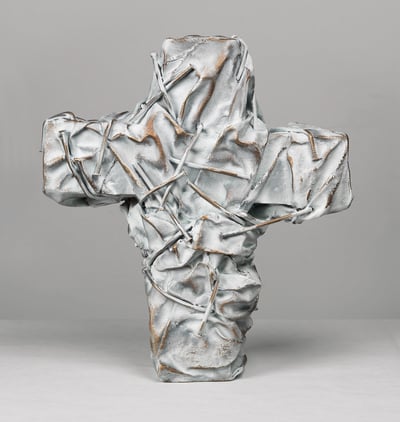
Gunther Uecker
Helles Nagelkreuz, 2017
Sculpture / Object
Bronze
EUR 49,500
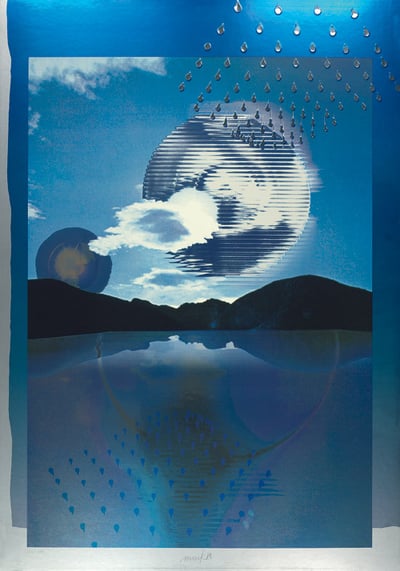
Heinz Mack
Kunst im Jahr 2000, 1986
Limited Edition Print
Screen-print
Currently Not Available
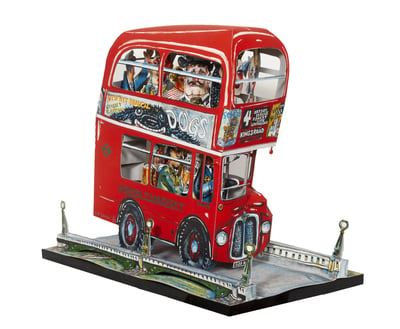
Red Grooms
London Bus, 1983
Sculpture / Object
Lithograph
Currently Not Available
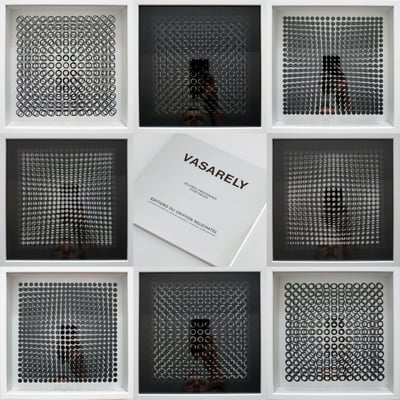
Victor Vasarely
Oeuvres Profondes Cinetiques
Limited Edition Print
Serigraph
EUR 1,500
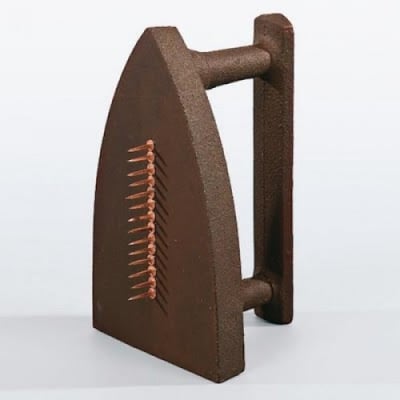
Man Ray
Cadeau, 1921
Sculpture / Object
Mixed Media
USD 1,950
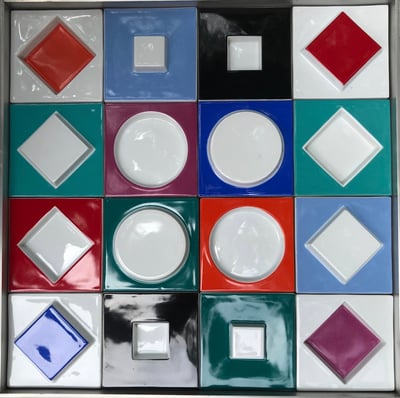
Victor Vasarely
Composition Caree Relief, 1970
Sculpture / Object
Ceramic
EUR 4,850
Related Articles
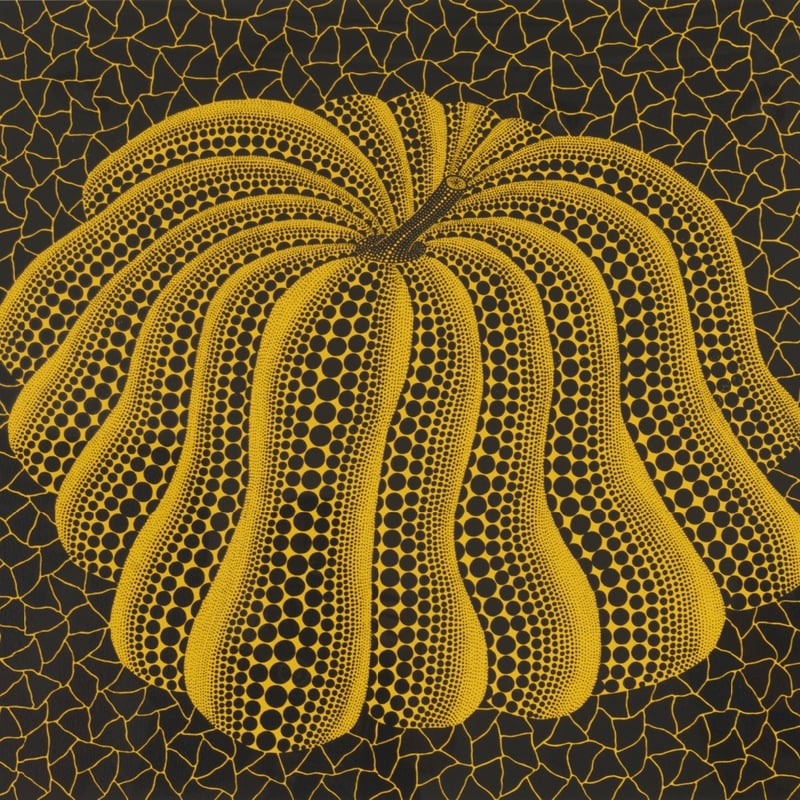
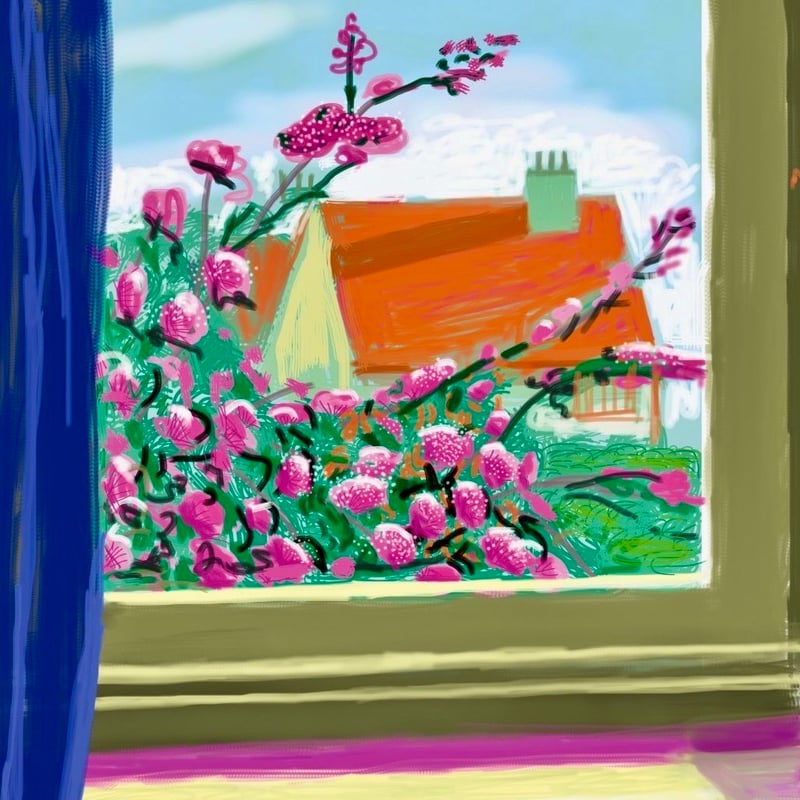
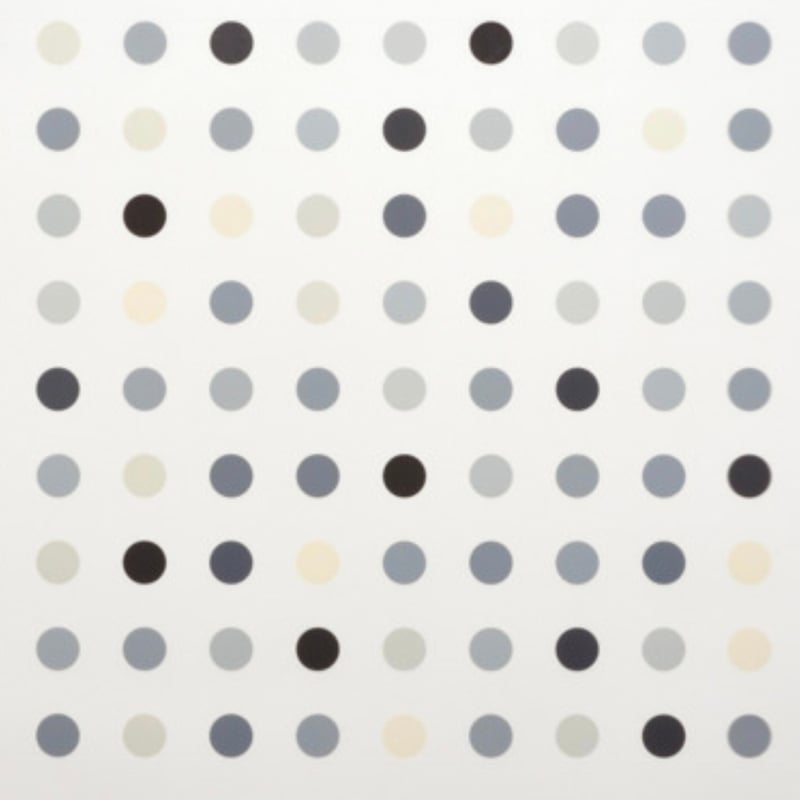

Tempera is a paint traditionally made by mixing colored pigments with egg yolk. It dries quickly and is highly durable, with some examples dating back to 100 AD still in existence. Modern tempera paint often uses glue size as a binder instead of egg yolk. Tempera is known for its bright colors and fine, detailed application, making it popular for panel paintings and icons.

A Catalogue Raisonné is an annotated and comprehensive listing of all the known works of an artist. It includes detailed information that helps to identify and authenticate the artist's output across all media or within a specific medium. Typical details in a catalogue raisonné include the title, dimensions, date, medium, and current location of each work. This resource is essential for scholars, collectors, and art historians in tracking and verifying the complete body of work by an artist.
Body art involves creating art directly on or with the human body. Common forms include body piercings and tattoos, but it also encompasses practices like branding, scarification, scalping, body painting, full-body tattoos, body shaping, and sub-dermal implants. Body art can also refer to a subcategory of performance art where the artist's body is central to the artwork.
Can't find your Answer?
Thank you! Your question has been sent — we'll get back to you shortly.
