Etching
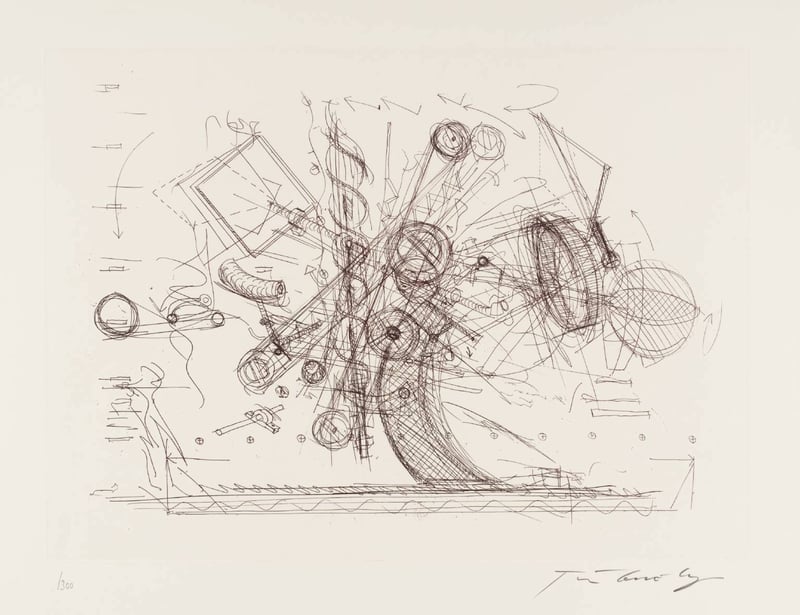
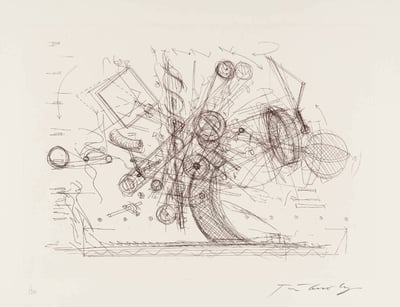
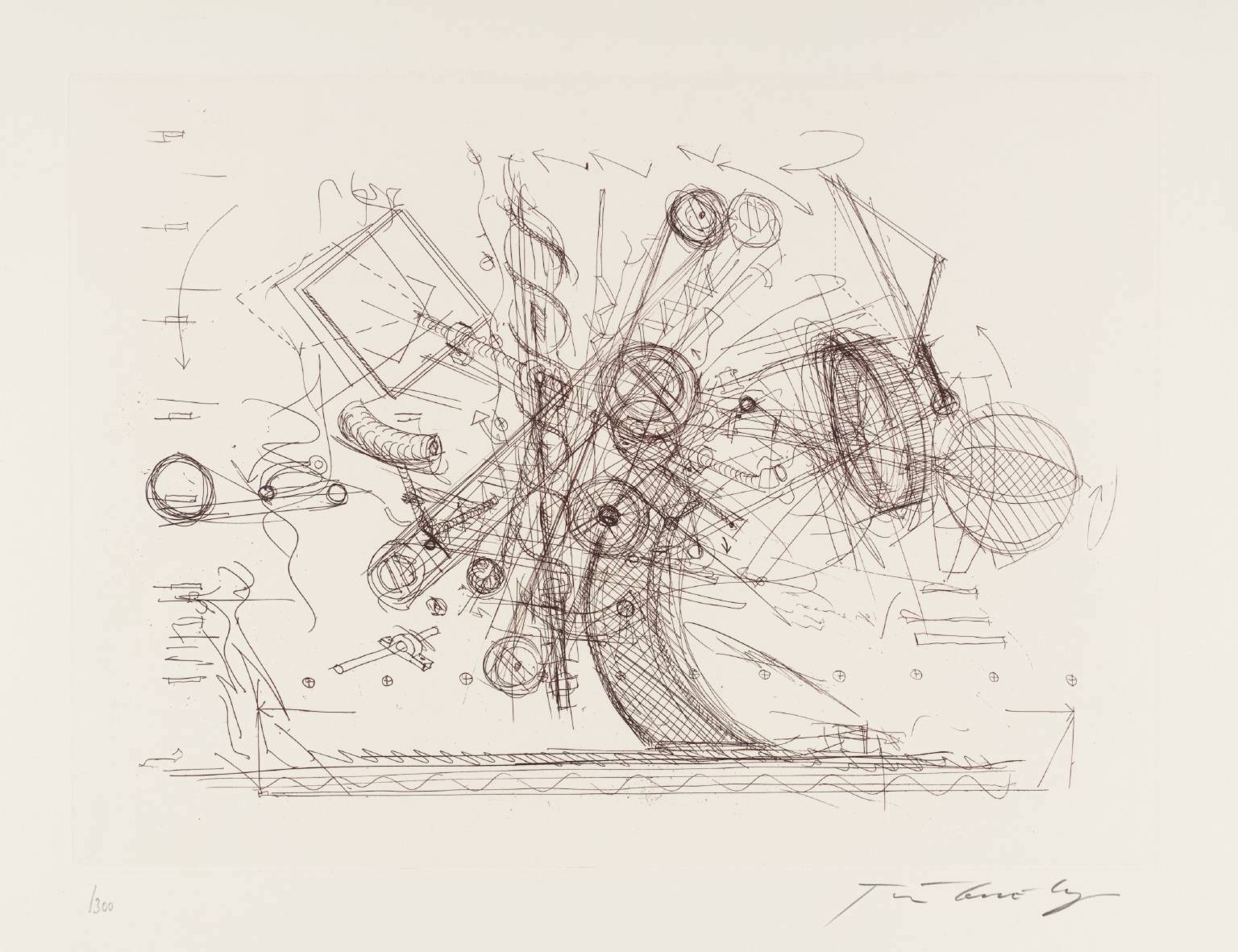
Chaos I by Jean Tinguely, created in 1973, is an intricate etching that captures the essence of controlled disorder, characteristic of Tinguely’s fascination with mechanical and kinetic art. The artwork is a dynamic explosion of intersecting lines, circular shapes, and geometric forms that appear to be in perpetual motion. Tinguely uses fine, sketch-like lines to convey a sense of mechanical complexity, as if parts of a machine are disassembled and suspended in space. The composition draws the viewer's eye through its chaotic energy, symbolizing the artist’s commentary on industrialization, technology, and the unpredictable nature of mechanical systems.
Artwork Copyright © Jean TinguelyJean Tinguely (Switzerland, 1925–1991) was a Swiss sculptor renowned for his kinetic art, creating mechanical sculptures that often satirized automation and the overproduction of material goods. His notable works include 'Homage to New York' (1960), a self-destructing sculpture exhibited at the Museum of Modern Art in New York.
Artwork Copyright © Jean TinguelyChaos I, 1973
Form
Medium
Size
- Inches
- Centimeters
Edition
Price
Available works →
- Authenticity Guaranteed
- Insured Shipping
- Online Since 2005
●
●Inventory 8736
●Signed
●Comes with gallery invoice and certificate
●Sell Us a Similar Artwork. Learn more.
Etching
Chaos I by Jean Tinguely, created in 1973, is an intricate etching that captures the essence of controlled disorder, characteristic of Tinguely’s fascination with mechanical and kinetic art. The artwork is a dynamic explosion of intersecting lines, circular shapes, and geometric forms that appear to be in perpetual motion. Tinguely uses fine, sketch-like lines to convey a sense of mechanical complexity, as if parts of a machine are disassembled and suspended in space. The composition draws the viewer's eye through its chaotic energy, symbolizing the artist’s commentary on industrialization, technology, and the unpredictable nature of mechanical systems.
Artwork Copyright © Jean TinguelyJean Tinguely (Switzerland, 1925–1991) was a Swiss sculptor renowned for his kinetic art, creating mechanical sculptures that often satirized automation and the overproduction of material goods. His notable works include 'Homage to New York' (1960), a self-destructing sculpture exhibited at the Museum of Modern Art in New York.
Artwork Copyright © Jean TinguelyAvailability
Size
Form
Medium
SORT BY
Jean Tinguely
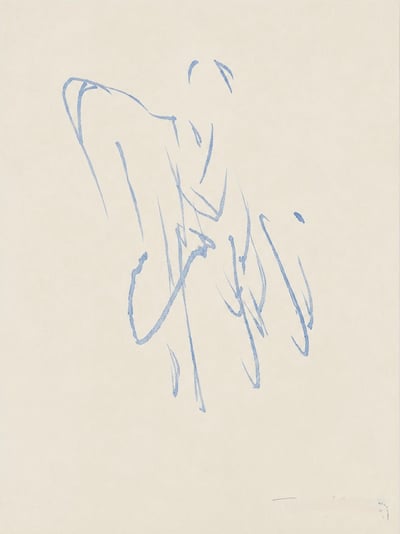
Meta – Matic N9, 1960
Drawing / Watercolor
Pen and ink
EUR 500
Jean Tinguely
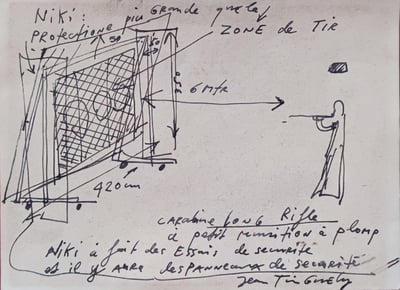
Shooting paintings, 1970
Drawing / Watercolor
Ink
EUR 4,000
Jean Tinguely
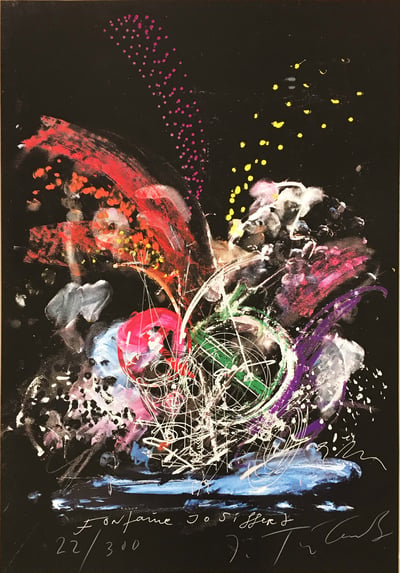
Fontaine Joe Syffert from Eight by Eight, 1984
Limited Edition Print
Screen-print
USD 1,300
Jean Tinguely
Chaos I, 1973
Limited Edition Print
Etching
Currently Not Available
Jean Tinguely
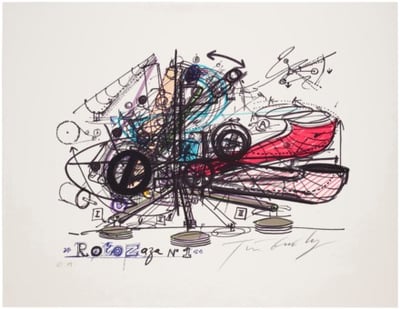
Roto Zaza No. 1, 1975
Limited Edition Print
Screen-print
Currently Not Available
Related Artists

Related Articles
Popular, Collecting - May 6, 2026
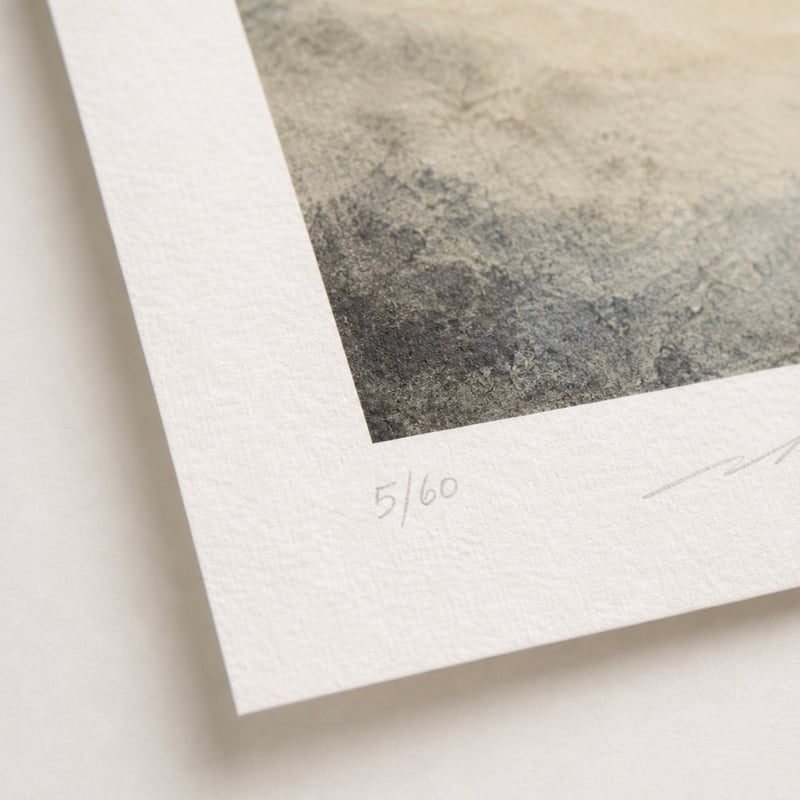
Edition Numbers and Print Value: What Really Matters
Edition size—not number—drives print value. Learn how scarcity, condition, provenance, and artist demand shape prices in modern printmaking.Read More

Artwork by Marcel Duchamp
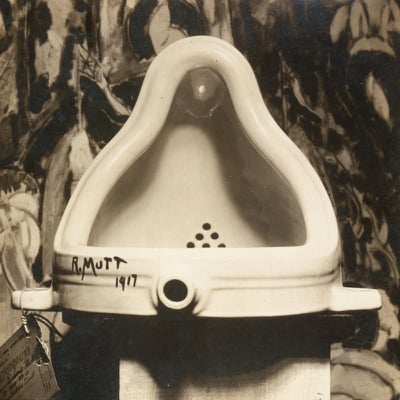
What is Found Object?
A found object is a term used to describe a man-made or natural object, or a fragment of one, that an artist discovers or purchases and keeps for inspiration or as a work of art. The artist may also modify the object or incorporate it into a collage or assemblage, transforming it into a new piece of art.

Jean Tinguely
Chaos I, 1973
48 x 66 cm


