What is late modernism?
- Show All
- Established
- Discoveries
- Show All
Artworks Related to Late modernism

Helena Vieira da Silva
Grottes, 1971
Limited Edition Print
Lithograph
Currently Not Available

Ellsworth Kelly
Tournes , 1973-76
Limited Edition Print
Lithograph
USD 15,000 - 19,000

Ellsworth Kelly
Germigny , 1973-76
Limited Edition Print
Lithograph
USD 15,000 - 19,000
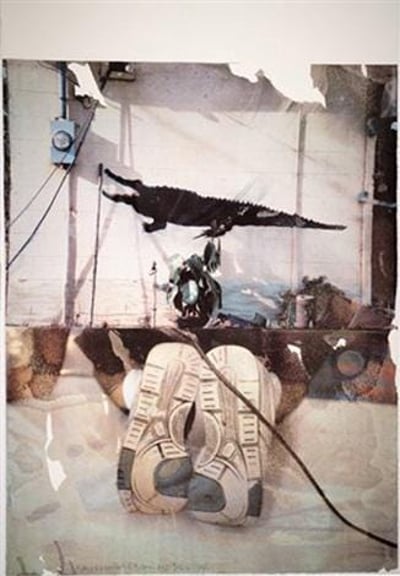
Robert Rauschenberg
Tribute 21 (Environment), 1994
Limited Edition Print
Lithograph
Inquire For Price

Howard Hodgkin
Cardo's Bar (black), 1979
Limited Edition Print
Mixed Media
EUR 1,450
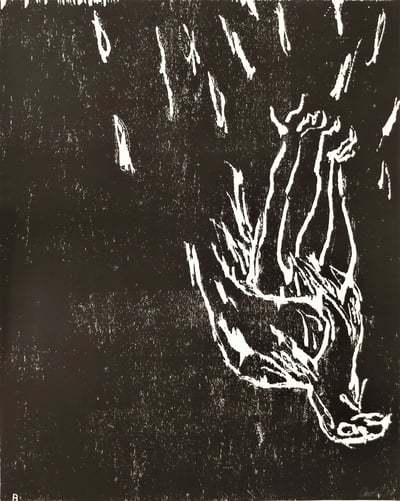
Georg Baselitz
Adler (Eagle) 1, 1981
Limited Edition Print
Woodcut
Inquire For Price
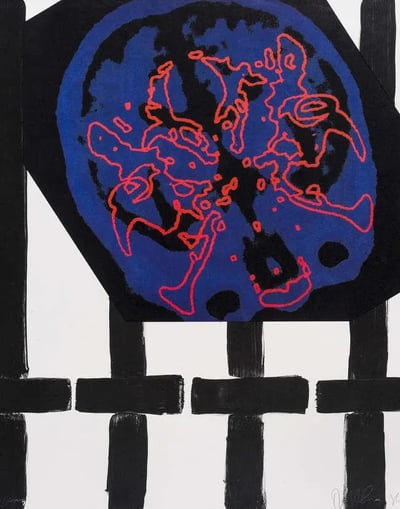
Robert Longo
Untitled (for Joseph Beuys), 1986
Limited Edition Print
Lithograph
USD 2,500
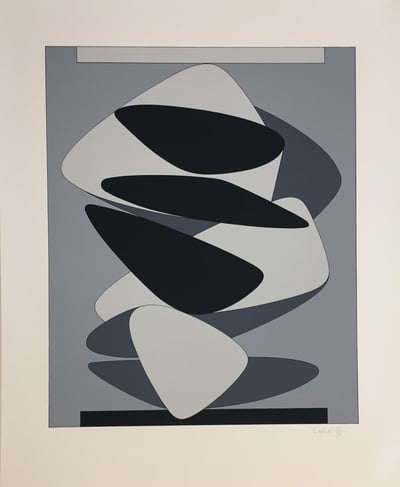
Victor Vasarely
Kervilahuen-BL, 1985
Limited Edition Print
Serigraph
EUR 1,300
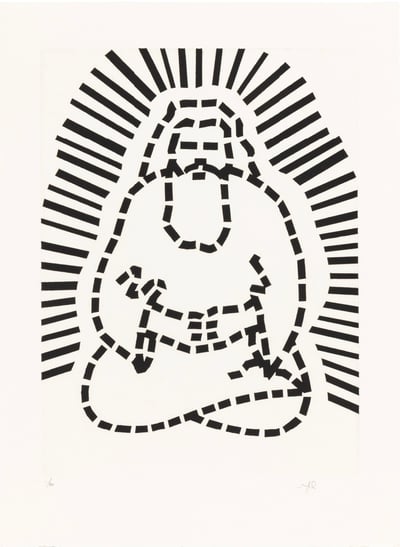
Roy Lichtenstein
Passage Du Nord-ouest, 1992
Limited Edition Print
Etching and Aquatint
USD 10,400

Robert Longo
Jules, 1982-83
Limited Edition Print
Lithograph
Currently Not Available
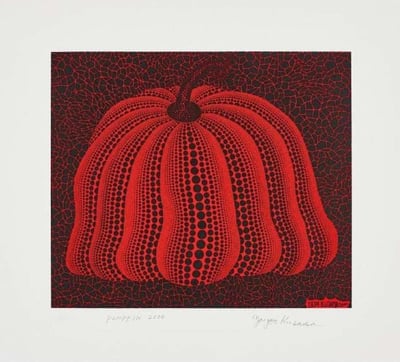
Yayoi Kusama
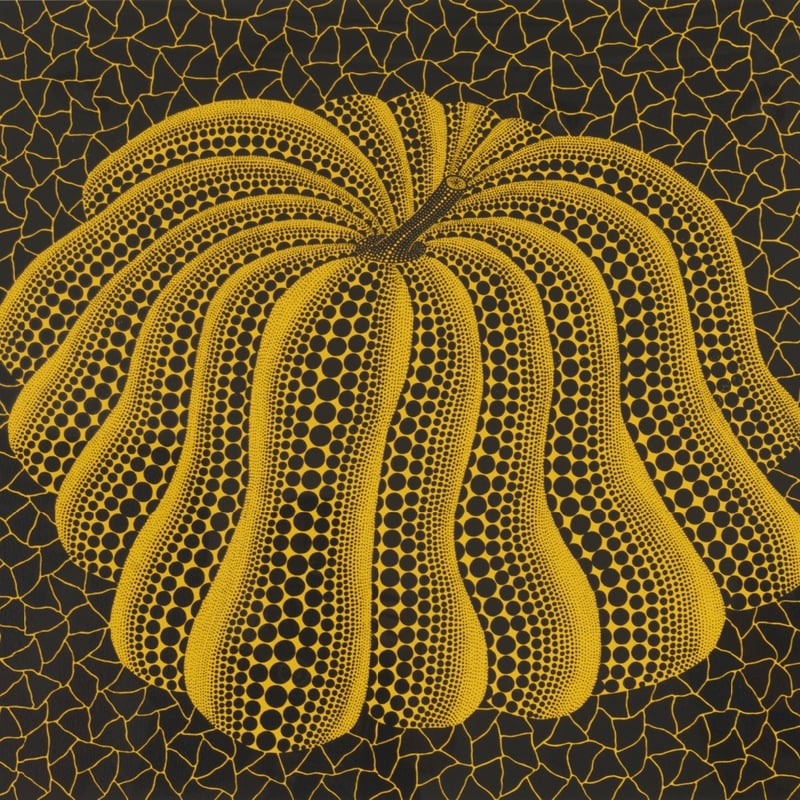
Pumpkin 2000 (Red), 2000
Limited Edition Print
Screen-print
Currently Not Available
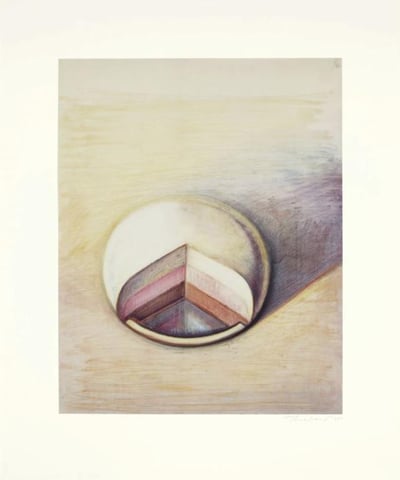
Thiebaud Wayne
Neapolitan Pie, 1990
Limited Edition Print
Lithograph
GBP 25,000 - 30,000
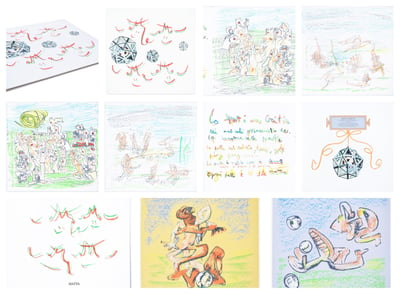
Roberto Matta
Music Foot (portfolio), 1990
Limited Edition Print
Lithograph
EUR 2,750
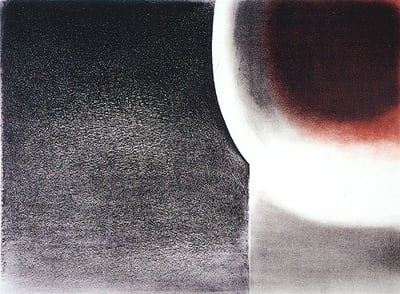
Rupprecht Geiger
Gegen die Folter
Limited Edition Print
Lithograph
Currently Not Available
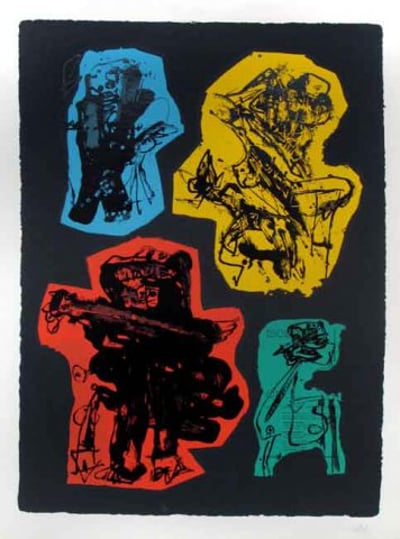
Antonio Saura
Tu Cabello Es Amarillo, 1962
Limited Edition Print
Serigraph
EUR 2,250
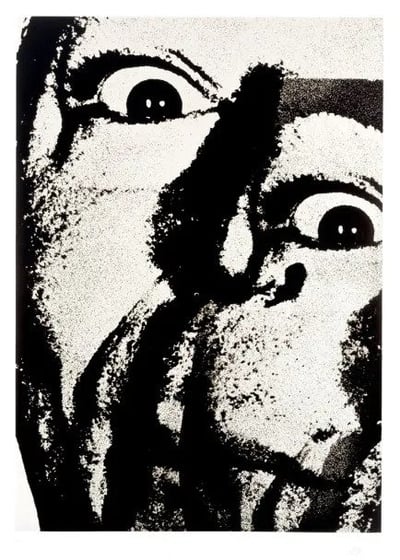
Antonio Saura
7, Moi, Planche 7, 1976
Limited Edition Print
Serigraph
EUR 1,875
Related Articles

Magnum Photos is a photographic cooperative founded in 1947 by four photographers: Robert Capa, Henri Cartier-Bresson, George Rodger, and David Chim Seymour. Based in New York, the organization was created to give photographers the freedom to document the human condition with compassion and integrity. Magnum Photos has an extensive historical image library, capturing world events and offering a unique perspective on global history.

The term medium in art refers both to the type of art being created and the materials used to make the artwork. For example, painting, printmaking, and sculpture are types of art that are referred to as mediums. The materials used in these mediums include oils, acrylics, inks, and clay.
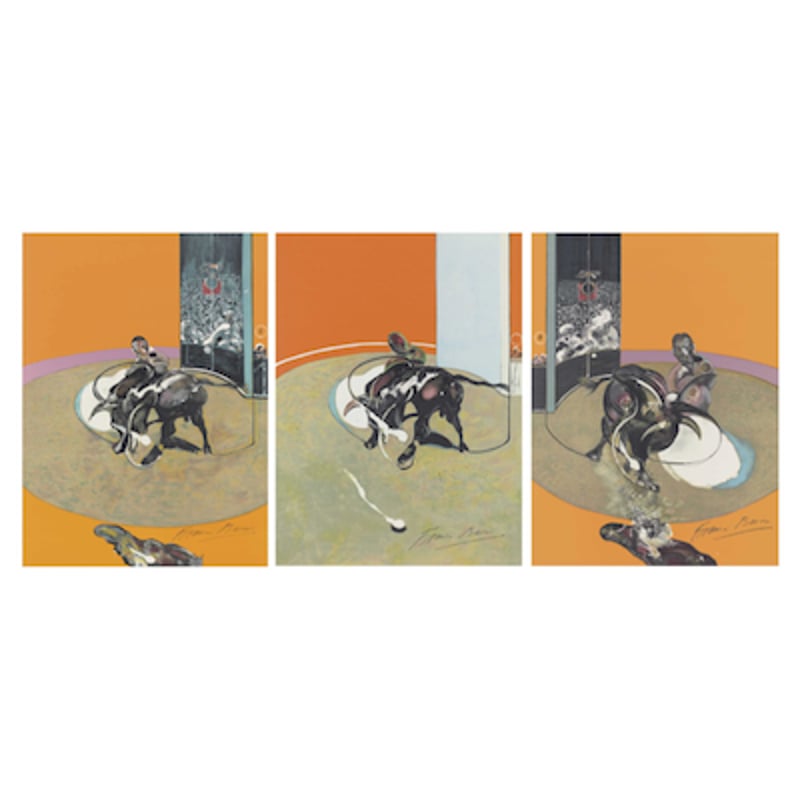
A triptych is an artwork divided into three sections or panels, often hinged together, allowing it to be displayed open or folded shut. It is a type of polyptych, a term for multi-panel artworks. Typically, the central panel is the largest, flanked by two smaller panels, although some triptychs have panels of equal size. Triptychs have been historically significant in religious art but are also used in contemporary works.
Can't find your Answer?
Thank you! Your question has been sent — we'll get back to you shortly.
