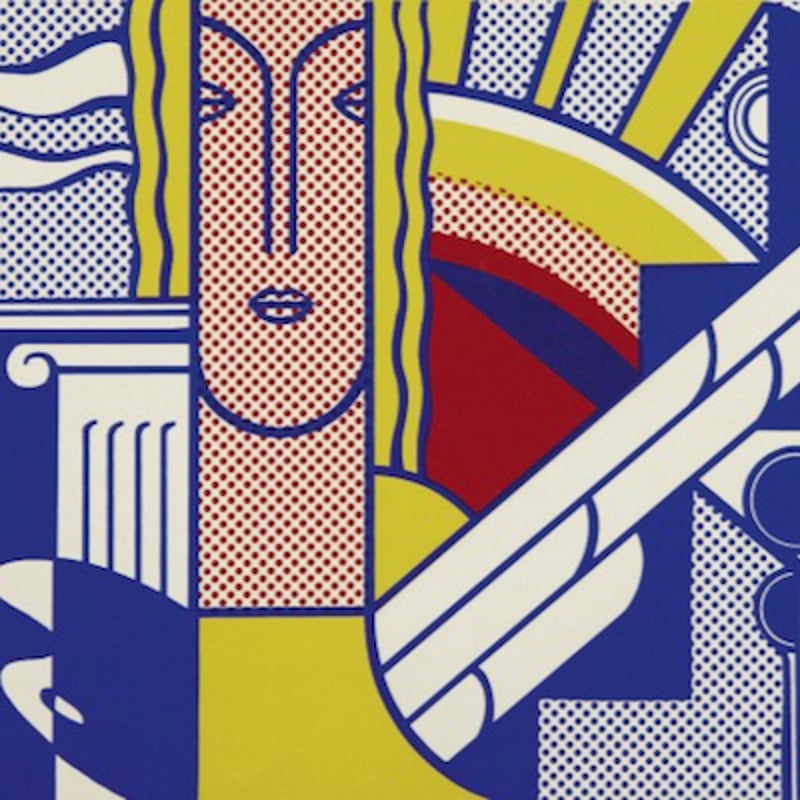
What is late modernism?
- Show All
- Established
- Discoveries
- Show All
Artworks Related to Late modernism
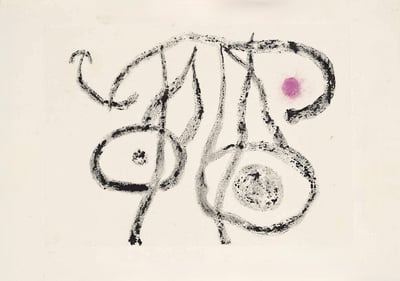
Joan Miró
El Aguador I, 1962
Limited Edition Print
Aquatint
EUR 5,000
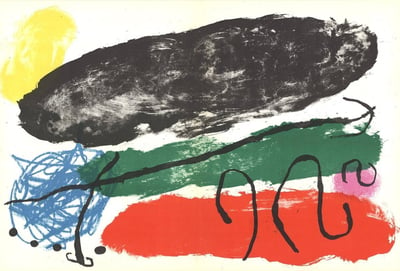
Joan Miró
Derrière Le Miroir, Nº 119., 1960
Limited Edition Print
Lithograph
EUR 5,000
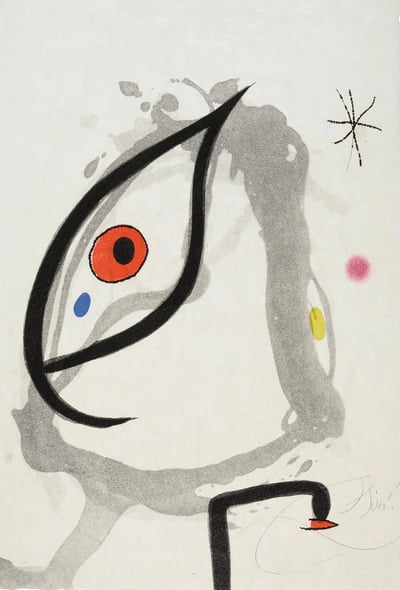
Joan Miró
Passage De L'Egyptienne 4, 1985
Limited Edition Print
Etching and Aquatint
EUR 7,200
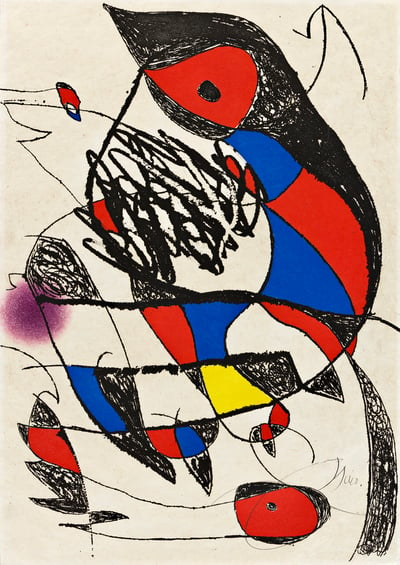
Joan Miró
Passage De L'Egyptienne 12, 1985
Limited Edition Print
Etching
EUR 7,200
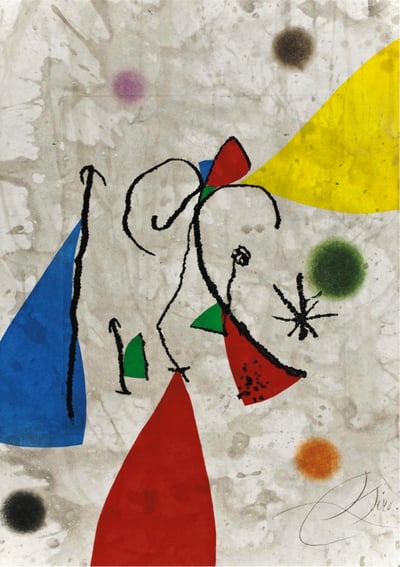
Joan Miró
Passage De L'Egyptienne, 10, 1985
Limited Edition Print
Etching and Aquatint
Currently Not Available

Alexander Calder
Alphabet Et Serpent, 1968
Limited Edition Print
Lithograph
USD 6,250
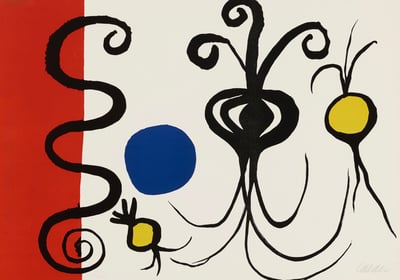
Alexander Calder
Trois Oignons, 1965
Limited Edition Print
Lithograph
USD 6,250
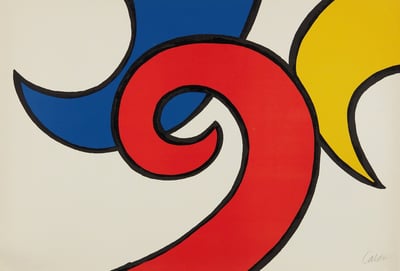
Alexander Calder
Les Vagues #21 (The Waves), 1971
Limited Edition Print
Lithograph
USD 7,500

Alexander Calder
Le Lettres, 1969
Limited Edition Print
Lithograph
USD 7,500
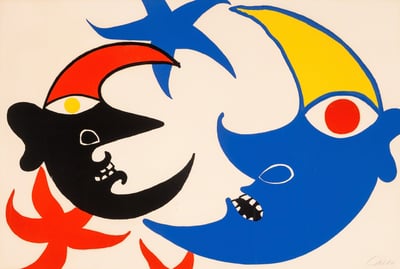
Alexander Calder
Les Deux Lues, 1974
Limited Edition Print
Lithograph
USD 7,500
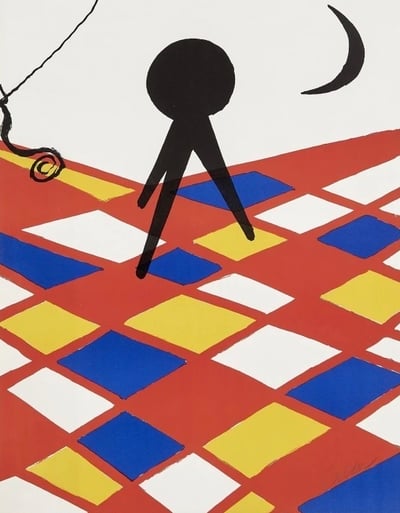
Alexander Calder
Tabouret Et Trois Pieds, 1969
Limited Edition Print
Lithograph
USD 6,250
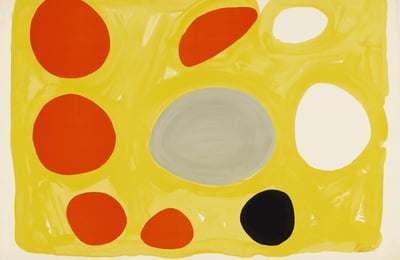
Alexander Calder
Grey Oval (Flat Mobile), 1974/1975
Limited Edition Print
Lithograph
USD 7,300

Claes Oldenburg
Rolling Collar and Tie, 1991
Limited Edition Print
Lithograph
USD 1,550
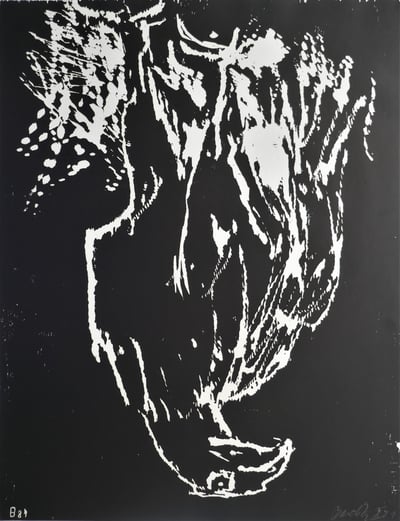
Georg Baselitz
Adler (Eagle) 2, 1981
Limited Edition Print
Woodcut
Currently Not Available
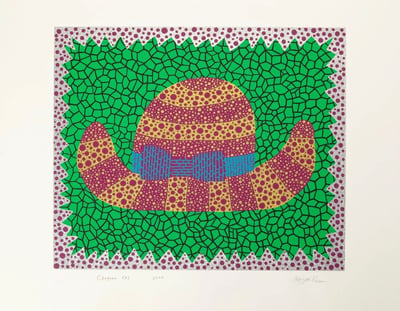
Yayoi Kusama
Chapeau (II), 2000
Limited Edition Print
Screen-print
GBP 28,000 - 40,000
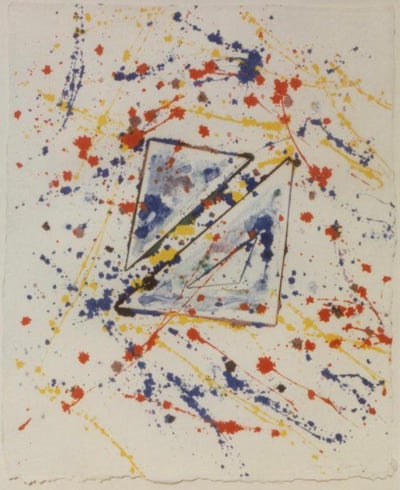
Sam Francis
In, On and Of paper, #1, 1977
Drawing / Watercolor
Mixed Media
USD 32,000 - 36,000
Related Articles


Art Intervention refers to art created with the intention of interacting with an existing situation, structure, artwork, audience, or institution. This form of art gained popularity in the 1960s as artists sought to provoke change within political and social contexts. The concept of Artist-in-Residence programs was influenced by the ideas and practices of this movement.
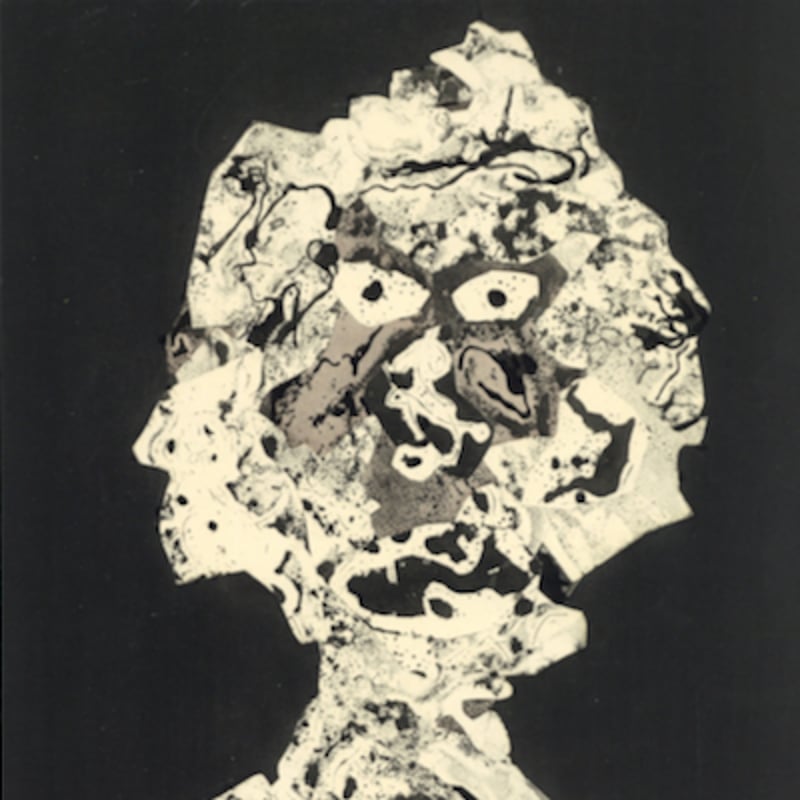
Art Brut, a French term meaning Raw Art, was coined by Jean Dubuffet to describe art created outside the conventional fine arts tradition. Dubuffet used the term to refer to works made by self-taught artists, including the mentally ill, prisoners, and others on the margins of society. He also called it Outsider Art. This art is characterized by its raw, unrefined nature, often created without concern for traditional presentation or imitation.
Attribute can function as both a noun and a verb. As a noun, it refers to an object, symbol, or animal commonly associated with a specific person, often used in art to identify figures, such as a lion with St. Mark. As a verb, it means to assign a work of art to a particular artist, usually based on stylistic analysis or other evidence, such as attributing a painting to an artist based on its technique and composition.
Can't find your Answer?
Thank you! Your question has been sent — we'll get back to you shortly.
