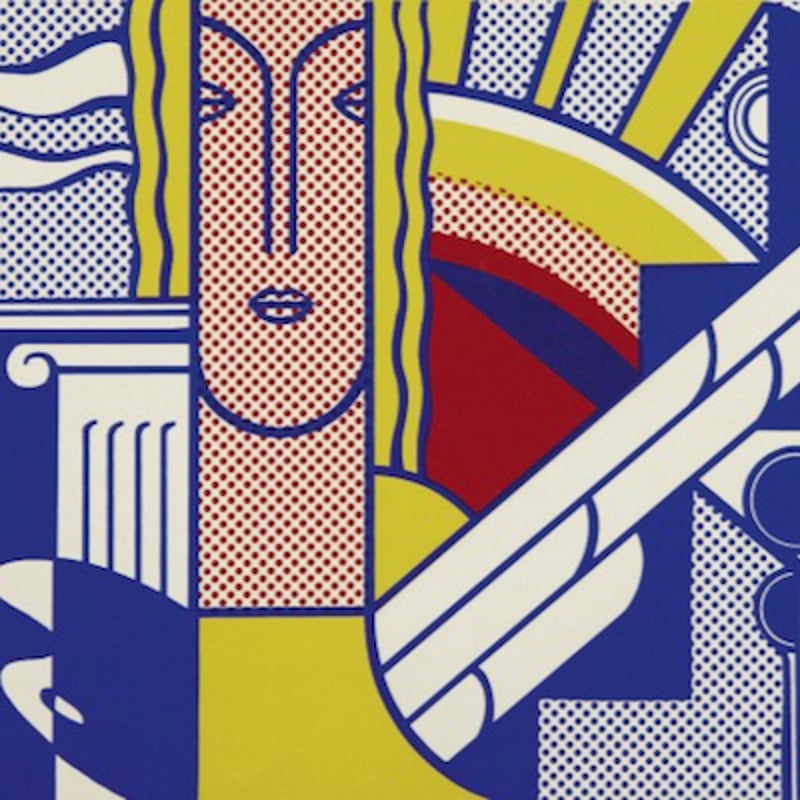
What is late modernism?
- Show All
- Established
- Discoveries
- Show All
Artworks Related to Late modernism
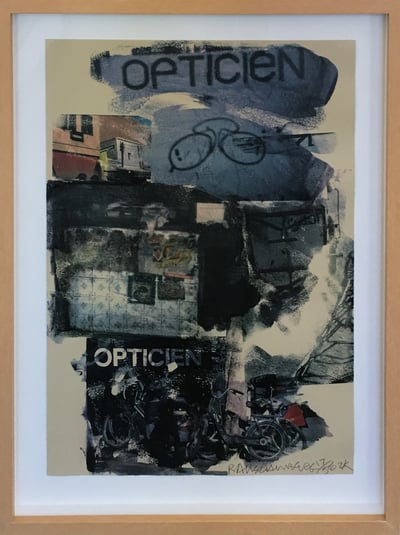
Robert Rauschenberg
Site, 2000
Limited Edition Print
Lithograph
USD 6,750
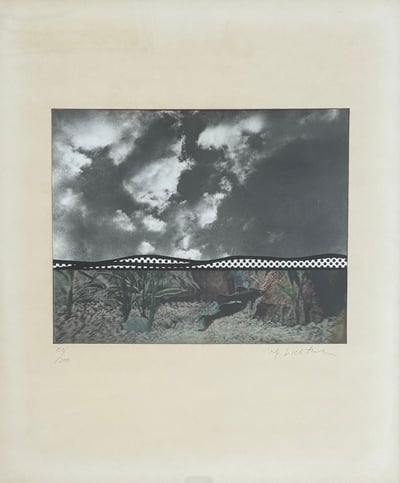
Roy Lichtenstein
Fish and Sky, 1967
Limited Edition Print
Mixed Media
EUR 10,200
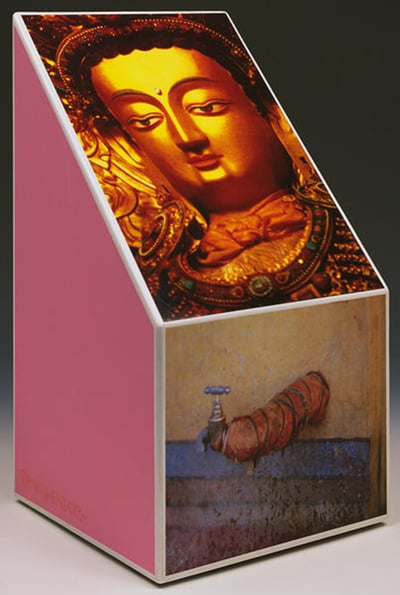
Robert Rauschenberg
Tibetan Keys (Bevel), 1987
Sculpture / Object
Mixed Media
USD 14,250
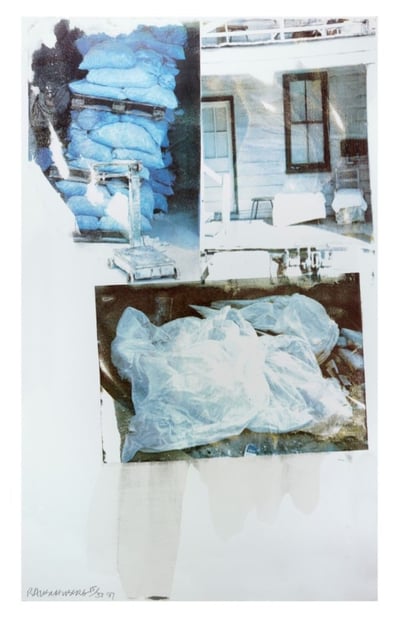
Robert Rauschenberg
Daydream (Speculations), 1997
Limited Edition Print
Screen-print
USD 12,950
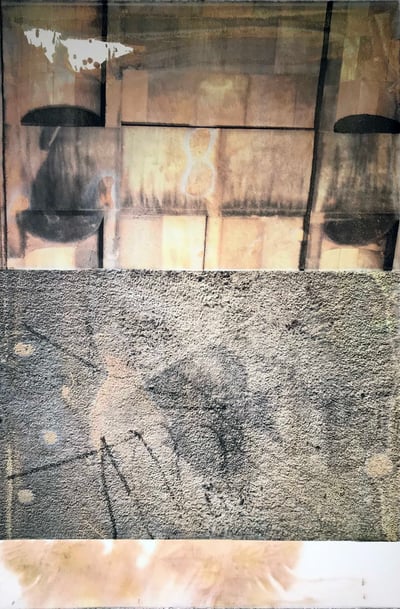
Robert Rauschenberg
Tribute 21: Education, 1994
Limited Edition Print
Lithograph
USD 4,950
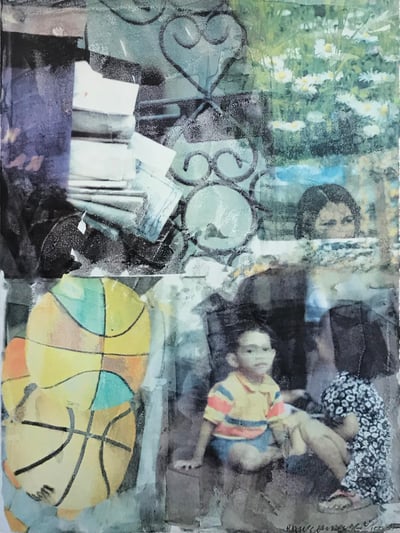
Robert Rauschenberg
Untitled (Doctor's of the world), 1997
Limited Edition Print
Lithograph
USD 6,750

Robert Longo
Men in the Cities, Tokyo, Seibu Department Stores, Ltd. I (3 Men), 1990
Limited Edition Print
Lithograph
USD 23,500
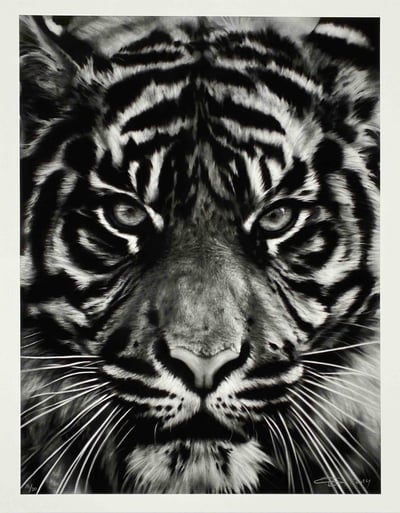
Robert Longo
Untitled (Tiger II), 2014
Limited Edition Print
Pigment print
USD 40,000 - 50,000
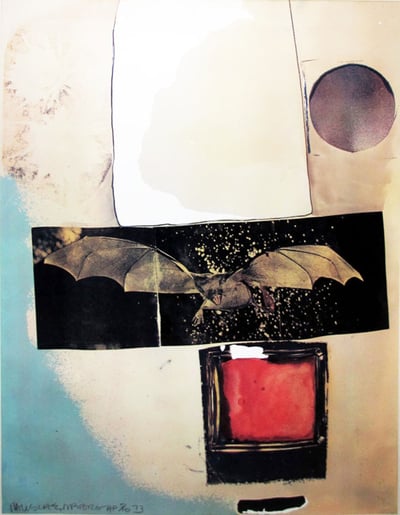
Robert Rauschenberg
Rays, 1973
Limited Edition Print
Lithograph
USD 9,950
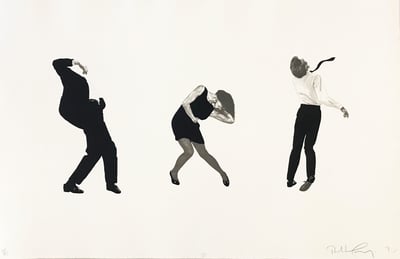
Robert Longo
Men in the Cities, Tokyo, Seibu Department Stores, Ltd. III (Mixed), 1990
Limited Edition Print
Lithograph
USD 23,500
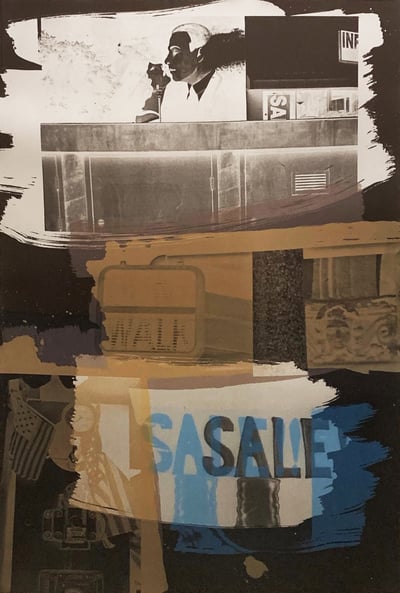
Robert Rauschenberg
Fence, 1992
Limited Edition Print
Lithograph
USD 9,250

Roy Lichtenstein
Inaugural Print from the Inaugural Impressions portfolio, 1977
Limited Edition Print
Screen-print
USD 25,000 - 35,000
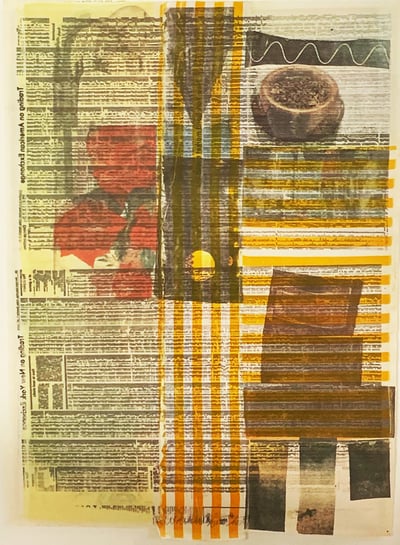
Robert Rauschenberg
One More & We Will Be More Than Halfway There, 1979
Limited Edition Print
Screen-print
USD 4,350
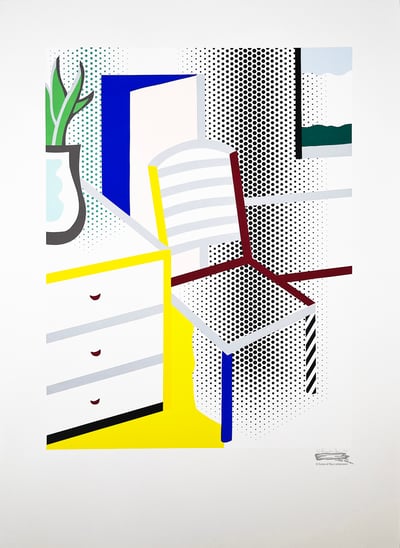
Roy Lichtenstein
Interior with Chair from the Leo Castelli 90th Birthday portfolio, 1997
Limited Edition Print
Screen-print
USD 30,000 - 40,000
Robert Longo
Private Listing
Drawing / Watercolor
Roy Lichtenstein
Private Listing
Limited Edition Print
Related Articles
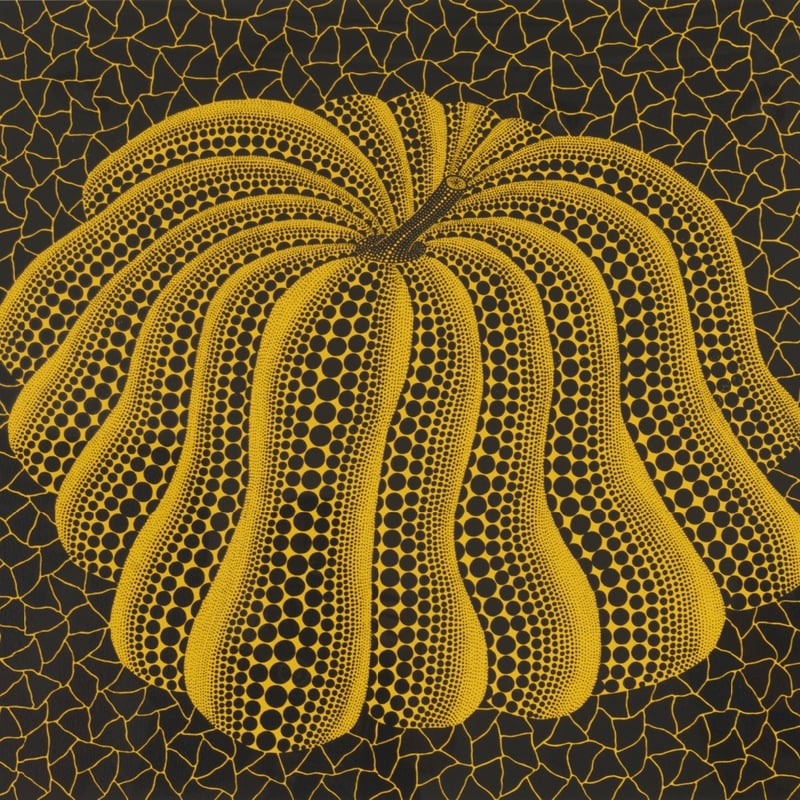

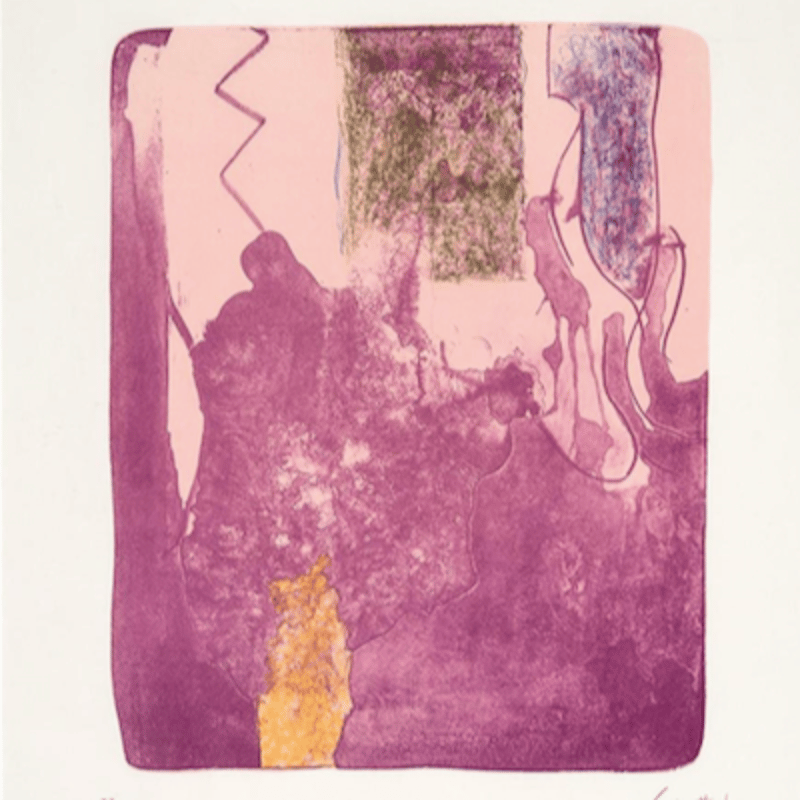
Lyrical abstraction is a descriptive term characterizing a type of abstract painting closely related to Abstract Expressionism, in use from the 1940s to the present. The term can also describe two distinct but related trends in post-World War II modernist painting. This art movement originated in Paris, France, after the war, emphasizing personal expression, spontaneity, and the emotional use of color and form.

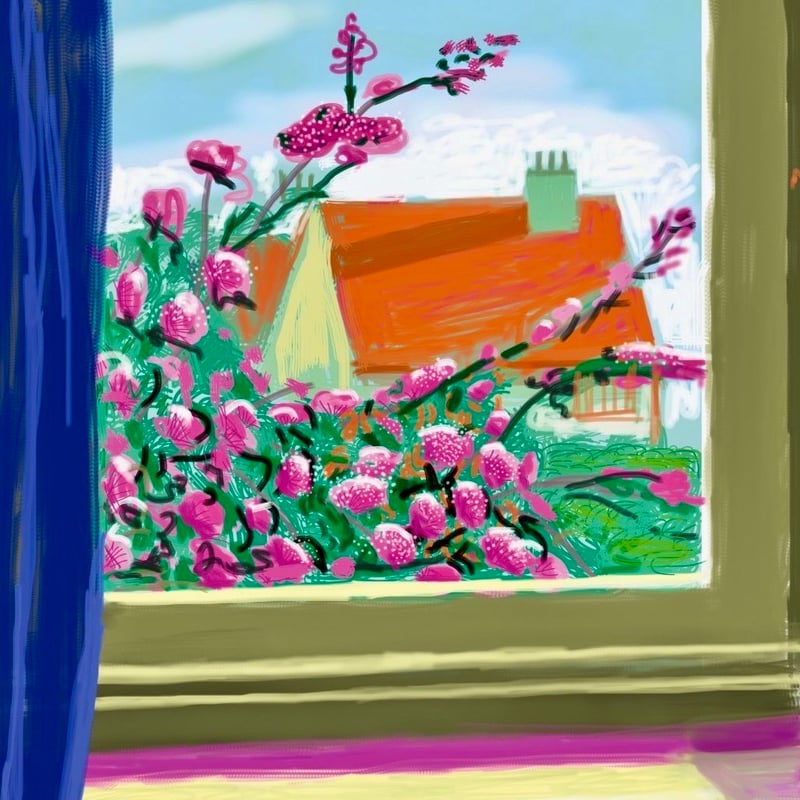
Environmental art is a collective term that refers to a wide range of artistic practices and works that engage with historical and ecological themes. The term often encompasses ecological concerns, although it is not exclusively defined by them. Environmental art acknowledges and appreciates the early history of the environmental art movement, including works with activist themes and those celebrating the connection between nature and the artist through the use of natural materials.
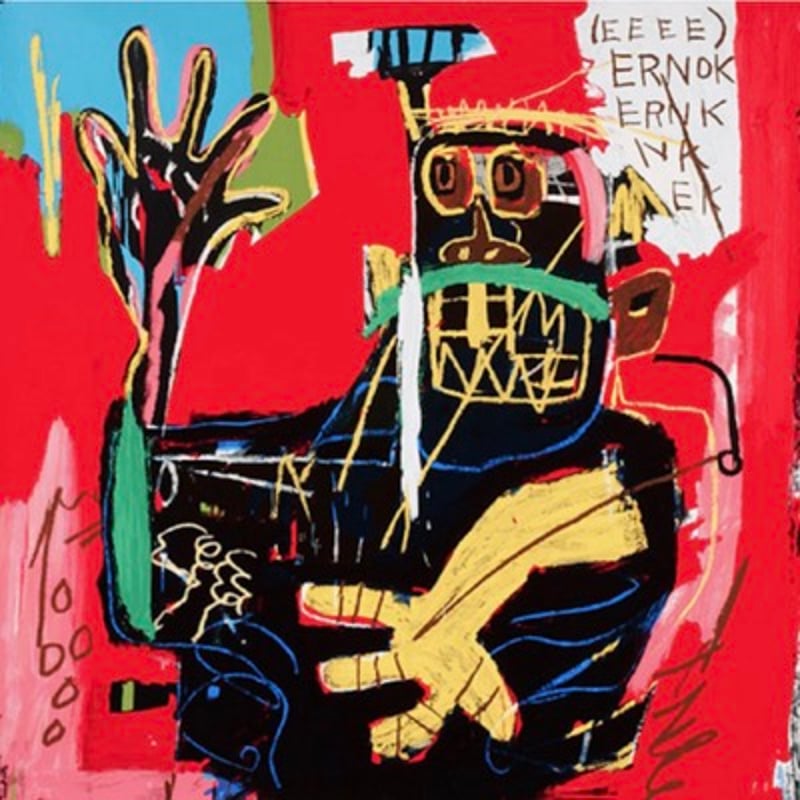
In 1981, Patti Astor opened the first art gallery in New York City's East Village, helping to launch the careers of various artists and musicians. The gallery started small but quickly gained popularity, contributing to the emergence of art movements such as Neo-Expressionism and Street Art in the area. The East Village became a hub for these new artistic expressions. However, the gallery closed in 1985 due to waning interest.
Can't find your Answer?
Thank you! Your question has been sent — we'll get back to you shortly.
