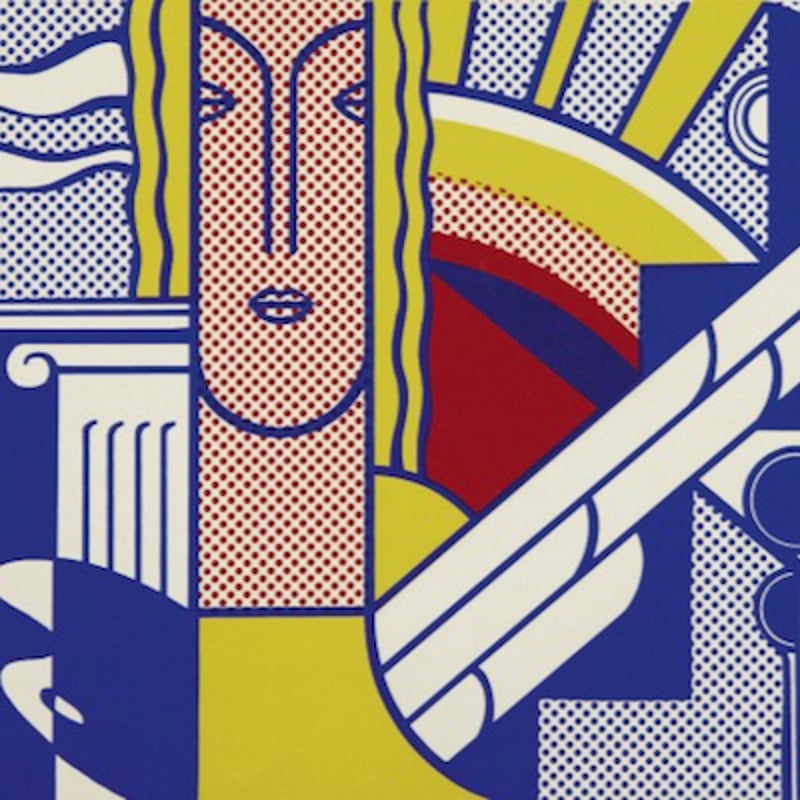
What is late modernism?
- Show All
- Established
- Discoveries
- Show All
Artworks Related to Late modernism
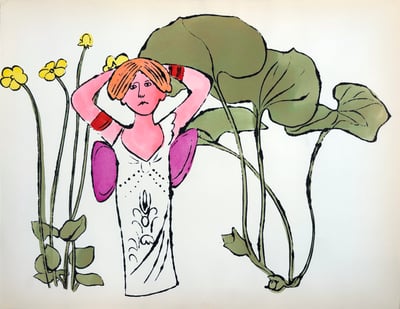
Andy Warhol
In The Bottom of my Garden IV.93A, CA. 1956
Limited Edition Print
Lithograph
Inquire For Price
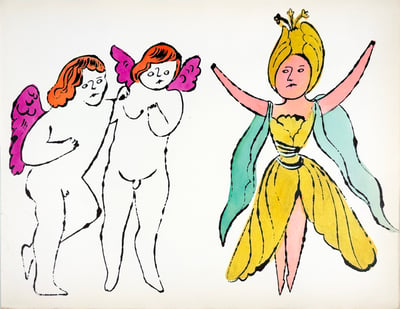
Andy Warhol
In The Bottom of my Garden IV.96A, CA. 1956
Limited Edition Print
Lithograph
Inquire For Price
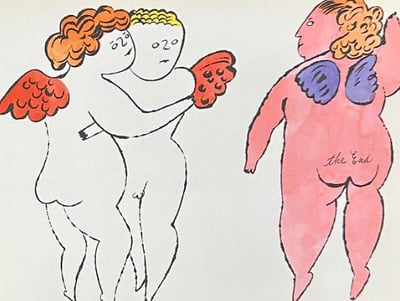
Andy Warhol
In The Bottom of my Garden IV.105A, CA. 1956
Limited Edition Print
Lithograph
USD 4,850
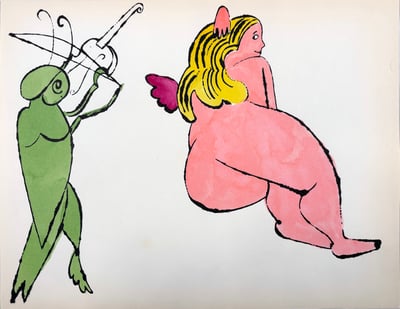
Andy Warhol
In The Bottom of my Garden IV.103A, CA. 1956
Limited Edition Print
Lithograph
Inquire For Price

Victor Vasarely
Album Meta: Seven Plates 4, 1976
Limited Edition Print
Screen-print
USD 3,700
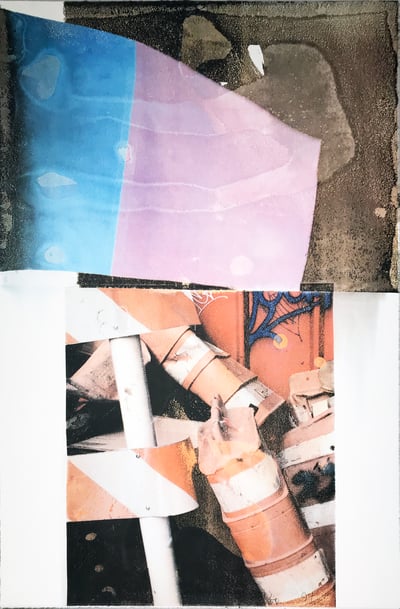
Robert Rauschenberg
Tribute 21: Art, 1994
Limited Edition Print
Lithograph
USD 4,950
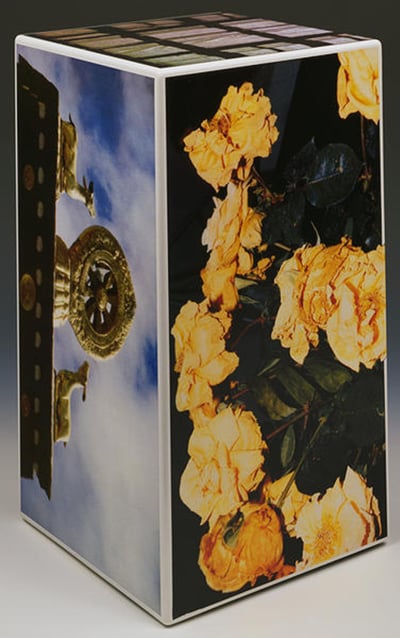
Robert Rauschenberg
Tibetan Keys (Rectangle), 1987
Sculpture / Object
Mixed Media
USD 14,250
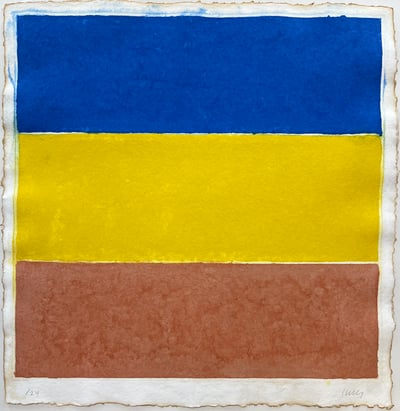
Ellsworth Kelly
Colored Paper Image XVI (Blue/Yellow/Red), 1976
Limited Edition Print
Mixed Media
Inquire For Price
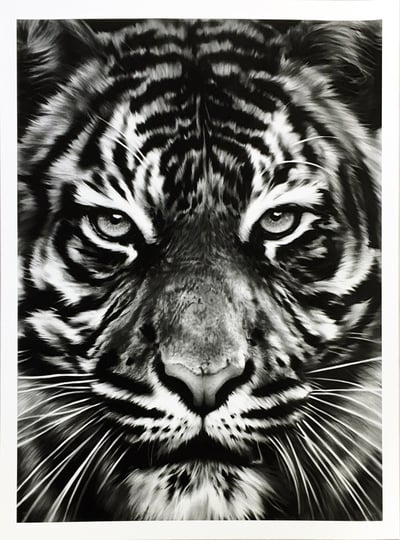
Robert Longo
Untitled (Leo), 2013
Limited Edition Print
Pigment print
USD 40,000 - 50,000
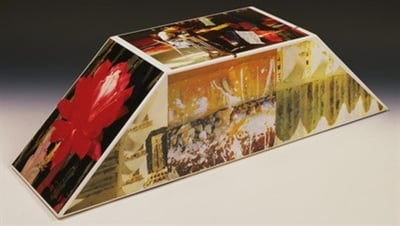
Robert Rauschenberg
Tibetan Keys (Double Bevel), 1987
Sculpture / Object
Mixed Media
USD 16,500
Robert Longo
Private Listing
Limited Edition Print
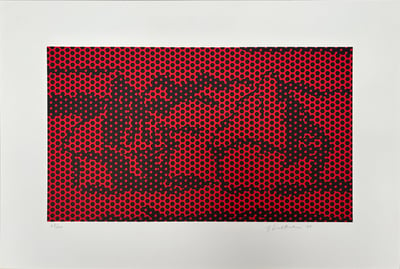
Roy Lichtenstein
Haystack #6, 1969
Limited Edition Print
Lithograph
USD 19,500

Robert Longo
Saturn, 2006
Limited Edition Print
Mixed Media
USD 6,200
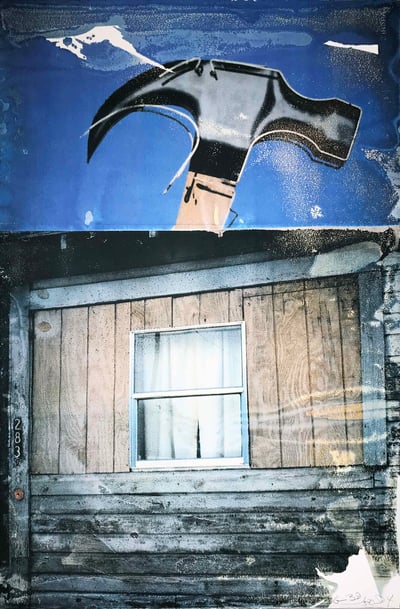
Robert Rauschenberg
Tribute 21: Labor, 1994
Limited Edition Print
Lithograph
USD 6,750
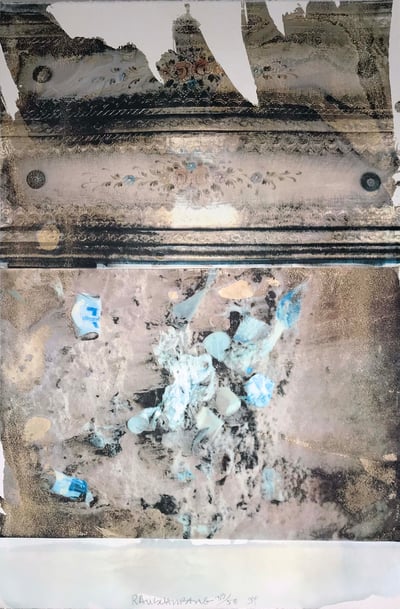
Robert Rauschenberg
Tribute 21: Cinema, 1994
Limited Edition Print
Lithograph
USD 4,950

Robert Rauschenberg
Relic (Speculations), 1997
Limited Edition Print
Screen-print
USD 11,900
Related Articles
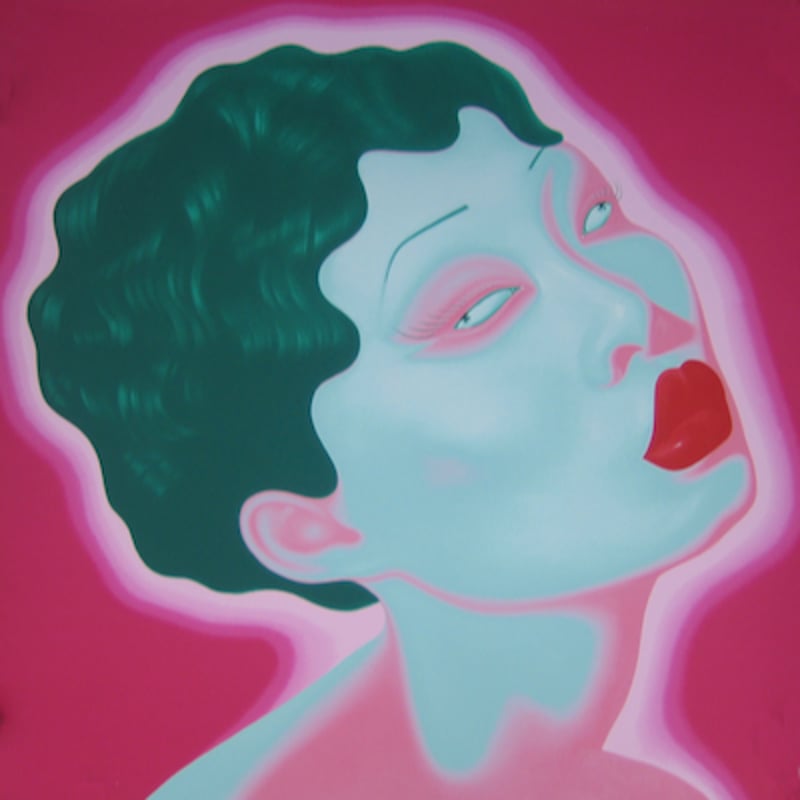
Chinese Contemporary Art is marked by a wide range of styles and experimental approaches. In the 1980s, avant-garde exhibitions were often shut down by government officials. The 1990s saw the rise of political pop and cynical realism, while China's One-Child Policy influenced artists to explore the individual as a subject matter.

Metalcut was a relief printing technique used primarily in Europe from around 1450 to 1540. The technique involved using thin metal plates. One method involved cutting or hammering away parts of the plate that were not intended to print, while the other method used engraving to create white lines on a black background.
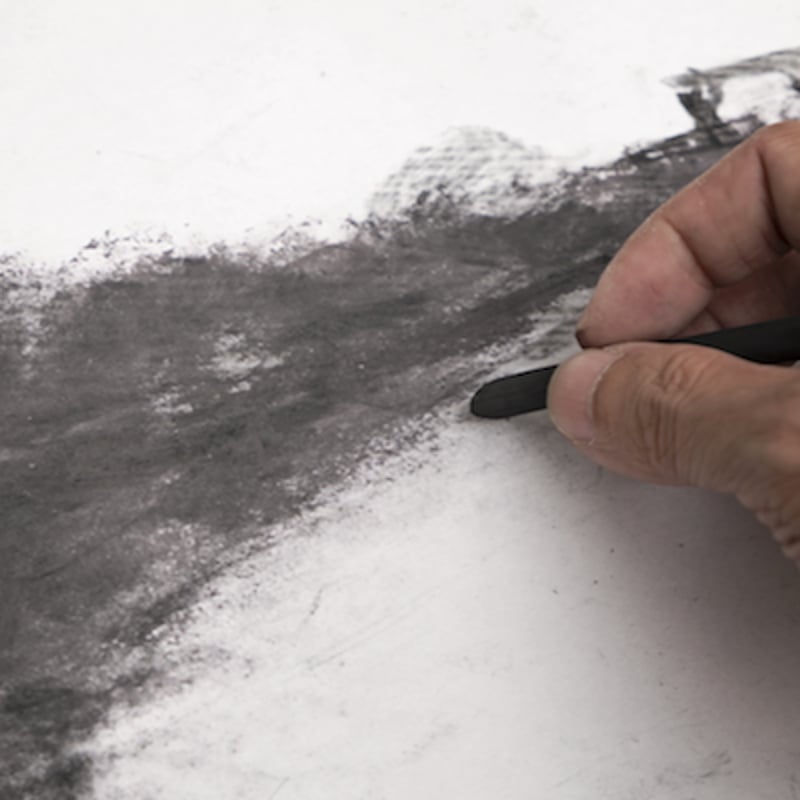
Charcoal is made from charred wood and is used in both initial sketches and finished drawings. It can be easily smudged or erased, making it versatile for corrections. To make charcoal drawings permanent, a fixative like resin or gum is required. It’s especially useful for sketching first ideas on walls or canvas.
Can't find your Answer?
Thank you! Your question has been sent — we'll get back to you shortly.
