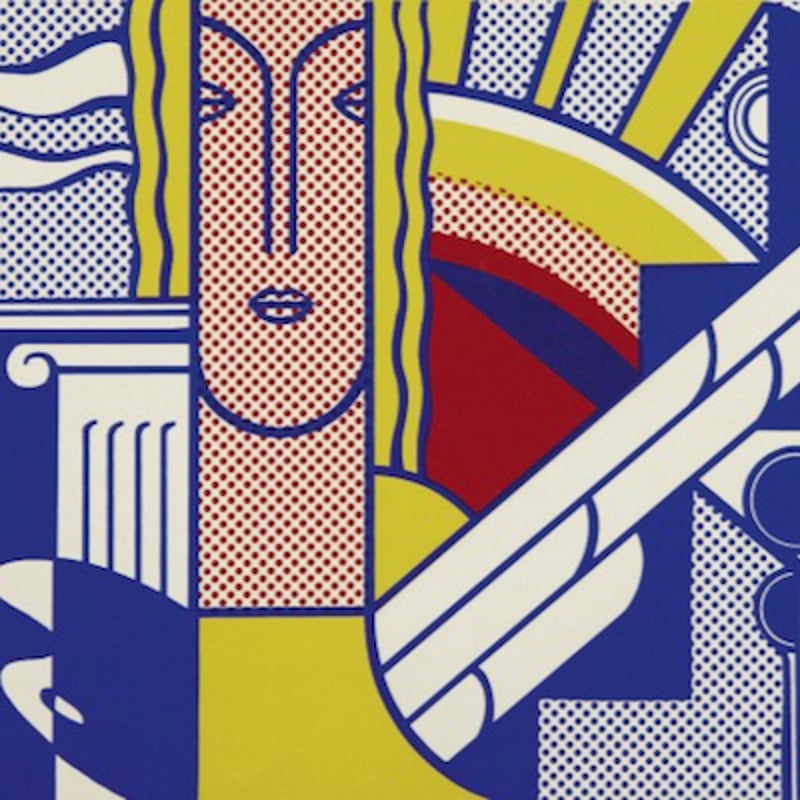
What is late modernism?
- Show All
- Established
- Discoveries
- Show All
Artworks Related to Late modernism
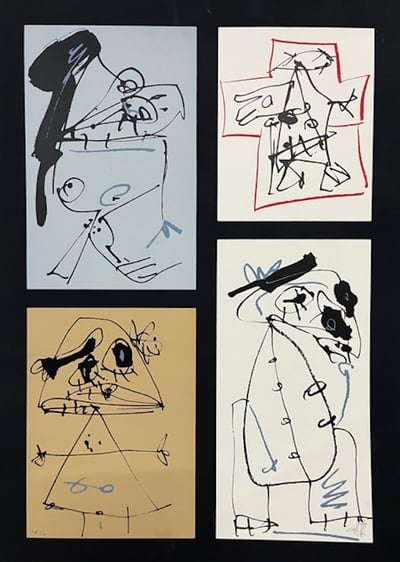
Antonio Saura
Triptico de Amsterdam 2, 1975
Limited Edition Print
Serigraph
EUR 1,350
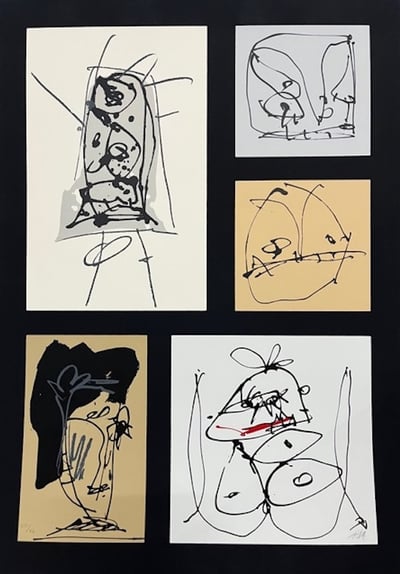
Antonio Saura
Triptico de Amsterdam 3, 1975
Limited Edition Print
Serigraph
EUR 1,350
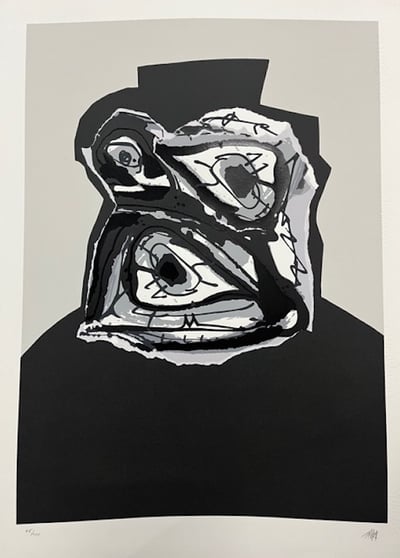
Antonio Saura
Don I, 1984
Limited Edition Print
Serigraph
EUR 1,875
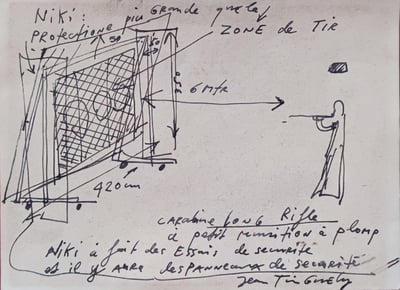
Jean Tinguely
Shooting paintings, 1970
Drawing / Watercolor
Ink
EUR 4,000
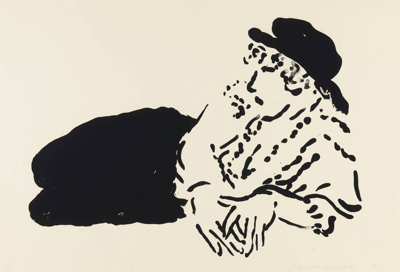
David Hockney
Celia (La Bergère), 1981
Limited Edition Print
Lithograph
USD 26,900
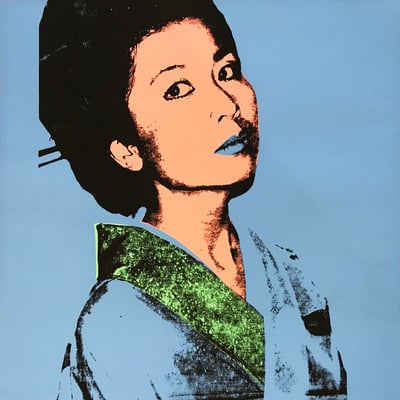
Andy Warhol
Kimiko, II.237, 1981
Limited Edition Print
Screen-print
Inquire For Price
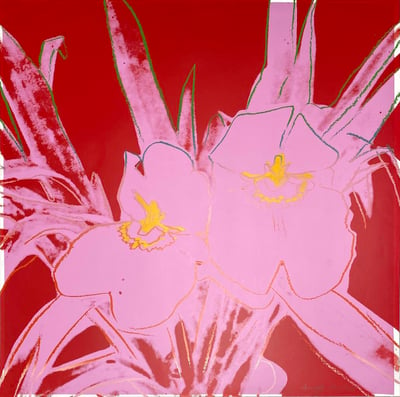
Andy Warhol
Orchids, 1983
Limited Edition Print
Screen-print
Inquire For Price
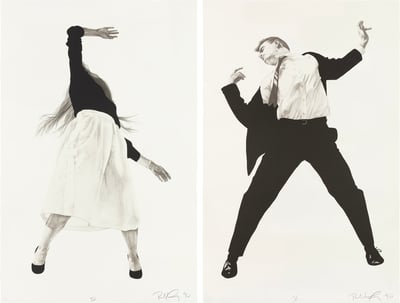
Robert Longo
Men in the Cities, Tokyo, Seibu Department Stores, Ltd. V (Single Man) & IV (Single Woman), 1990
Limited Edition Print
Lithograph
USD 68,000 - 75,000
Andy Warhol
Private Listing
Limited Edition Print
Andy Warhol
Private Listing
Limited Edition Print
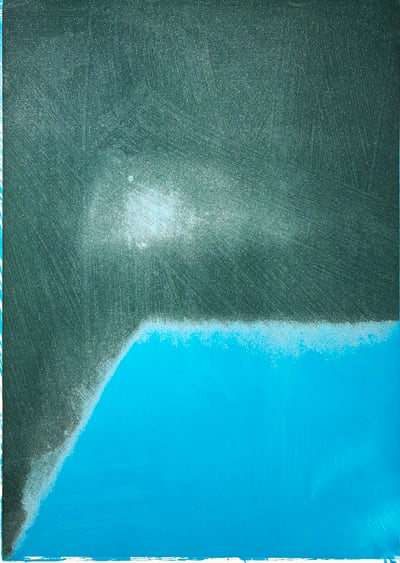
Andy Warhol
Shadows I, II.208 , 1979
Limited Edition Print
Screen-print
Inquire For Price
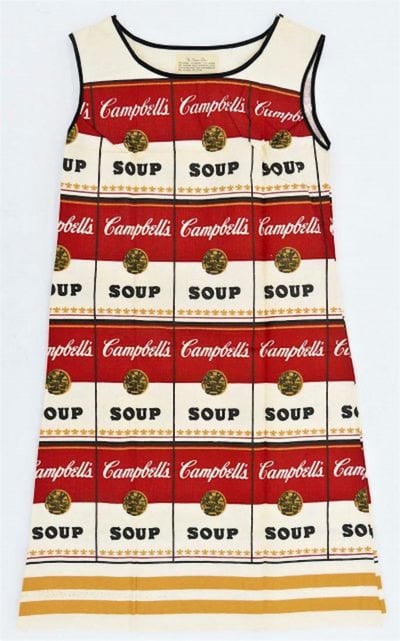
Andy Warhol
The Souper Dress, 1965
Limited Edition Print
Silkscreen
EUR 4,800
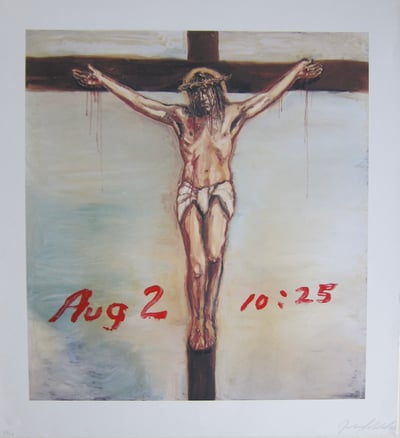
Julian Schnabel
per non dimenticare, 1997
Limited Edition Print
Lithograph
EUR 3,000
Andy Warhol
Private Listing
Limited Edition Print
Andy Warhol
Private Listing
Drawing / Watercolor
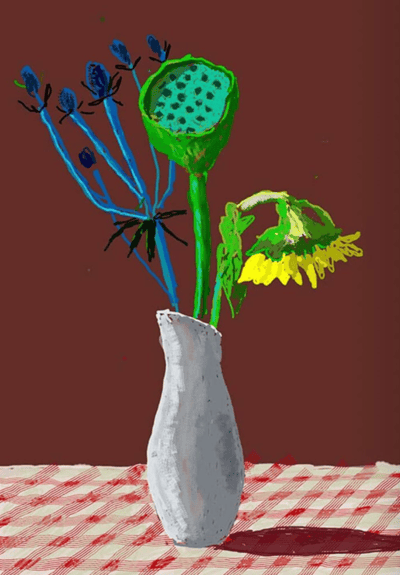
David Hockney
19th March 2021, Sunflower with Exotic Flower, 2021
Limited Edition Print
Digital print on canvas
Inquire For Price
Related Articles


Chalk is a natural mineral, primarily composed of calcium carbonate. In art, chalk refers to sticks used for drawing, made from a mixture of chalk, colored pigments, and gum Arabic. These sticks are usually shaped into four flat sides for easier handling.
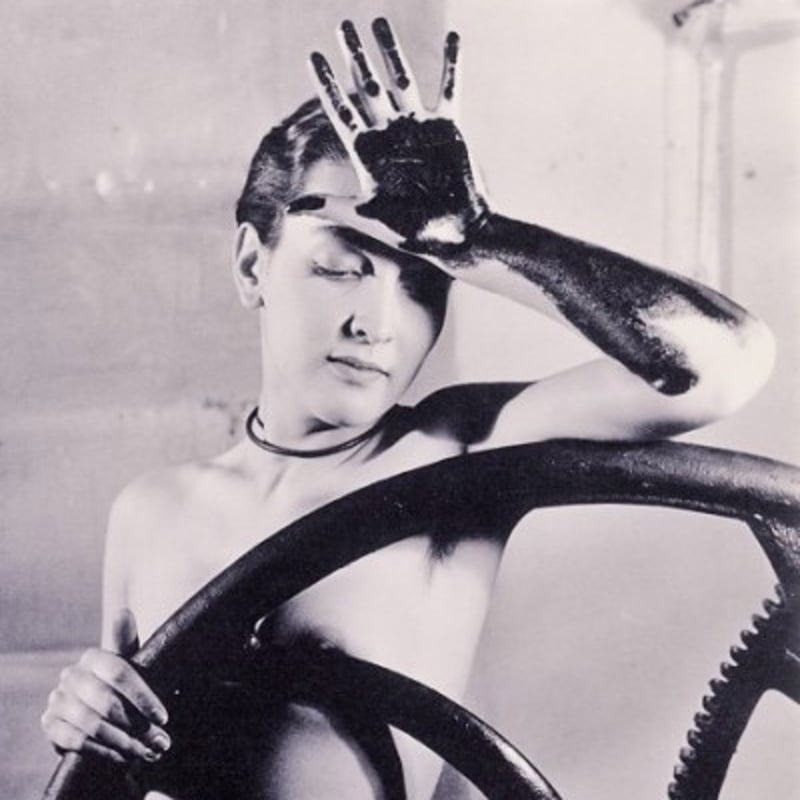
Avant-garde refers to innovative and experimental ideas in the arts that challenge established norms and conventions. Originating from the French term for advance guard, it describes both the movement and the artists who push the boundaries of creativity, often exploring new techniques, forms, and concepts. The avant-garde has been a driving force in various art movements throughout history, such as Dadaism, Surrealism, and Abstract Expressionism, continually reshaping the landscape of art and culture.

The Aesthetic Movement emerged in the late 19th century, emphasizing the beauty and sensual qualities of art over practical or moral considerations. It promoted the idea of creating art for its own sake, valuing beauty and aesthetic experience as ends in themselves. The movement was particularly influential in Britain.
Can't find your Answer?
Thank you! Your question has been sent — we'll get back to you shortly.
